Industrial Oil Mist Collector Systems - Advanced Filtration Solutions for Metalworking Facilities

Get a Free Quote

Our representative will contact you soon.
Email
Name
Company Name
Message
0/1000

industrial oil mist collector

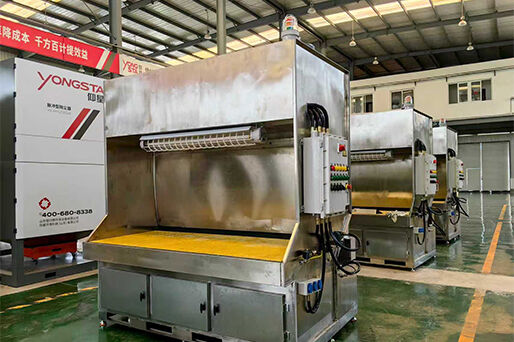
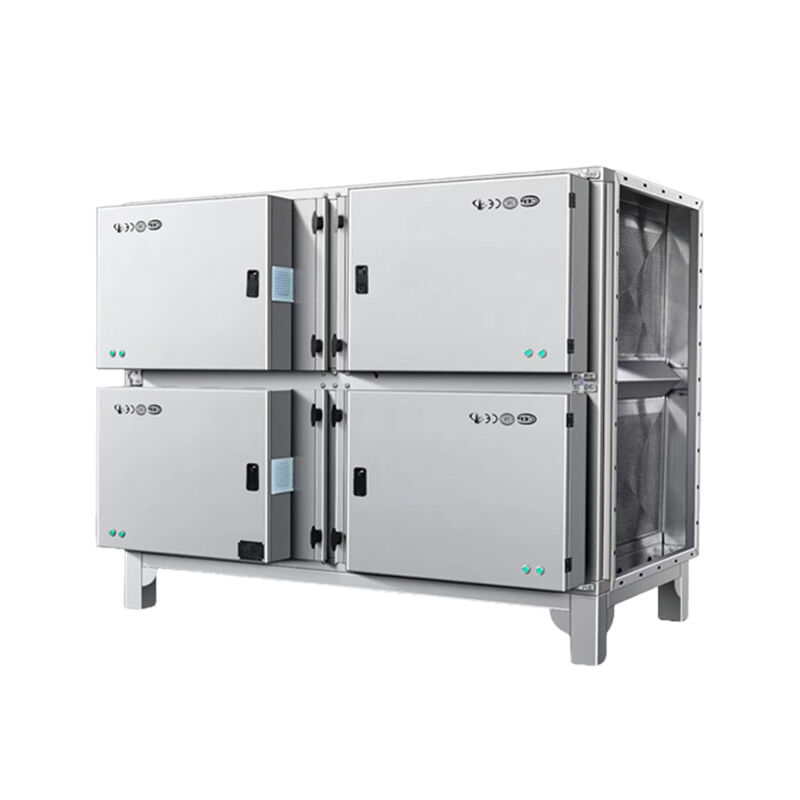
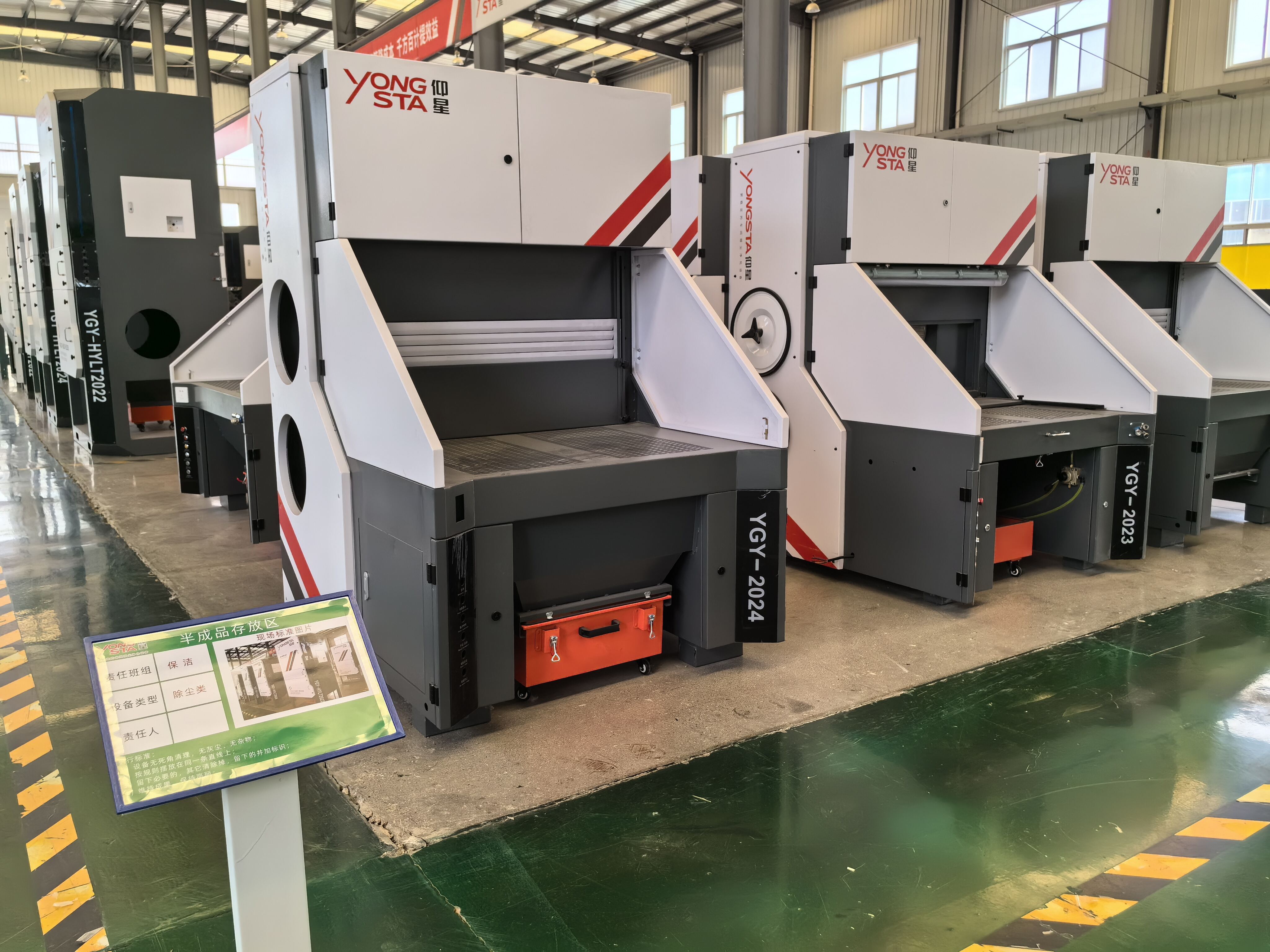
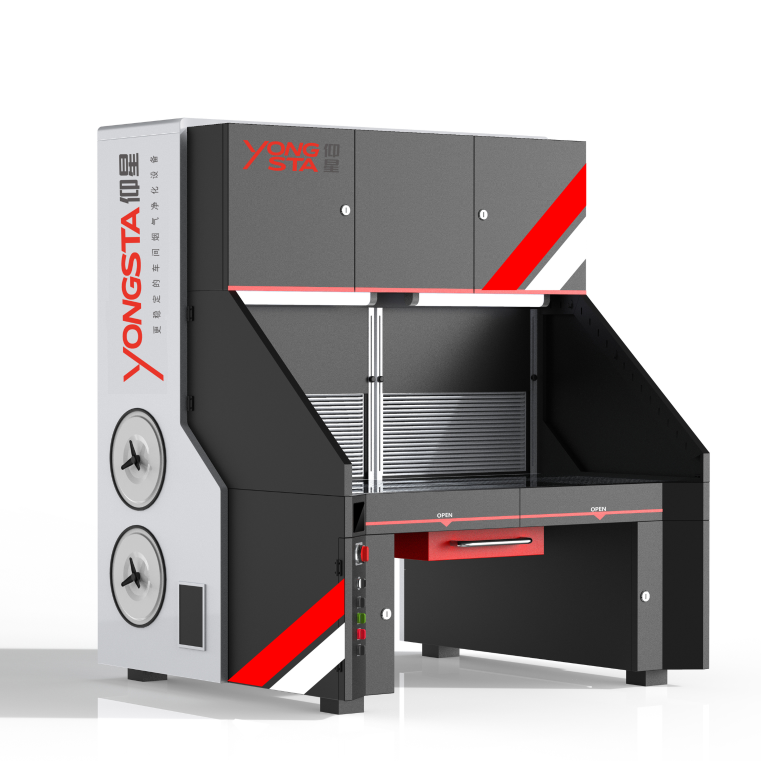
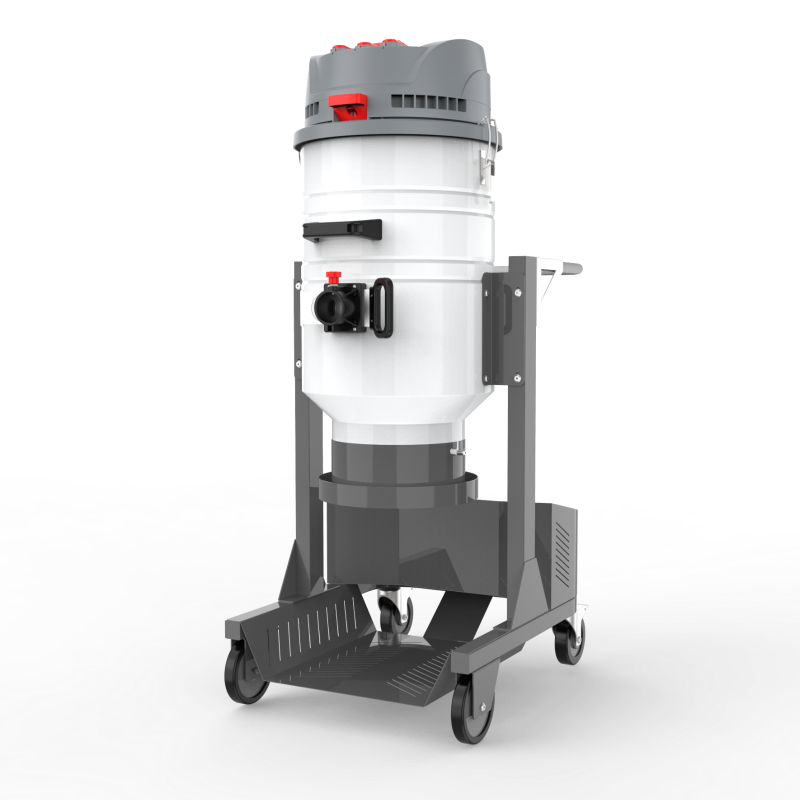
An industrial oil mist collector represents a critical piece of equipment designed to capture and filter airborne oil particles generated during metalworking and manufacturing processes. These systems address the persistent challenge of oil mist contamination that occurs when cutting fluids, lubricants, and coolants are applied to high-speed machinery operations. The primary function of an industrial oil mist collector involves drawing contaminated air through specialized filtration media that separates oil droplets from the air stream, returning clean air to the workplace environment. Modern industrial oil mist collector units incorporate multi-stage filtration technology, combining mechanical separation with coalescence filtration to achieve removal efficiencies exceeding 99 percent for particles as small as 0.3 microns. The technological architecture of these systems typically includes a powerful centrifugal fan that creates negative pressure, pulling oil-laden air through inlet ducting positioned near the source of mist generation. Once captured, the contaminated air passes through primary impaction filters where larger droplets collide with filter media and coalesce into larger masses that drain by gravity. Secondary filtration stages employ high-efficiency coalescent filters constructed from specialized synthetic fibers that capture submicron particles through a combination of interception, impaction, and diffusion mechanisms. Applications for industrial oil mist collector systems span numerous manufacturing sectors including CNC machining centers, grinding operations, gear cutting facilities, honing machines, and automated production lines where metalworking fluids are continuously applied. These collectors prove essential in automotive component manufacturing, aerospace parts production, medical device fabrication, and general machine shops where worker health and equipment longevity depend on maintaining clean air quality. The industrial oil mist collector also serves critical roles in maintaining compliance with occupational health regulations that limit worker exposure to oil mist concentrations, while simultaneously protecting valuable machinery from the damaging effects of oil accumulation on electronic components and precision surfaces.

Popular Products

Implementing an industrial oil mist collector delivers immediate and measurable improvements to manufacturing operations through multiple practical pathways. The most significant advantage centers on protecting worker health by removing harmful oil particles from breathing zones, directly reducing respiratory irritation, skin contact with oils, and long-term exposure risks associated with prolonged inhalation of metalworking fluid aerosols. Workers experience fewer complaints about oily residue on skin and clothing, leading to improved morale and reduced absenteeism related to respiratory discomfort. Beyond health protection, an industrial oil mist collector substantially reduces facility maintenance requirements by preventing oil mist from settling on floors, walls, equipment surfaces, and lighting fixtures. This elimination of oily film accumulation means less frequent cleaning cycles, reduced slip and fall hazards, and lower costs for cleaning supplies and labor. The system also extends the operational life of expensive manufacturing equipment by preventing oil buildup on electrical components, control panels, and sensitive instrumentation that can cause malfunctions, short circuits, and premature failure. Facilities operating an industrial oil mist collector typically report significant reductions in coolant consumption because captured oil is returned to machine sumps rather than being lost to evaporation or dispersion throughout the facility. This coolant recovery feature alone often justifies the investment through reduced fluid purchasing costs and less frequent disposal of depleted coolants. Energy efficiency represents another practical benefit, as modern industrial oil mist collector designs incorporate variable speed drives and optimized airflow patterns that minimize power consumption while maintaining effective capture rates. The systems operate quietly compared to older ventilation approaches, contributing to a more comfortable work environment that supports concentration and communication among production teams. Installation flexibility allows an industrial oil mist collector to serve individual machines or multiple workstations through centralized ducting, adapting to facility layouts and production requirements. Compliance advantages prove equally valuable, as these systems help manufacturers meet OSHA permissible exposure limits for oil mist, satisfy environmental regulations regarding air emissions, and demonstrate due diligence in providing safe working conditions. The industrial oil mist collector also improves product quality by reducing the risk of oil contamination on finished parts, which can interfere with subsequent coating processes, assembly operations, or final product performance. Facilities report enhanced visibility in production areas once oil mist is removed, improving safety and allowing better quality inspection. The return on investment for an industrial oil mist collector typically materializes within two to three years through combined savings in maintenance, coolant costs, reduced insurance claims, and improved productivity from healthier workers operating in cleaner conditions.

Practical Tips

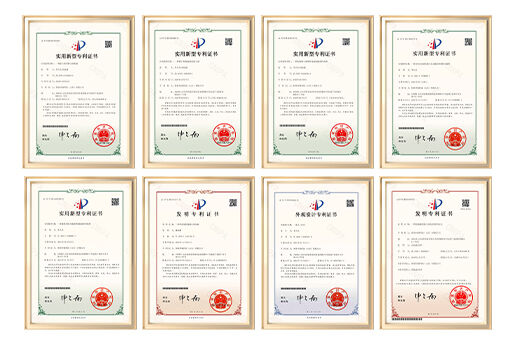
Yongsta R&D Team Wins 3 Dust Removal Technology Patents, Leading Industry Innovation

09

Apr

Yongsta R&D Team Wins 3 Dust Removal Technology Patents, Leading Industry Innovation

View More
Yongsta Cooperates with TUV for ATEX Explosion-Proof Certification, Explosion-Proof Dust Collector to Be Launched Soon

09

Apr

Yongsta Cooperates with TUV for ATEX Explosion-Proof Certification, Explosion-Proof Dust Collector to Be Launched Soon

View More
Empowering Benchmark Manufacturing! Yongsta Cartridge Dust Collector Aids Siemens Transformer China Factory's Dust Removal Renovation and Gains High Recognition

09

Apr

Empowering Benchmark Manufacturing! Yongsta Cartridge Dust Collector Aids Siemens Transformer China Factory's Dust Removal Renovation and Gains High Recognition

View More

Get a Free Quote

Our representative will contact you soon.
Email
Name
Company Name
Message
0/1000

industrial oil mist collector

Advanced Multi-Stage Filtration Technology Ensures Maximum Capture Efficiency

Advanced Multi-Stage Filtration Technology Ensures Maximum Capture Efficiency

The filtration system within an industrial oil mist collector employs sophisticated engineering principles that separate it from basic ventilation approaches. At the core of this technology lies a carefully designed sequence of filtration stages, each targeting specific particle size ranges to achieve comprehensive removal of oil contaminants. The first stage utilizes inertial separation where contaminated air enters a specially designed chamber that forces rapid directional changes, causing heavier oil droplets to separate from the air stream through centrifugal force and impact against collection surfaces. This mechanical pre-separation removes the bulk of larger particles, typically those above 10 microns, reducing the load on downstream filters and extending their service life. The second stage introduces primary coalescent filters constructed from layers of progressively finer synthetic fibers arranged in a gradient density configuration. As oil-laden air passes through these fibers, submicron droplets contact the filter media and merge with other captured droplets through coalescence, forming larger liquid masses that drain downward under gravity into collection reservoirs. This coalescence process proves remarkably effective for particles in the 1 to 10 micron range that represent the most challenging fraction to capture. The final filtration stage in a high-performance industrial oil mist collector incorporates HEPA-grade or near-HEPA media capable of capturing particles down to 0.3 microns with efficiencies exceeding 99.97 percent. This level of filtration addresses the finest oil aerosols that pose the greatest health risks due to their ability to penetrate deep into respiratory systems. The multi-stage approach delivers several critical advantages over single-stage systems. By distributing the filtration burden across multiple media types, each optimized for specific particle ranges, the industrial oil mist collector achieves higher overall efficiency while maintaining lower pressure drop and energy consumption. The staged design also provides redundancy, ensuring that if one stage experiences reduced performance, subsequent stages continue providing protection. Maintenance becomes more economical because pre-filters handling the bulk of contamination can be serviced or replaced more frequently at lower cost, while expensive final filters operate in cleaner conditions and last significantly longer. Modern industrial oil mist collector systems incorporate differential pressure monitoring across each filtration stage, providing real-time feedback on filter condition and enabling predictive maintenance scheduling that prevents unexpected failures and maintains consistent performance throughout the service interval.
Intelligent Airflow Management Optimizes Performance While Minimizing Energy Consumption

Intelligent Airflow Management Optimizes Performance While Minimizing Energy Consumption

The operational efficiency of an industrial oil mist collector depends critically on how effectively it manages airflow from capture through filtration and discharge. Advanced systems incorporate variable frequency drives that automatically adjust fan speed based on real-time demand, reducing energy consumption during periods of lower mist generation while ramping up capacity when production intensifies. This intelligent control represents a substantial improvement over fixed-speed systems that operate continuously at maximum capacity regardless of actual need, wasting energy and creating unnecessary noise. The airflow design within an industrial oil mist collector begins with strategically positioned capture hoods or inlet points placed as close as possible to mist generation sources, maximizing capture efficiency while minimizing the total air volume that must be processed. Proper capture hood design considers the velocity and trajectory of oil particles ejected from machining operations, positioning inlets to intercept these particles before they disperse into the general workspace. Computational fluid dynamics modeling now informs the design of modern industrial oil mist collector inlet configurations, optimizing hood geometry and placement to achieve maximum capture with minimum airflow requirements. Once captured, contaminated air travels through ducting sized to maintain transport velocities that prevent oil droplet settling while avoiding excessive pressure losses that increase fan power requirements. The industrial oil mist collector housing itself incorporates carefully engineered internal geometry that promotes uniform air distribution across filter media, preventing channeling or bypass that would reduce filtration efficiency. Baffle plates, diffuser screens, and expansion chambers work together to transform turbulent inlet flow into laminar conditions ideal for filtration, ensuring that all air passes through filter media rather than finding paths of least resistance. Discharge air management represents another critical aspect, with options for returning filtered air to the facility to recover heating or cooling energy, or exhausting outdoors when process requirements or regulations dictate. The industrial oil mist collector fan selection balances static pressure requirements against airflow needs, with backward-inclined or airfoil blade designs offering superior efficiency compared to older radial blade configurations. Sound attenuation features including vibration isolation mounts, acoustic insulation, and discharge silencers ensure that the industrial oil mist collector operates quietly enough for installation in production areas without creating noise distractions or requiring hearing protection. Monitoring systems track key performance parameters including airflow rate, filter pressure drop, and motor current, providing operators with actionable data for optimizing system performance and scheduling maintenance interventions before problems impact production.
Flexible Installation Options and Scalable Configurations Adapt to Diverse Manufacturing Environments

Flexible Installation Options and Scalable Configurations Adapt to Diverse Manufacturing Environments

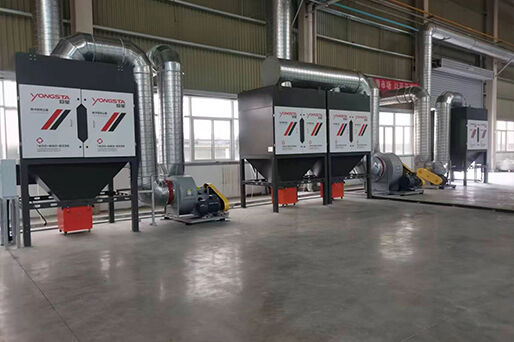
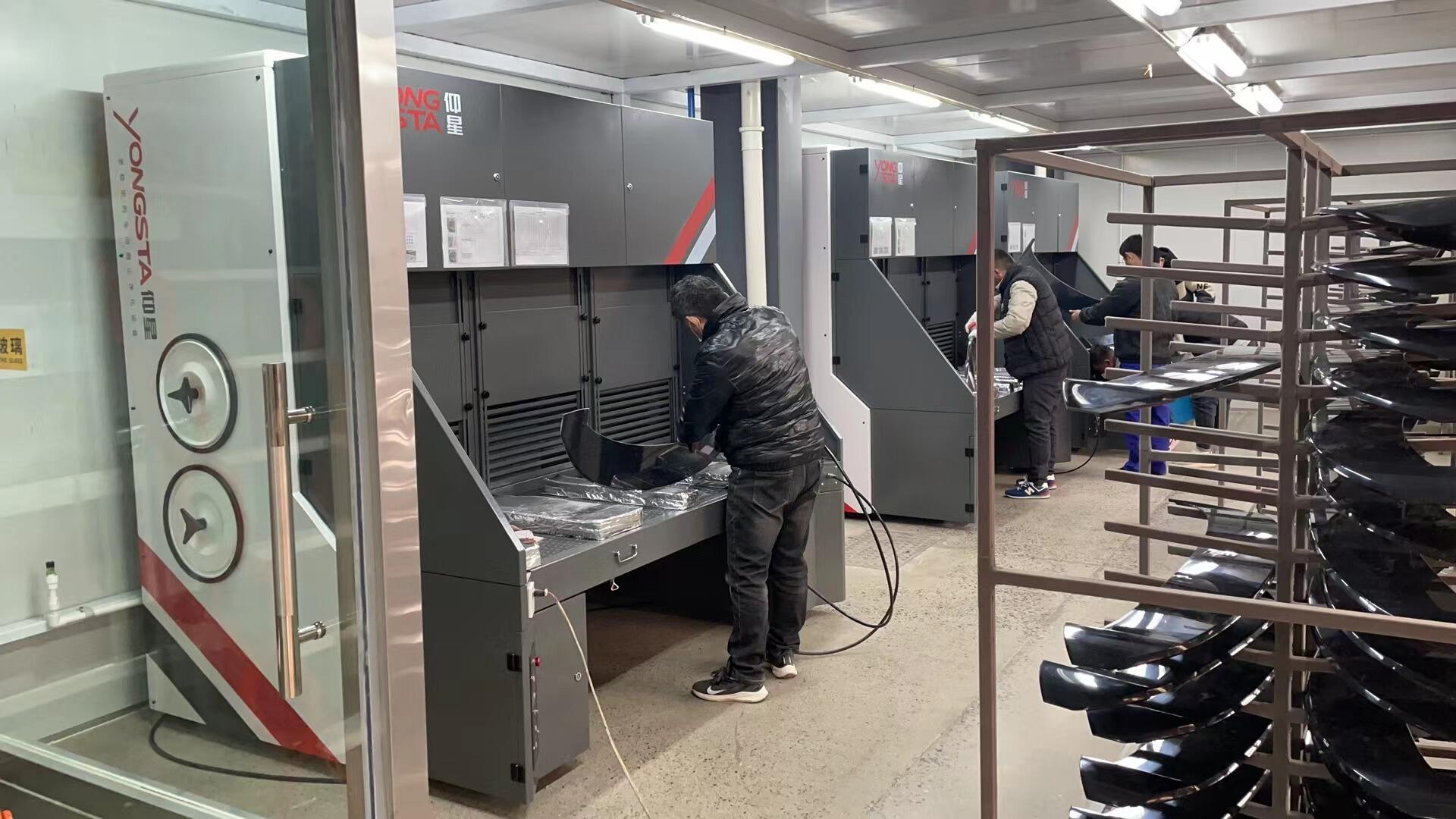
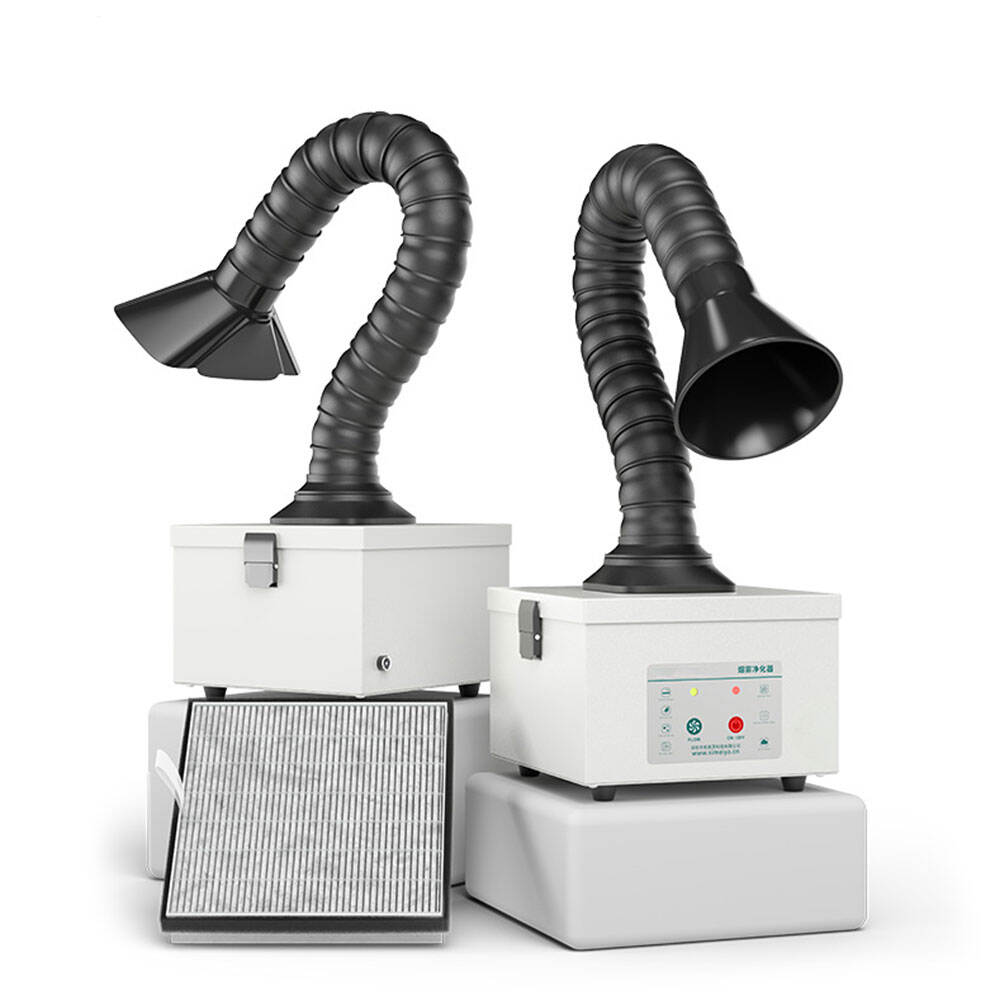
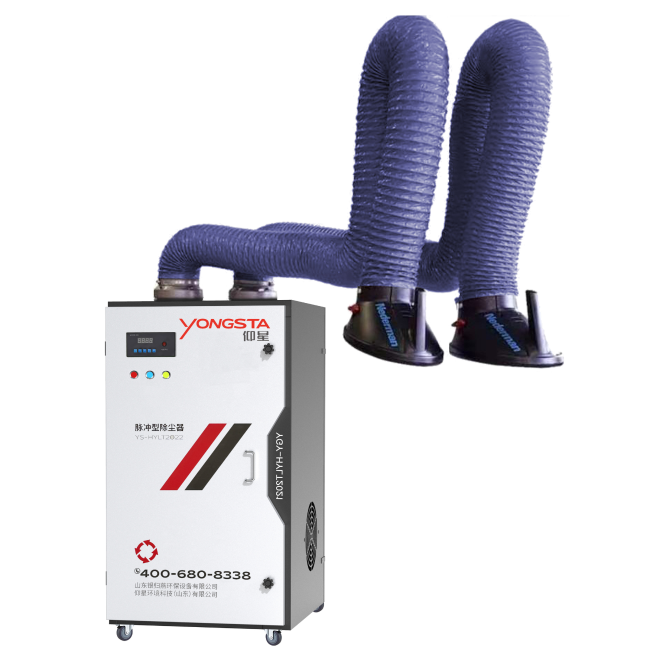
Manufacturing facilities face widely varying requirements for oil mist control based on factors including production volume, machine types, facility layout, and existing infrastructure. Recognizing this diversity, modern industrial oil mist collector systems offer remarkable flexibility in configuration and installation approaches that accommodate virtually any application scenario. Standalone units designed to serve individual machines provide the simplest implementation path, mounting directly on or adjacent to a single CNC machine, grinder, or other mist-generating equipment. These compact industrial oil mist collector models require minimal installation effort, often connecting through flexible ducting to a machine enclosure with the collector sitting on the factory floor or mounted overhead to conserve valuable floor space. For facilities with multiple machines in close proximity, centralized industrial oil mist collector systems offer economic advantages by serving several workstations through a network of ducting that converges at a single, larger capacity collector unit. This approach reduces equipment costs compared to multiple standalone units while simplifying maintenance by consolidating filter changes and service activities at one location. The ducting network design for centralized systems requires careful engineering to balance airflow across all branches, ensuring adequate capture velocity at each machine while avoiding excessive pressure losses that would compromise performance or increase energy consumption. Modular industrial oil mist collector designs enable capacity expansion as production grows, allowing facilities to start with a base configuration and add filtration modules or increase fan capacity as additional machines come online. This scalability protects initial investment while providing a clear upgrade path that avoids the need to replace entire systems when requirements change. Installation flexibility extends to mounting options, with industrial oil mist collector units available in floor-standing, wall-mounted, and ceiling-suspended configurations that adapt to available space and structural constraints. Outdoor installation represents another option for facilities with limited indoor space, with weatherproof enclosures protecting components from environmental exposure while maintaining full functionality. The industrial oil mist collector can integrate with existing facility ventilation systems or operate independently, depending on HVAC design and air quality objectives. Control integration capabilities allow the industrial oil mist collector to interface with machine PLCs, starting and stopping automatically with machine operation to eliminate unnecessary runtime and energy waste. Remote monitoring options enable facilities to track performance across multiple industrial oil mist collector units from a central location, identifying maintenance needs and optimizing operation across the entire fleet. Explosion-proof configurations address applications involving flammable coolants or operating in classified hazardous locations, incorporating appropriate electrical components and construction materials that meet safety standards. The adaptability of industrial oil mist collector systems ensures that whether a facility operates a single manual machine or a fully automated production line with dozens of CNC centers, an appropriate solution exists that delivers effective mist control without requiring facility modifications or production disruptions during installation.

Get a Free Quote

Our representative will contact you soon.
Email
Name
Company Name
Message
0/1000
email goToTop