industrial mist collection systems
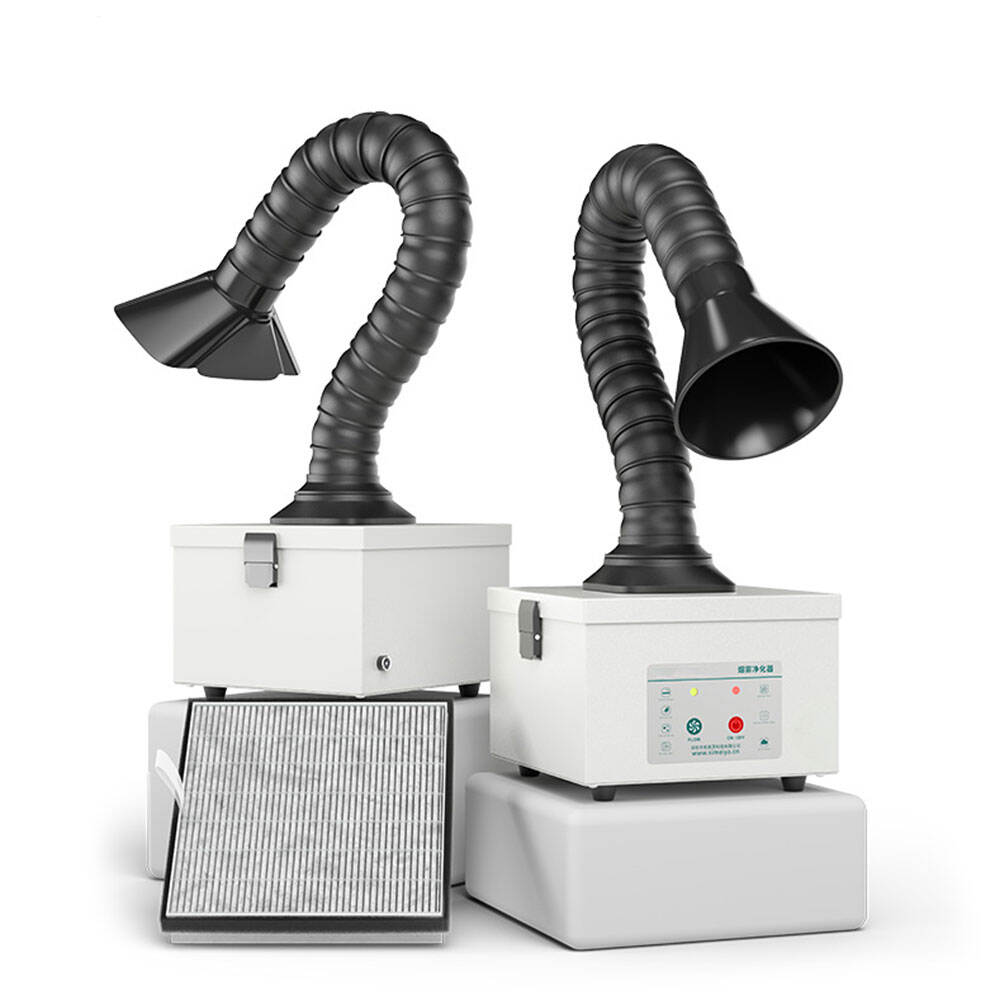
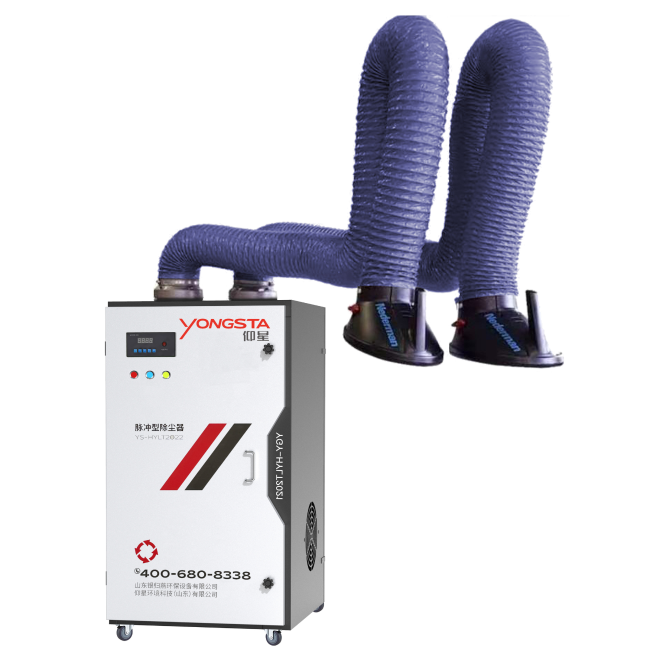
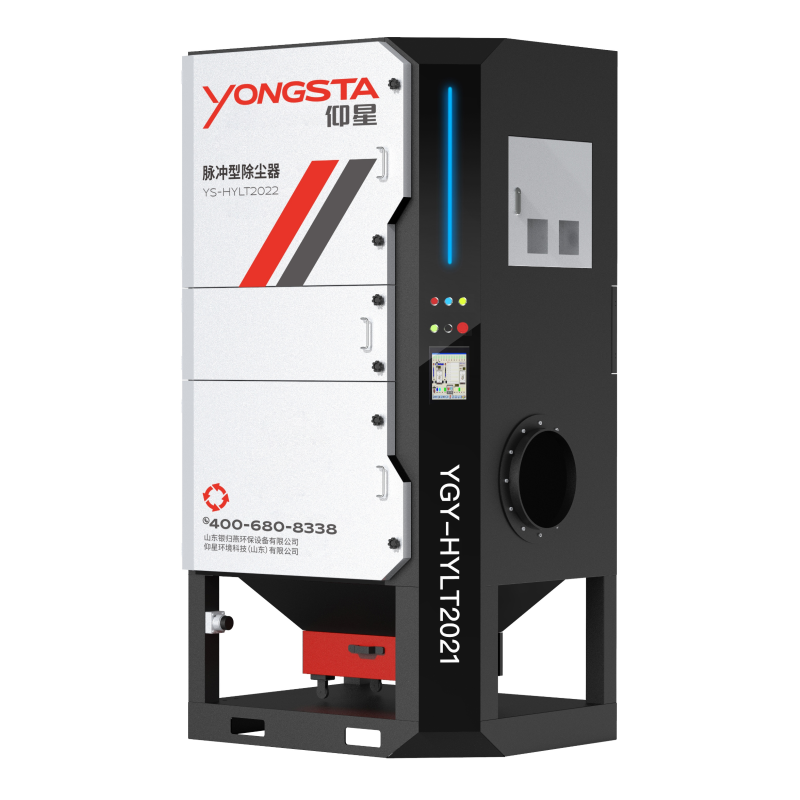
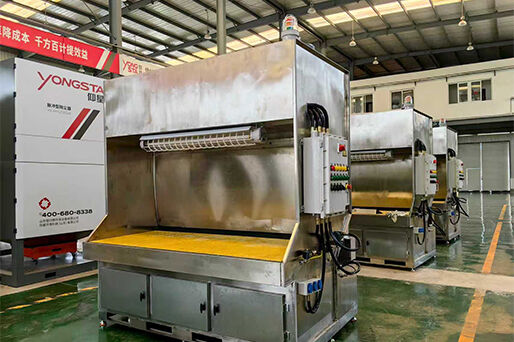
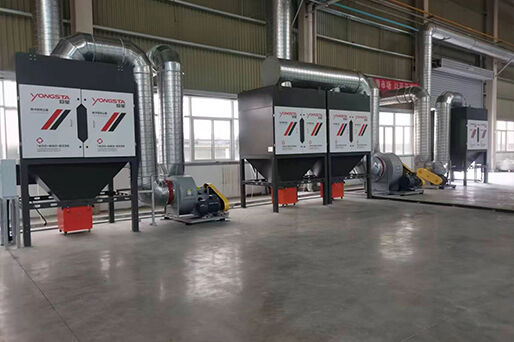
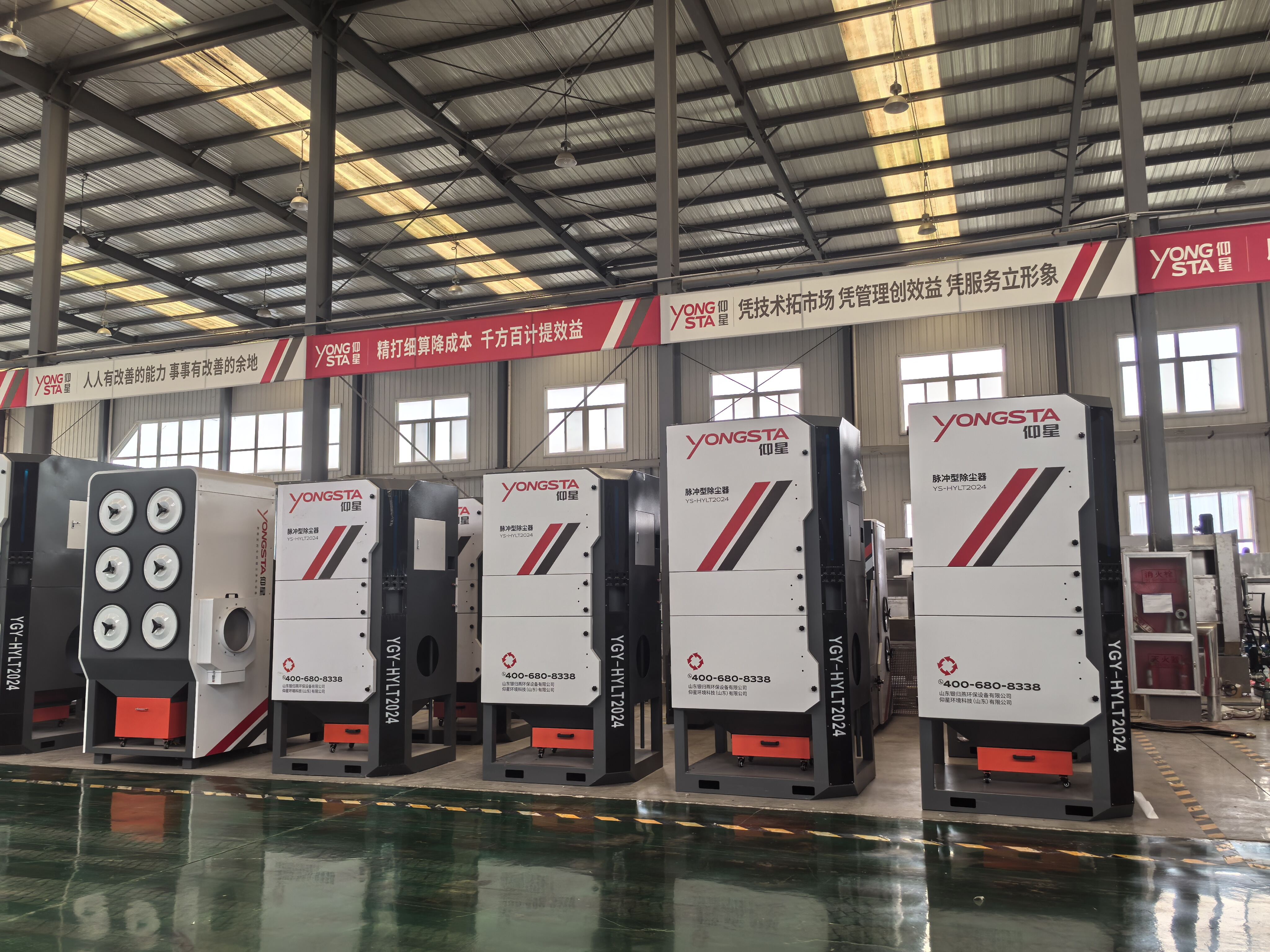
Industrial mist collection systems represent a critical solution for manufacturing facilities that generate airborne contaminants during machining, grinding, and metalworking operations. These specialized systems capture and filter oil mist, coolant vapor, smoke, and fine particulate matter that would otherwise circulate throughout the workspace. The primary function of industrial mist collection systems involves drawing contaminated air through high-efficiency filtration media, removing harmful particles, and returning clean air to the facility or exhausting it safely outdoors. Modern industrial mist collection systems incorporate multi-stage filtration technology that addresses various particle sizes and contaminant types. The first stage typically captures larger droplets and particles through mechanical separation or impingement, while subsequent stages utilize coalescent filters or HEPA filtration to remove submicron particles. Advanced industrial mist collection systems feature automated filter monitoring, variable speed drives for energy optimization, and smart controls that adjust collection rates based on real-time air quality measurements. These systems find applications across diverse manufacturing sectors including CNC machining centers, grinding operations, automotive component production, aerospace manufacturing, and medical device fabrication. Industrial mist collection systems protect both worker health and equipment longevity by preventing oil mist accumulation on machinery, floors, and building surfaces. The technology has evolved significantly to meet stringent environmental regulations and workplace safety standards, with contemporary systems offering collection efficiencies exceeding 99.97 percent for submicron particles. Installation flexibility allows industrial mist collection systems to serve individual machines through source capture or provide centralized collection for entire production areas. The systems contribute to improved visibility on the shop floor, reduced cleaning and maintenance costs, and compliance with OSHA regulations regarding permissible exposure limits for metalworking fluids and airborne contaminants.
 ×
×



 EN
EN