cnc machine mist extraction
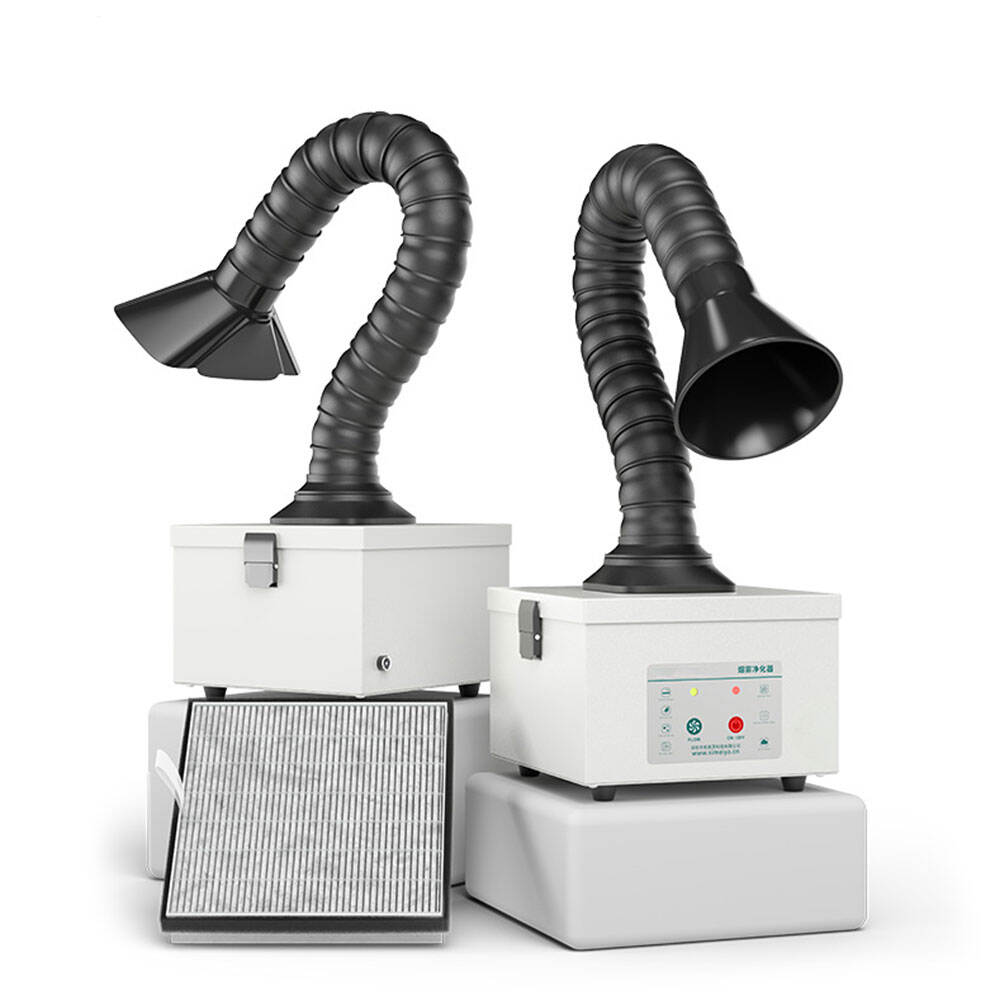
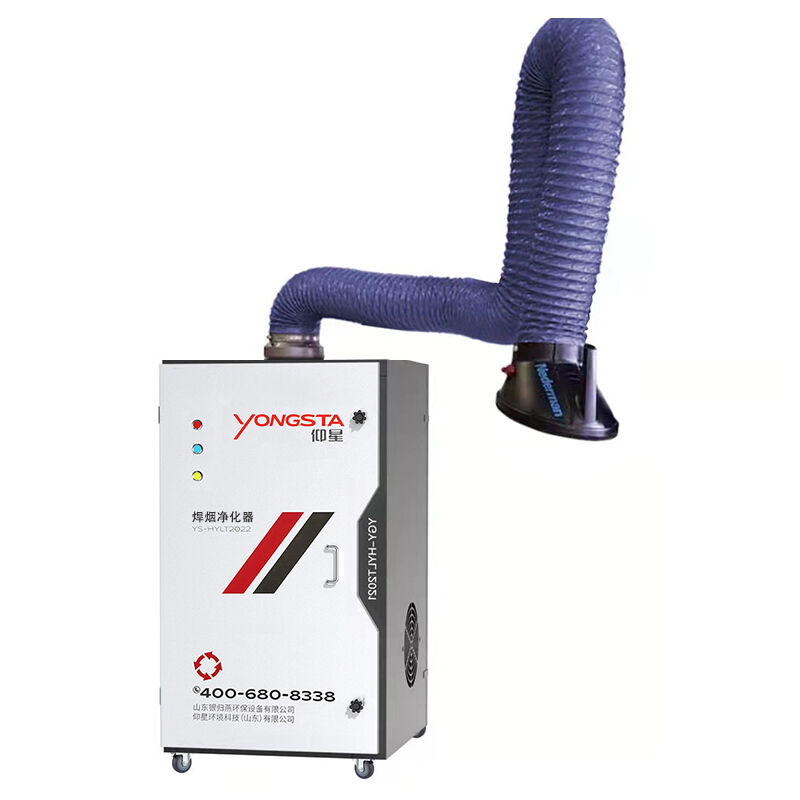
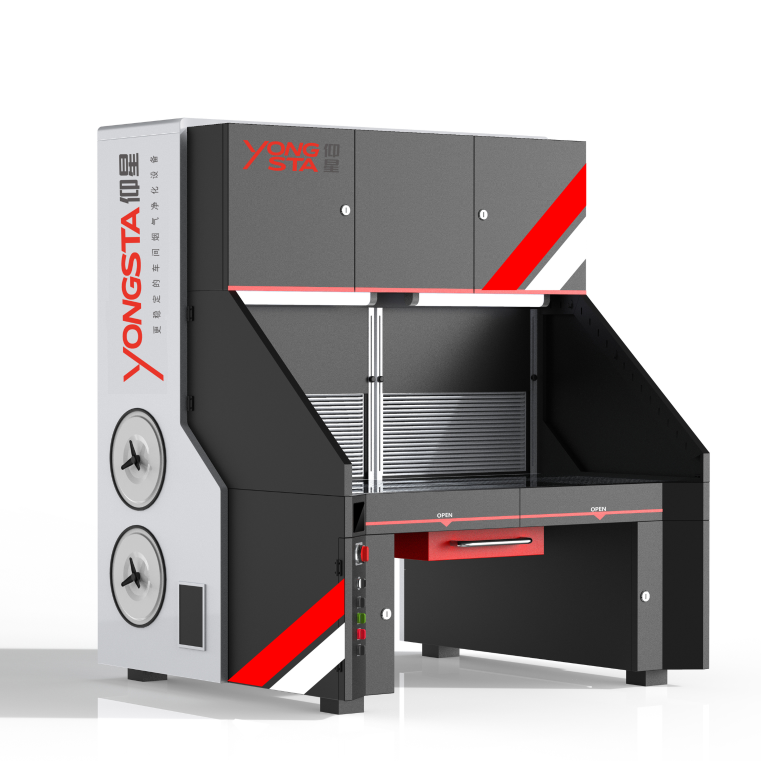
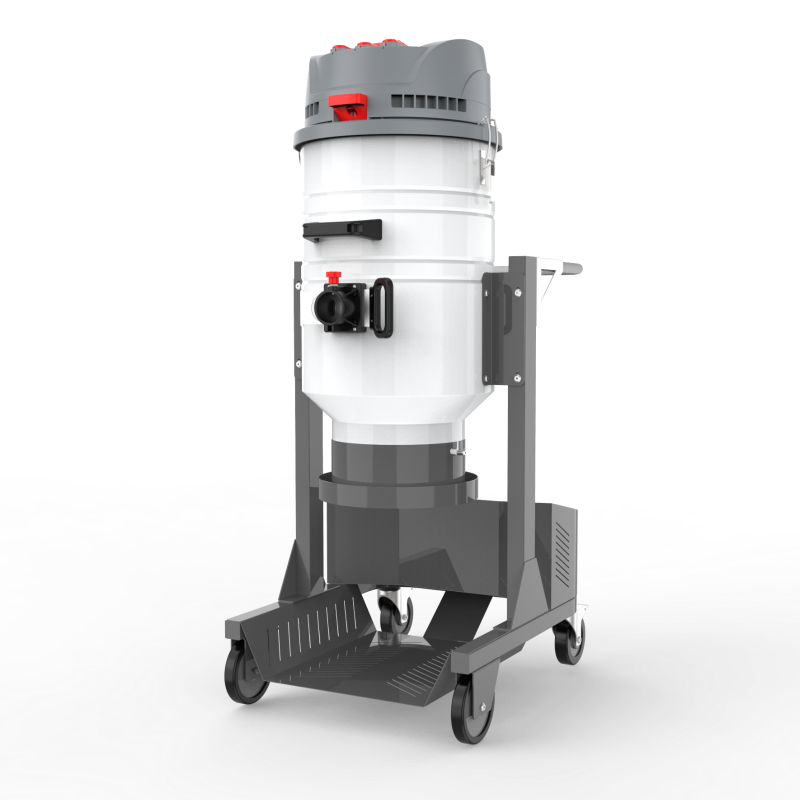
CNC machine mist extraction systems represent a critical component in modern manufacturing environments where precision machining operations generate harmful airborne contaminants. These specialized filtration systems are engineered to capture and remove oil mist, coolant vapor, and fine particulate matter produced during CNC machining processes. When cutting tools interact with workpieces at high speeds, metalworking fluids are atomized into microscopic droplets that become suspended in the air. Without proper extraction, these contaminants accumulate in the workspace, creating hazardous conditions for operators and damaging sensitive equipment. A cnc machine mist extraction unit functions by drawing contaminated air away from the machining area through strategically positioned intake points. The captured air passes through multiple filtration stages that separate oil particles, metal chips, and other debris from the airstream. Advanced systems incorporate pre-filters to catch larger particles, followed by high-efficiency coalescent filters that merge tiny oil droplets into larger masses for collection. The cleaned air is then either recirculated back into the facility or exhausted outside, depending on the system configuration and local regulations. Modern cnc machine mist extraction technology integrates seamlessly with various machining centers, lathes, grinders, and other metalworking equipment. These systems are designed to handle different production volumes and contamination levels, from small job shops running a few machines to large-scale manufacturing facilities with dozens of CNC units operating simultaneously. The extraction capacity is measured in cubic feet per minute (CFM) or cubic meters per hour, with systems ranging from compact units serving single machines to centralized installations supporting entire production floors. Key technological features include variable speed controls that adjust extraction power based on real-time machining demands, automatic filter monitoring systems that alert operators when maintenance is required, and energy-efficient motors that minimize operational costs while maintaining optimal performance throughout extended production shifts.
 ×
×




 EN
EN