Industrial Welding Fume Extraction System - Advanced Air Filtration Solutions

Get a Free Quote

Our representative will contact you soon.
Email
Name
Company Name
Message
0/1000

welding fume extraction system

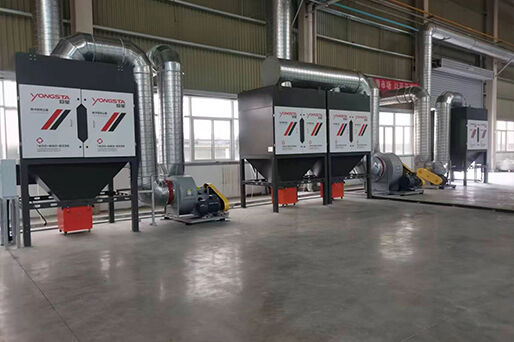
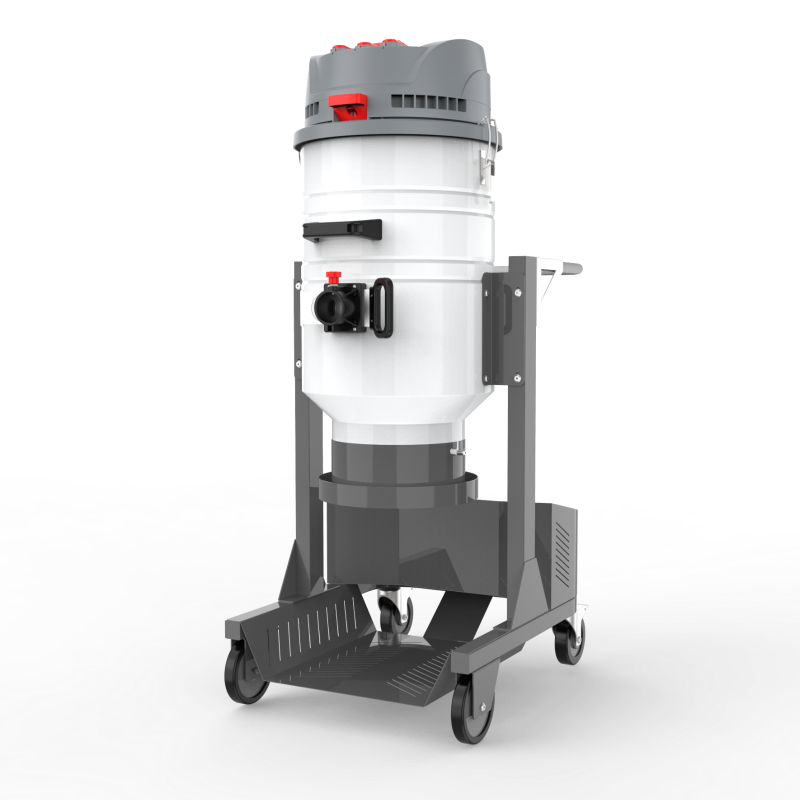
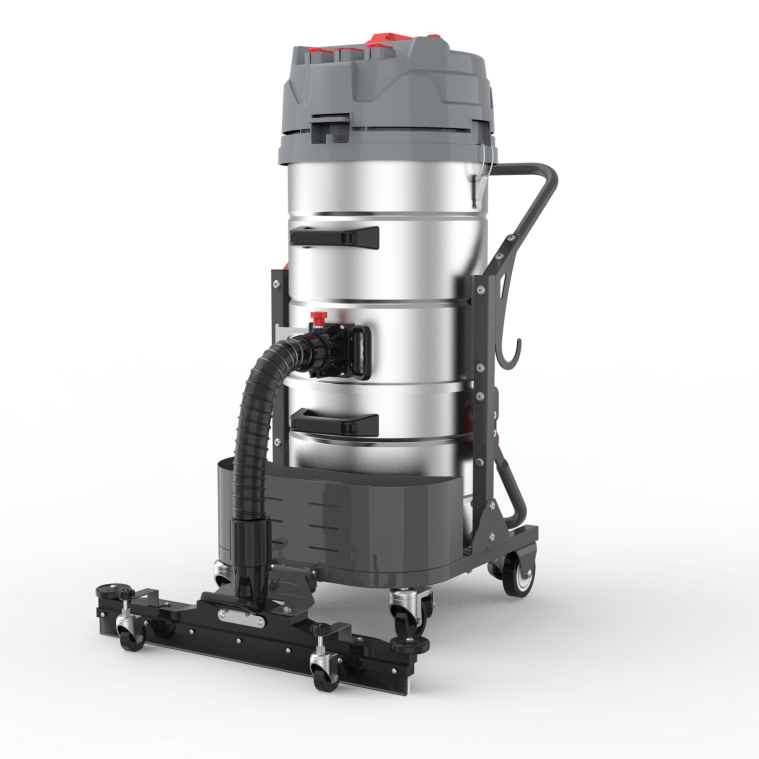
A welding fume extraction system represents a critical safety solution designed to capture and filter hazardous airborne contaminants generated during welding operations. These sophisticated systems work by drawing contaminated air away from the breathing zone of welders and other personnel, processing it through advanced filtration stages, and either recirculating clean air back into the workspace or exhausting it safely outdoors. The primary function centers on protecting worker health by removing metal fumes, gases, and particulate matter that pose serious respiratory risks. Modern welding fume extraction systems incorporate multiple technological approaches, including source capture extraction arms, ambient air filtration units, and centralized ducted systems that serve multiple workstations simultaneously. The technology features high-efficiency particulate air filters, activated carbon stages for gas removal, and spark arrestor components that prevent fire hazards. These systems monitor airflow rates continuously, alerting operators when filter replacement becomes necessary to maintain optimal performance. Applications span diverse industries from automotive manufacturing and shipbuilding to construction sites and metal fabrication shops. Small portable units serve individual welding stations, while large industrial installations protect entire production floors. The extraction efficiency depends on proper positioning of capture hoods or flexible arms near the welding arc, typically within 12 to 18 inches of the fume source. Advanced models integrate smart controls that adjust suction power based on welding activity, conserving energy during idle periods. The systems handle various welding processes including MIG, TIG, stick welding, and plasma cutting, each producing different fume characteristics requiring specific filtration approaches. Compliance with occupational safety regulations drives adoption, as workplace air quality standards become increasingly stringent worldwide. Investment in proper fume extraction technology demonstrates corporate responsibility while reducing liability exposure and insurance costs associated with occupational illness claims.

New Product Releases

Installing a welding fume extraction system delivers immediate improvements to workplace safety by removing toxic metal particles and gases before workers inhale them. Employees breathe cleaner air throughout their shifts, reducing fatigue and increasing alertness, which directly translates to higher productivity and fewer errors. The visible commitment to health protection boosts morale and helps attract skilled welders who prioritize safe working conditions. Companies experience lower absenteeism rates as respiratory complaints and related illnesses decline significantly. Medical costs decrease over time as fewer workers develop chronic conditions linked to fume exposure, creating substantial savings in healthcare expenses and workers compensation premiums. The systems also protect expensive equipment from corrosive fume deposits that accumulate on machinery, electronics, and building infrastructure, extending asset lifespan and reducing maintenance requirements. Cleaner facilities present a more professional image to clients and inspectors, supporting business development efforts and regulatory compliance. Modern extraction systems operate quietly compared to older models, minimizing noise pollution that contributes to workplace stress. Energy-efficient designs with variable speed controls reduce electricity consumption, lowering operational costs while meeting environmental sustainability goals. The flexibility of portable units allows quick reconfiguration as production layouts change, avoiding costly reinstallation expenses. Centralized systems with multiple pickup points maximize space utilization by eliminating bulky individual units at each station. Improved visibility results from reduced airborne particulates, allowing welders to see their work more clearly and produce higher quality results with fewer defects. This quality improvement reduces rework costs and material waste. The systems capture sparks and hot particles, significantly decreasing fire risks and potentially lowering insurance premiums. Automated filter monitoring prevents unexpected downtime by scheduling maintenance before performance degrades. Workers appreciate not having to wear uncomfortable respirators continuously, though personal protective equipment remains important for certain applications. The extraction technology adapts to various welding processes without requiring separate systems for different operations. Return on investment typically occurs within two to four years through combined savings in health costs, productivity gains, and reduced equipment damage. Regulatory compliance becomes straightforward with proper documentation of air quality measurements, avoiding penalties and work stoppages. The positive environmental impact extends beyond the facility as filtered air meets emission standards, supporting corporate sustainability initiatives and community relations.

Tips And Tricks

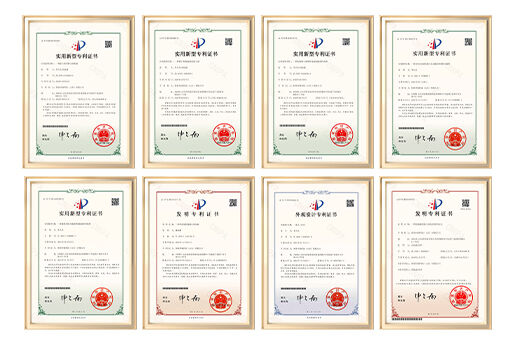
Yongsta R&D Team Wins 3 Dust Removal Technology Patents, Leading Industry Innovation

09

Apr

Yongsta R&D Team Wins 3 Dust Removal Technology Patents, Leading Industry Innovation

View More
Yongsta Cooperates with TUV for ATEX Explosion-Proof Certification, Explosion-Proof Dust Collector to Be Launched Soon

09

Apr

Yongsta Cooperates with TUV for ATEX Explosion-Proof Certification, Explosion-Proof Dust Collector to Be Launched Soon

View More
Empowering Benchmark Manufacturing! Yongsta Cartridge Dust Collector Aids Siemens Transformer China Factory's Dust Removal Renovation and Gains High Recognition

09

Apr

Empowering Benchmark Manufacturing! Yongsta Cartridge Dust Collector Aids Siemens Transformer China Factory's Dust Removal Renovation and Gains High Recognition

View More

Get a Free Quote

Our representative will contact you soon.
Email
Name
Company Name
Message
0/1000

welding fume extraction system

Advanced Multi-Stage Filtration Technology

Advanced Multi-Stage Filtration Technology

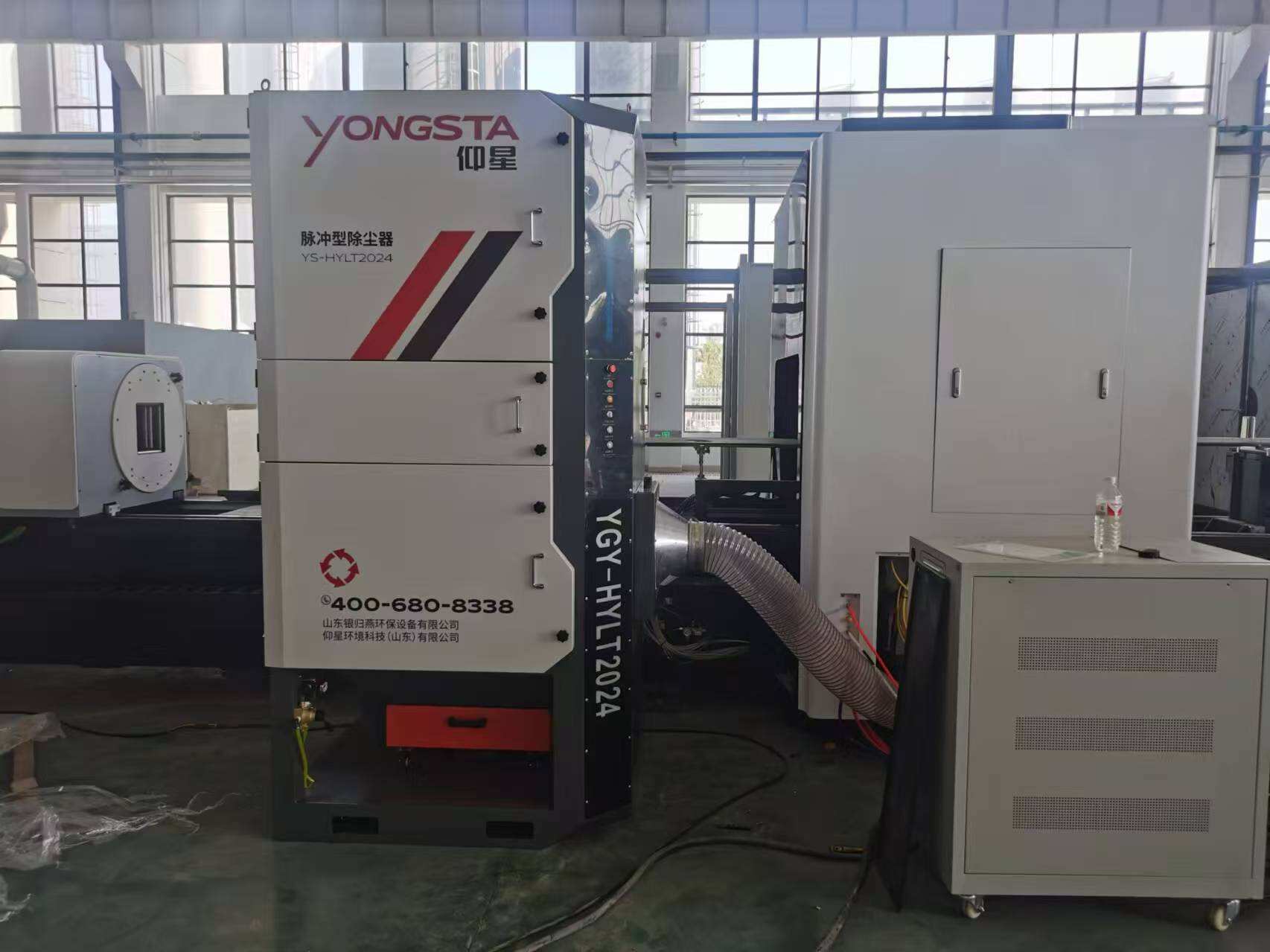
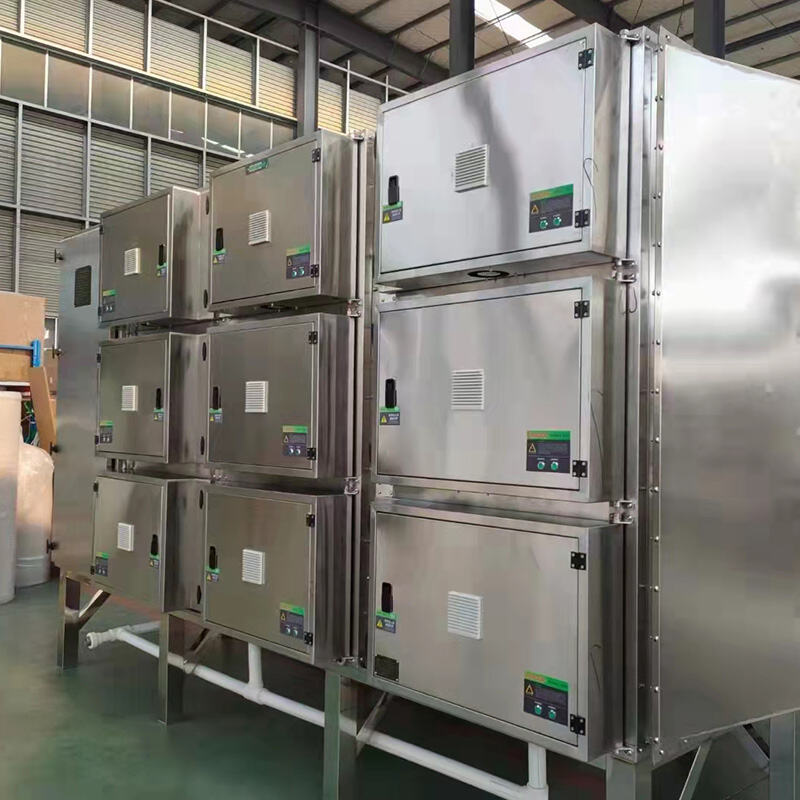
The welding fume extraction system employs sophisticated multi-stage filtration technology that addresses the complex mixture of contaminants produced during welding operations. The first stage typically consists of a spark arrestor or pre-filter that captures large particles and hot sparks, preventing them from reaching sensitive downstream components and eliminating fire hazards. This initial barrier extends the life of subsequent filters while providing critical safety protection. The second stage utilizes high-efficiency particulate air filters capable of capturing 99.97 percent of particles as small as 0.3 microns, effectively removing the fine metal oxide fumes that pose the greatest health risks. These submicron particles penetrate deep into lung tissue when inhaled, making their removal essential for worker protection. The filtration media features pleated designs that maximize surface area within compact housings, balancing efficiency with reasonable pressure drop to maintain strong airflow. Some advanced systems incorporate electrostatic precipitation technology that charges particles electrically, causing them to adhere to collection plates rather than relying solely on mechanical filtration. This approach handles very fine particles exceptionally well while requiring less frequent filter replacement. The third stage often includes activated carbon filters that adsorb gaseous contaminants such as ozone, carbon monoxide, and volatile organic compounds that mechanical filters cannot capture. Different welding processes generate varying gas profiles, and the carbon stage provides comprehensive protection across applications. Filter monitoring systems track pressure differential across each stage, providing real-time performance data and predictive maintenance alerts. This intelligence prevents unexpected failures and optimizes filter replacement timing, reducing both operational costs and environmental waste from premature disposal. The modular filter design allows quick cartridge changes without tools, minimizing downtime during maintenance. Sealed filter housings prevent contaminated air from bypassing the media during replacement procedures, maintaining continuous protection for maintenance personnel. The multi-stage approach delivers cleaner exhaust air that meets stringent environmental regulations for outdoor discharge or enables safe recirculation to conserve heated or cooled air. This flexibility provides significant energy savings in climate-controlled facilities while maintaining excellent indoor air quality throughout the workspace.
Flexible Source Capture and Ambient Air Solutions

Flexible Source Capture and Ambient Air Solutions

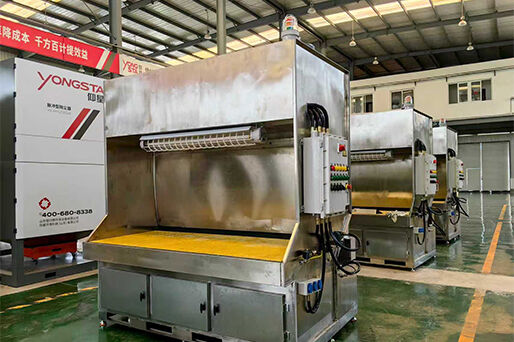
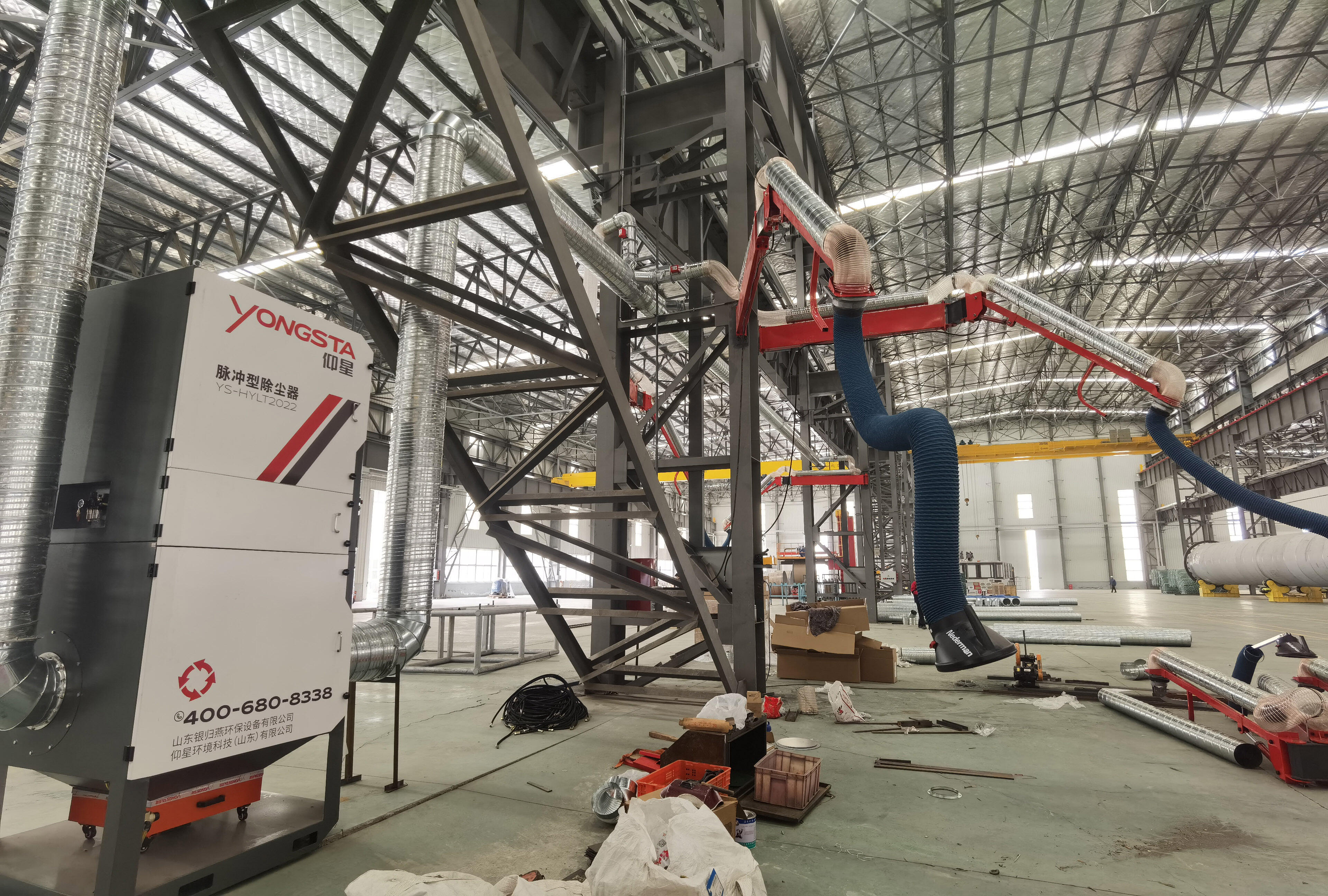
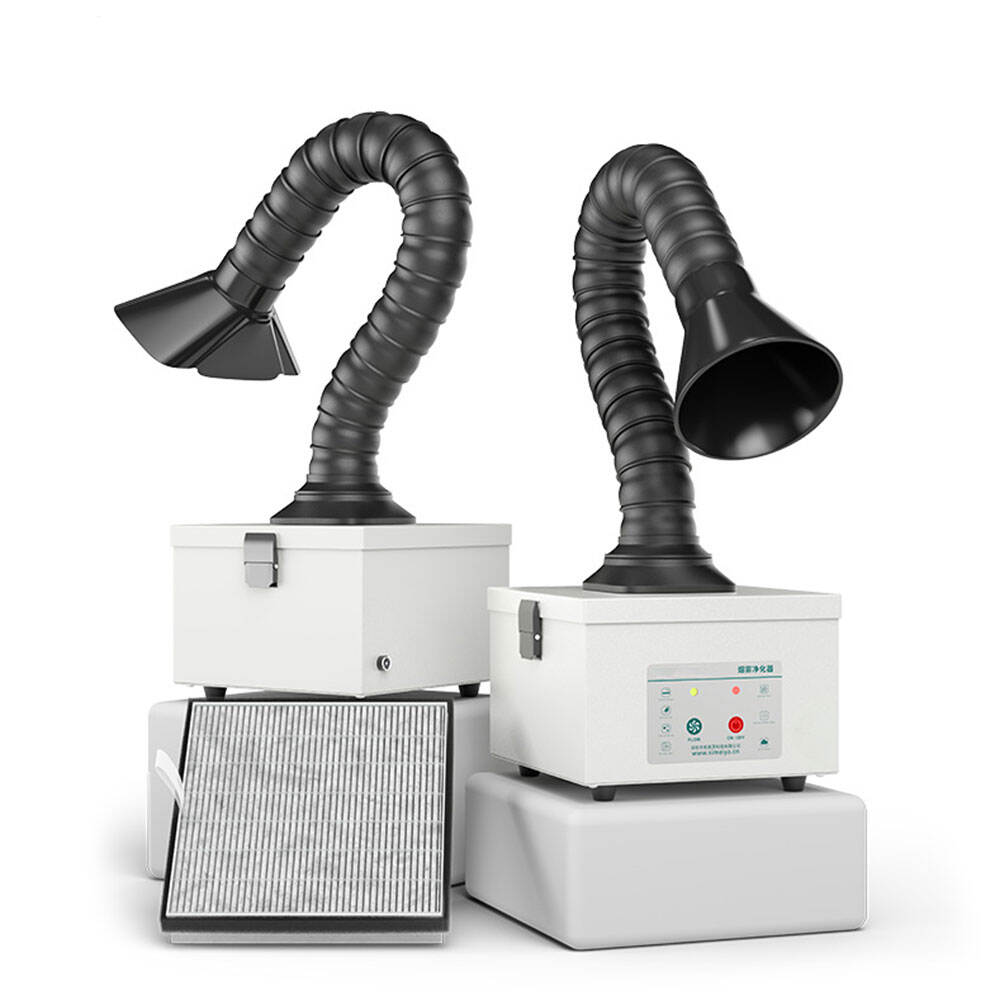
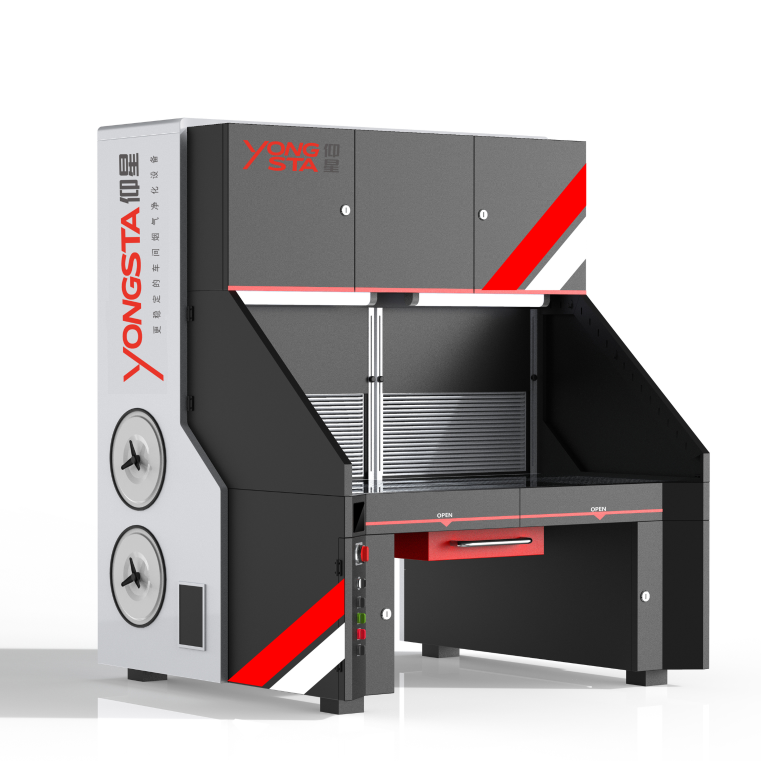
The welding fume extraction system offers versatile capture methods that adapt to diverse workspace configurations and welding applications. Source capture technology positions extraction points directly at the fume generation location, achieving maximum efficiency by removing contaminants before they disperse into the general workspace. Articulating extraction arms with diameters ranging from 4 to 8 inches extend up to 10 feet, providing welders with easy positioning without interfering with their work. These arms feature internal support structures that hold position once adjusted, eliminating the frustration of drooping or drifting that plagues inferior designs. The arm openings incorporate specially designed hoods that create optimal capture velocity patterns, drawing fumes efficiently without requiring excessive airflow that would disturb the welding arc or waste energy. Magnetic bases allow quick repositioning of portable extraction units as work moves around the shop, while overhead boom systems serve fixed welding stations with greater reach and capacity. For applications where source capture proves impractical, such as large weldments or robotic welding cells, ambient air filtration units provide whole-room protection. These high-volume systems continuously circulate and filter the entire workspace air, typically achieving 6 to 10 air changes per hour depending on ceiling height and contamination levels. The ambient approach works particularly well in facilities with multiple welding stations operating simultaneously or where work pieces move frequently. Combination systems integrate both source capture for primary protection and ambient filtration for background cleaning, delivering comprehensive coverage that addresses both concentrated fume plumes and general dispersion. The extraction system accommodates various welding processes including metal inert gas, tungsten inert gas, shielded metal arc, flux-cored arc, and plasma cutting, each producing different fume characteristics. Adjustable airflow controls allow operators to match suction power to the specific process, preventing excessive draw that could affect shielding gas coverage while ensuring adequate capture of heavier fume production. Downdraft tables provide another capture option for smaller parts, pulling fumes downward through a perforated work surface into filters below. This approach keeps fumes away from the breathing zone while providing a stable work platform. The flexibility extends to installation options, with systems available as portable units on casters, wall-mounted configurations, or centralized ducted networks serving multiple stations. This adaptability ensures optimal solutions for job shops with changing layouts, production lines with fixed stations, and everything in between, maximizing protection while respecting operational requirements and budget constraints.

Smart Controls and Energy Efficiency Features

Smart Controls and Energy Efficiency Features

The welding fume extraction system incorporates intelligent control technology that optimizes performance while minimizing energy consumption and operational costs. Automatic start-stop functionality detects welding activity through arc sensing or manual activation switches, powering the extraction fan only when needed rather than running continuously. This demand-based operation reduces electricity usage by 40 to 60 percent compared to constant-speed systems, delivering substantial savings over the equipment lifespan. Variable frequency drives adjust motor speed dynamically based on actual airflow requirements, further enhancing efficiency by avoiding the energy waste inherent in fixed-speed designs running against dampers or restrictions. The controls maintain consistent capture velocity at the hood opening despite filter loading, automatically increasing fan speed as filters accumulate particulates and resistance rises. This compensation ensures continuous protection without requiring manual adjustments as filters age. Integrated pressure sensors monitor differential pressure across each filter stage, providing precise data on filter condition and remaining service life. The system displays this information on intuitive control panels or transmits it to facility management systems for centralized monitoring. Predictive maintenance algorithms analyze pressure trends to forecast filter replacement timing, enabling proactive scheduling that prevents unexpected downtime. Some advanced models include remote monitoring capabilities that alert maintenance personnel via email or text message when attention becomes necessary, supporting lean maintenance practices. The smart controls also provide usage data logging that documents system operation for regulatory compliance reporting and internal performance analysis. Energy monitoring features track electricity consumption, helping facilities identify optimization opportunities and calculate actual operating costs. Programmable schedules allow automatic system shutdown during non-production hours, preventing unnecessary operation while ensuring readiness when shifts begin. The controls integrate with building automation systems through standard protocols, enabling coordinated operation with HVAC equipment, lighting, and other facility systems. Heat recovery options capture thermal energy from extracted air before filtration, pre-heating incoming fresh air during cold weather to reduce heating costs. This heat reclamation proves particularly valuable in northern climates where makeup air heating represents a major expense. The combination of smart controls and energy-efficient components typically reduces operating costs by 50 percent or more compared to older extraction technology, accelerating return on investment while supporting corporate sustainability initiatives and reducing environmental impact through lower energy consumption and carbon emissions.

Get a Free Quote

Our representative will contact you soon.
Email
Name
Company Name
Message
0/1000
email goToTop