Professional Welding Smoke Filtration Systems - Industrial Fume Extraction Solutions

Get a Free Quote

Our representative will contact you soon.
Email
Name
Company Name
Message
0/1000

welding smoke filtration system

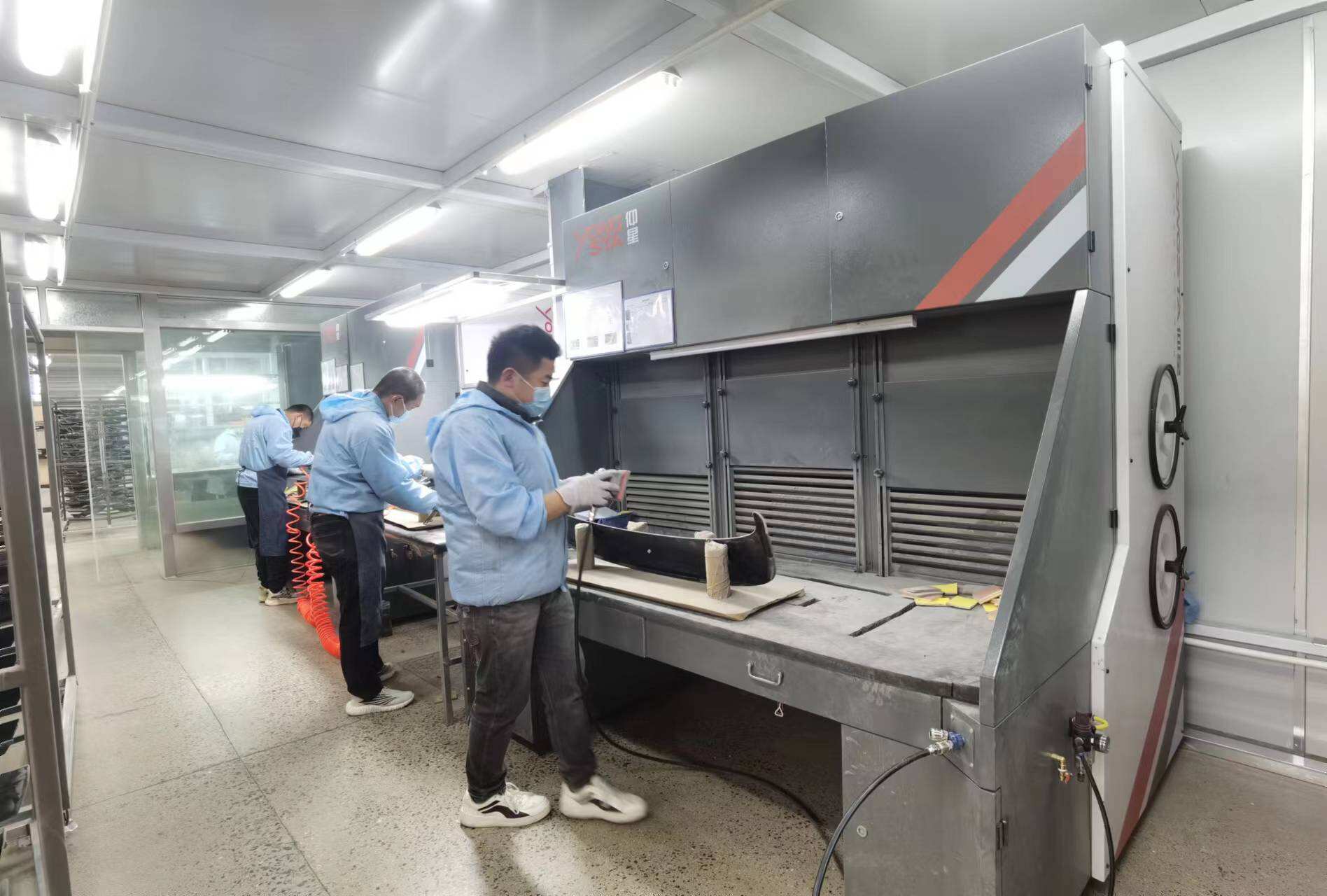
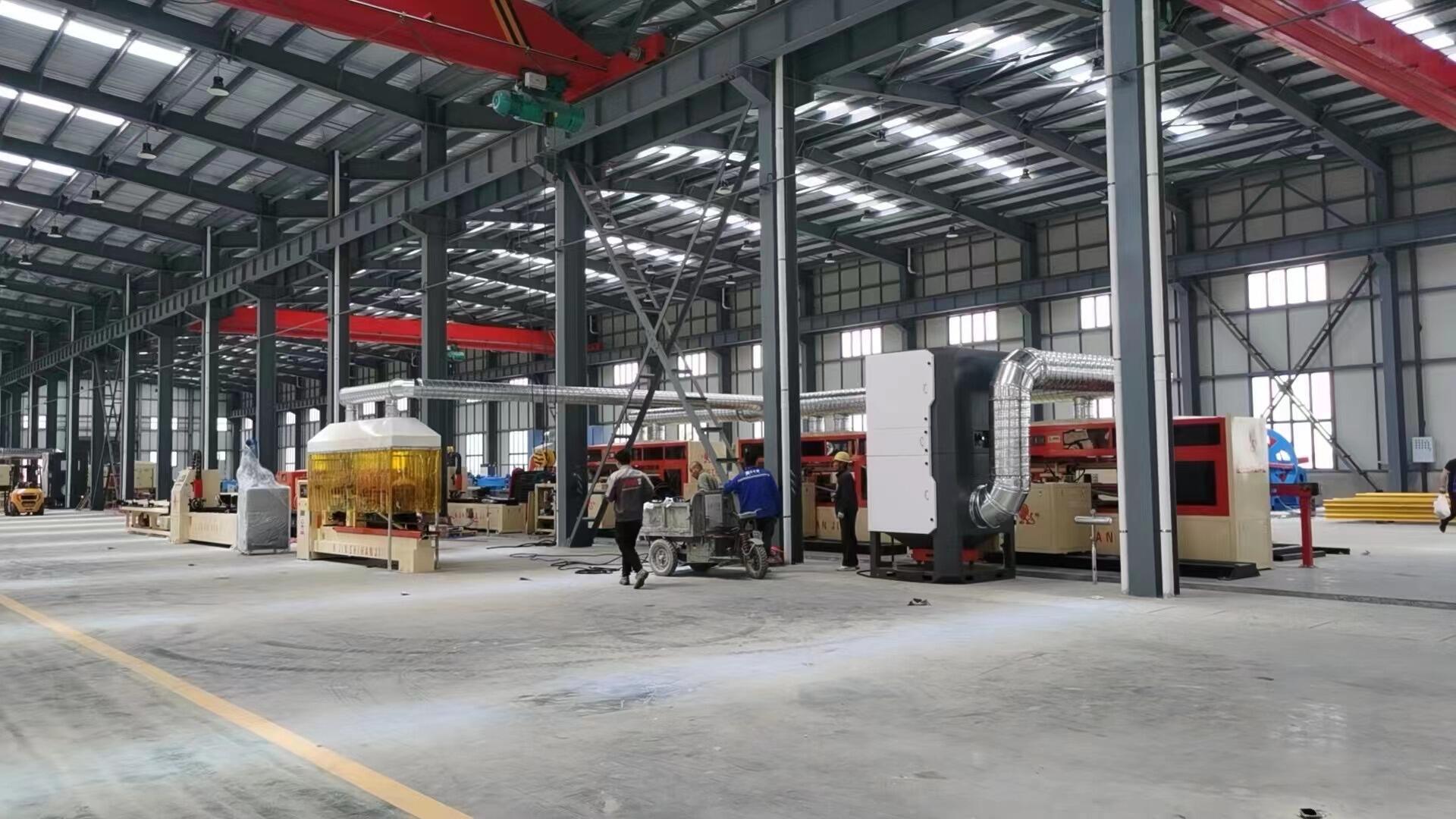
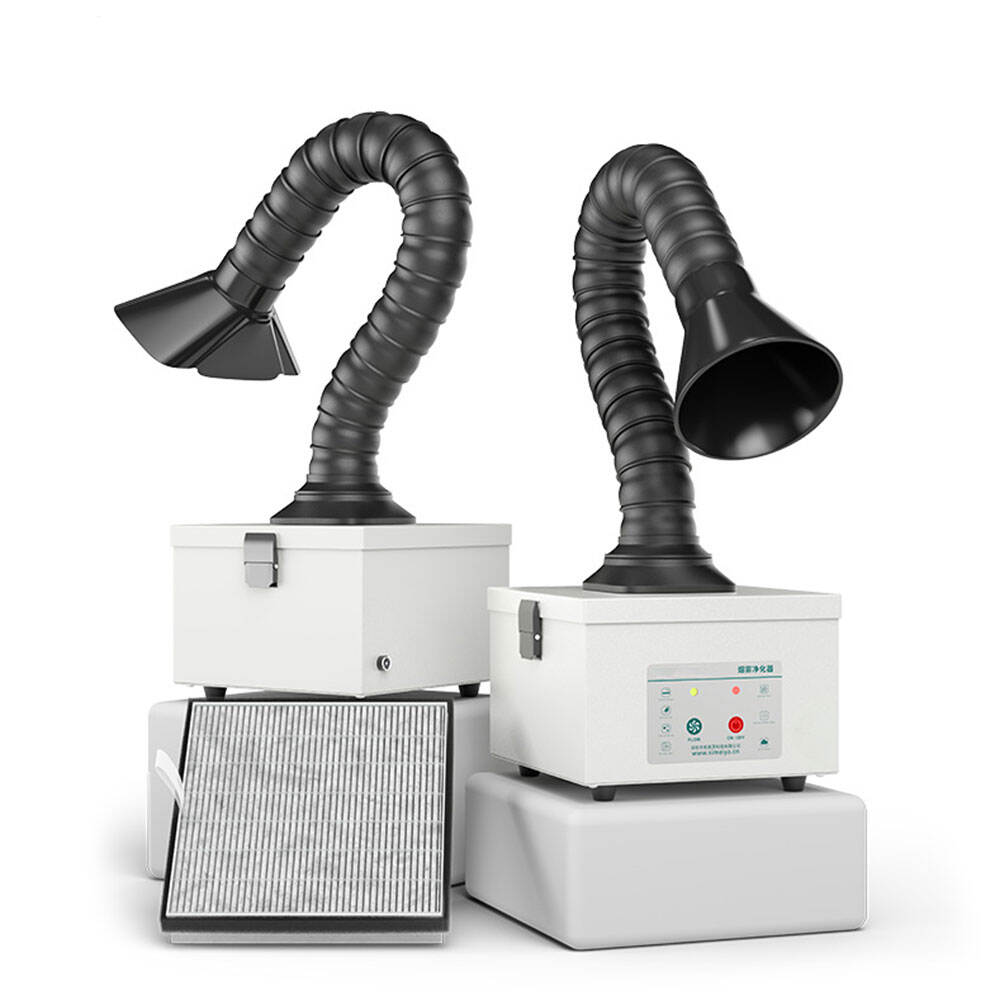
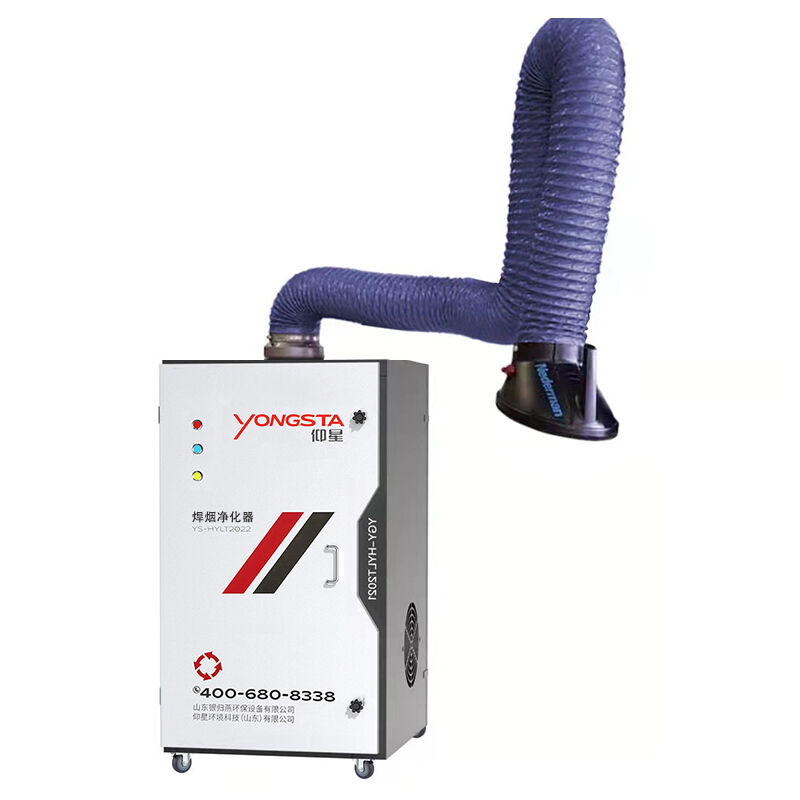
A welding smoke filtration system represents an essential industrial solution designed to capture, filter, and remove hazardous fumes and particulates generated during welding operations. These sophisticated systems protect workers from exposure to toxic metal fumes, gases, and fine particles that are released when metals are heated to extreme temperatures. The primary function of a welding smoke filtration system involves extracting contaminated air directly from the welding zone, processing it through multiple filtration stages, and returning clean air to the workspace or exhausting it safely outdoors. Modern welding smoke filtration systems incorporate advanced technologies including high-efficiency particulate air filters, activated carbon layers, and spark arrestor mechanisms that work together to eliminate up to 99.9 percent of harmful contaminants. These systems are engineered with powerful extraction fans that create sufficient negative pressure to capture smoke at its source, preventing it from dispersing throughout the facility. The technological features of contemporary welding smoke filtration systems include variable speed controls that allow operators to adjust suction power based on welding intensity, automatic filter monitoring systems that alert users when maintenance is required, and modular designs that enable easy filter replacement without specialized tools. Many units feature flexible extraction arms with magnetic bases or articulating joints that position precisely at the welding point, ensuring maximum capture efficiency. Applications for welding smoke filtration systems span numerous industries including automotive manufacturing, shipbuilding, metal fabrication shops, construction sites, aerospace production facilities, and maintenance workshops. These systems accommodate various welding processes such as MIG welding, TIG welding, arc welding, and plasma cutting operations. Whether deployed as portable single-operator units, centralized multi-station systems, or integrated robotic welding cell solutions, welding smoke filtration systems provide critical health protection while maintaining regulatory compliance with occupational safety standards established by organizations worldwide.

Popular Products

Implementing a welding smoke filtration system delivers substantial benefits that directly impact your bottom line and workforce wellbeing. First and foremost, these systems dramatically improve air quality in your facility by removing dangerous metal fumes before workers inhale them. When welders breathe cleaner air, they experience fewer respiratory problems, reduced eye irritation, and lower risks of developing serious long-term health conditions. This translates to fewer sick days, lower healthcare costs, and a more productive team that can focus on quality work rather than dealing with discomfort. Your company also gains protection from potential liability issues and costly fines associated with failing to meet workplace safety regulations. Regulatory agencies require employers to maintain air quality standards, and a welding smoke filtration system provides documented proof of your commitment to compliance. Beyond health and legal advantages, these systems create a more pleasant working environment that helps you attract and retain skilled welders in a competitive labor market. Talented professionals prefer working in facilities that prioritize their safety and comfort. The visibility improvements alone make a noticeable difference, as removing smoke from the air allows welders to see their work more clearly, resulting in higher quality welds, fewer mistakes, and less rework. This precision directly reduces material waste and improves project timelines. Energy efficiency represents another practical advantage, particularly with modern welding smoke filtration systems that recirculate filtered air back into the workspace rather than exhausting it outdoors. During winter months, you avoid heating fresh replacement air, and in summer, you retain cooled air, leading to significant reductions in heating and cooling expenses. The systems also protect expensive equipment and machinery from accumulating harmful residue that can cause premature wear and malfunction. Smoke and particulates that settle on surfaces create maintenance headaches and shorten equipment lifespan, but proper filtration prevents this buildup. Installation flexibility means you can choose between portable units that move with your work or permanent installations that serve multiple workstations, adapting the solution to your specific operational needs. Modern welding smoke filtration systems operate quietly enough to avoid disrupting communication between team members, and their compact designs maximize usable floor space in your facility. The return on investment becomes evident quickly when you calculate the combined savings from reduced health incidents, lower energy bills, decreased equipment maintenance, improved productivity, and enhanced product quality that these systems deliver consistently.

Tips And Tricks

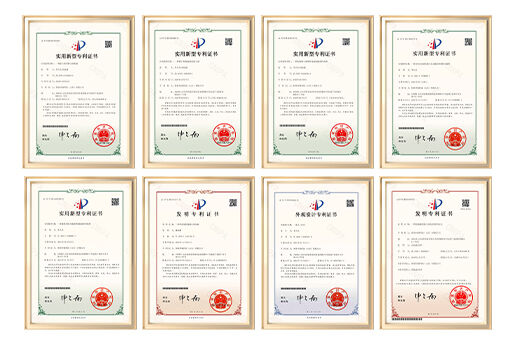
Yongsta R&D Team Wins 3 Dust Removal Technology Patents, Leading Industry Innovation

09

Apr

Yongsta R&D Team Wins 3 Dust Removal Technology Patents, Leading Industry Innovation

View More
Yongsta Cooperates with TUV for ATEX Explosion-Proof Certification, Explosion-Proof Dust Collector to Be Launched Soon

09

Apr

Yongsta Cooperates with TUV for ATEX Explosion-Proof Certification, Explosion-Proof Dust Collector to Be Launched Soon

View More
Empowering Benchmark Manufacturing! Yongsta Cartridge Dust Collector Aids Siemens Transformer China Factory's Dust Removal Renovation and Gains High Recognition

09

Apr

Empowering Benchmark Manufacturing! Yongsta Cartridge Dust Collector Aids Siemens Transformer China Factory's Dust Removal Renovation and Gains High Recognition

View More

Get a Free Quote

Our representative will contact you soon.
Email
Name
Company Name
Message
0/1000

welding smoke filtration system

Advanced Multi-Stage Filtration Technology Ensures Maximum Contaminant Removal

Advanced Multi-Stage Filtration Technology Ensures Maximum Contaminant Removal

The core strength of any welding smoke filtration system lies in its sophisticated multi-stage filtration technology that systematically removes different types and sizes of contaminants from the air. Understanding how this technology works helps you appreciate the comprehensive protection it provides. The filtration process begins with a pre-filter stage that captures larger particles and sparks, preventing them from damaging downstream filter components and extending the overall system lifespan. This initial barrier traps metal splatter, slag particles, and other coarse debris that would otherwise clog finer filters prematurely. Following the pre-filter, the air stream passes through the primary high-efficiency particulate air filter, which represents the heart of the welding smoke filtration system. These specialized filters capture microscopic particles as small as 0.3 microns with efficiency ratings exceeding 99.97 percent, effectively removing the dangerous metal fumes that pose the greatest health risks to welders. Different metals produce different fume compositions when heated, including iron oxide, manganese, chromium, nickel, and zinc compounds, all of which the primary filter traps before they can enter workers' lungs. Many advanced welding smoke filtration systems incorporate an additional activated carbon filter stage that addresses gaseous contaminants and odors that particulate filters cannot capture. Welding processes generate various gases including ozone, carbon monoxide, and nitrogen oxides, which the activated carbon chemically absorbs through its vast surface area. This chemical filtration complements the mechanical filtration of particulates, providing comprehensive air cleaning. The final stage often includes an after-filter that captures any remaining fine particles and protects the extraction fan from contamination, ensuring consistent airflow performance throughout the filter's service life. Modern welding smoke filtration systems feature intelligent filter monitoring technology that tracks pressure differential across filter stages, automatically alerting operators when filters approach saturation and require replacement. This prevents the common problem of operating with clogged filters that reduce capture efficiency and allow contaminants to escape. The modular filter design in quality systems enables quick replacement without tools or technical expertise, minimizing downtime and maintenance costs while ensuring your welding smoke filtration system maintains peak performance continuously.
Flexible Extraction Solutions Adapt to Diverse Welding Environments and Processes

Flexible Extraction Solutions Adapt to Diverse Welding Environments and Processes

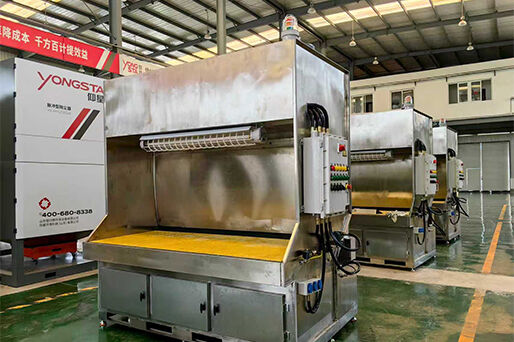
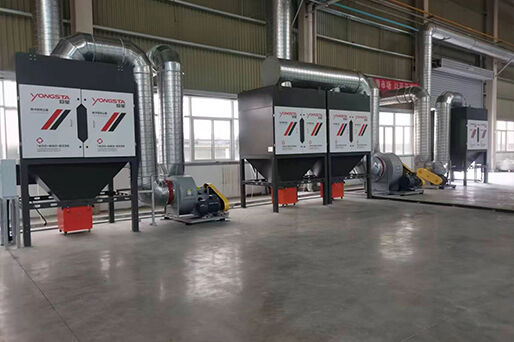
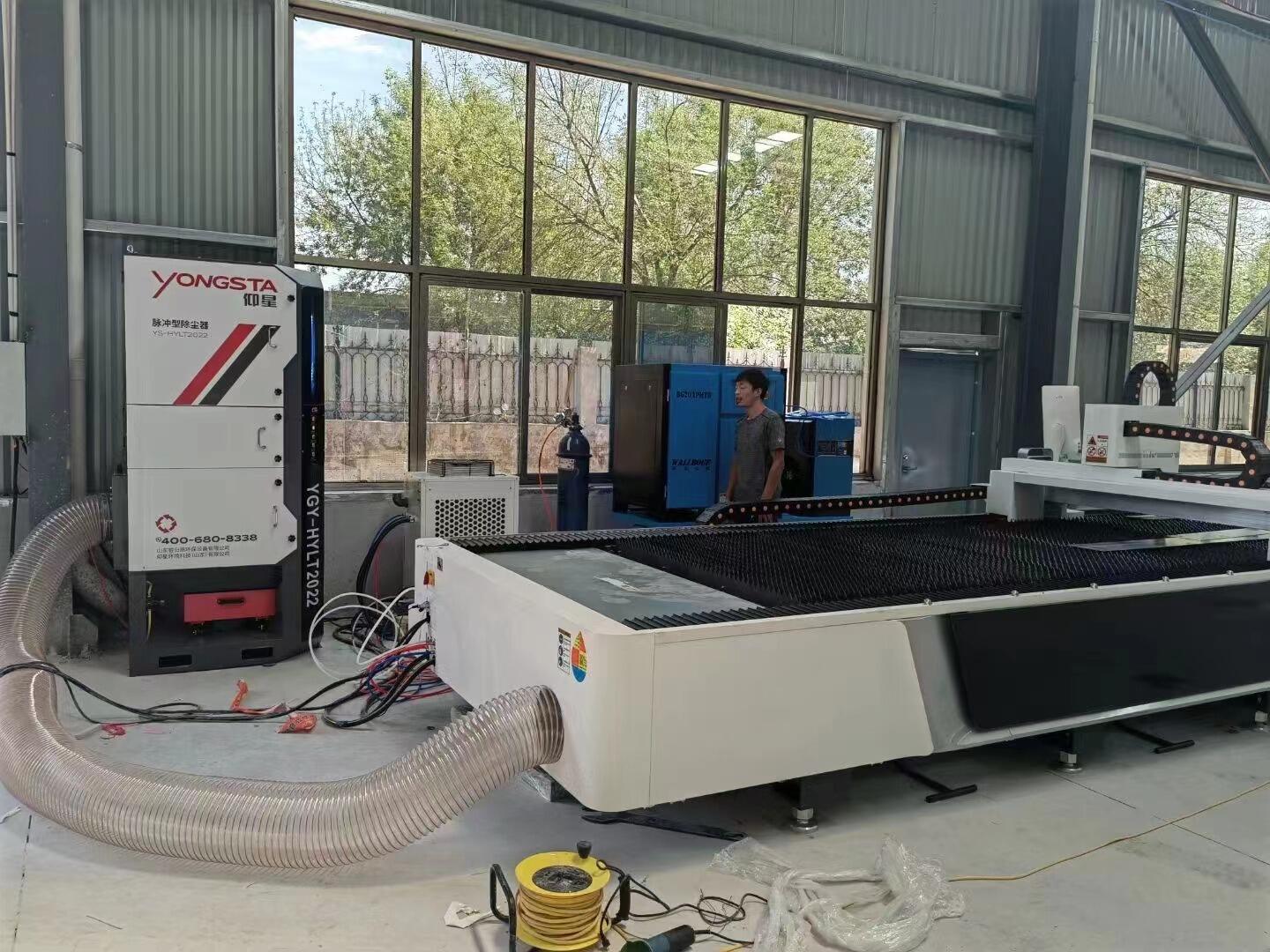
One of the most valuable aspects of modern welding smoke filtration systems is their remarkable adaptability to different workplace configurations, welding techniques, and operational requirements. This flexibility ensures that whether you operate a small custom fabrication shop or a large-scale manufacturing facility, you can implement an effective solution tailored to your specific needs. Portable welding smoke filtration systems offer maximum versatility for operations where welding locations change frequently or where multiple small projects occur simultaneously in different areas. These mobile units feature sturdy casters that allow workers to position the system exactly where needed, and their compact footprint means they fit into tight spaces without obstructing workflow. The extraction arms on these portable systems typically extend several feet and incorporate flexible joints that hold position once adjusted, allowing welders to direct suction precisely at the welding arc where smoke generation is most concentrated. For facilities with dedicated welding stations, stationary welding smoke filtration systems provide powerful centralized extraction that can serve multiple workstations simultaneously through a network of ductwork and individual capture hoods. These permanent installations deliver higher airflow volumes and can handle the continuous heavy-duty demands of production welding environments. The systems integrate seamlessly with existing facility infrastructure, and their larger filter capacities mean less frequent maintenance intervals compared to portable units. Robotic welding cells benefit from specialized welding smoke filtration systems designed to work in automated environments, with extraction points positioned strategically around the robotic work envelope to capture fumes regardless of the robot's position. These systems often incorporate programmable controls that synchronize extraction power with the welding cycle, maximizing efficiency by operating at full capacity only when welding occurs. For outdoor construction sites or field welding applications, ruggedized portable welding smoke filtration systems withstand harsh environmental conditions while providing the same level of protection as indoor units. The extraction technology adapts to various welding processes including different amperage levels, material types, and welding techniques, with adjustable suction power that operators can increase for heavy smoke generation or decrease for lighter applications to conserve energy and reduce noise. This adaptability extends to the physical configuration, as many welding smoke filtration systems offer optional accessories like extended reach arms, magnetic mounting bases, overhead boom systems, and backdraft tables that integrate extraction directly into the work surface, ensuring you can configure the perfect solution for your unique operational requirements.
Cost-Effective Operation Delivers Long-Term Value Through Energy Efficiency and Durability

Cost-Effective Operation Delivers Long-Term Value Through Energy Efficiency and Durability

Investing in a quality welding smoke filtration system represents a strategic financial decision that generates ongoing returns through reduced operational costs, extended equipment longevity, and improved workplace productivity. Understanding the economic advantages helps justify the initial investment and demonstrates why these systems pay for themselves over time. Energy consumption represents a significant ongoing expense for any industrial equipment, and modern welding smoke filtration systems incorporate energy-efficient motors and intelligent controls that minimize power usage without compromising performance. Variable frequency drives allow the system to operate at lower speeds during light welding activities, consuming less electricity while still maintaining adequate capture velocity. When welding intensity increases, the system automatically ramps up to full power, ensuring consistent protection regardless of workload variations. This intelligent power management can reduce energy costs by thirty to fifty percent compared to systems that operate at constant maximum speed. The recirculation capability of many welding smoke filtration systems provides additional energy savings by returning filtered air to the workspace rather than exhausting it outdoors. In climate-controlled facilities, this feature prevents the loss of heated or cooled air, dramatically reducing HVAC expenses throughout the year. During winter months, exhausting contaminated air outdoors forces heating systems to work harder to warm incoming replacement air, while in summer, air conditioning must cool the incoming air, both scenarios creating unnecessary energy waste that recirculating systems eliminate. Durability and build quality directly impact long-term value, and professional-grade welding smoke filtration systems feature robust construction with heavy-duty steel housings, industrial-grade motors rated for continuous operation, and corrosion-resistant components that withstand the harsh particulates and chemical exposure inherent in welding environments. These systems routinely operate for ten to fifteen years with proper maintenance, providing reliable service that avoids the frequent replacement costs associated with cheaper alternatives. The filter longevity in well-designed welding smoke filtration systems also contributes to cost-effectiveness, as high-quality filters with greater surface area and optimal pleating capture more contaminants before requiring replacement. Some systems feature filter cleaning mechanisms that extend service intervals even further by periodically dislodging accumulated particles back into collection containers. Maintenance simplicity reduces labor costs, with tool-free filter access panels and clear visual indicators that show exactly when service is needed, eliminating guesswork and preventing premature filter replacement. The productivity gains from improved visibility, reduced health incidents, and better working conditions create additional financial value that compounds over time, making a welding smoke filtration system one of the most cost-effective investments you can make in your welding operation.

Get a Free Quote

Our representative will contact you soon.
Email
Name
Company Name
Message
0/1000
email goToTop