Industrial Welding Filtration Systems - Advanced Fume Extraction and Air Quality Solutions

Get a Free Quote

Our representative will contact you soon.
Email
Name
Company Name
Message
0/1000

welding filtration systems

Welding filtration systems represent a critical safety solution designed to protect workers and maintain clean air quality in industrial environments where welding operations take place. These specialized systems capture and filter harmful fumes, smoke, particulates, and gases generated during various welding processes including MIG, TIG, stick welding, and plasma cutting. The primary function of welding filtration systems centers on removing hazardous airborne contaminants before they can be inhaled by workers or spread throughout the facility. Modern welding filtration systems incorporate advanced multi-stage filtration technology that typically includes pre-filters to capture larger particles, HEPA filters for fine particulate matter, and activated carbon filters to absorb toxic gases and odors. The technological features of these systems have evolved significantly, now offering smart monitoring capabilities, automatic filter change indicators, variable speed controls, and energy-efficient motors that reduce operational costs. These systems can be configured as portable units for flexibility in smaller workshops, stationary installations for dedicated welding bays, or centralized ducted systems for large-scale manufacturing facilities. Applications span across automotive manufacturing, shipbuilding, construction, metal fabrication shops, maintenance and repair operations, and any industrial setting where welding activities occur regularly. The versatility of welding filtration systems allows them to handle different welding methods and materials, from aluminum and stainless steel to exotic alloys. By implementing proper welding filtration systems, facilities demonstrate compliance with occupational health and safety regulations while creating a healthier work environment. These systems also contribute to improved visibility in the workspace by removing smoke and haze, which enhances precision and reduces errors during welding operations. The investment in quality welding filtration systems pays dividends through reduced worker sick days, lower insurance premiums, improved employee morale, and enhanced productivity across welding operations.

Popular Products

Installing welding filtration systems in your facility delivers immediate and long-term benefits that directly impact your bottom line and workforce wellbeing. First and foremost, these systems protect your employees from breathing dangerous welding fumes that contain metal oxides, fluorides, and other toxic compounds that can cause serious respiratory problems, metal fume fever, and long-term health conditions. When workers breathe cleaner air, they experience fewer headaches, less fatigue, and better overall health, which translates to reduced absenteeism and higher productivity throughout your operation. Your facility gains better air quality that extends beyond the welding area, preventing contamination of adjacent workspaces and protecting all personnel in the building. Welding filtration systems help you meet OSHA requirements and other regulatory standards, avoiding costly fines, legal issues, and potential shutdowns that result from non-compliance. The improved visibility that comes from removing smoke and haze allows welders to see their work more clearly, leading to higher quality welds, fewer defects, and less rework that wastes time and materials. These systems operate quietly compared to older ventilation methods, creating a more comfortable working environment that helps with employee retention and recruitment. Modern welding filtration systems feature energy-efficient designs that consume less power than traditional exhaust systems, lowering your utility bills while still providing superior air cleaning performance. The modular nature of current welding filtration systems means you can start with a basic setup and expand as your operations grow, protecting your initial investment and providing scalability. Maintenance has become simpler with indicator lights and alarms that tell you exactly when filters need changing, eliminating guesswork and preventing system failures. Your insurance costs may decrease when you demonstrate proactive safety measures through proper welding filtration systems, as insurers recognize the reduced risk of worker compensation claims. The professional appearance of a clean, smoke-free facility impresses clients and customers who visit your operation, enhancing your company reputation and potentially winning new business. Equipment and machinery throughout your facility stay cleaner when welding filtration systems capture particulates before they settle on surfaces, reducing maintenance needs and extending the life of expensive tools and electronics. By investing in welding filtration systems, you show your workforce that you value their health and safety, which builds loyalty, improves morale, and creates a positive workplace culture that attracts skilled welders in a competitive labor market.

Tips And Tricks

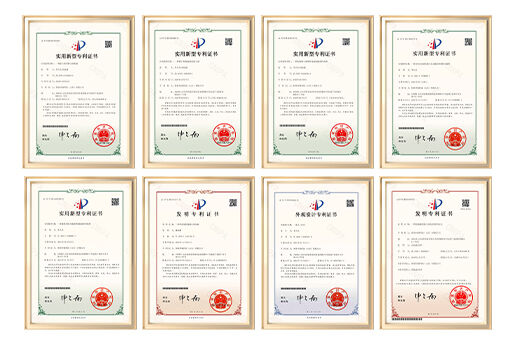
Yongsta R&D Team Wins 3 Dust Removal Technology Patents, Leading Industry Innovation

09

Apr

Yongsta R&D Team Wins 3 Dust Removal Technology Patents, Leading Industry Innovation

View More
Yongsta Cooperates with TUV for ATEX Explosion-Proof Certification, Explosion-Proof Dust Collector to Be Launched Soon

09

Apr

Yongsta Cooperates with TUV for ATEX Explosion-Proof Certification, Explosion-Proof Dust Collector to Be Launched Soon

View More
Empowering Benchmark Manufacturing! Yongsta Cartridge Dust Collector Aids Siemens Transformer China Factory's Dust Removal Renovation and Gains High Recognition

09

Apr

Empowering Benchmark Manufacturing! Yongsta Cartridge Dust Collector Aids Siemens Transformer China Factory's Dust Removal Renovation and Gains High Recognition

View More

Get a Free Quote

Our representative will contact you soon.
Email
Name
Company Name
Message
0/1000

welding filtration systems

Advanced Multi-Stage Filtration Technology Ensures Maximum Contaminant Removal

Advanced Multi-Stage Filtration Technology Ensures Maximum Contaminant Removal

The cornerstone of effective welding filtration systems lies in their sophisticated multi-stage filtration approach that systematically removes different types and sizes of contaminants from the air. This layered defense strategy begins with a pre-filter stage that captures the largest particles and welding spatter, protecting the more delicate downstream filters from premature clogging and extending the overall system lifespan. The pre-filter typically consists of a metal mesh or synthetic media that can be cleaned and reused multiple times, reducing ongoing operational costs. Following the pre-filter, welding filtration systems employ high-efficiency particulate air filters, commonly known as HEPA filters, which represent the gold standard in fine particle removal. These HEPA filters capture 99.97 percent of particles as small as 0.3 microns, including the dangerous submicron particles that penetrate deep into lung tissue and cause the most serious health problems. The welding process generates a complex mixture of particle sizes, and only HEPA-grade filtration in welding filtration systems can effectively remove the entire spectrum of hazardous particulates. Beyond particle removal, the third stage incorporates activated carbon filters or chemical filters specifically designed to adsorb toxic gases, volatile organic compounds, and odors that escape particle filtration. Welding on coated metals, galvanized steel, or painted surfaces releases harmful gases that require chemical filtration for complete protection. The activated carbon used in quality welding filtration systems features a massive surface area with millions of tiny pores that trap gas molecules through adsorption, preventing them from recirculating into the workspace. Some advanced welding filtration systems include optional specialty filters for specific applications, such as oil mist filters for operations that combine welding with machining, or spark arrestor filters for processes that generate significant sparks. The filter media used in modern welding filtration systems undergoes rigorous testing and certification to ensure it meets or exceeds industry standards for efficiency and durability. Smart welding filtration systems now incorporate pressure differential sensors that continuously monitor filter loading and alert operators when filters approach capacity, ensuring optimal performance and preventing breakthrough of contaminants. This intelligent monitoring eliminates the old practice of changing filters on arbitrary schedules, instead replacing them based on actual usage and condition, which optimizes filter life and reduces waste.
Flexible Configuration Options Adapt to Any Workspace and Welding Application

Flexible Configuration Options Adapt to Any Workspace and Welding Application

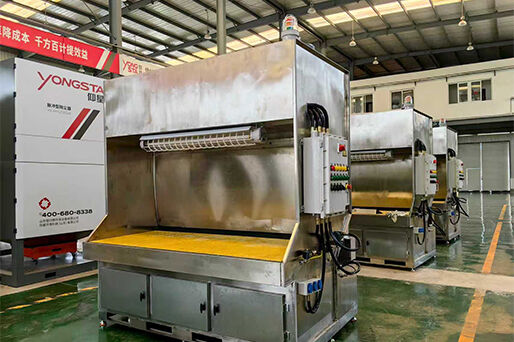
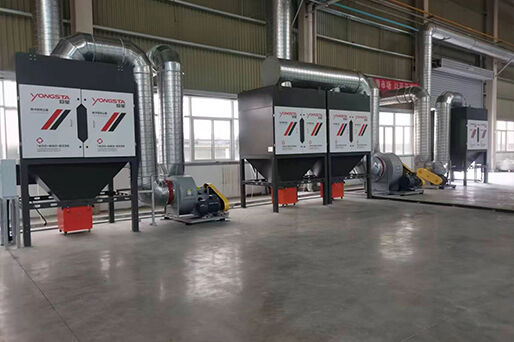
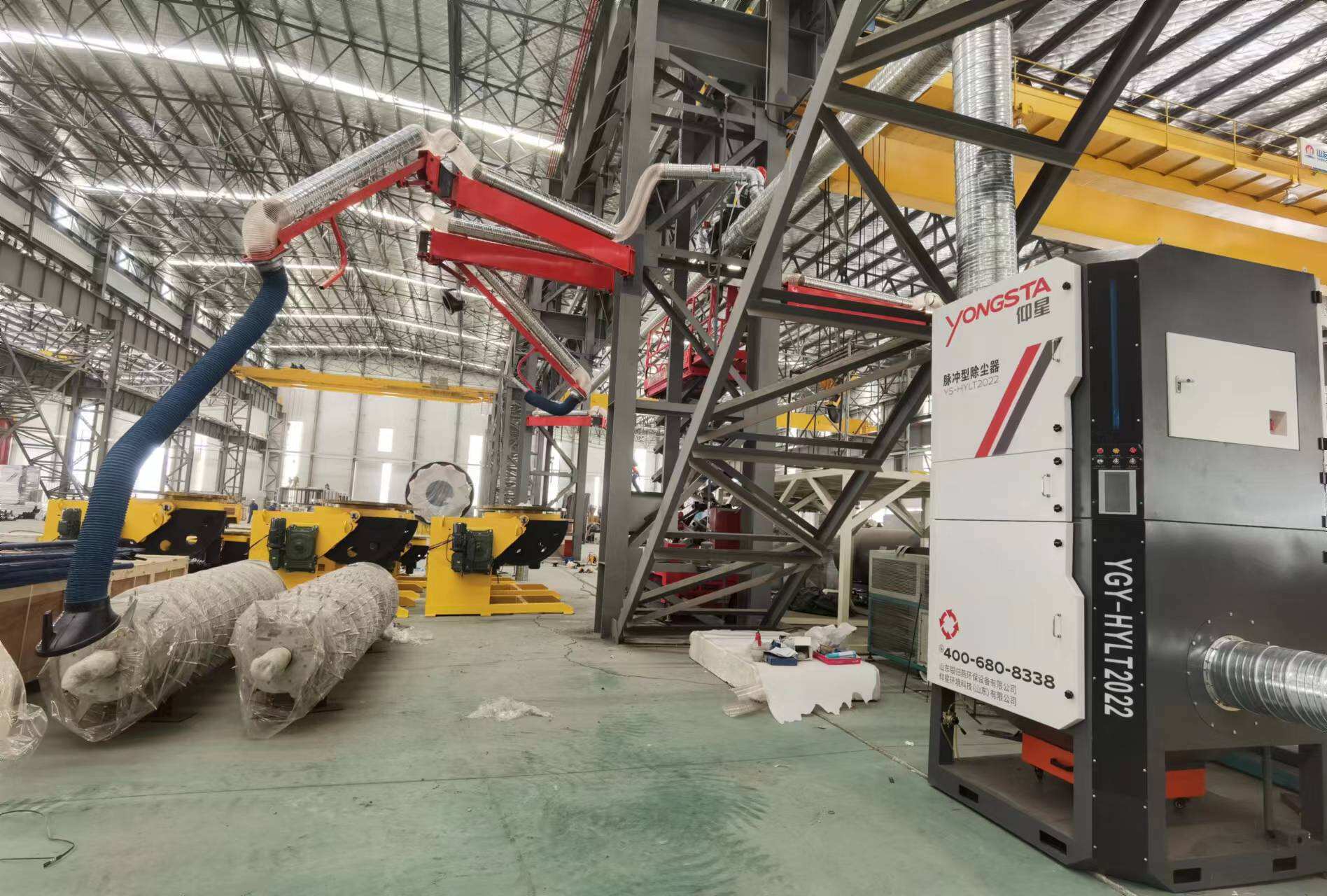
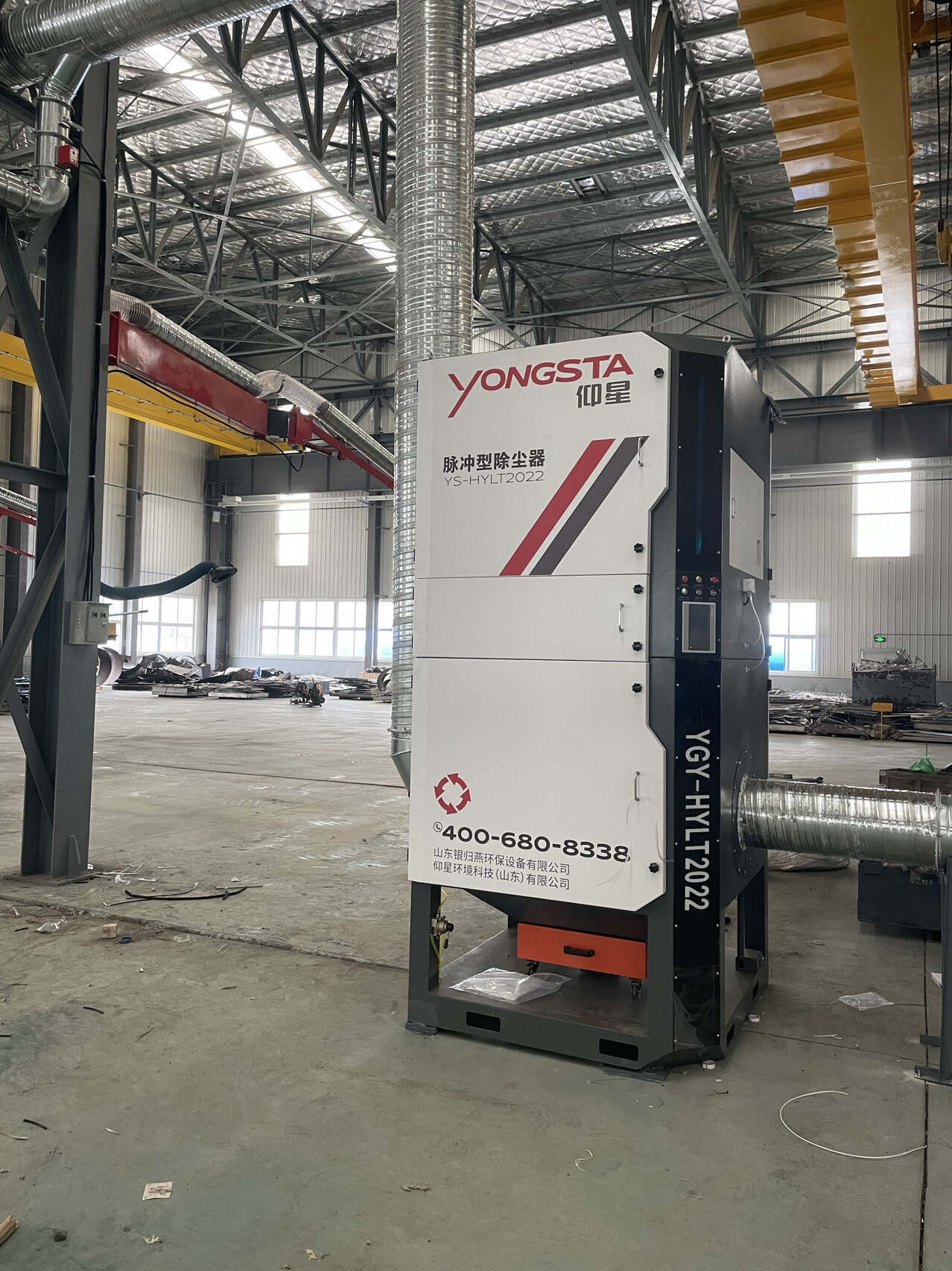
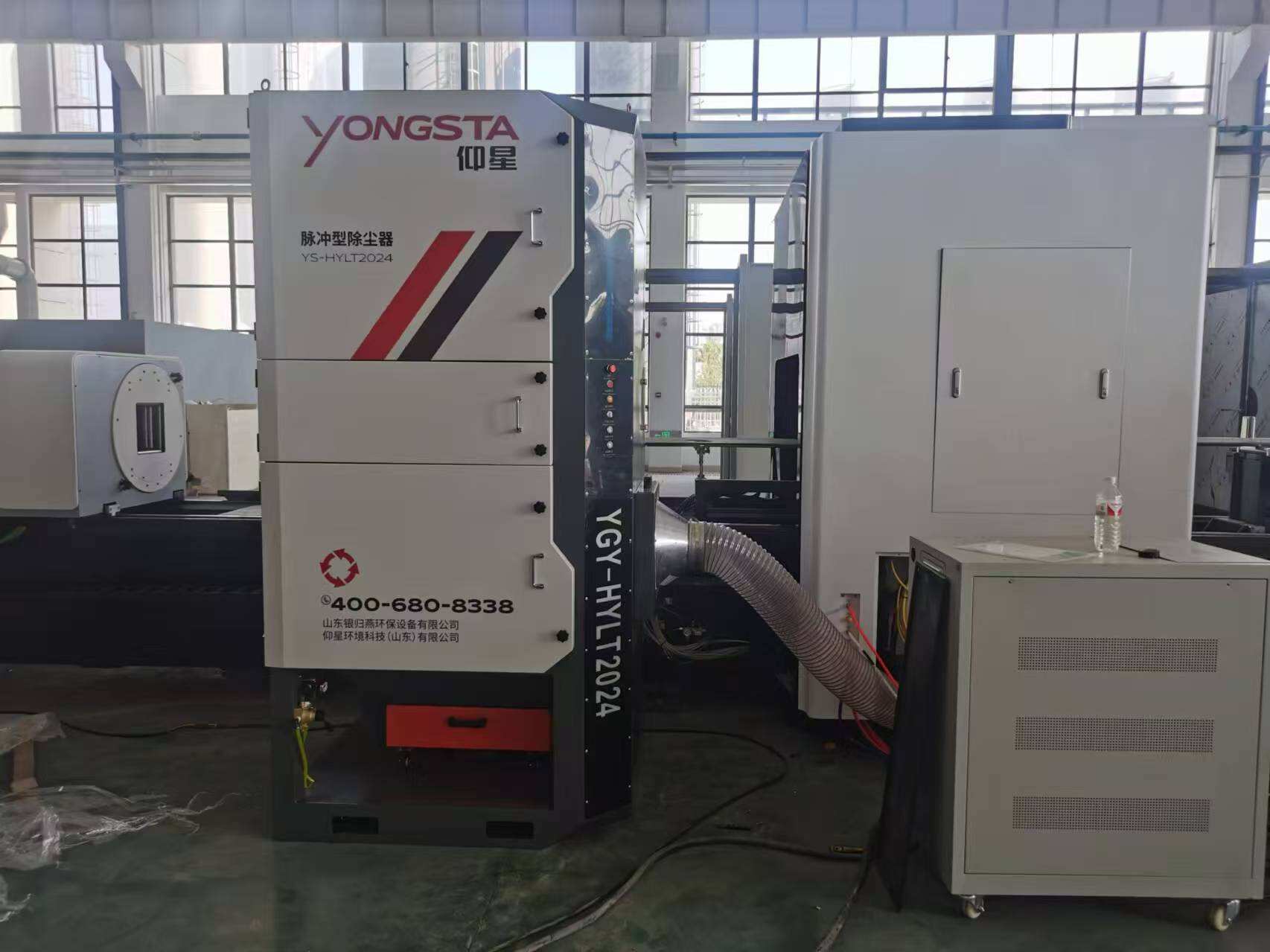
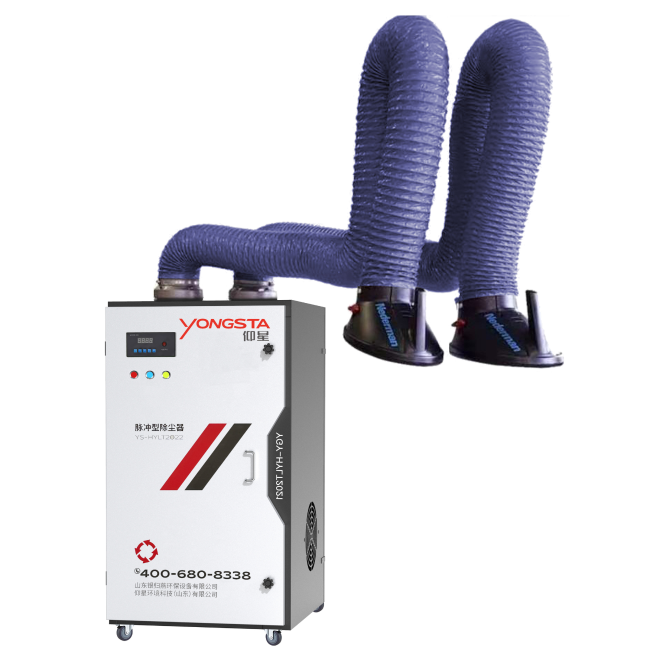
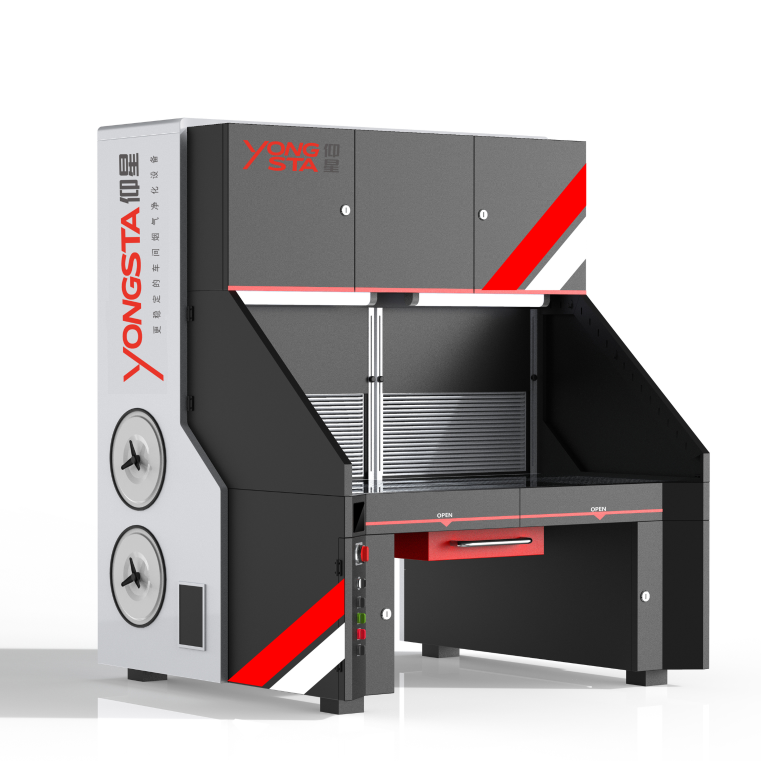
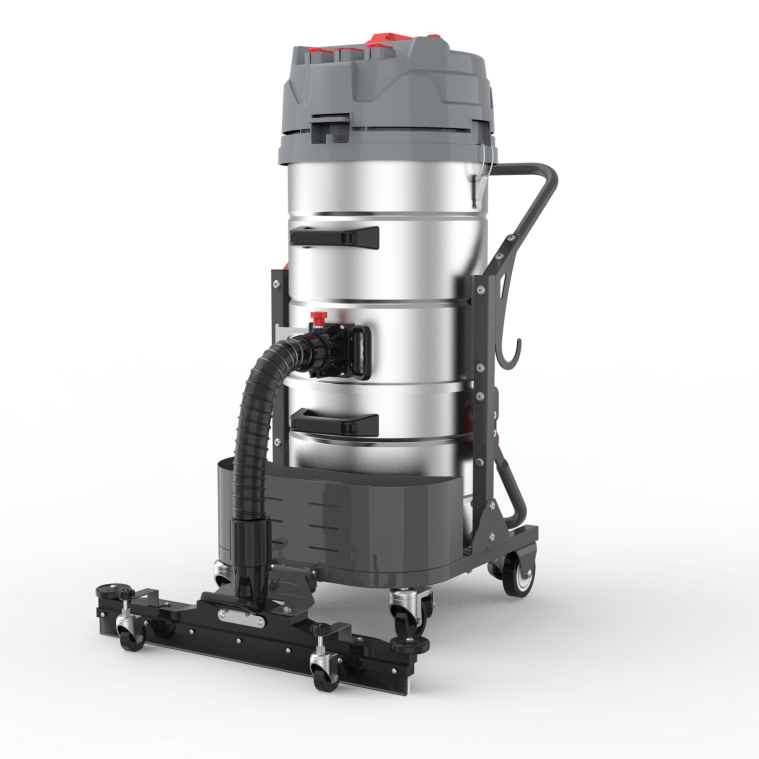
One of the most valuable aspects of modern welding filtration systems is their remarkable flexibility in configuration and deployment, allowing businesses of any size to implement effective air quality solutions regardless of facility layout, welding volume, or budget constraints. Portable welding filtration systems offer the ultimate in flexibility, featuring wheeled bases and compact designs that allow operators to position the unit exactly where needed and move it between different welding stations throughout the day. These mobile units work exceptionally well in job shops, maintenance facilities, and operations where welding occurs in multiple locations rather than dedicated bays. The self-contained nature of portable welding filtration systems means they require no ductwork installation, making them ideal for rental facilities, temporary workspaces, or businesses that frequently reconfigure their floor layouts. For facilities with dedicated welding stations, stationary welding filtration systems provide powerful, continuous air cleaning with larger filter capacities and higher airflow rates than portable units. These fixed installations can be wall-mounted or floor-standing, and they typically include articulating arms or hoods that position precisely over the welding area to capture fumes at the source before they disperse into the broader workspace. Source capture represents the most efficient approach to welding fume control, and stationary welding filtration systems excel at this application. Large manufacturing operations often benefit from centralized welding filtration systems that connect multiple welding stations to a single, high-capacity filtration unit through a network of ductwork. This approach provides consistent air quality across numerous workstations while centralizing maintenance and filter replacement activities. Centralized welding filtration systems can be located outside the main production area, freeing up valuable floor space and reducing noise in the workspace. The scalability of welding filtration systems means you can start with a single portable unit and gradually expand to a comprehensive facility-wide solution as your business grows. Modern welding filtration systems also offer various capture methods including overhead hoods, downdraft tables, crossdraft tables, and flexible extraction arms, each optimized for different welding processes and workpiece sizes. Downdraft tables work beautifully for smaller parts and provide an integrated work surface with built-in filtration, while overhead hoods suit larger assemblies and structural welding. The ability to mix and match different welding filtration systems and capture methods within a single facility ensures every welding application receives appropriate protection regardless of its unique requirements.
Energy-Efficient Operation Reduces Costs While Maintaining Superior Performance

Energy-Efficient Operation Reduces Costs While Maintaining Superior Performance

Modern welding filtration systems incorporate cutting-edge energy-efficient technologies that dramatically reduce operating costs compared to older ventilation methods, delivering superior air quality while consuming less power and generating lower utility bills month after month. Traditional welding ventilation relied on massive exhaust fans that continuously pulled large volumes of air from the building and expelled it outside, forcing heating and cooling systems to work overtime to replace the conditioned air being lost. This approach wasted enormous amounts of energy and created uncomfortable temperature fluctuations near welding areas. Contemporary welding filtration systems take a fundamentally different approach by filtering and recirculating air rather than exhausting it, which eliminates the energy penalty of replacing conditioned air. The recirculation capability of welding filtration systems means your facility retains heated air during winter and cooled air during summer, cutting HVAC costs substantially while maintaining comfortable working conditions. Variable frequency drives in advanced welding filtration systems automatically adjust motor speed and airflow based on actual welding activity, ramping up when welding begins and reducing power consumption during idle periods. This intelligent speed control can reduce energy consumption by 30 to 50 percent compared to constant-speed systems, and the energy savings often pay for the system within a few years. The high-efficiency motors used in quality welding filtration systems convert more electrical energy into useful airflow and less into waste heat, further improving overall efficiency. Many welding filtration systems now feature programmable timers and occupancy sensors that automatically shut down the unit during breaks, lunch periods, and after work hours, eliminating the energy waste of systems running unnecessarily. The compact, optimized fan designs in modern welding filtration systems move air more efficiently with less turbulence and pressure drop, achieving the required airflow with smaller, less power-hungry motors. LED indicator lights and digital displays on welding filtration systems consume minimal power compared to older incandescent indicators while providing clearer, more informative status information. The sealed, insulated construction of quality welding filtration systems prevents air leakage that would force the motor to work harder to maintain proper airflow and filtration performance. Some premium welding filtration systems include heat recovery features that capture waste heat from the motor and filtered air, redirecting it to warm the workspace during cold weather and further reducing heating costs. The long filter life achieved through multi-stage filtration design means welding filtration systems require less frequent filter changes, reducing not only the cost of replacement filters but also the labor expense and production disruption associated with maintenance activities. By choosing energy-efficient welding filtration systems, businesses reduce their carbon footprint and demonstrate environmental responsibility, which increasingly matters to customers, employees, and communities.

Get a Free Quote

Our representative will contact you soon.
Email
Name
Company Name
Message
0/1000
email goToTop