Welding Air Filter System: Advanced Fume Extraction Solutions for Safe Metal Fabrication

Get a Free Quote

Our representative will contact you soon.
Email
Name
Company Name
Message
0/1000

welding air filter system

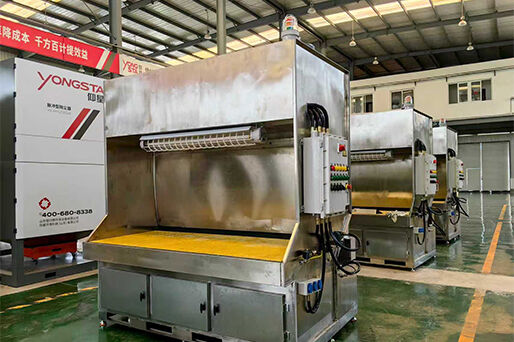
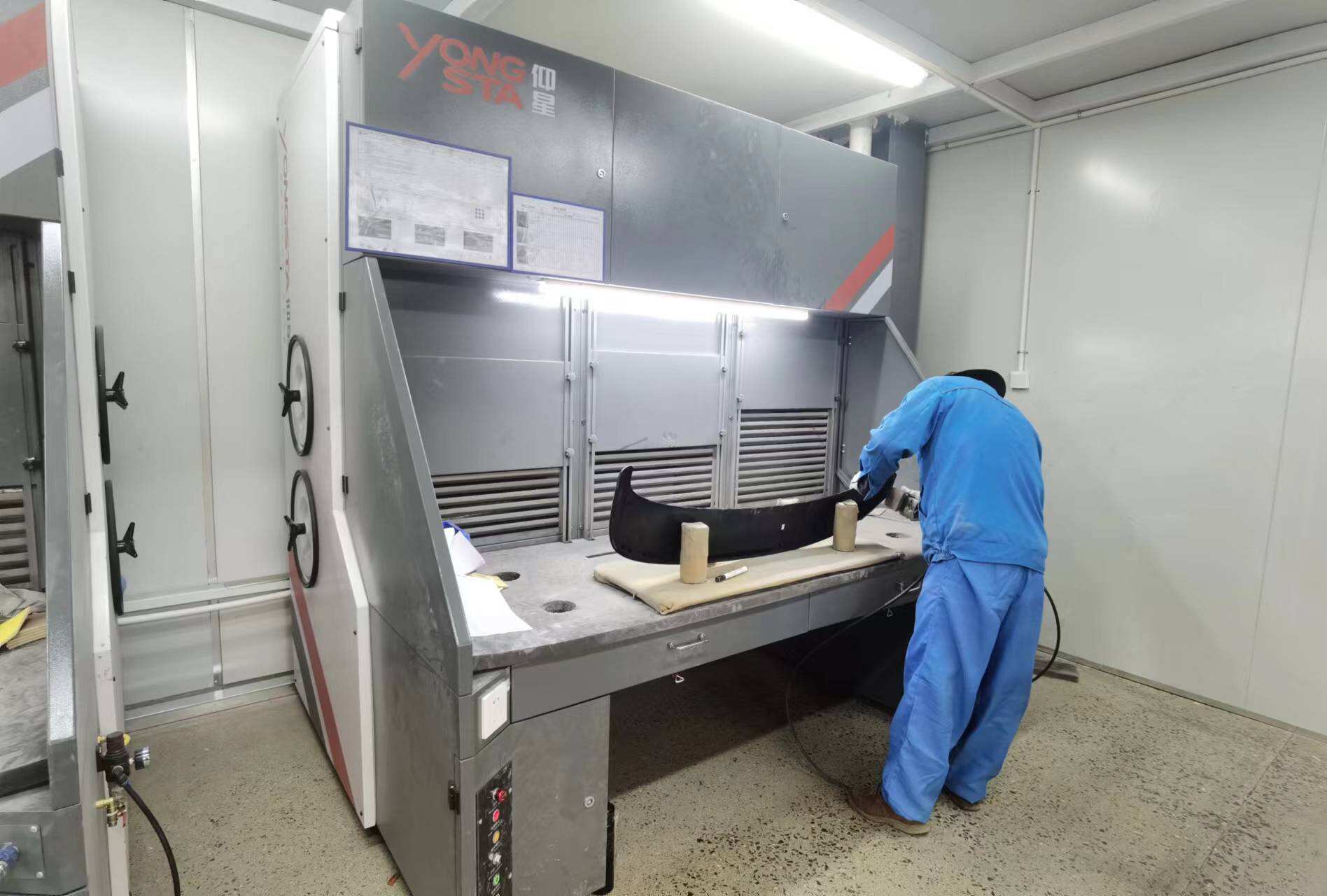
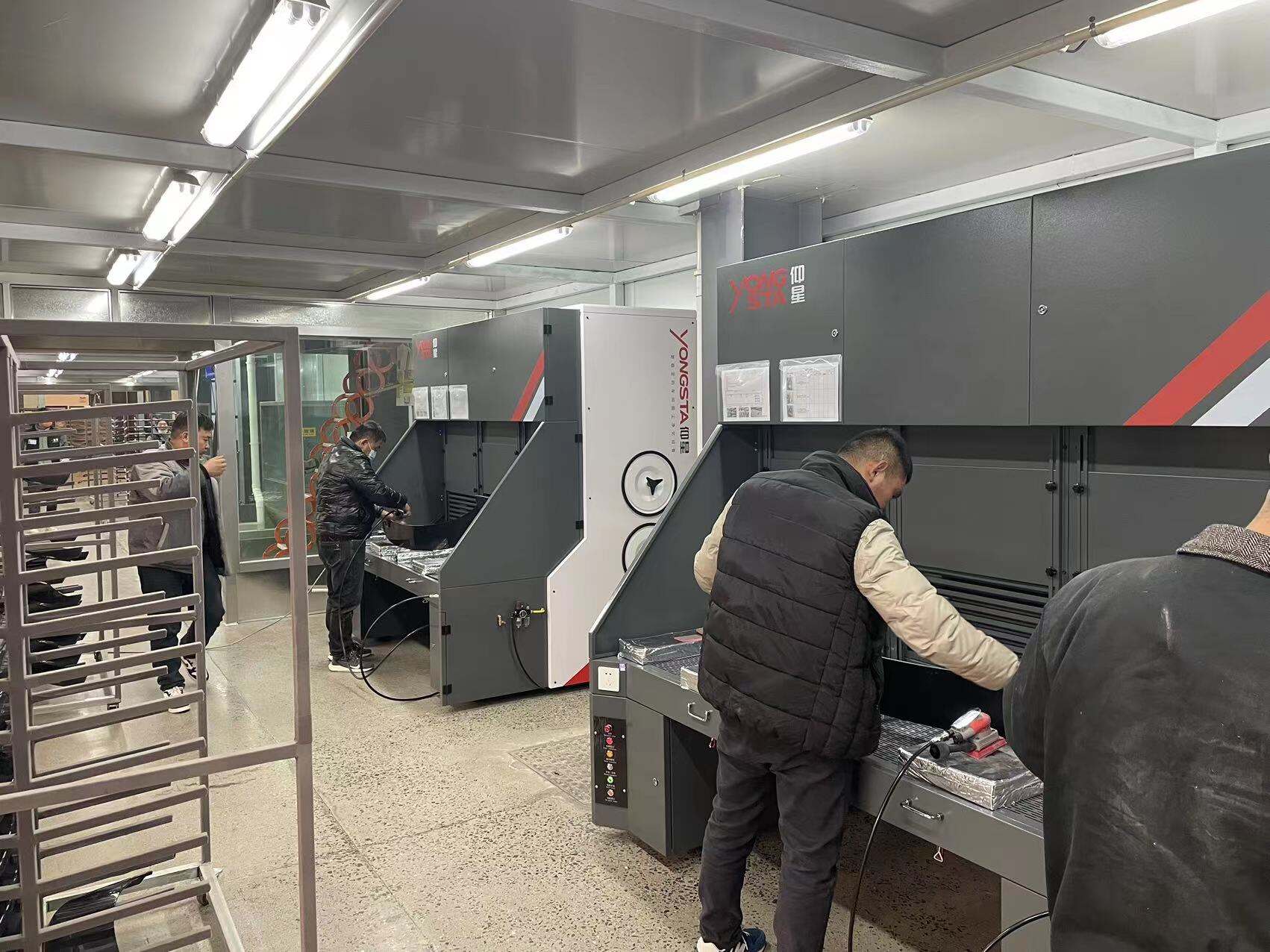
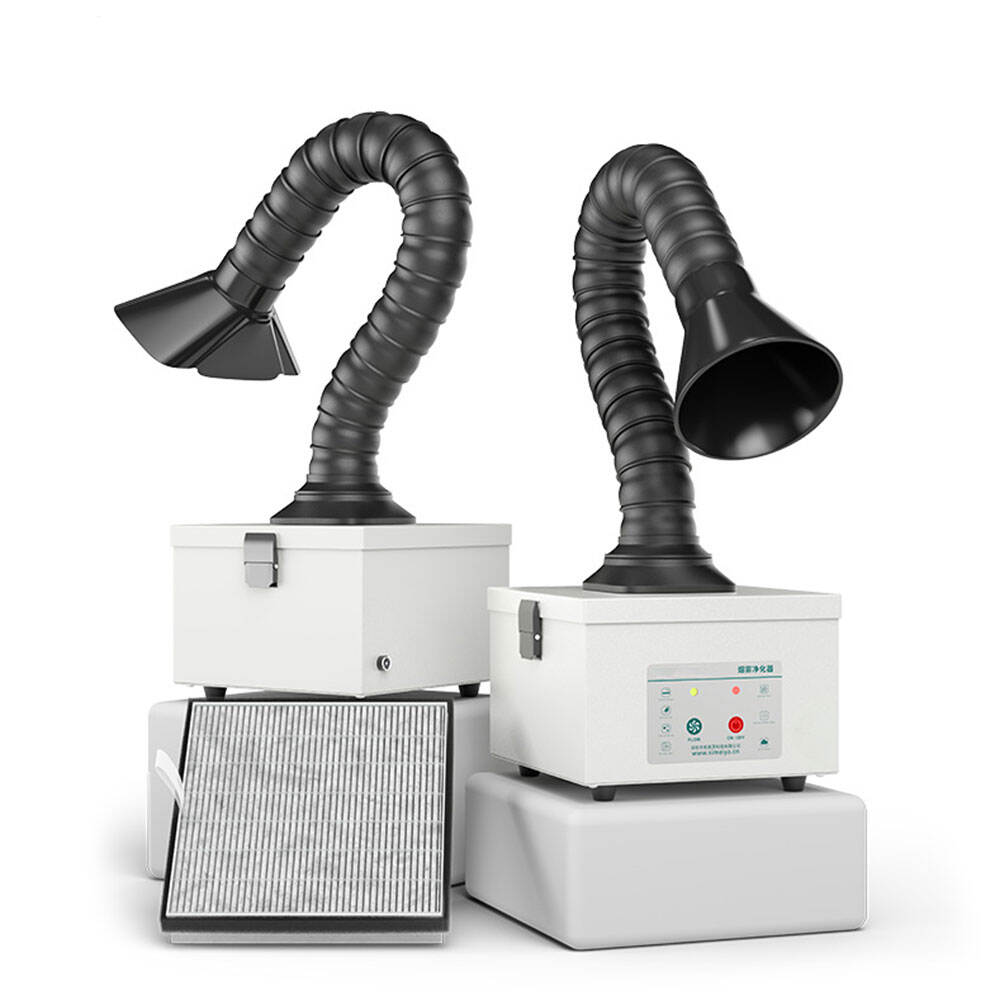
A welding air filter system represents a critical component in modern manufacturing and fabrication environments where metal joining processes generate harmful airborne contaminants. This specialized filtration equipment captures and removes hazardous fumes, smoke, particulates, and gases produced during various welding operations including MIG, TIG, stick welding, and plasma cutting. The system operates through a multi-stage filtration process that begins with pre-filters capturing larger particles, followed by high-efficiency particulate air filters that trap microscopic contaminants as small as 0.3 microns. Advanced models incorporate activated carbon filters to neutralize odors and chemical vapors. The welding air filter system functions by creating negative pressure that draws contaminated air away from the breathing zone of operators and directs it through the filtration media before releasing clean air back into the workspace. Modern systems feature variable speed fans that adjust airflow based on contamination levels, ensuring optimal performance while minimizing energy consumption. These units come in various configurations including portable fume extractors with flexible arms for point-source capture, stationary units for general ambient air cleaning, and centralized systems that serve multiple workstations simultaneously. The technology behind these systems has evolved significantly, incorporating smart sensors that monitor filter saturation levels and provide maintenance alerts, ensuring consistent performance and regulatory compliance. Applications span across automotive repair shops, metal fabrication facilities, shipbuilding yards, construction sites, educational institutions with welding programs, and aerospace manufacturing plants. The welding air filter system proves essential in protecting worker health by reducing exposure to manganese, hexavalent chromium, iron oxide, and other toxic substances that can cause respiratory diseases, neurological damage, and various cancers when inhaled over extended periods.

New Product Releases

Implementing a welding air filter system delivers immediate and long-term benefits that transform workplace safety and operational efficiency. Workers experience cleaner breathing air, which directly reduces health risks associated with prolonged exposure to metal fumes and particulates. This protection translates into fewer sick days, lower workers compensation claims, and improved employee morale as team members feel valued and protected. The system eliminates the thick haze that often obscures visibility in welding areas, allowing operators to see their work more clearly and produce higher quality welds with fewer defects and rework requirements. Productivity increases because welders can work longer without experiencing fatigue, headaches, or respiratory irritation that typically force frequent breaks in unfiltered environments. Companies avoid costly fines and legal complications by maintaining compliance with occupational safety regulations established by government agencies, which mandate specific air quality standards in facilities where welding occurs regularly. The welding air filter system also protects expensive equipment and machinery from accumulating metal dust that can cause premature wear, electrical failures, and maintenance issues. Facility managers appreciate the reduction in cleaning requirements as less particulate matter settles on floors, walls, windows, and overhead structures. Energy costs decrease compared to traditional ventilation methods that exhaust conditioned air to the outside, because modern filtration systems recirculate cleaned air back into the workspace, maintaining comfortable temperatures year-round without wasting heating or cooling. Insurance providers often offer premium reductions to facilities that demonstrate proactive safety measures through proper air filtration installation. The system creates a more professional appearance for client visits and inspections, demonstrating commitment to quality and safety standards. Recruitment and retention improve as skilled welders prefer working in environments where their health receives priority attention. The initial investment pays for itself through combined savings in healthcare costs, productivity gains, regulatory compliance, equipment longevity, and energy efficiency. Businesses gain competitive advantages by marketing their commitment to worker safety and environmental responsibility, appealing to customers who prioritize ethical manufacturing practices. The welding air filter system represents not just a safety device but a strategic business investment that protects human capital while enhancing operational performance across multiple dimensions.

Practical Tips

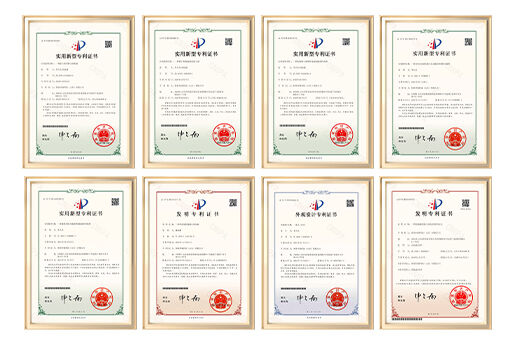
Yongsta R&D Team Wins 3 Dust Removal Technology Patents, Leading Industry Innovation

09

Apr

Yongsta R&D Team Wins 3 Dust Removal Technology Patents, Leading Industry Innovation

View More
Yongsta Cooperates with TUV for ATEX Explosion-Proof Certification, Explosion-Proof Dust Collector to Be Launched Soon

09

Apr

Yongsta Cooperates with TUV for ATEX Explosion-Proof Certification, Explosion-Proof Dust Collector to Be Launched Soon

View More
Empowering Benchmark Manufacturing! Yongsta Cartridge Dust Collector Aids Siemens Transformer China Factory's Dust Removal Renovation and Gains High Recognition

09

Apr

Empowering Benchmark Manufacturing! Yongsta Cartridge Dust Collector Aids Siemens Transformer China Factory's Dust Removal Renovation and Gains High Recognition

View More

Get a Free Quote

Our representative will contact you soon.
Email
Name
Company Name
Message
0/1000

welding air filter system

Advanced Multi-Stage Filtration Technology

Advanced Multi-Stage Filtration Technology

The welding air filter system employs sophisticated multi-stage filtration technology that addresses the complex mixture of contaminants generated during metal joining processes. The first stage utilizes pre-filters constructed from durable synthetic materials that capture larger particles including weld spatter, grinding dust, and coarse metal fragments, preventing these materials from clogging the more delicate downstream filters and extending overall system lifespan. These pre-filters are designed for easy removal and cleaning or replacement, minimizing maintenance costs and downtime. The second stage incorporates high-efficiency particulate air filters that achieve removal rates exceeding 99.97 percent for particles as small as 0.3 microns, effectively capturing the ultrafine particulates that pose the greatest health risks because they penetrate deep into lung tissue. These filters utilize pleated media that maximizes surface area within compact dimensions, providing high airflow capacity while maintaining low pressure drop across the system. The third stage features activated carbon filters that adsorb gaseous contaminants, chemical vapors, and odors through a process of chemical attraction rather than mechanical filtration. The carbon undergoes special treatment to create millions of microscopic pores that provide enormous surface area for contaminant capture, with some systems offering over 1000 square meters of adsorptive surface per gram of carbon. Advanced welding air filter system models incorporate optional final-stage filters using specialized media for specific contaminants like ozone generated during certain welding processes. The filtration stages work synergistically, with each level handling contaminants that match its design specifications, ensuring comprehensive air cleaning without overloading any single component. This staged approach allows the welding air filter system to maintain consistent performance over extended periods, with filter replacement schedules staggered so that not all components require simultaneous servicing. The technology adapts to various welding processes, from light-duty occasional work to heavy industrial applications running multiple shifts, providing scalable solutions that match specific operational requirements and contamination levels.
Intelligent Airflow Management and Energy Efficiency

Intelligent Airflow Management and Energy Efficiency

Modern welding air filter system designs incorporate intelligent airflow management features that optimize performance while minimizing operational costs through advanced energy efficiency. Variable frequency drives control fan motors, automatically adjusting rotation speed based on real-time contamination levels detected by integrated sensors, ensuring the system provides exactly the airflow needed without wasting electricity on unnecessary high-speed operation during periods of lower welding activity. This smart control reduces energy consumption by up to 60 percent compared to constant-speed systems, delivering substantial cost savings over the equipment lifespan while reducing environmental impact. The welding air filter system utilizes aerodynamic housing designs and optimized ductwork configurations that minimize turbulence and pressure losses, allowing fans to move large volumes of air efficiently without requiring excessive motor power. Computational fluid dynamics modeling during the design phase ensures smooth airflow patterns that maximize capture efficiency at the source while reducing the total airflow volume needed to maintain clean air quality. Strategic placement of intake points creates effective capture zones that intercept contaminants at their generation point before they disperse into the general workspace, concentrating filtration efforts where they provide maximum benefit. The system features automatic filter monitoring that tracks pressure differential across filtration stages, providing early warning when filters approach saturation and need replacement, preventing performance degradation and ensuring consistent air quality. This monitoring eliminates guesswork from maintenance scheduling, allowing facilities to replace filters based on actual condition rather than arbitrary time intervals, reducing waste and optimizing filter utilization. Energy recovery features in premium welding air filter system models capture heat from the filtered air stream and redirect it back into the workspace during cold weather, reducing heating costs while maintaining comfortable working conditions. Programmable timers allow the system to operate on customized schedules that match production shifts, automatically powering down during breaks and non-working hours to eliminate unnecessary energy consumption. The intelligent controls integrate with facility management systems, providing remote monitoring capabilities and performance data that help managers optimize operations and demonstrate regulatory compliance through documented air quality records.
Flexible Configuration and Workplace Integration

Flexible Configuration and Workplace Integration

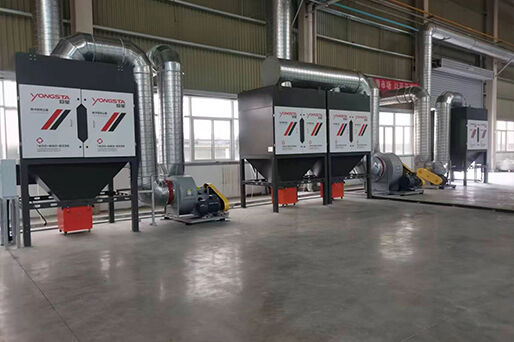
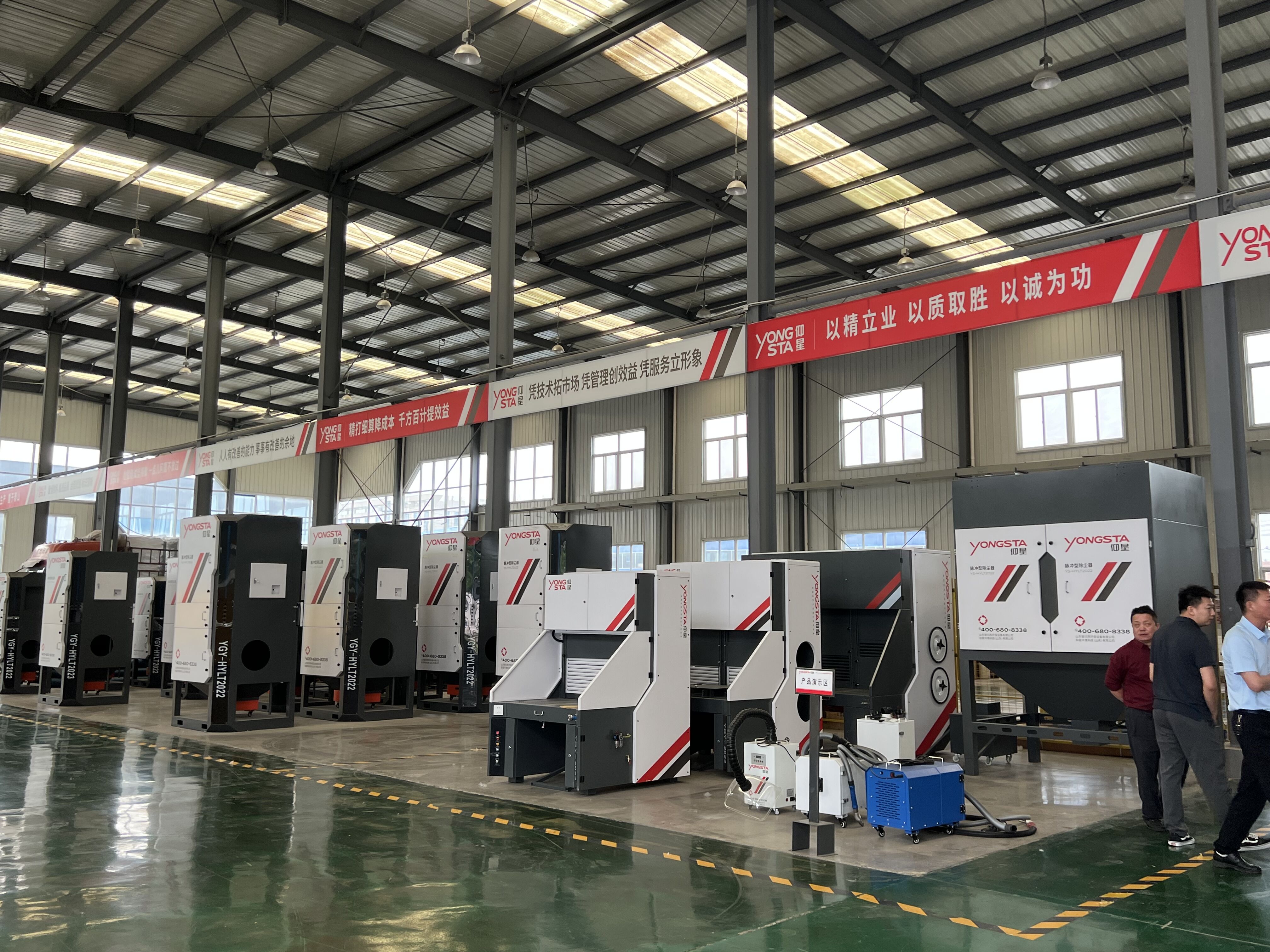
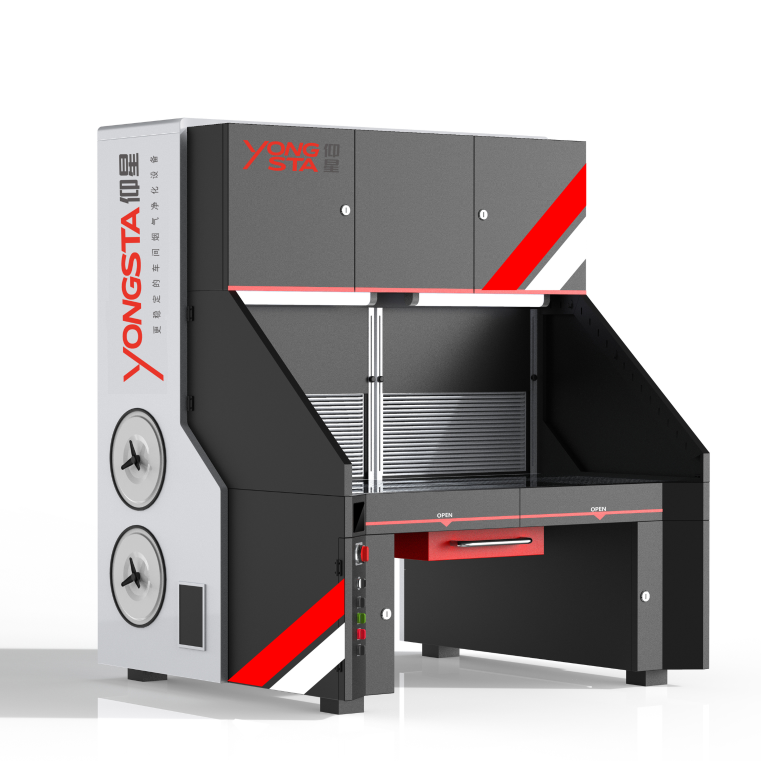
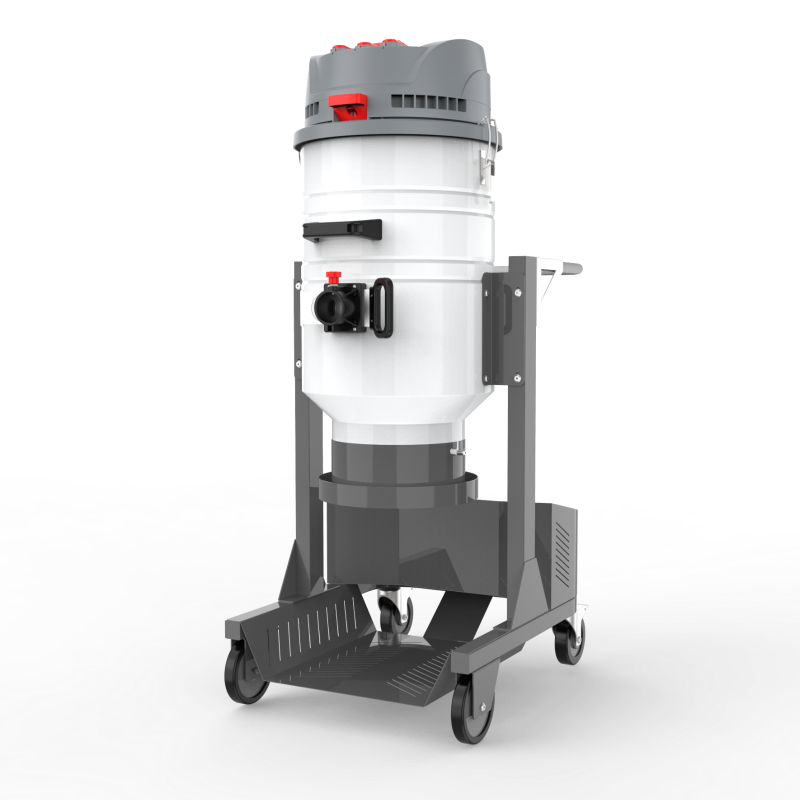
The welding air filter system offers remarkable flexibility in configuration and integration options that accommodate diverse workplace layouts, operational requirements, and budget constraints. Portable units mounted on heavy-duty casters provide mobility that allows operators to position filtration exactly where needed, moving the equipment between workstations or following welding activities to different locations within the facility. These mobile systems feature flexible extraction arms with articulating joints that extend up to three meters, positioning the capture hood within centimeters of the welding arc for maximum fume collection efficiency. The arms maintain their position once adjusted, eliminating the need for constant repositioning during work. Stationary welding air filter system installations serve dedicated welding booths or fixed workstations, with ducted connections that provide permanent extraction points optimized for specific applications. These systems can incorporate multiple extraction points serving several welders simultaneously from a single filtration unit, reducing equipment costs and simplifying maintenance compared to individual units for each station. Centralized systems represent the ultimate in scalability, with powerful filtration equipment located in mechanical rooms and extensive ductwork networks distributing extraction capability throughout large facilities. These installations can serve dozens of workstations while providing centralized filter maintenance and monitoring. The welding air filter system adapts to various mounting configurations including floor-standing units, wall-mounted installations that save valuable floor space, and ceiling-suspended models that keep equipment out of the way in crowded workshops. Modular designs allow facilities to start with basic configurations and expand capacity by adding filtration stages, increasing fan power, or connecting additional extraction points as operations grow. The system integrates seamlessly with existing facility infrastructure, connecting to standard electrical supplies without requiring special power installations in most cases. Noise reduction features including insulated housings and vibration dampening mounts ensure the welding air filter system operates quietly without creating distracting or uncomfortable sound levels in the workspace. Compact footprints maximize usable floor space, particularly important in smaller shops where every square meter counts. The equipment withstands harsh industrial environments with rugged construction using corrosion-resistant materials and protective coatings that endure exposure to metal dust, moisture, and temperature variations common in welding facilities.

Get a Free Quote

Our representative will contact you soon.
Email
Name
Company Name
Message
0/1000
email goToTop