Advanced Multi-Stage Filtration Technology Ensures Maximum Contaminant Capture
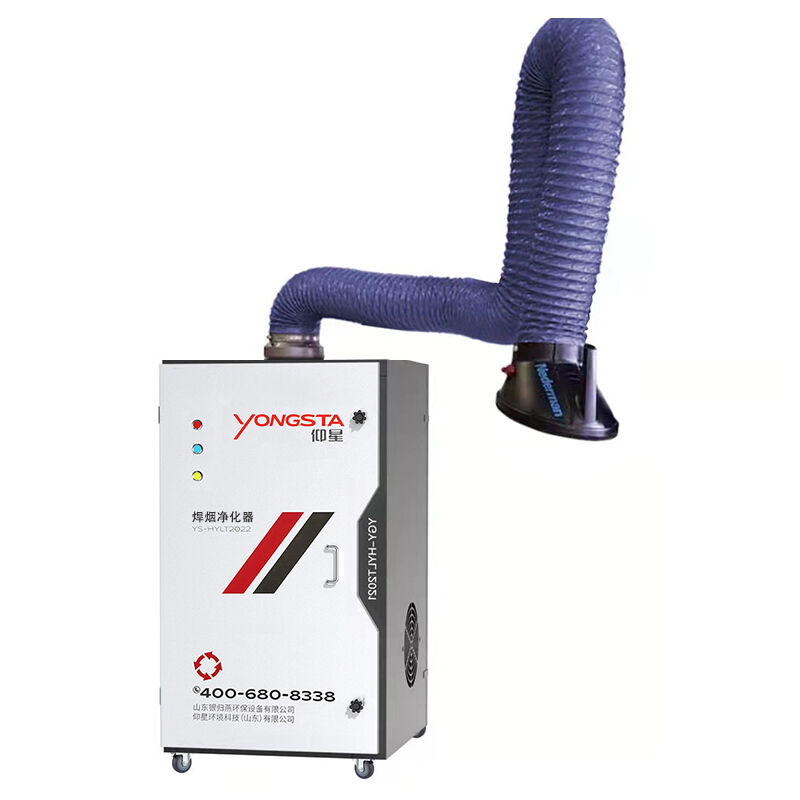
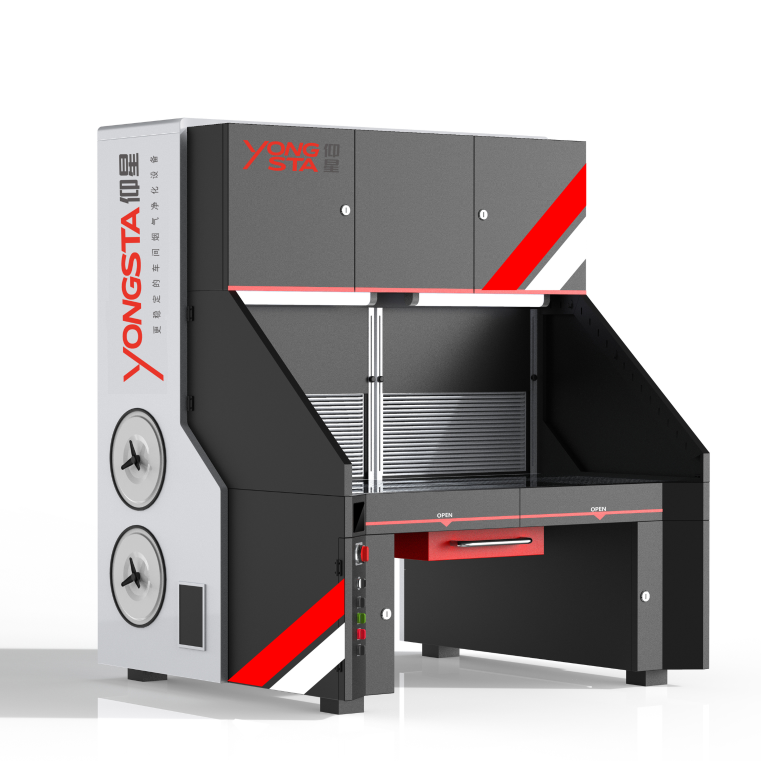
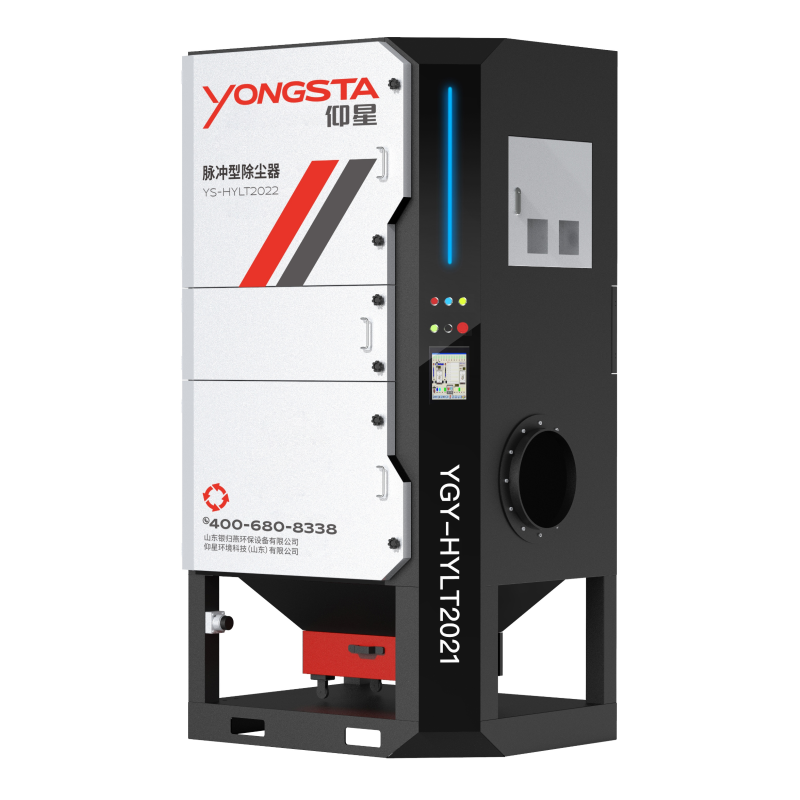
The cornerstone of effective welding fume filtration lies in sophisticated multi-stage filtration technology that addresses the complex mixture of particles and gases produced during welding processes. This advanced approach recognizes that welding fumes contain contaminants of varying sizes and compositions, requiring different filtration methods for complete removal. The first stage employs pre-filters constructed from durable materials that capture larger particles, including spatter and coarse dust, preventing these materials from clogging the more delicate filters downstream. This initial filtration extends the lifespan of subsequent filter stages while maintaining consistent airflow throughout the system. The second stage utilizes high-efficiency particulate air filters, commonly known as HEPA filters, which represent the gold standard in fine particle removal. These filters trap microscopic particles with remarkable efficiency, capturing 99.97 percent of contaminants as small as 0.3 microns in diameter. This level of filtration proves critical for welding operations because the most dangerous fume particles fall within this size range, small enough to penetrate deep into lung tissue where they cause maximum harm. The HEPA stage of welding fume filtration removes metal oxides, including iron, manganese, chromium, and nickel compounds that pose severe health risks with prolonged exposure. The third stage incorporates activated carbon filters that address gaseous pollutants and odors that pass through mechanical filters. Welding processes generate not only solid particles but also harmful gases such as ozone, nitrogen oxides, and carbon monoxide. Activated carbon possesses a vast surface area with microscopic pores that chemically bond with gas molecules, neutralizing them before air returns to the workspace. This comprehensive approach to welding fume filtration ensures workers breathe air that meets or exceeds the strictest air quality standards. The synergy between these filtration stages creates a system greater than the sum of its parts, with each stage optimized for specific contaminant types while working together seamlessly. Modern welding fume filtration systems monitor filter condition continuously, using pressure sensors to detect when filters become loaded and require replacement. This intelligent monitoring prevents system performance degradation and ensures consistent protection. The modular design of multi-stage filtration allows facilities to customize their welding fume filtration based on specific welding processes, metal types, and production volumes, ensuring optimal performance for each unique application.
 ×
×



 EN
EN