Los sistemas inteligentes de supervisión y control optimizan el rendimiento y reducen los costos operativos
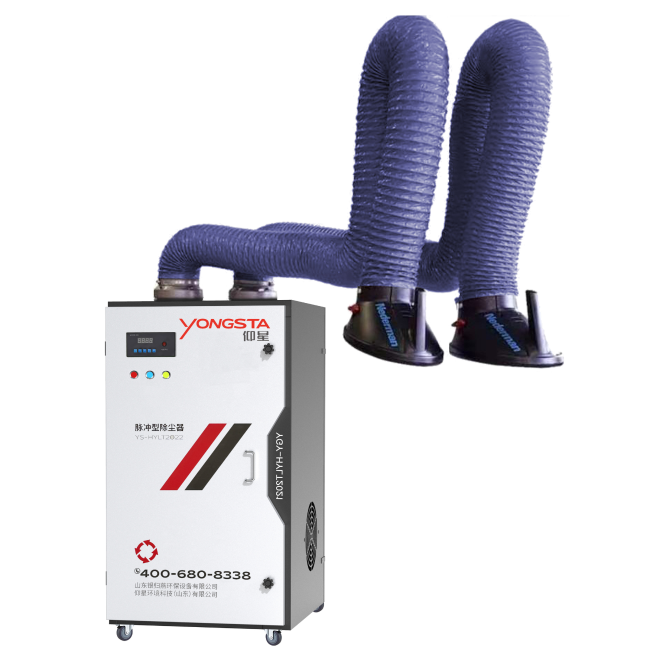
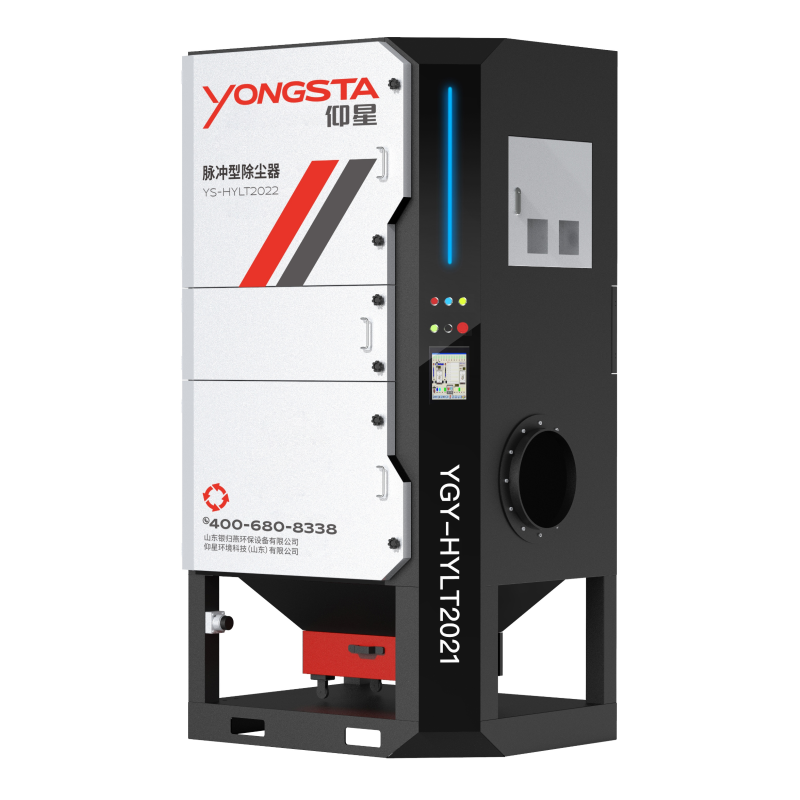
Los colectores contemporáneos de humos de soldadura incorporan tecnologías inteligentes de supervisión y control que transforman estos sistemas, pasando de ser dispositivos de filtración pasivos a socios activos en la gestión de instalaciones y la optimización de costes. Estas funciones inteligentes ofrecen visibilidad en tiempo real del rendimiento del sistema, permiten el mantenimiento predictivo y garantizan una protección constante, al tiempo que minimizan el consumo energético y los gastos operativos. Los paneles de control digitales muestran parámetros operativos críticos, como caudales de aire, caída de presión en los filtros, corriente del motor y tiempo de funcionamiento del sistema, brindando a los operarios una comprensión inmediata del estado del equipo sin necesidad de herramientas especializadas de diagnóstico. Los modelos avanzados cuentan con interfaces táctiles de navegación intuitiva, lo que permite a los usuarios ajustar configuraciones, visualizar datos históricos y acceder a los calendarios de mantenimiento con una formación mínima. Los variadores de frecuencia constituyen una tecnología clave que regula la velocidad del motor según la demanda real, en lugar de hacerlo continuamente a plena capacidad, reduciendo así el consumo energético hasta en un 50 % durante períodos de actividad de soldadura ligera, mientras se mantiene una velocidad de captura adecuada durante operaciones intensivas. Estos variadores responden automáticamente a los cambios en la resistencia del sistema conforme los filtros se van cargando, manteniendo un caudal de aire constante durante todo el ciclo de vida del filtro y evitando la degradación del rendimiento que experimentan los sistemas de velocidad fija. El monitoreo automático de filtros elimina la incertidumbre en la programación del mantenimiento, al medir continuamente la diferencia de presión entre las etapas de filtrado y calcular la vida útil restante del filtro sobre la base de los patrones reales de uso, y no de intervalos temporales arbitrarios. Cuando los filtros requieren atención, el sistema genera alertas mediante indicadores visuales, alarmas acústicas o notificaciones digitales enviadas por correo electrónico o mensaje de texto al personal de mantenimiento, asegurando así una intervención oportuna antes de que se vea afectado el rendimiento. Algunos sistemas sofisticados se integran con software de gestión de instalaciones y sistemas de automatización de edificios, lo que permite la supervisión centralizada de múltiples colectores de humos de soldadura en grandes instalaciones o en distintas ubicaciones desde una única interfaz. Esta conectividad permite a los gestores de instalaciones rastrear el consumo energético, comparar el rendimiento entre unidades, identificar oportunidades de optimización y generar informes de cumplimiento para las autoridades reguladoras. Las capacidades de diagnóstico remoto permiten a los técnicos de servicio solucionar problemas sin necesidad de desplazarse al lugar, reduciendo el tiempo de inactividad y los costes de servicio, además de acelerar la resolución de incidencias. Los datos recopilados por los colectores inteligentes de humos de soldadura respaldan iniciativas de mejora continua al revelar patrones de uso, identificar períodos de demanda máxima y destacar oportunidades para optimizar los horarios de soldadura o la ubicación del equipo. Las funciones de gestión energética incluyen horarios operativos programables que apagan automáticamente los sistemas durante las horas sin producción, modos de espera que reducen el consumo eléctrico cuando cesa la actividad de soldadura y una operación basada en la demanda que activa la extracción únicamente cuando realmente se está soldando. Estas capacidades generan importantes ahorros de costes a lo largo de la vida útil del equipo, manteniendo al mismo tiempo una protección total durante los períodos activos de soldadura. Los sistemas de monitoreo también registran el historial de mantenimiento, las fechas de sustitución de componentes y los intervalos de servicio, creando un registro integral de mantenimiento que respalda las reclamaciones bajo garantía, la documentación de cumplimiento normativo y la gestión de activos. El análisis predictivo presente en los modelos premium examina las tendencias de rendimiento para prever posibles fallos antes de que causen averías, permitiendo un mantenimiento proactivo que evita tiempos de inactividad imprevistos y prolonga la vida útil del equipo.
 ×
×



 EN
EN