Opciones de instalación flexibles que se adaptan a cualquier distribución de instalaciones y requisito de producción
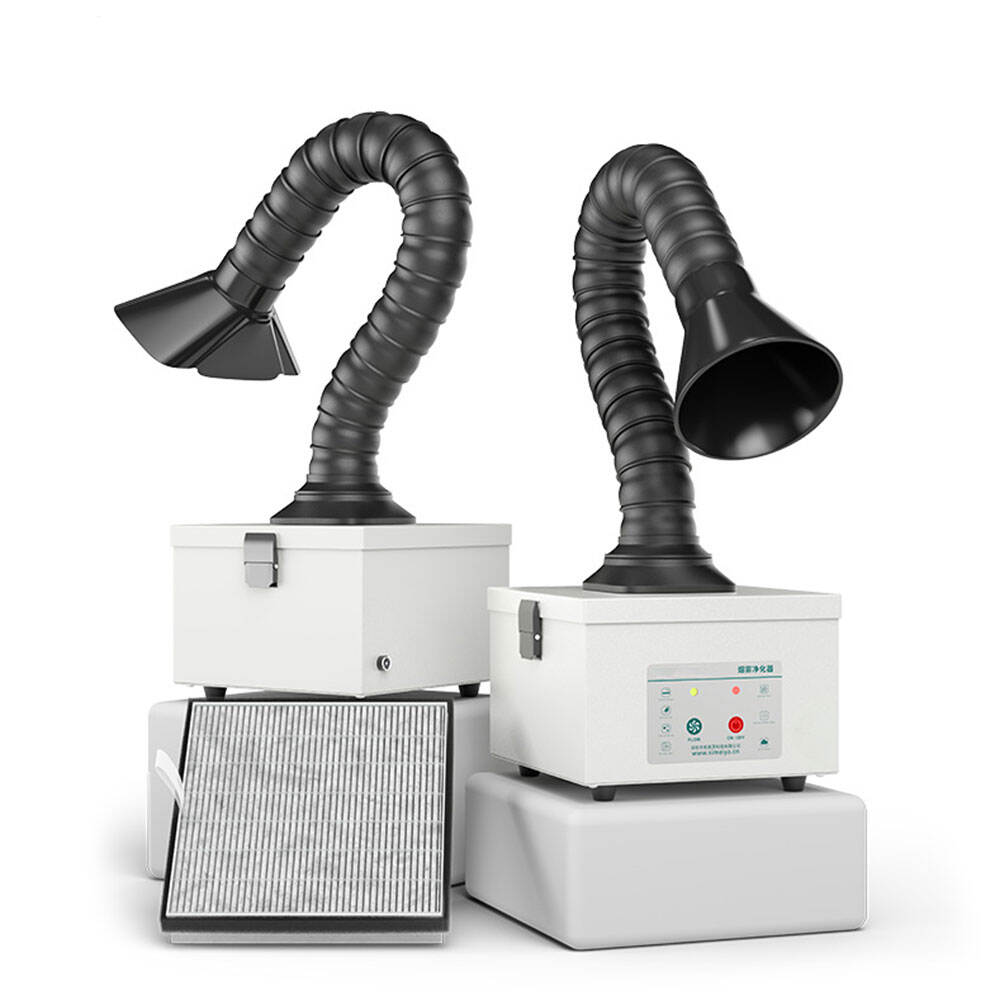
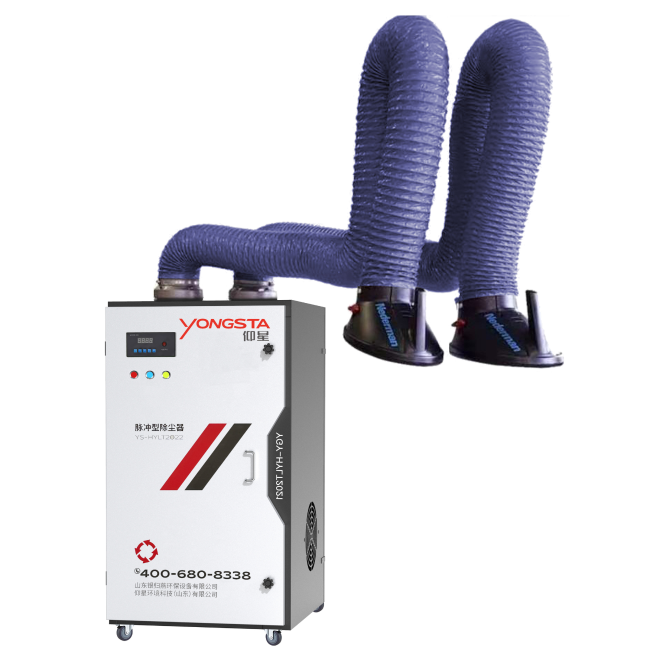
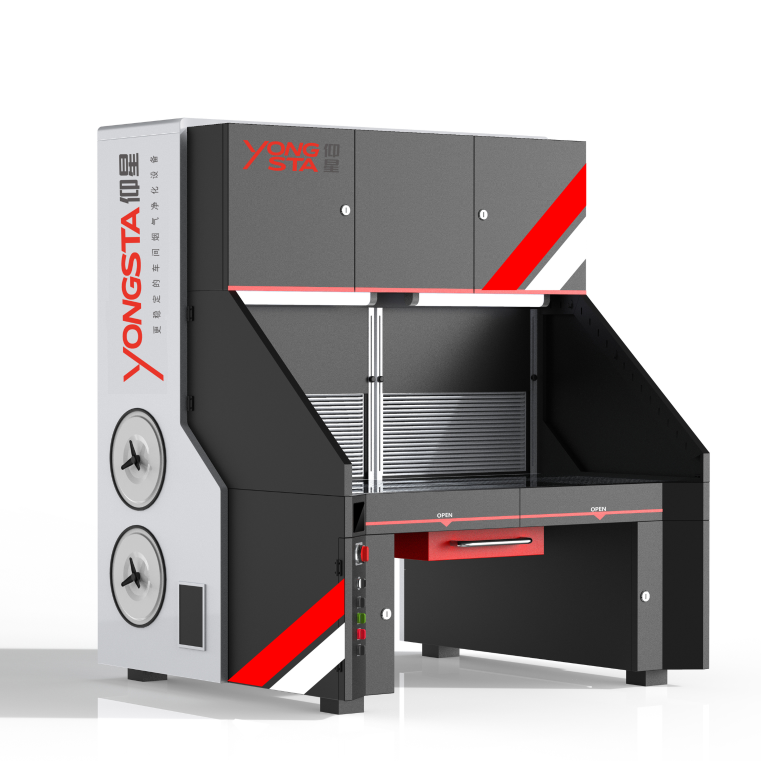
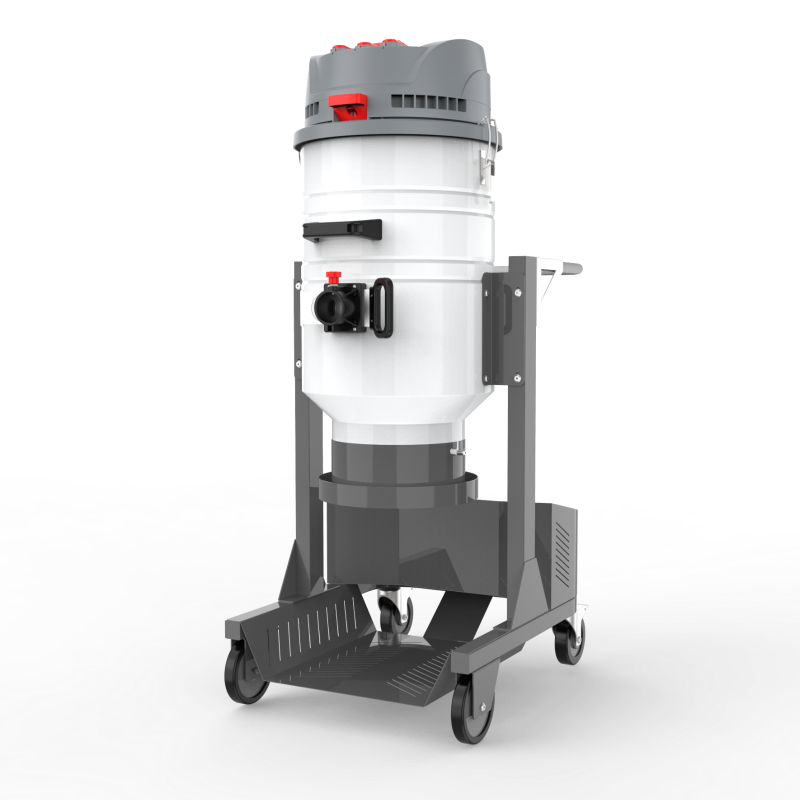
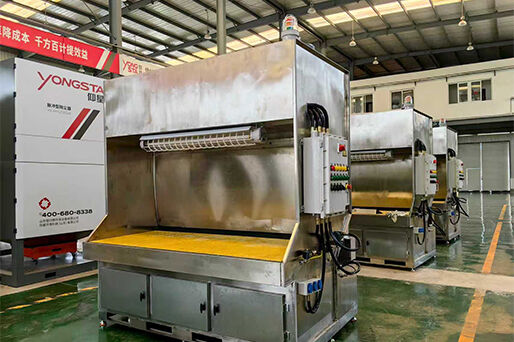
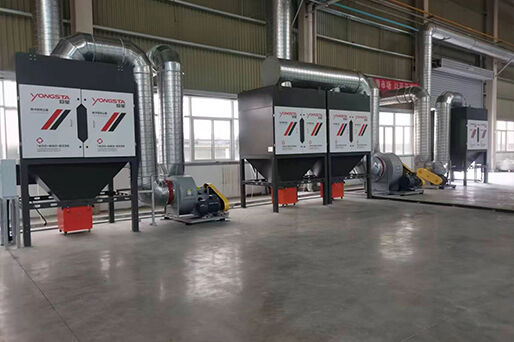
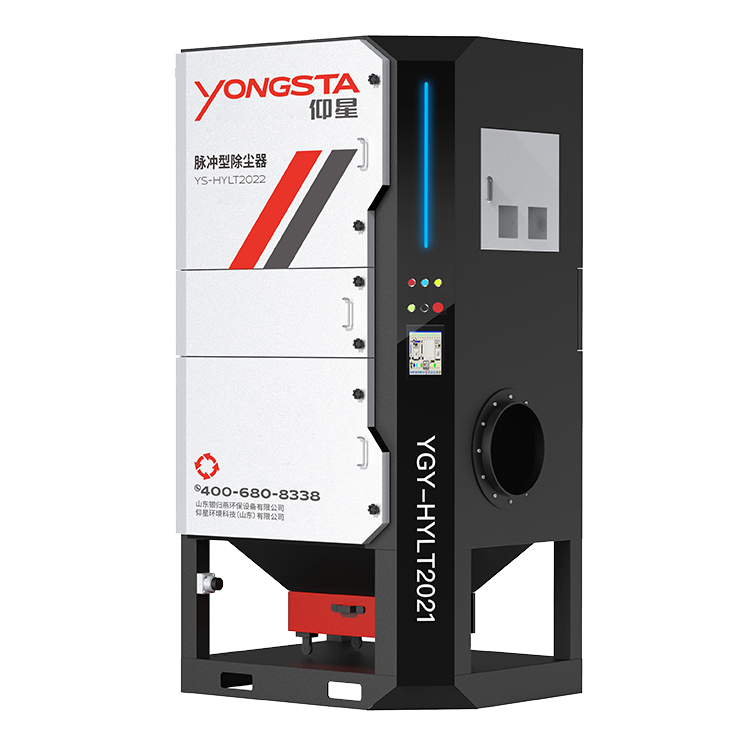
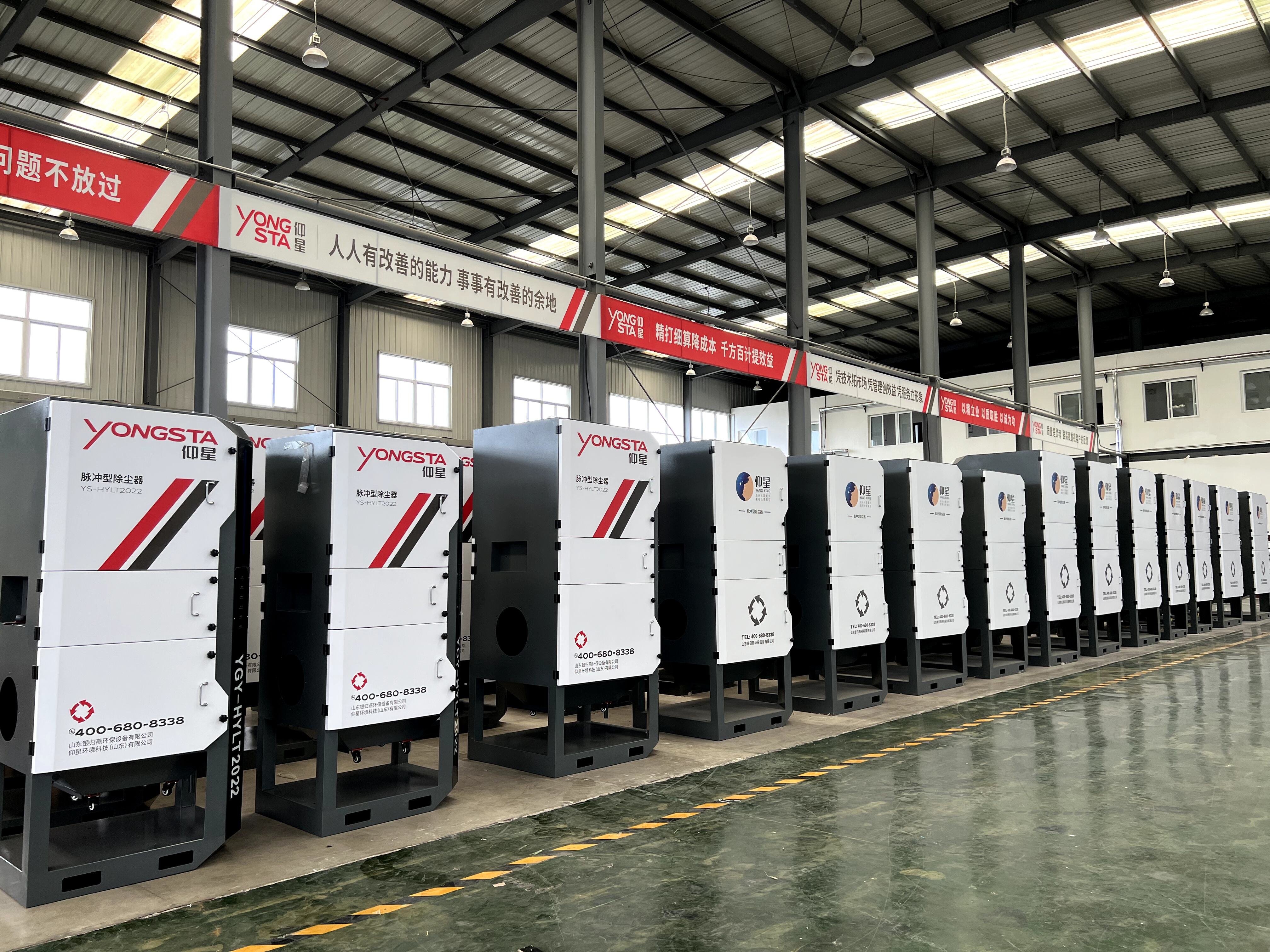
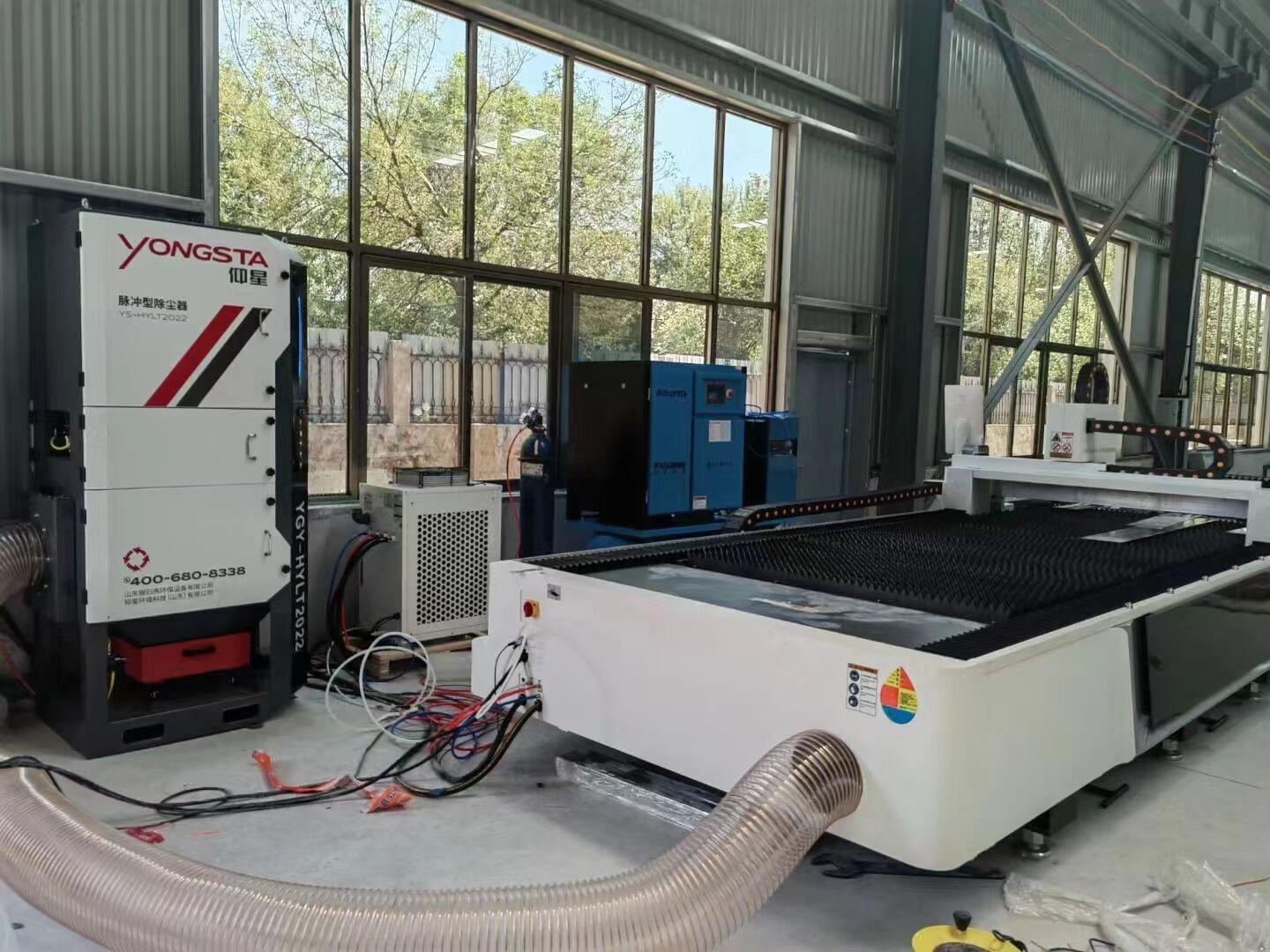
La versatilidad de un colector industrial de humos se extiende a configuraciones de instalación que se adaptan prácticamente a cualquier distribución de instalación, proceso productivo o restricción espacial, sin comprometer el rendimiento ni la accesibilidad. Las unidades portátiles montadas sobre ruedas robustas ofrecen la máxima flexibilidad para talleres y plantas con distribuciones productivas que cambian con frecuencia, permitiendo a los operarios colocar el colector industrial de humos exactamente donde se necesita y reubicarlo según evolucionen los proyectos. Estos sistemas móviles presentan diseños autónomos con filtros, ventiladores y controles integrados, que requieren únicamente una conexión eléctrica para comenzar a funcionar, eliminando así la instalación compleja de conductos y reduciendo el tiempo de puesta en marcha de semanas a minutos. Para instalaciones permanentes que sirven estaciones de trabajo fijas, las configuraciones empotradas en pared o suspendidas del techo conservan valioso espacio en planta, al tiempo que posicionan óptimamente las campanas de captura directamente sobre las fuentes de contaminación. Brazos articulados con sistemas de fijación magnética o mecánica permiten a los operarios ubicar los puntos de extracción exactamente donde se generan los humos y retirarlos lateralmente cuando no se necesitan, sin interferir con la manipulación de materiales ni con el acceso a las herramientas. Los sistemas centralizados representan la solución óptima para instalaciones grandes con múltiples fuentes de contaminación, utilizando un único colector industrial de humos de alta capacidad conectado, mediante redes de conductos, a puntos de captura estratégicamente ubicados en toda la superficie de producción. Este enfoque concentra los requisitos de mantenimiento, reduce los costos de equipamiento frente a múltiples unidades independientes y simplifica el cumplimiento normativo al crear un único punto de supervisión y documentación. Los componentes modulares de los conductos permiten la expansión del sistema a medida que aumenta la capacidad productiva, incorporando nuevas derivaciones y puntos de captura de forma perfecta a la infraestructura existente, sin necesidad de rediseñarla por completo. Las opciones de instalación al aire libre protegen los espacios interiores climatizados del calor generado por los motores y permiten utilizar equipos de mayores dimensiones sin ocupar superficie productiva, aunque en estos casos resultan necesarias consideraciones adicionales como carcasas resistentes a la intemperie y protección contra heladas. Los modelos a prueba de explosiones, certificados para zonas peligrosas, permiten una operación segura en entornos donde polvos combustibles o vapores inflamables generan riesgos de ignición que los equipos estándar no pueden gestionar. El colector industrial de humos puede integrarse con los equipos de proceso existentes mediante conexiones directas a máquina que capturan los contaminantes en el punto de generación, antes de que se dispersen al ambiente general de trabajo, proporcionando el control de contaminación más eficiente y efectivo. Las configuraciones de captura en origen utilizan significativamente menos caudal de aire que los enfoques de limpieza del aire ambiental, reduciendo los costos energéticos y permitiendo emplear equipos más pequeños y menos costosos para lograr resultados superiores. Los sistemas combinados integran la captura en origen para procesos de alta contaminación con la filtración del aire ambiental para la limpieza general del espacio de trabajo, creando una gestión integral de la calidad del aire que aborda tanto las fuentes de contaminación concentradas como las difusas. Los servicios de instalación prestados por técnicos experimentados garantizan el dimensionamiento adecuado, la ubicación correcta y la puesta en marcha óptima del colector industrial de humos, maximizando su rendimiento desde el primer día y evitando errores comunes que comprometen su eficacia o generan problemas de mantenimiento.
 ×
×



 EN
EN