colector de humos de soldadura
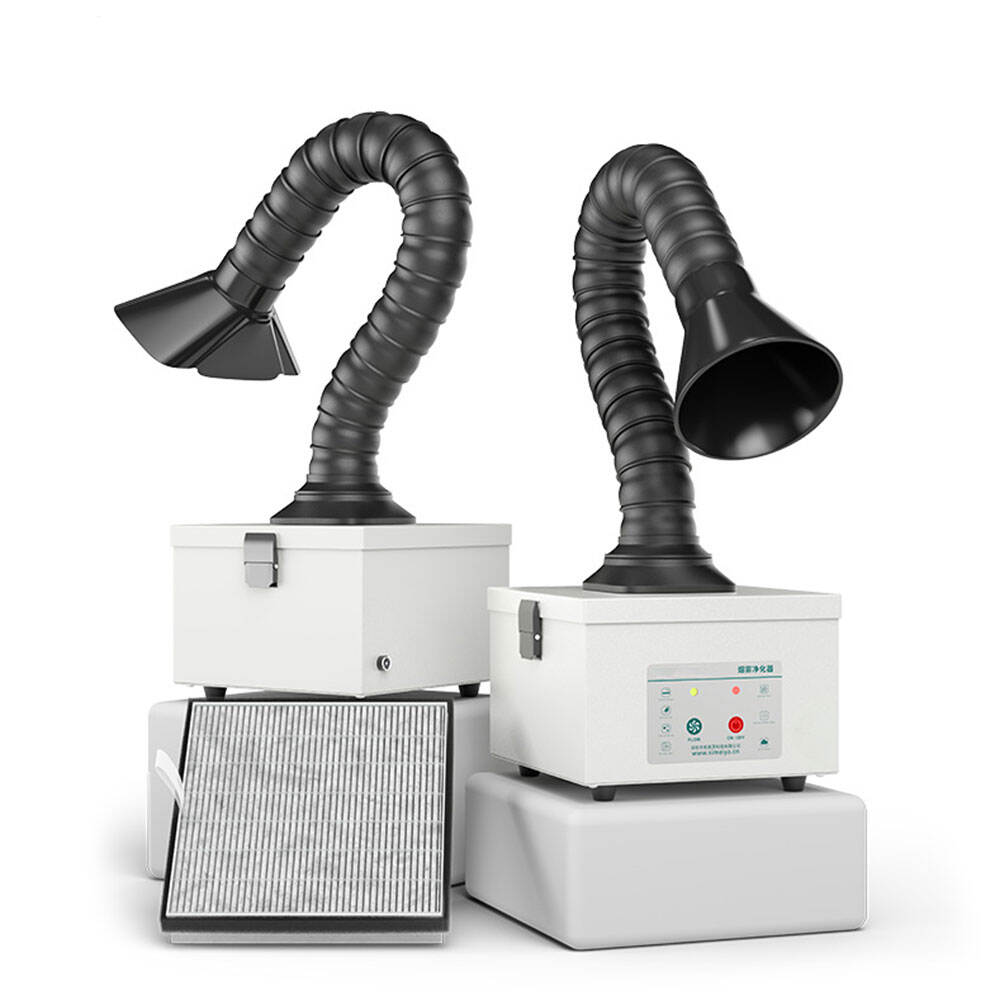
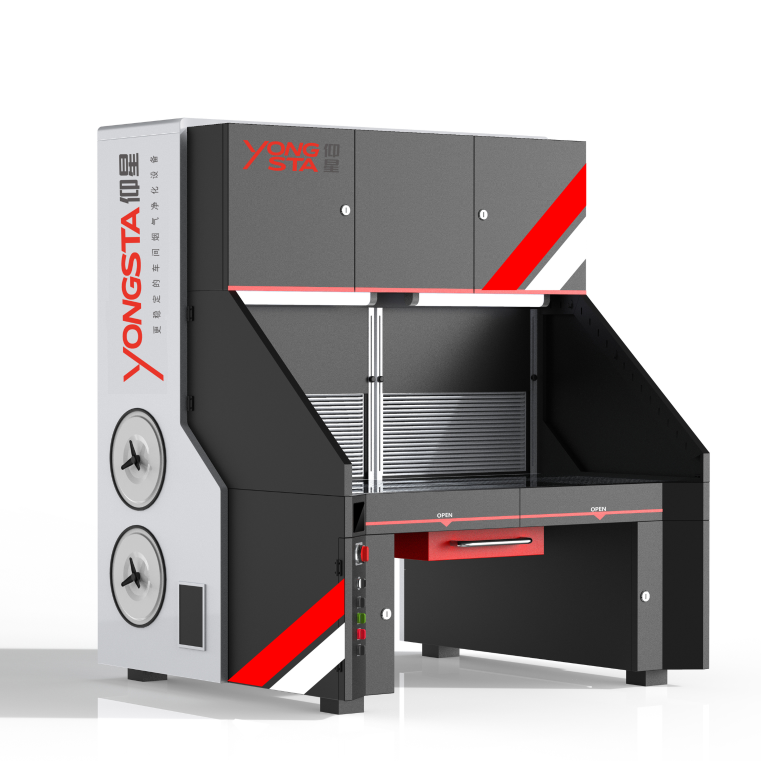
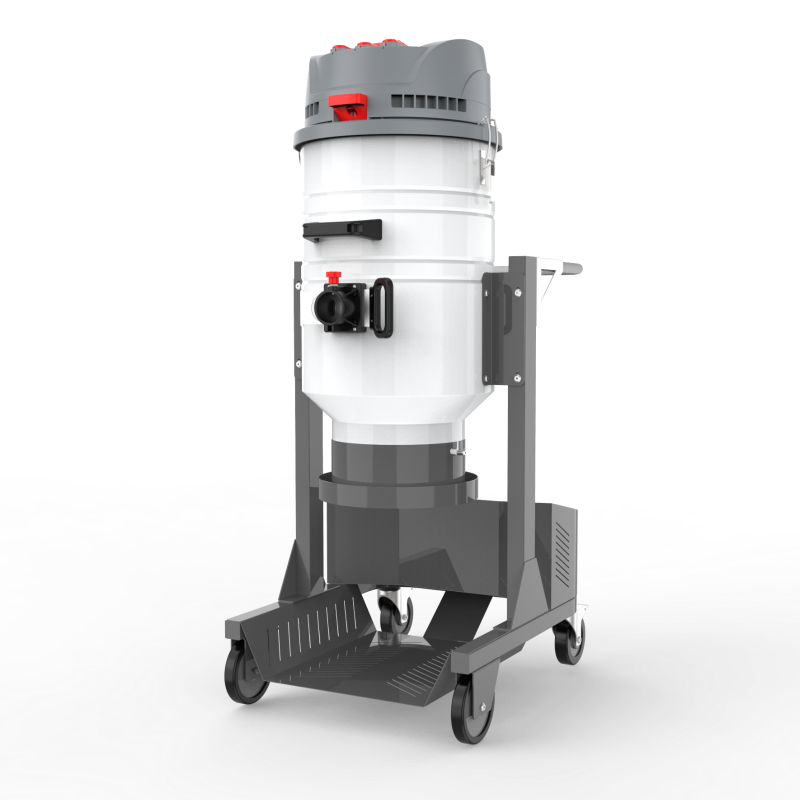
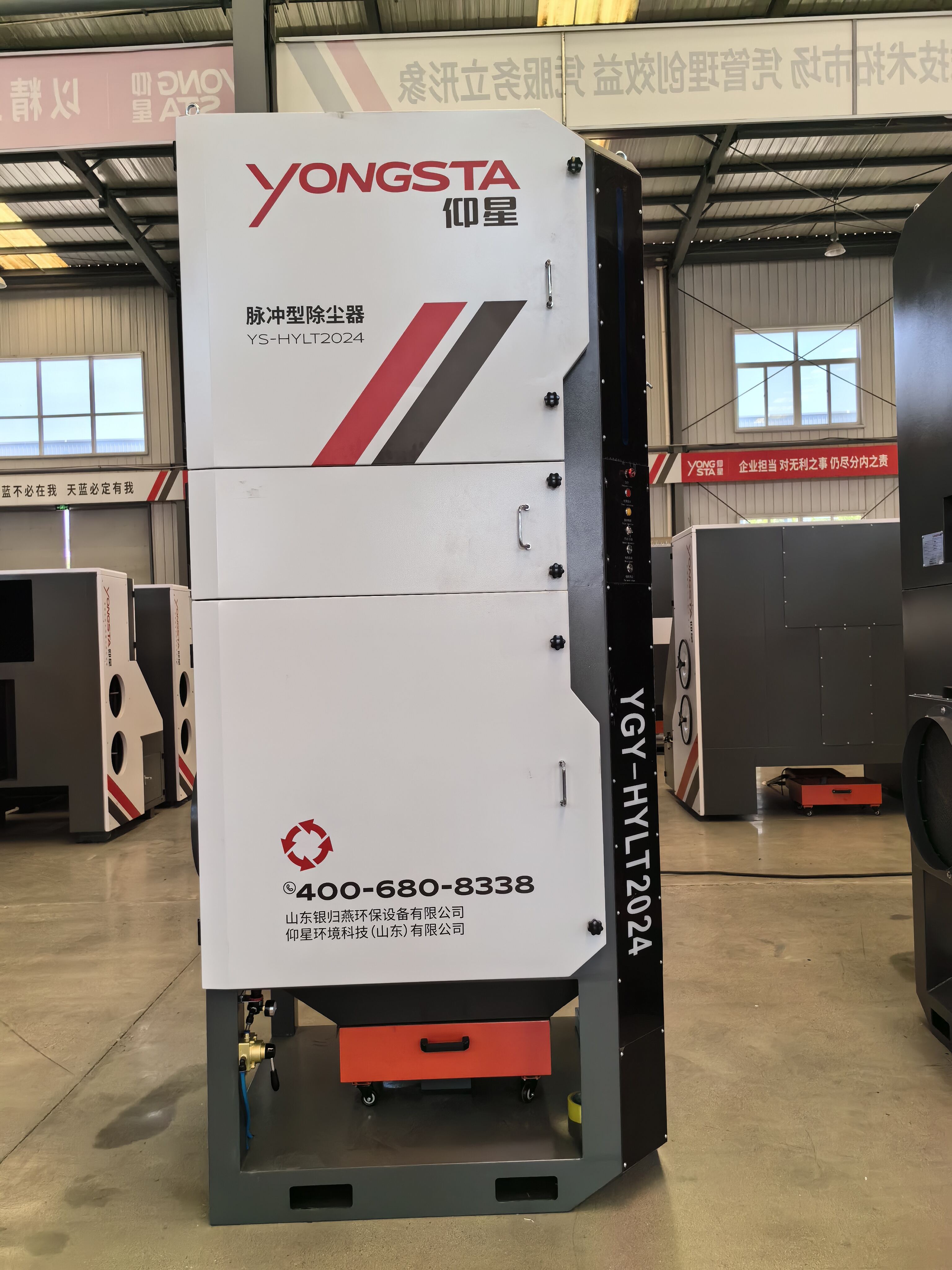
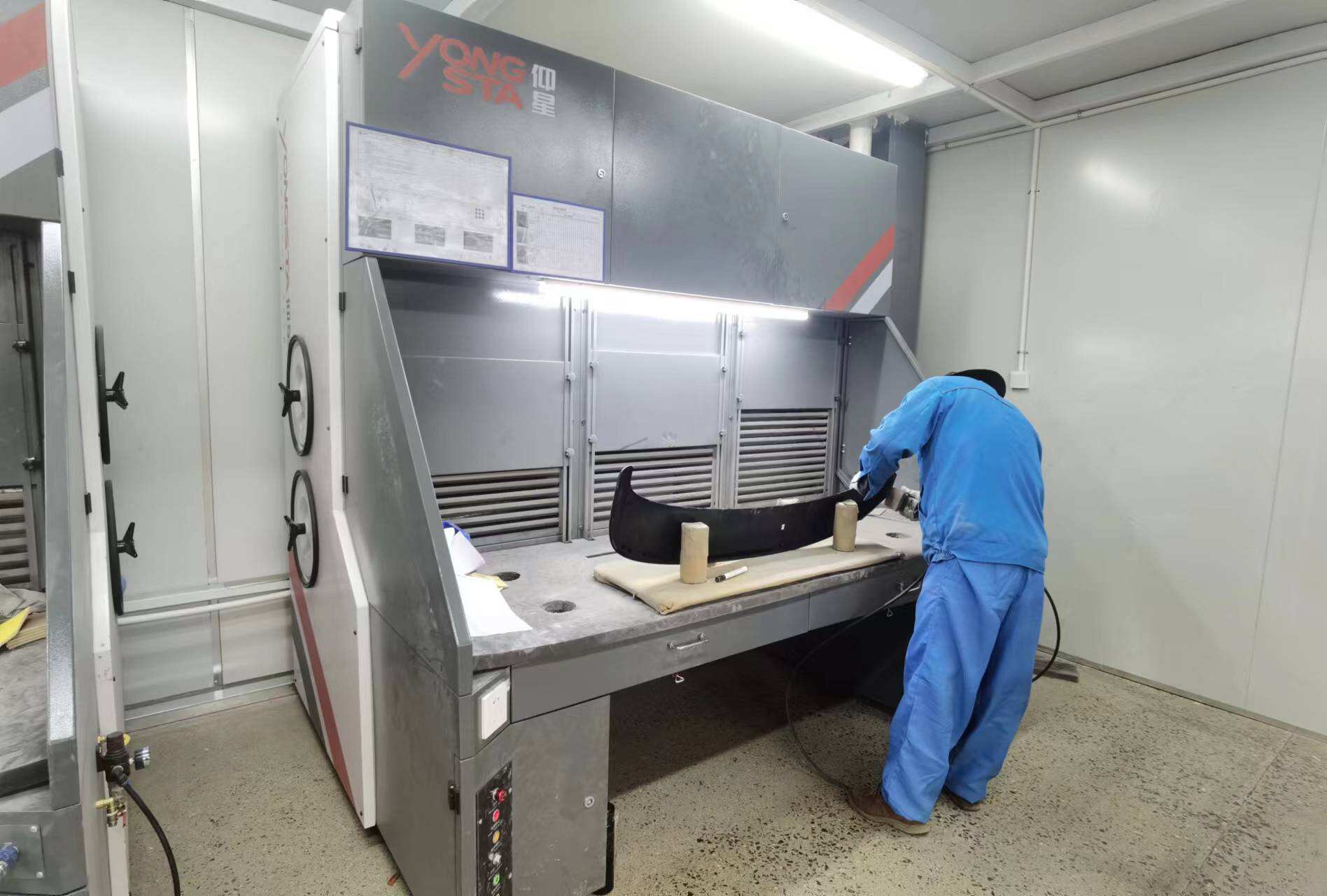
Un colector de humos de soldadura es un sistema industrial esencial de filtración de aire, diseñado para capturar y eliminar los humos, partículas y gases nocivos generados durante las operaciones de soldadura. Este equipo especializado protege a los trabajadores frente a contaminantes aéreos peligrosos, al tiempo que mantiene un entorno laboral limpio y seguro. La función principal de un colector de humos de soldadura consiste en extraer el aire contaminado mediante mecanismos de succión potentes, filtrar las partículas peligrosas y devolver al espacio de trabajo el aire purificado o expulsarlo al exterior. Los colectores modernos incorporan tecnologías avanzadas de filtración capaces de capturar partículas tan pequeñas como 0,3 micras, eliminando eficazmente óxidos metálicos, manganeso, cromo, níquel y otras sustancias tóxicas liberadas durante diversos procesos de soldadura. Estos sistemas suelen contar con múltiples etapas de filtración, incluidos prefiltros para partículas más grandes, filtros HEPA para partículas finas y filtros de carbón activado para contaminantes gaseosos y olores. Las características tecnológicas de los colectores actuales incluyen controles de velocidad variable que permiten a los operarios ajustar la potencia de succión según la aplicación específica de soldadura, sistemas automatizados de monitorización de filtros que alertan a los usuarios cuando se requiere mantenimiento y motores energéticamente eficientes que reducen los costes operativos. Muchos equipos ofrecen brazos de extracción o campanas flexibles que pueden posicionarse con precisión en la fuente de generación de humos, maximizando así la eficiencia de captura y minimizando el consumo energético. Las aplicaciones de los colectores de humos de soldadura abarcan numerosas industrias, entre ellas la fabricación automotriz, la construcción naval, talleres de fabricación metálica, obras de construcción, instalaciones de producción aeroespacial y talleres de mantenimiento. Estos sistemas son compatibles con diversas técnicas de soldadura, como la soldadura MIG, la soldadura TIG, la soldadura por arco y la soldadura por puntos. Ya sea para trabajos de reparación a pequeña escala o para líneas de producción industrial de gran tamaño, los colectores de humos de soldadura brindan una protección fundamental contra los riesgos para la salud ocupacional, garantizando al mismo tiempo el cumplimiento de las normativas de seguridad laboral y los estándares ambientales establecidos por organismos como OSHA y la EPA.
 ×
×



 EN
EN