Industrial Welding Fume Collector Systems - Advanced Air Filtration for Safer Welding Environments

Get a Free Quote

Our representative will contact you soon.
Email
Name
Company Name
Message
0/1000

welding fume collector

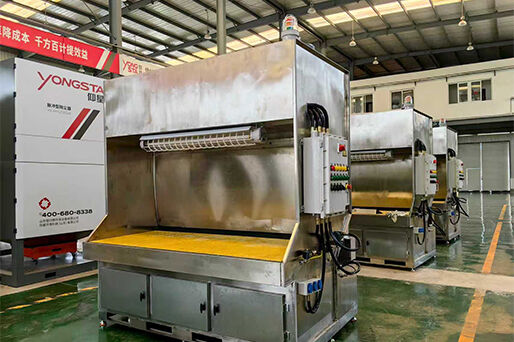
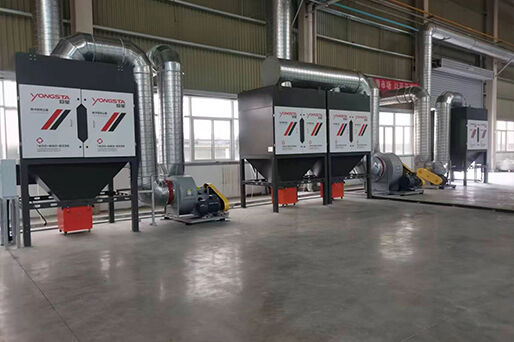
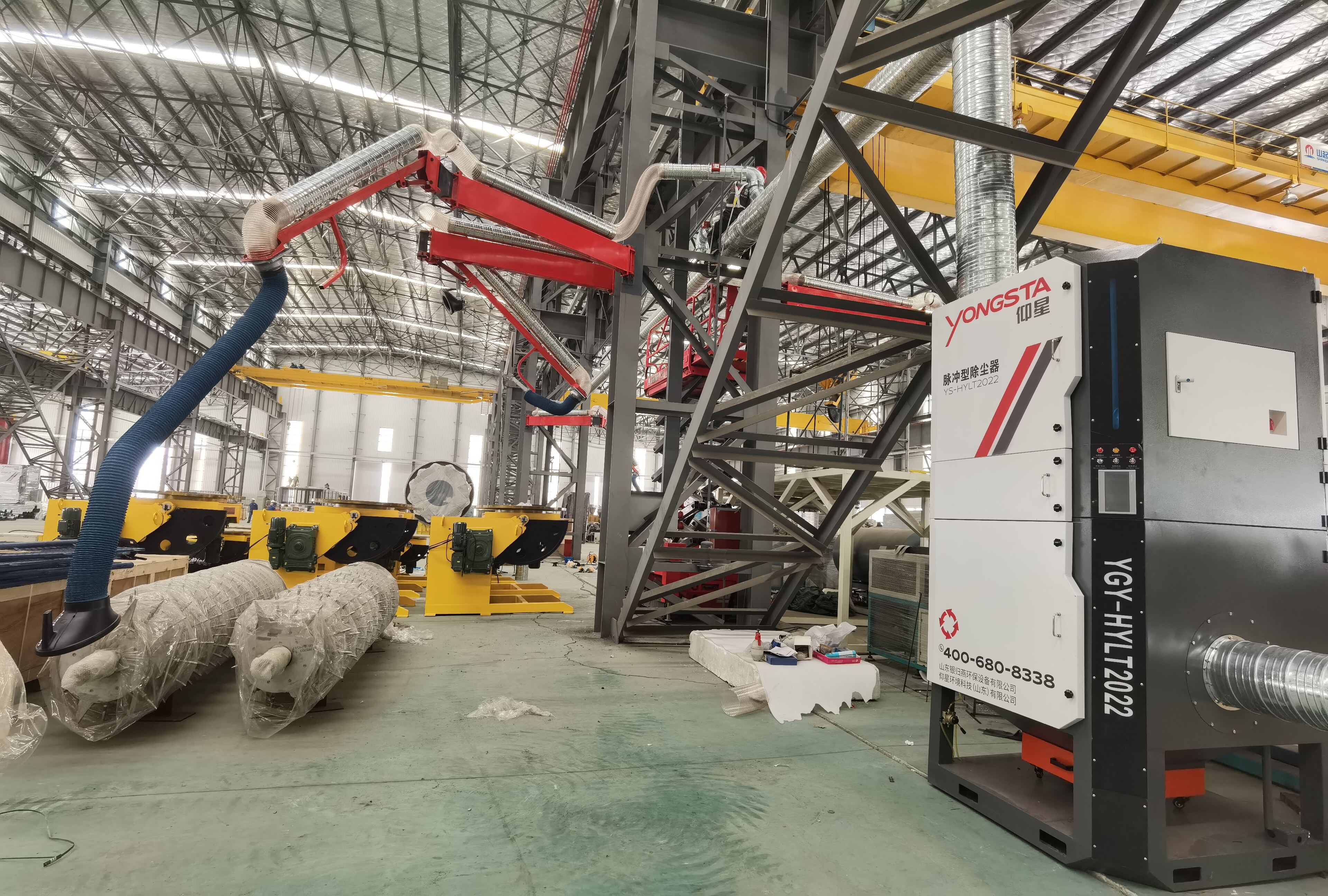
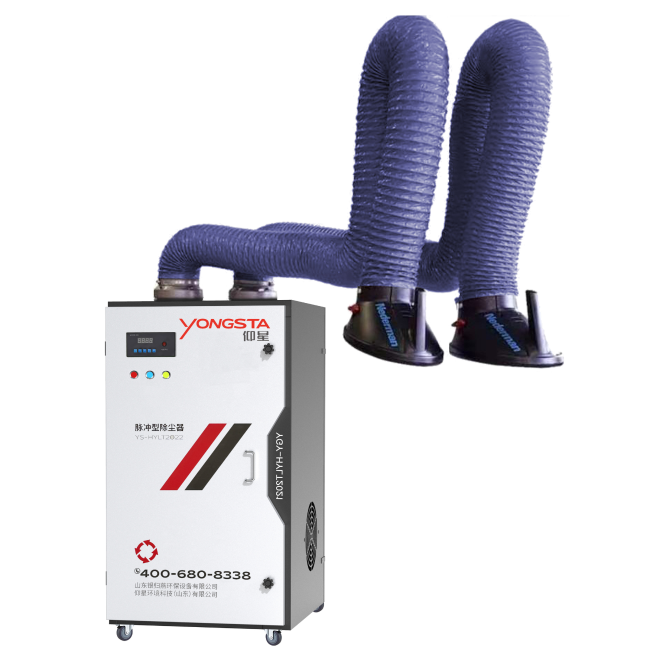
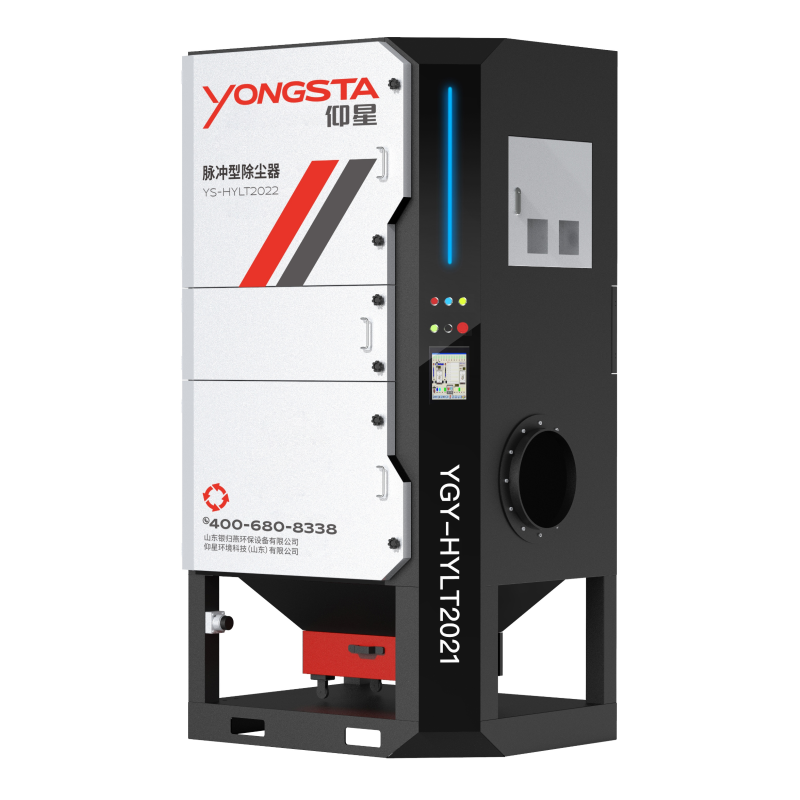
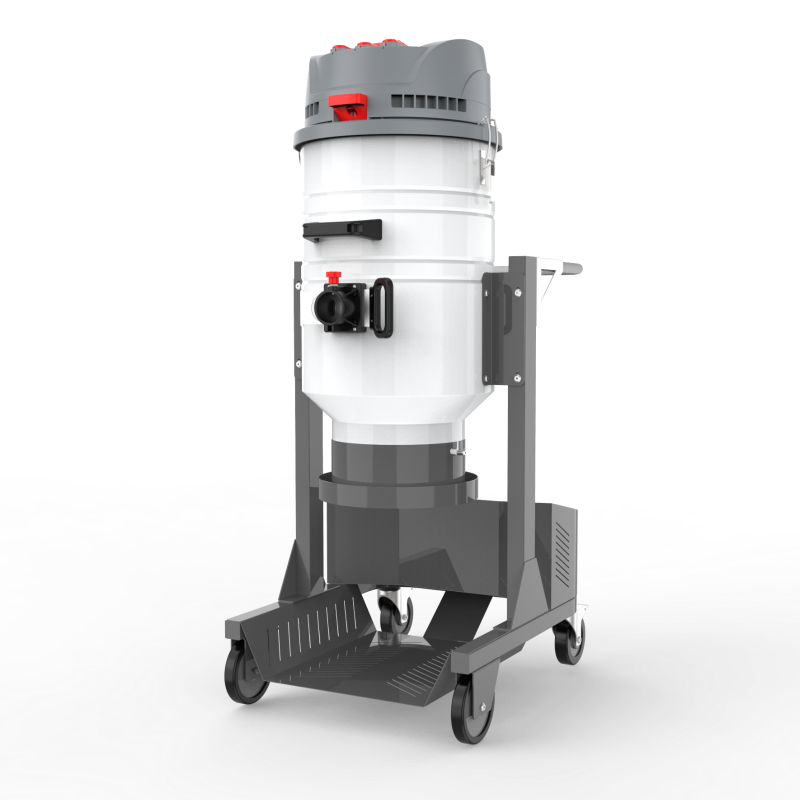
A welding fume collector is an essential industrial air filtration system designed to capture and remove hazardous smoke, gases, and particulate matter generated during welding operations. This specialized equipment protects workers from inhaling toxic fumes that contain metal oxides, fluorides, and other harmful substances released when metals are heated to extreme temperatures. The primary function of a welding fume collector involves drawing contaminated air away from the welding area through powerful suction, filtering out dangerous particles, and returning clean air to the workspace or exhausting it outside. Modern welding fume collectors utilize advanced filtration technology, typically incorporating multiple stages of filtration including pre-filters, HEPA filters, and activated carbon filters to achieve maximum efficiency. These systems can be configured as portable units for flexibility in smaller workshops or as centralized extraction systems for large manufacturing facilities. The technological features of contemporary welding fume collectors include variable speed controls that allow operators to adjust suction power based on the intensity of welding work, automatic filter cleaning mechanisms that extend filter life and maintain consistent performance, and smart monitoring systems that alert users when maintenance is required. Many models incorporate spark arrestor technology to prevent fire hazards, while noise reduction features ensure comfortable working conditions. The applications of welding fume collectors span across numerous industries including automotive manufacturing, shipbuilding, construction, metal fabrication, aerospace, and general manufacturing where welding processes such as MIG, TIG, arc welding, and plasma cutting are performed regularly. These systems are crucial for maintaining compliance with occupational health and safety regulations, including OSHA standards that mandate proper ventilation and fume extraction in welding environments. By implementing a welding fume collector, facilities demonstrate their commitment to worker safety while simultaneously improving air quality, reducing cleanup costs, and enhancing overall productivity in metalworking operations.

New Product Releases

Investing in a welding fume collector delivers immediate and long-term benefits that directly impact your bottom line and workforce wellbeing. The most significant advantage is the dramatic improvement in air quality within your facility. Workers breathe cleaner air, which reduces their exposure to toxic metal fumes and decreases the risk of developing serious respiratory conditions, metal fume fever, and long-term health complications. This protection translates into fewer sick days, lower healthcare costs, and improved employee morale as workers feel valued and protected. Your facility gains enhanced regulatory compliance, avoiding costly fines and potential shutdowns from safety violations. OSHA and environmental agencies require proper fume extraction, and a welding fume collector ensures you meet these standards consistently. The system captures contaminants at the source before they spread throughout your workspace, preventing the accumulation of metal dust on equipment, floors, and surfaces. This reduction in airborne particles means less frequent cleaning, lower maintenance costs for other machinery, and a more professional appearance for your facility. Productivity increases when welders work in comfortable conditions with clear visibility. Excessive fumes obscure the weld pool and force workers to pause frequently, but a welding fume collector maintains clear sightlines and allows continuous work. The improved environment also helps attract and retain skilled welders who prefer working in facilities that prioritize their health. Energy efficiency represents another practical benefit, as modern welding fume collectors recirculate filtered air back into the workspace rather than exhausting heated or cooled air outside. This feature reduces heating and cooling costs significantly, especially in extreme climates. The systems operate quietly, minimizing noise pollution and creating a more pleasant work environment. Installation flexibility allows you to choose between portable units that move with your work or fixed systems that cover entire production areas. Portable welding fume collectors offer exceptional versatility for job shops and facilities with changing layouts, while centralized systems provide comprehensive coverage for high-volume operations. The return on investment becomes evident quickly through reduced insurance premiums, as many carriers offer discounts for facilities with proper safety equipment. Equipment longevity improves across your facility because metal particles no longer settle on sensitive electronics, motors, and precision instruments. Your welding equipment itself lasts longer when operators can work at optimal settings without compensating for poor visibility. The welding fume collector also supports your company's reputation as a responsible employer and environmental steward, which enhances your brand image and can provide competitive advantages when bidding on contracts that require demonstrated safety commitments.

Practical Tips

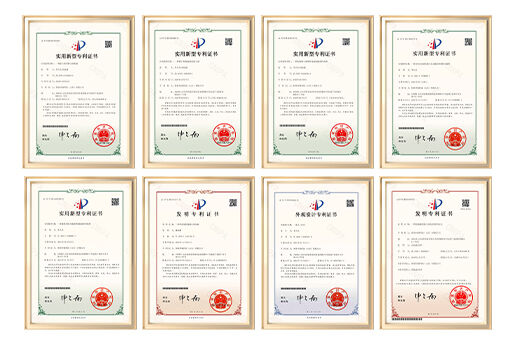
Yongsta R&D Team Wins 3 Dust Removal Technology Patents, Leading Industry Innovation

09

Apr

Yongsta R&D Team Wins 3 Dust Removal Technology Patents, Leading Industry Innovation

View More
Yongsta Cooperates with TUV for ATEX Explosion-Proof Certification, Explosion-Proof Dust Collector to Be Launched Soon

09

Apr

Yongsta Cooperates with TUV for ATEX Explosion-Proof Certification, Explosion-Proof Dust Collector to Be Launched Soon

View More
Empowering Benchmark Manufacturing! Yongsta Cartridge Dust Collector Aids Siemens Transformer China Factory's Dust Removal Renovation and Gains High Recognition

09

Apr

Empowering Benchmark Manufacturing! Yongsta Cartridge Dust Collector Aids Siemens Transformer China Factory's Dust Removal Renovation and Gains High Recognition

View More

Get a Free Quote

Our representative will contact you soon.
Email
Name
Company Name
Message
0/1000

welding fume collector

Advanced Multi-Stage Filtration Technology Ensures Maximum Contaminant Removal

Advanced Multi-Stage Filtration Technology Ensures Maximum Contaminant Removal

The cornerstone of an effective welding fume collector lies in its sophisticated multi-stage filtration system, which represents a critical investment in workplace safety and air quality management. This technology employs a carefully engineered sequence of filtration media, each designed to target specific particle sizes and contaminant types generated during welding operations. The first stage typically features a pre-filter or spark arrestor that captures larger particles and prevents hot sparks from reaching sensitive filter media, thereby protecting the system from fire hazards while extending the life of downstream filters. This initial barrier removes the bulk of coarse particles, allowing subsequent stages to focus on finer contaminants. The second stage often incorporates high-efficiency particulate filters capable of capturing particles as small as 0.3 microns with efficiency ratings exceeding 99.97 percent, effectively trapping the dangerous metal oxides and fumes that pose the greatest health risks to welders. These filters utilize densely packed synthetic or glass fiber media that create a tortuous path for air molecules, forcing particles to collide with filter fibers where they become trapped through various mechanisms including interception, impaction, and diffusion. The final stage frequently includes activated carbon filters or chemical filters that adsorb gaseous contaminants, odors, and volatile organic compounds that pass through particulate filters. This comprehensive approach ensures that the air returned to your workspace or exhausted outside meets or exceeds environmental and occupational health standards. Modern welding fume collectors incorporate automatic filter monitoring systems that track pressure differential across filter stages, providing real-time data on filter loading and performance. When filters approach capacity, the system alerts operators to schedule maintenance before efficiency declines, ensuring consistent protection and preventing unexpected downtime. Some advanced models feature automatic filter cleaning mechanisms such as pulse-jet systems that periodically blast compressed air through filters to dislodge accumulated particles, significantly extending filter life and reducing operating costs. The modular design of contemporary filtration systems allows for easy filter replacement without specialized tools or extensive downtime, minimizing maintenance burden on your staff. The filtration technology adapts to various welding processes, whether you perform light-duty TIG welding that generates fine particulates or heavy-duty arc welding that produces substantial fume volumes. By selecting appropriate filter combinations and system configurations, you ensure optimal performance for your specific applications while maintaining the flexibility to adjust as your operations evolve.
Flexible Capture Methods Adapt to Diverse Welding Environments and Applications

Flexible Capture Methods Adapt to Diverse Welding Environments and Applications

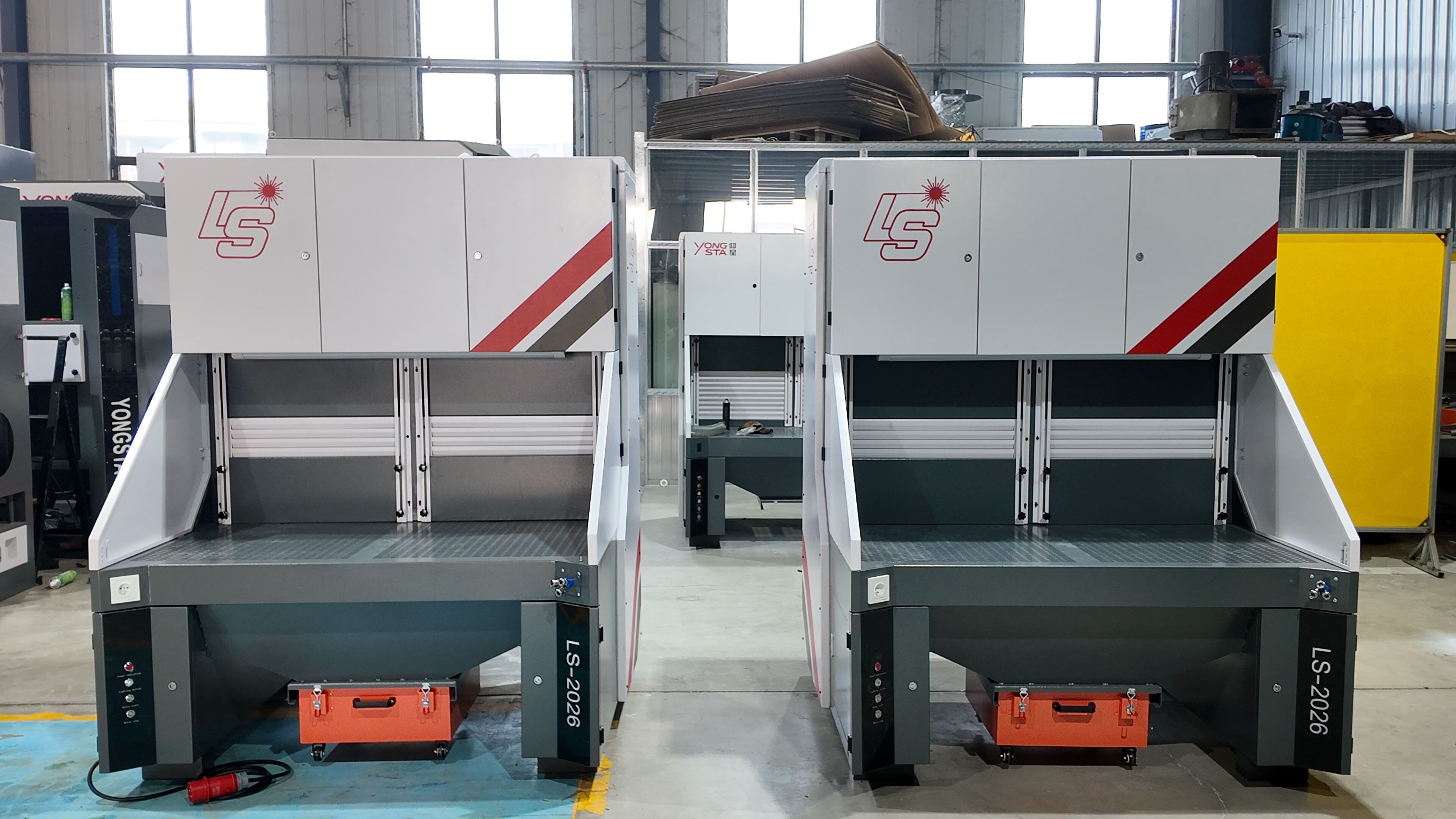
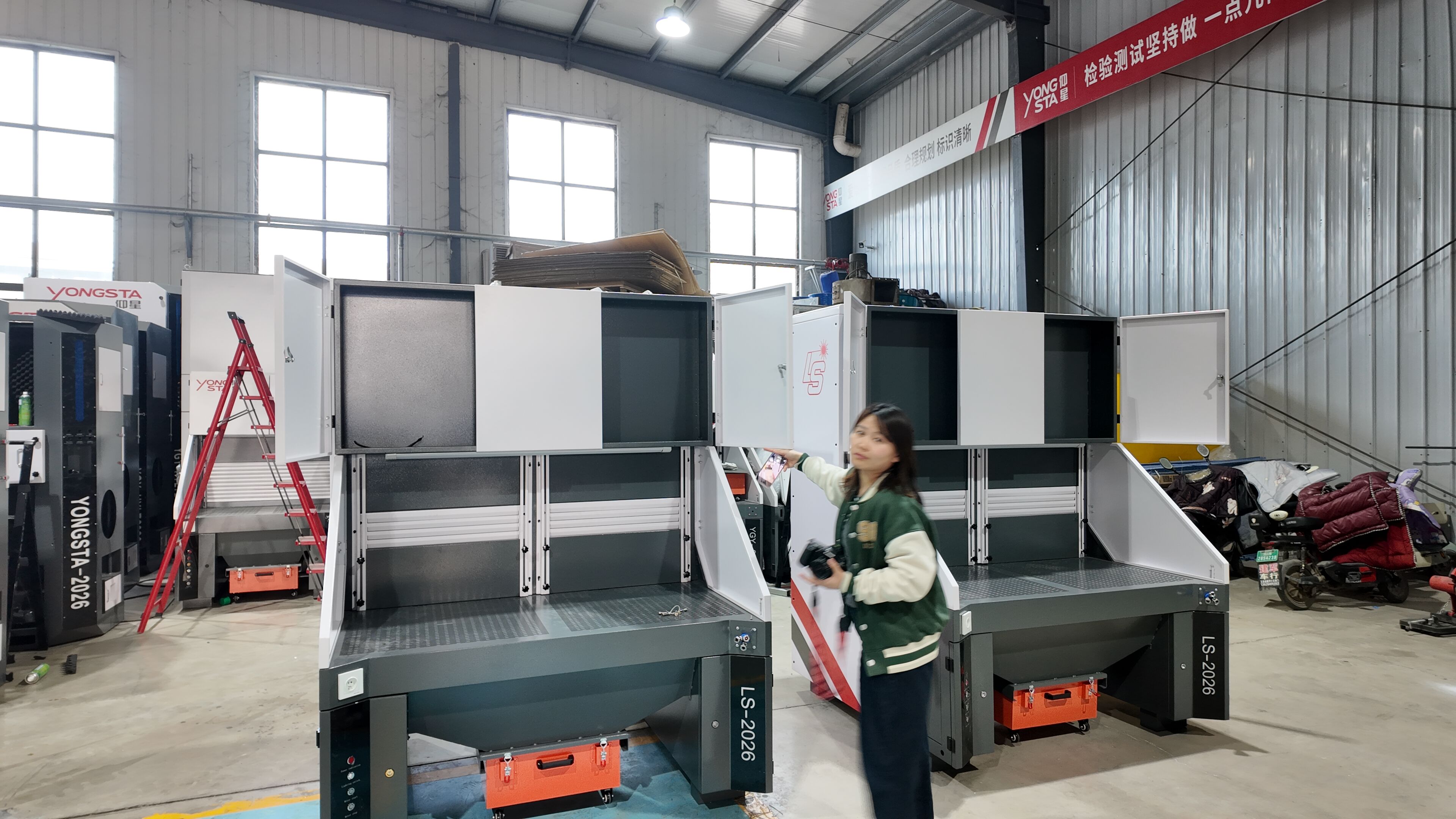
The versatility of welding fume collector capture methods represents a transformative advantage for facilities with varied welding operations, multiple workstations, or changing production requirements. Understanding the different capture approaches allows you to optimize fume extraction efficiency while maintaining operational flexibility and cost-effectiveness. Source capture systems utilize flexible extraction arms or hoods positioned directly at the welding point, capturing fumes immediately as they generate before they can disperse into the broader workspace. These systems deliver the highest capture efficiency, typically removing 95 percent or more of welding fumes at the source, and require less airflow compared to ambient systems because they target concentrated fume streams. The articulating arms feature internal dampers that hold position once adjusted, allowing welders to quickly position the capture hood near their work without constant readjustment, and the hoods incorporate designs that maximize capture area while minimizing interference with welding operations. For facilities with fixed welding stations, downdraft tables provide an elegant solution by drawing fumes downward through a perforated work surface, creating a clean breathing zone for the operator while capturing contaminants efficiently. These tables work particularly well for smaller components and offer the added benefit of providing a stable work surface with integrated fume extraction. Backdraft booths serve applications where larger assemblies require welding, creating a wall of negative pressure that pulls fumes away from the operator toward the extraction system, and these booths can be customized in size to accommodate various workpiece dimensions. For facilities where welding locations change frequently or where installing fixed extraction points proves impractical, portable welding fume collectors with flexible hoses offer maximum mobility, allowing operators to move the unit to wherever work occurs. These portable systems typically feature robust casters, compact footprints, and self-contained filtration, making them ideal for maintenance operations, job shops, and educational facilities. Ambient air filtration represents another approach for facilities where source capture proves difficult to implement, using ceiling-mounted or wall-mounted units that continuously filter the general workspace air. While less efficient than source capture, ambient systems provide baseline protection and work well as supplementary filtration in conjunction with source capture methods. The choice between these capture methods depends on your specific welding processes, facility layout, production volume, and budget considerations. Many facilities implement hybrid approaches, combining source capture at primary welding stations with portable units for flexibility and ambient filtration for overall air quality management. Modern welding fume collectors support multiple capture points from a single filtration unit, allowing centralized systems to serve numerous workstations simultaneously through ducted connections, which reduces equipment costs and simplifies maintenance compared to individual units at each station.
Smart Monitoring and Control Systems Optimize Performance and Reduce Operating Costs

Smart Monitoring and Control Systems Optimize Performance and Reduce Operating Costs

Contemporary welding fume collectors incorporate intelligent monitoring and control technologies that transform these systems from passive filtration devices into active partners in facility management and cost optimization. These smart features provide real-time visibility into system performance, enable predictive maintenance, and ensure consistent protection while minimizing energy consumption and operational expenses. Digital control panels display critical operating parameters including airflow rates, filter pressure drop, motor current, and system runtime, giving operators immediate insight into equipment status without requiring specialized diagnostic tools. Advanced models feature touchscreen interfaces with intuitive navigation that allows users to adjust settings, view historical data, and access maintenance schedules with minimal training. Variable frequency drives represent a key technology that adjusts motor speed based on actual demand rather than running at full capacity continuously, reducing energy consumption by up to 50 percent during periods of light welding activity while maintaining adequate capture velocity during intensive operations. These drives respond automatically to changes in system resistance as filters load, maintaining consistent airflow throughout the filter life cycle and eliminating the performance degradation that occurs with fixed-speed systems. Automated filter monitoring eliminates guesswork from maintenance scheduling by continuously measuring pressure differential across filter stages and calculating remaining filter life based on actual usage patterns rather than arbitrary time intervals. When filters require attention, the system generates alerts through visual indicators, audible alarms, or digital notifications sent to maintenance personnel via email or text message, ensuring timely service before performance suffers. Some sophisticated systems integrate with facility management software and building automation systems, allowing centralized monitoring of multiple welding fume collectors across large facilities or multiple locations from a single interface. This connectivity enables facility managers to track energy consumption, compare performance across units, identify optimization opportunities, and generate compliance reports for regulatory agencies. Remote diagnostics capabilities allow service technicians to troubleshoot issues without site visits, reducing downtime and service costs while accelerating problem resolution. The data collected by smart welding fume collectors supports continuous improvement initiatives by revealing usage patterns, identifying peak demand periods, and highlighting opportunities to optimize welding schedules or equipment placement. Energy management features include programmable operating schedules that automatically power down systems during non-production hours, standby modes that reduce power consumption when welding activity ceases, and demand-based operation that activates extraction only when welding actually occurs. These capabilities deliver substantial cost savings over the equipment lifetime while maintaining full protection during active welding periods. The monitoring systems also track maintenance history, component replacement dates, and service intervals, creating a comprehensive maintenance record that supports warranty claims, regulatory compliance documentation, and asset management. Predictive analytics in premium models analyze performance trends to forecast potential issues before they cause failures, enabling proactive maintenance that prevents unexpected downtime and extends equipment life.

Get a Free Quote

Our representative will contact you soon.
Email
Name
Company Name
Message
0/1000
email goToTop