Tecnología avanzada de filtración en múltiples etapas garantiza la captura máxima de contaminantes
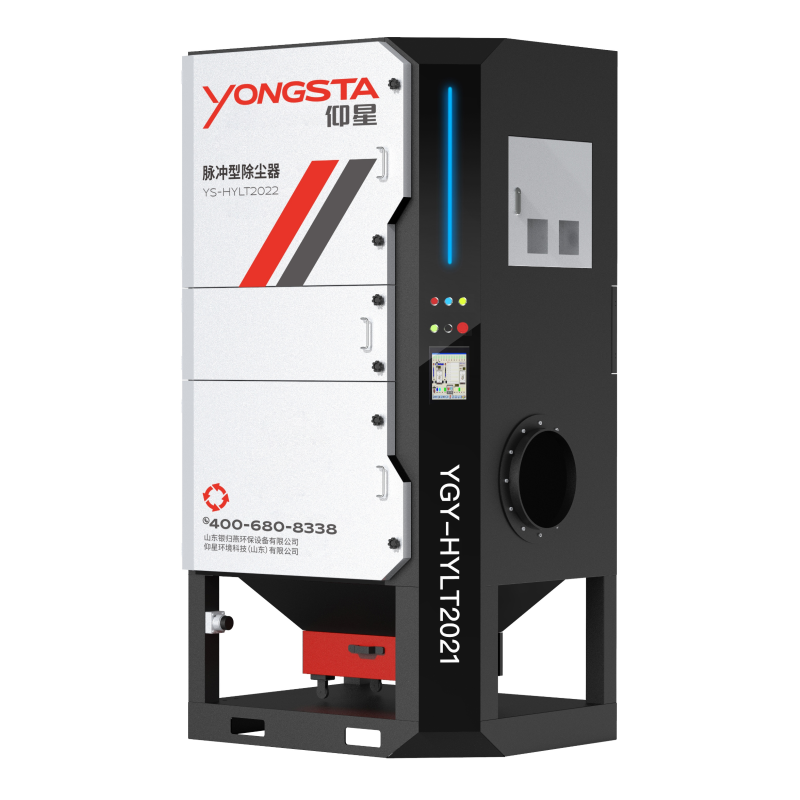
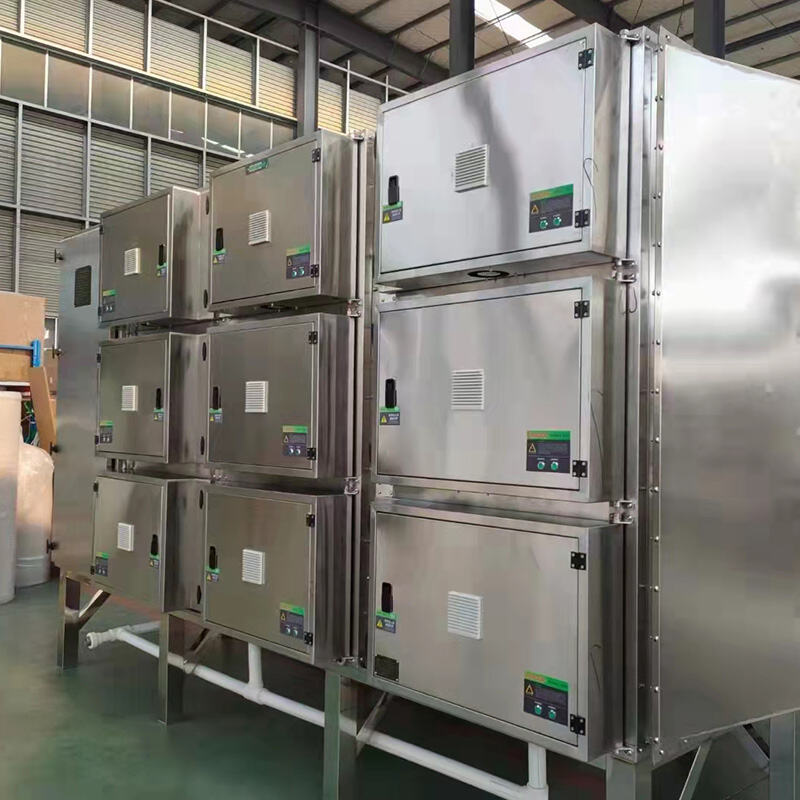
La piedra angular de cualquier extractor eficaz de humos de plasma radica en su sistema de filtración, y los equipos modernos emplean sofisticados enfoques multicapa que abordan la compleja mezcla de contaminantes generada durante el corte por plasma. La primera etapa suele consistir en un prefiltrado o arrestador de chispas que captura partículas más grandes y evita que las chispas calientes lleguen a los medios filtrantes sensibles ubicados aguas abajo. Esta barrera inicial protege las etapas de filtración más delicadas, al tiempo que maneja la mayor parte de las partículas gruesas. La segunda etapa incorpora una filtración de aire de partículas de alta eficiencia, capaz de retener partículas tan pequeñas como 0,3 micras con una eficiencia superior al 99,97 %. Este nivel de filtración resulta esencial, ya que el corte por plasma genera partículas metálicas ultrafinas que penetran fácilmente en filtros convencionales y representan el mayor riesgo para la salud cuando se inhalan profundamente en el tejido pulmonar. Estas partículas microscópicas incluyen metales pesados como cromo, níquel, manganeso y otros elementos tóxicos, dependiendo de los materiales que se estén cortando. La tercera etapa de filtración incorpora carbón activado o filtros químicos diseñados específicamente para adsorber contaminantes gaseosos y olores que los filtros de partículas no pueden capturar. El corte por plasma produce óxidos de nitrógeno, ozono, monóxido de carbono y diversos compuestos orgánicos volátiles que requieren adsorción química, no filtración mecánica. El carbón activado proporciona una superficie extremadamente amplia en la que estas moléculas gaseosas se unen químicamente, impidiendo su liberación nuevamente al entorno de trabajo. Algunos sistemas avanzados incluyen filtros especializados adicionales para aplicaciones específicas, como separadores de niebla de aceite para operaciones que implican materiales lubricados o filtros finales HEPA para entornos de máxima pureza. La disposición secuencial de estas etapas de filtración crea una barrera integral contra todos los tipos de contaminantes, optimizando simultáneamente la vida útil de los filtros. Las partículas gruesas capturadas desde el principio evitan la obstrucción prematura de filtros finos costosos, prolongando los intervalos de sustitución y reduciendo los costes operativos. Los sistemas de monitorización de filtros ofrecen retroalimentación en tiempo real sobre el estado de los filtros, alertando a los operarios cuando se hace necesaria su sustitución, en lugar de depender de calendarios temporales arbitrarios. Este enfoque de mantenimiento basado en el estado evita tanto el reemplazo prematuro de los filtros como la operación continuada con filtros saturados, lo cual comprometería la eficiencia de extracción. El diseño modular de los filtros permite su sustitución rápida sin necesidad de herramientas especializadas ni tiempos de inactividad prolongados, minimizando las interrupciones en los programas de producción. La inversión en tecnología de filtración superior rinde beneficios tangibles mediante la eliminación exhaustiva de contaminantes, la prolongación de la vida útil de los filtros y la protección fiable tanto de los trabajadores como del equipo.
 ×
×



 EN
EN