sistemas industriales de filtración de polvo
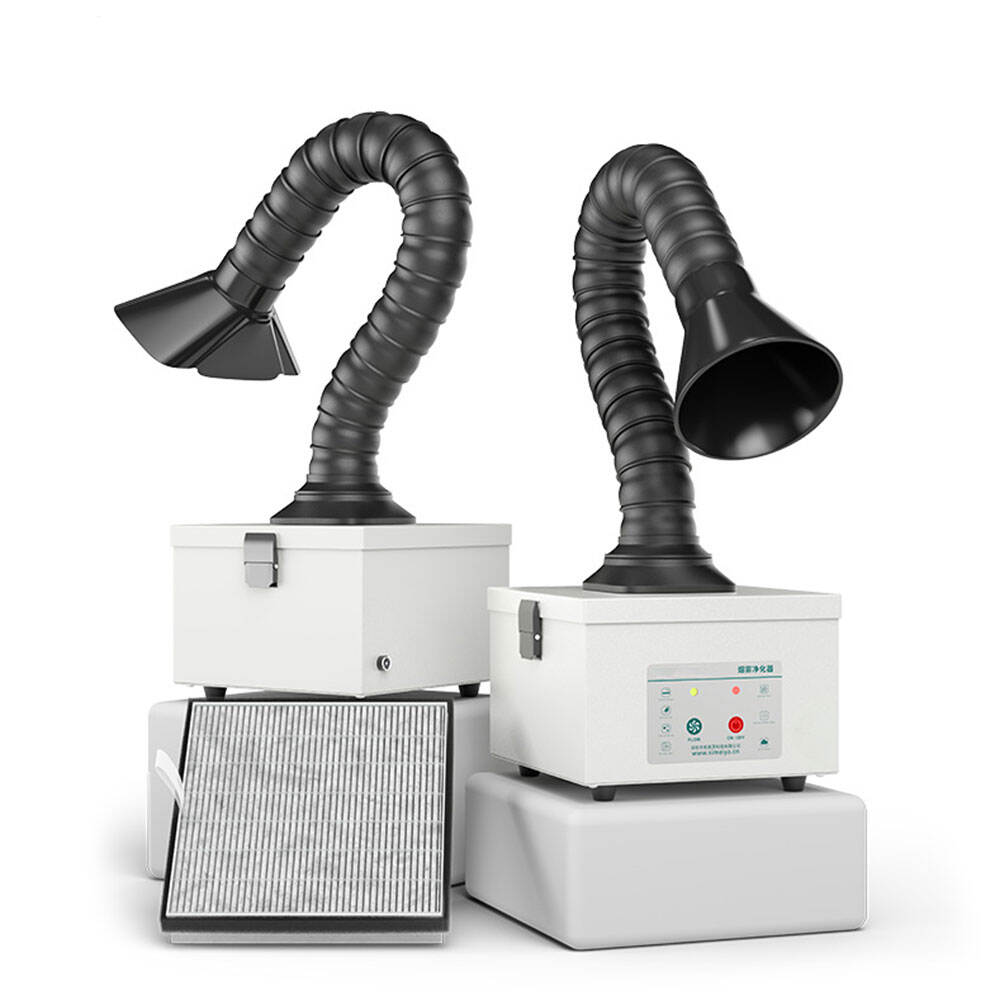
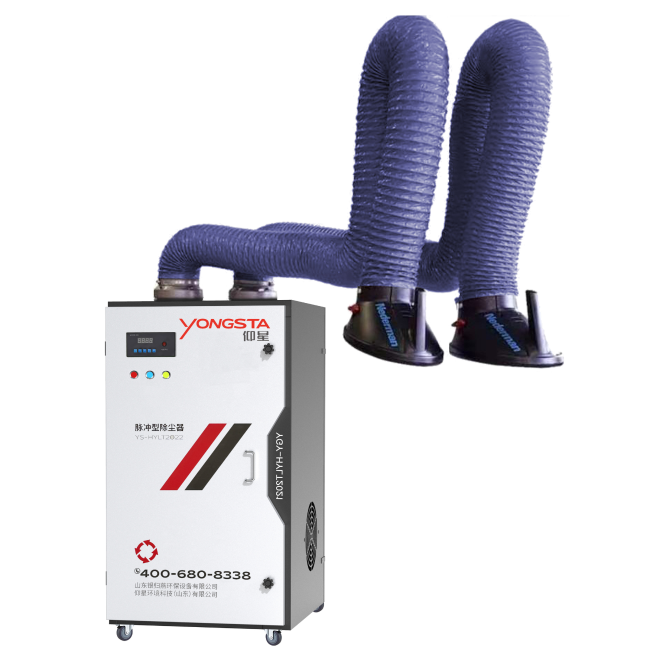
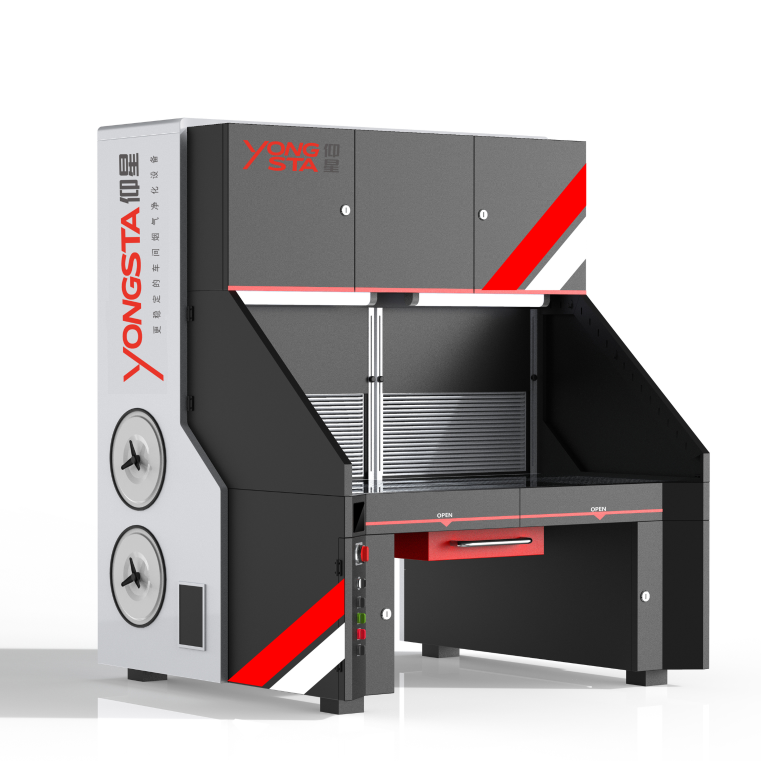
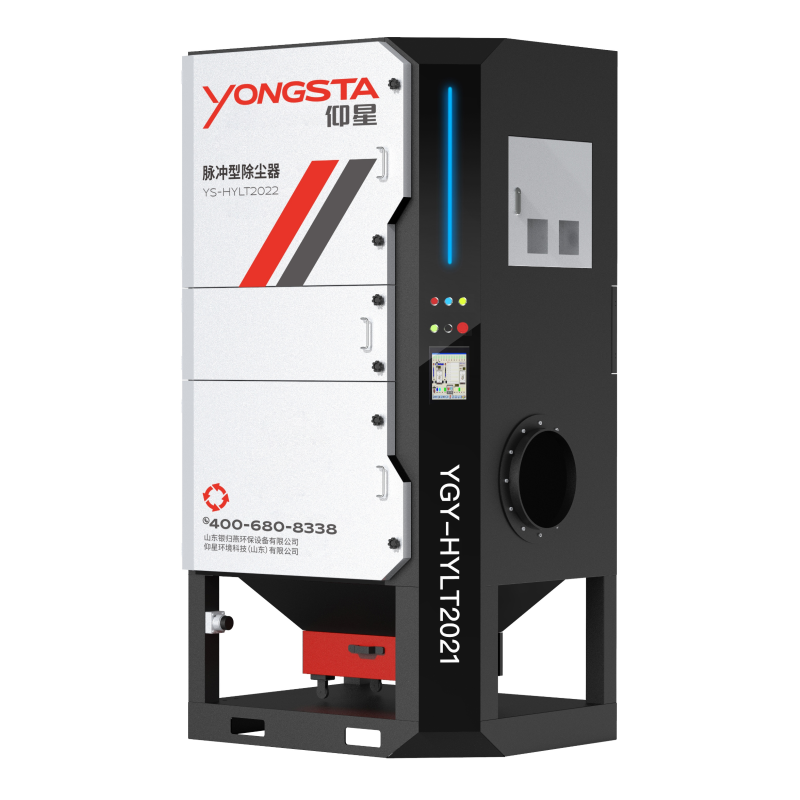
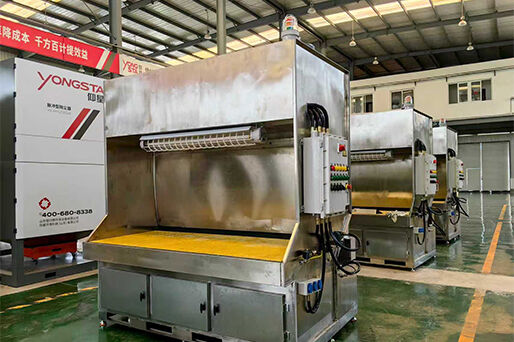
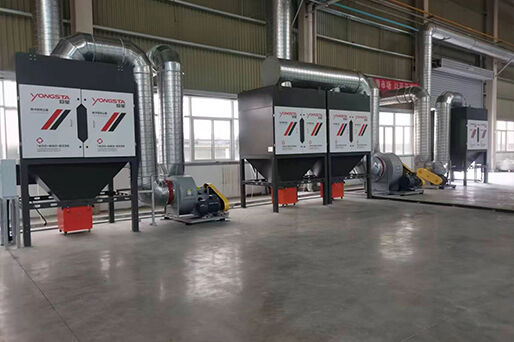
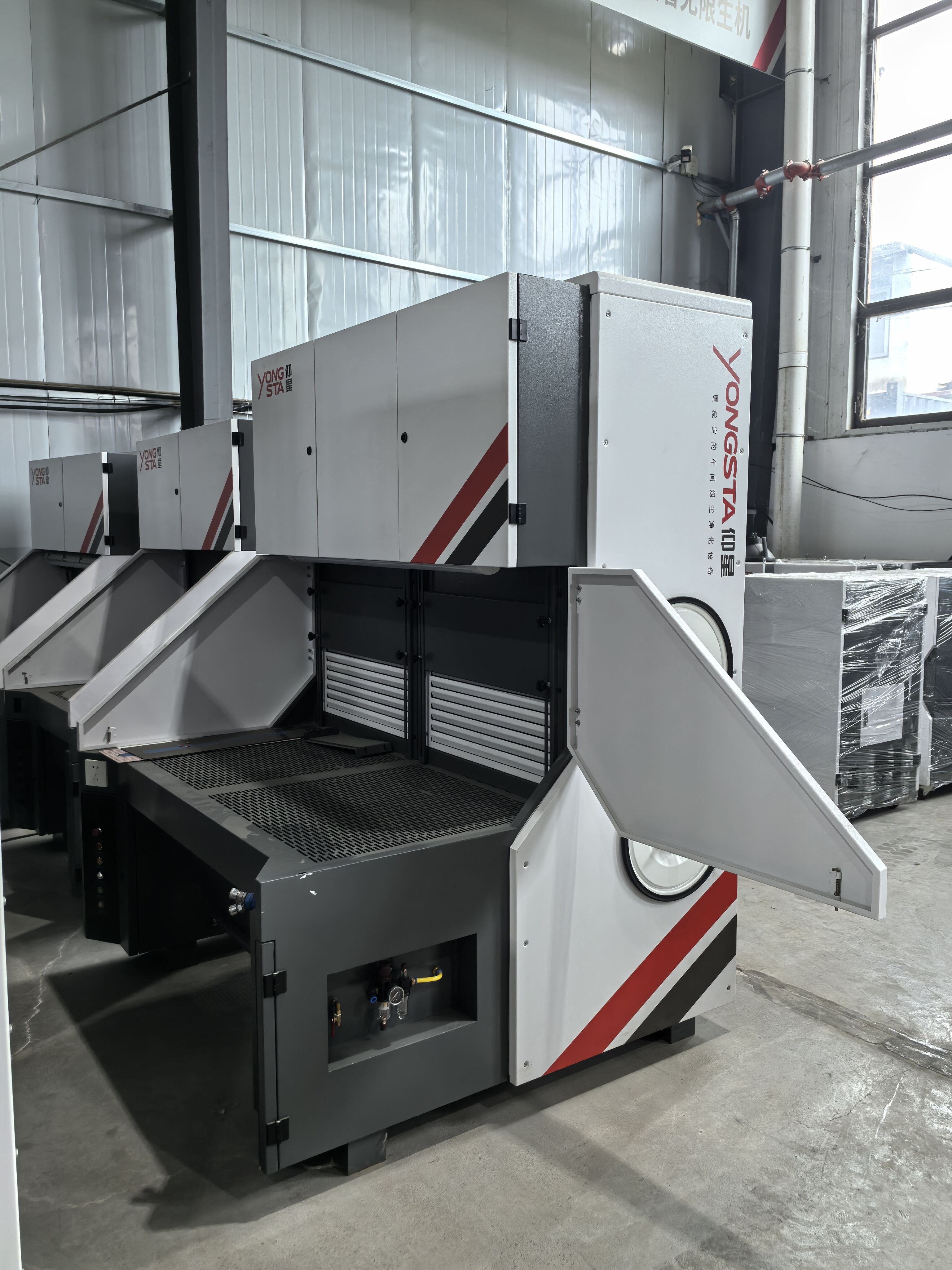
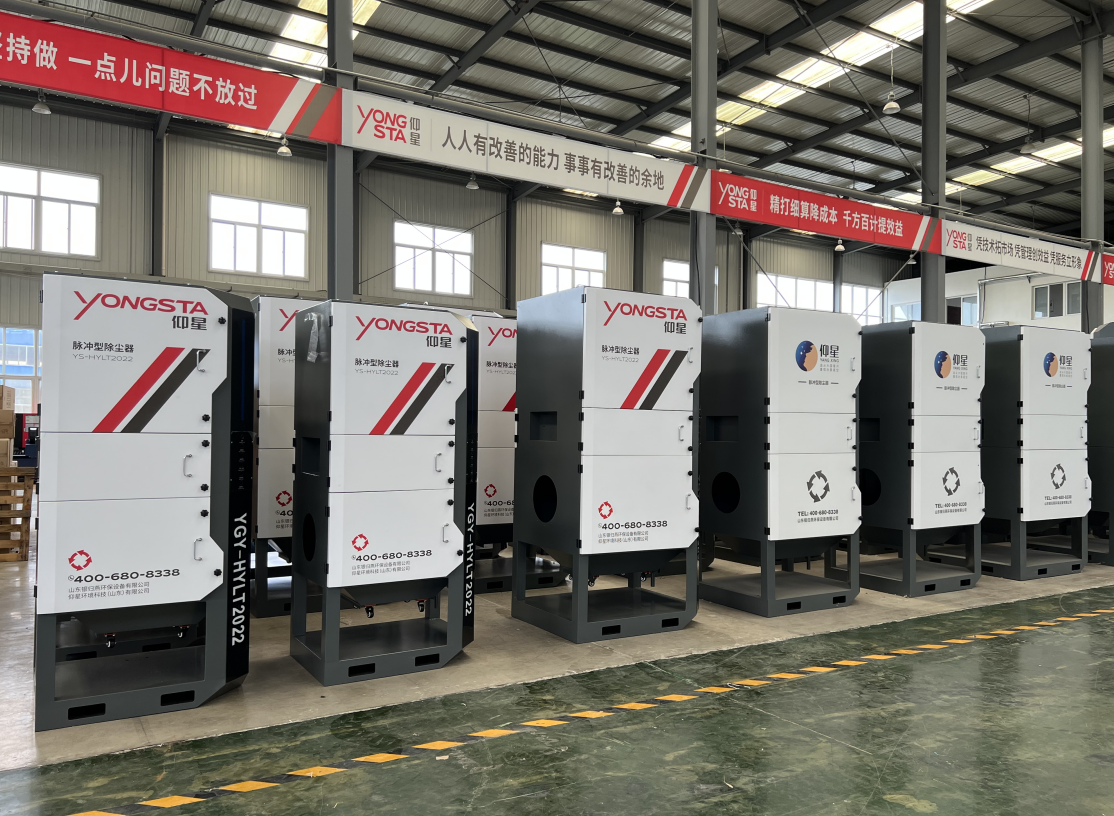
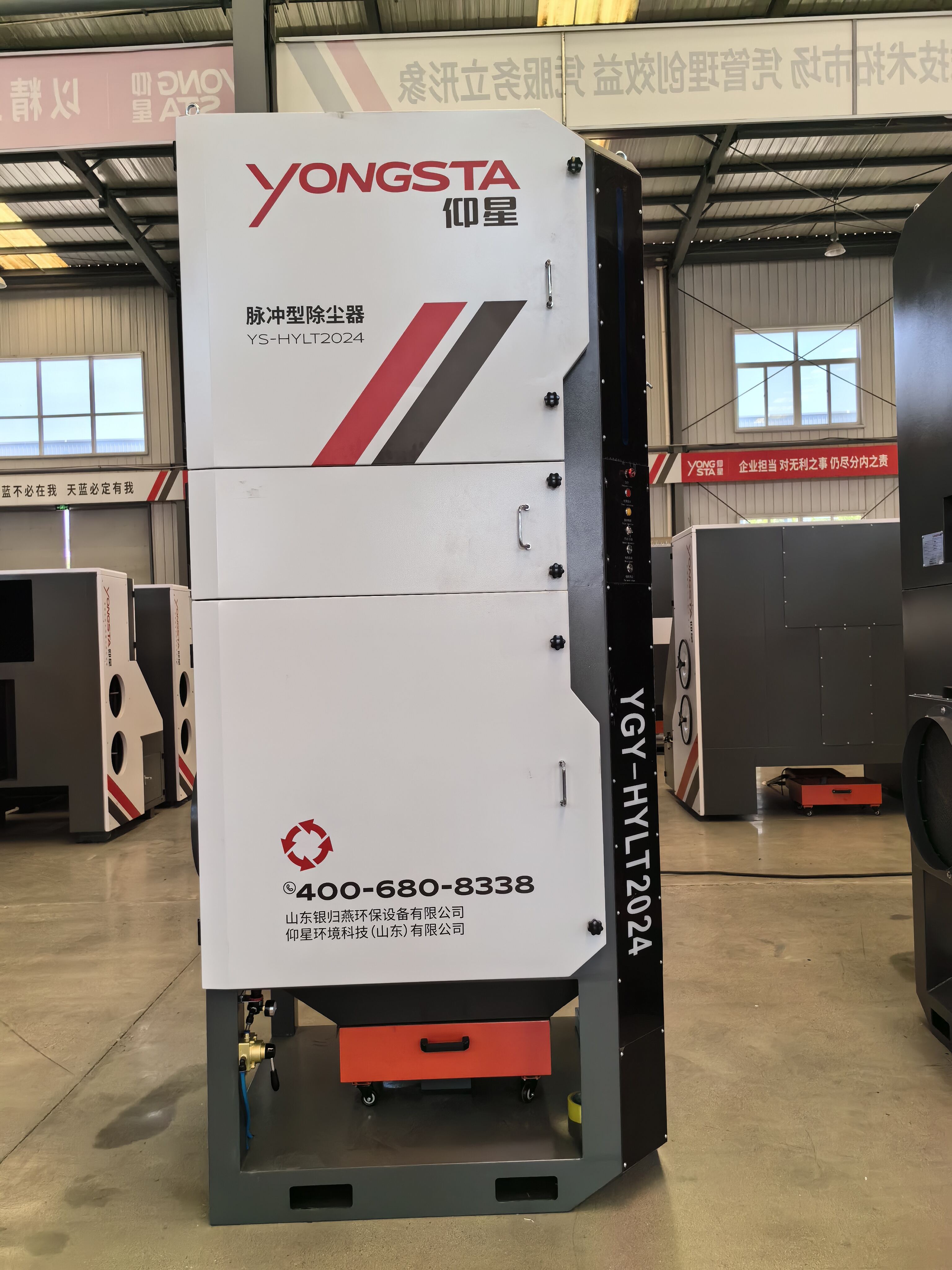
Los sistemas industriales de filtración de polvo representan un componente crítico en las instalaciones modernas de fabricación y procesamiento, diseñados para capturar y eliminar partículas sólidas en suspensión del aire en los entornos laborales. Estos sofisticados sistemas protegen la salud de los trabajadores, garantizan el cumplimiento normativo y mantienen la calidad de los productos en una amplia variedad de industrias. En su esencia, los sistemas industriales de filtración de polvo emplean principios mecánicos y aerodinámicos avanzados para separar las partículas de polvo de las corrientes de aire, evitando la contaminación y creando condiciones laborales más seguras. Las funciones principales de estos sistemas incluyen la captura de partículas de polvo finas y gruesas, la reducción de contaminantes atmosféricos, el mantenimiento de una circulación de aire limpio y la protección de los equipos frente a la acumulación de polvo, que puede provocar desgaste prematuro o fallos. Estos sistemas utilizan diversas tecnologías de filtración, como filtros de manga (baghouse), colectores de cartuchos, separadores ciclónicos y precipitadores electrostáticos, cada uno adaptado a tamaños específicos de partículas y requisitos operativos concretos. Entre las características tecnológicas de los sistemas industriales modernos de filtración de polvo se encuentran mecanismos automatizados de limpieza, como la tecnología de inyección por pulsos (pulse-jet), que utiliza ráfagas de aire comprimido para desprender el polvo acumulado del medio filtrante, prolongando así la vida útil de los filtros y manteniendo un caudal de aire constante. Los sistemas avanzados de monitorización registran diferencias de presión, caudales de aire y estado de los filtros, lo que permite realizar mantenimiento predictivo y optimizar el rendimiento. Muchos sistemas incorporan variadores de frecuencia que ajustan la velocidad de los ventiladores según la demanda en tiempo real, reduciendo el consumo energético sin comprometer la eficacia de la filtración. Los sistemas industriales de filtración de polvo se aplican en numerosos sectores, entre ellos: instalaciones de carpintería, donde debe capturarse serrín y partículas de madera; operaciones metalúrgicas que generan polvo de rectificado y humos de soldadura; fabricación farmacéutica, que exige entornos estériles; plantas de procesamiento de alimentos, que deben cumplir rigurosos estándares de higiene; instalaciones de producción de cemento, encargadas de controlar el polvo de cemento; y plantas químicas, que gestionan partículas peligrosas. La versatilidad de los sistemas industriales de filtración de polvo permite su personalización según las características específicas de las partículas, los volúmenes de producción y las condiciones ambientales, convirtiéndolos en elementos indispensables para aquellas instalaciones que priorizan la seguridad, el cumplimiento normativo y la eficiencia operativa.
 ×
×



 EN
EN