sistema de filtración de polvo
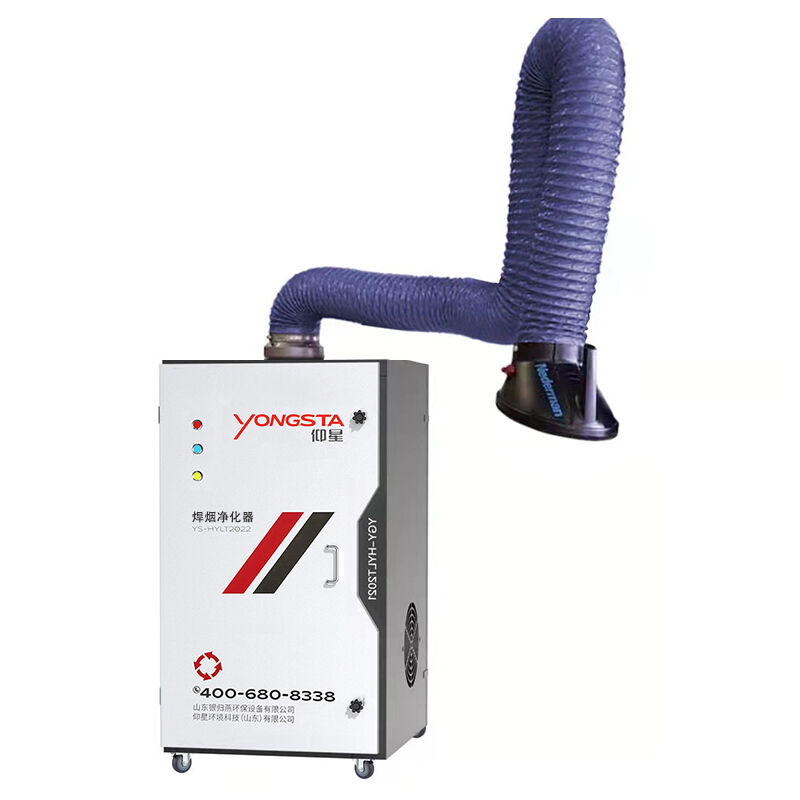
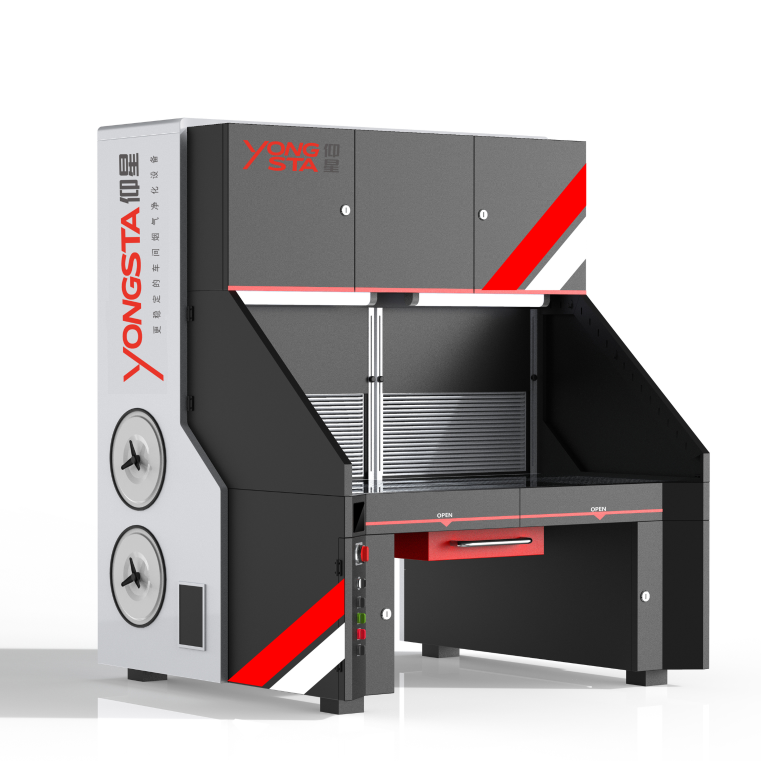
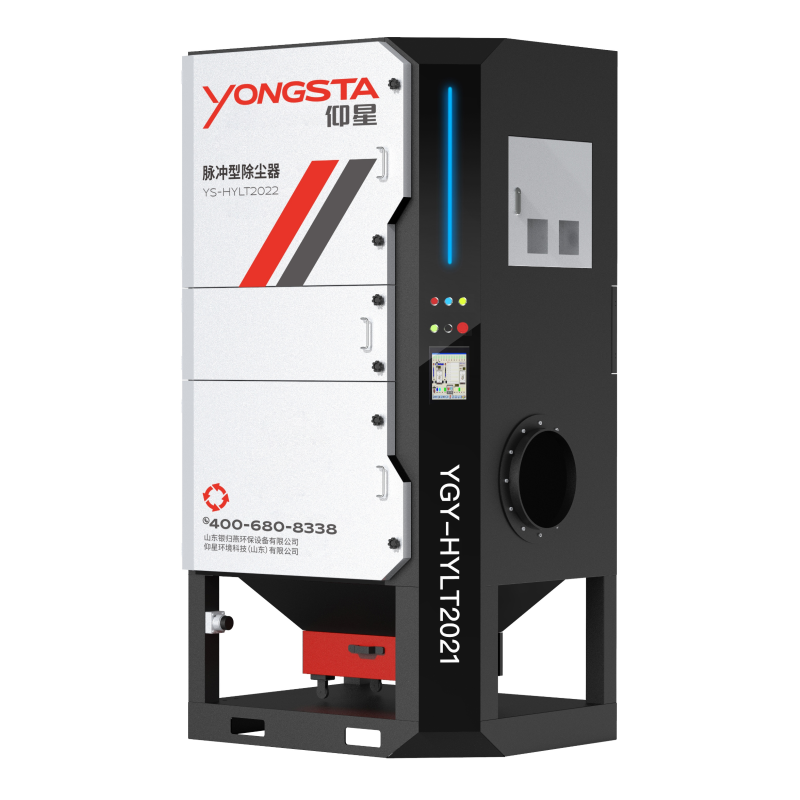
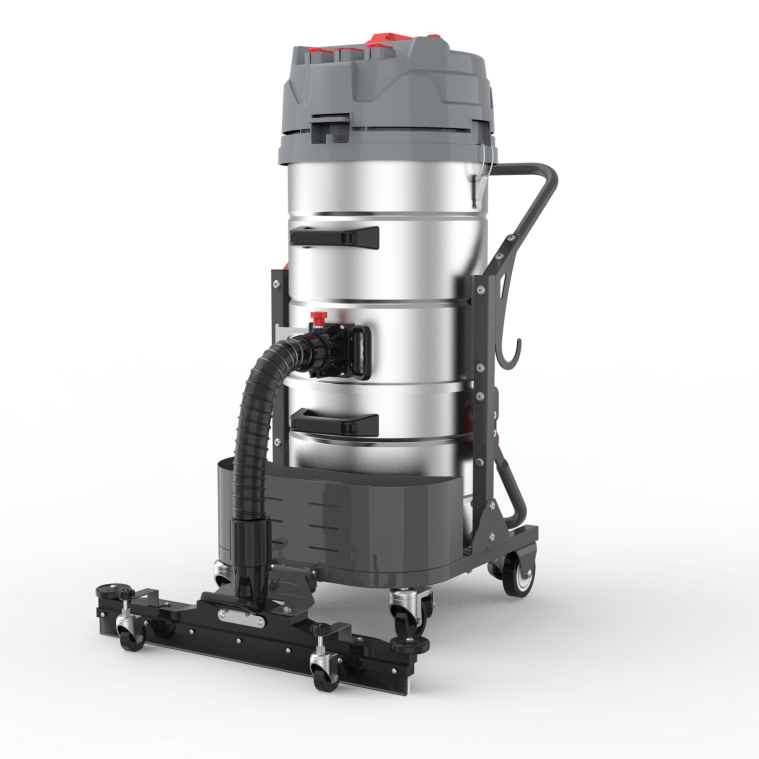
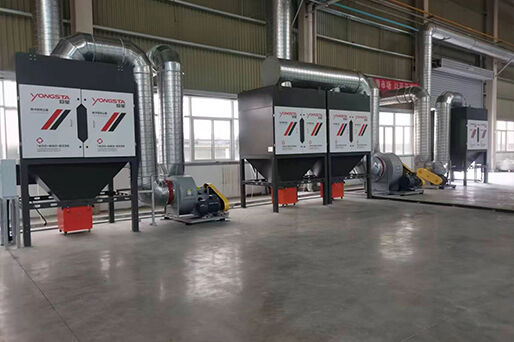
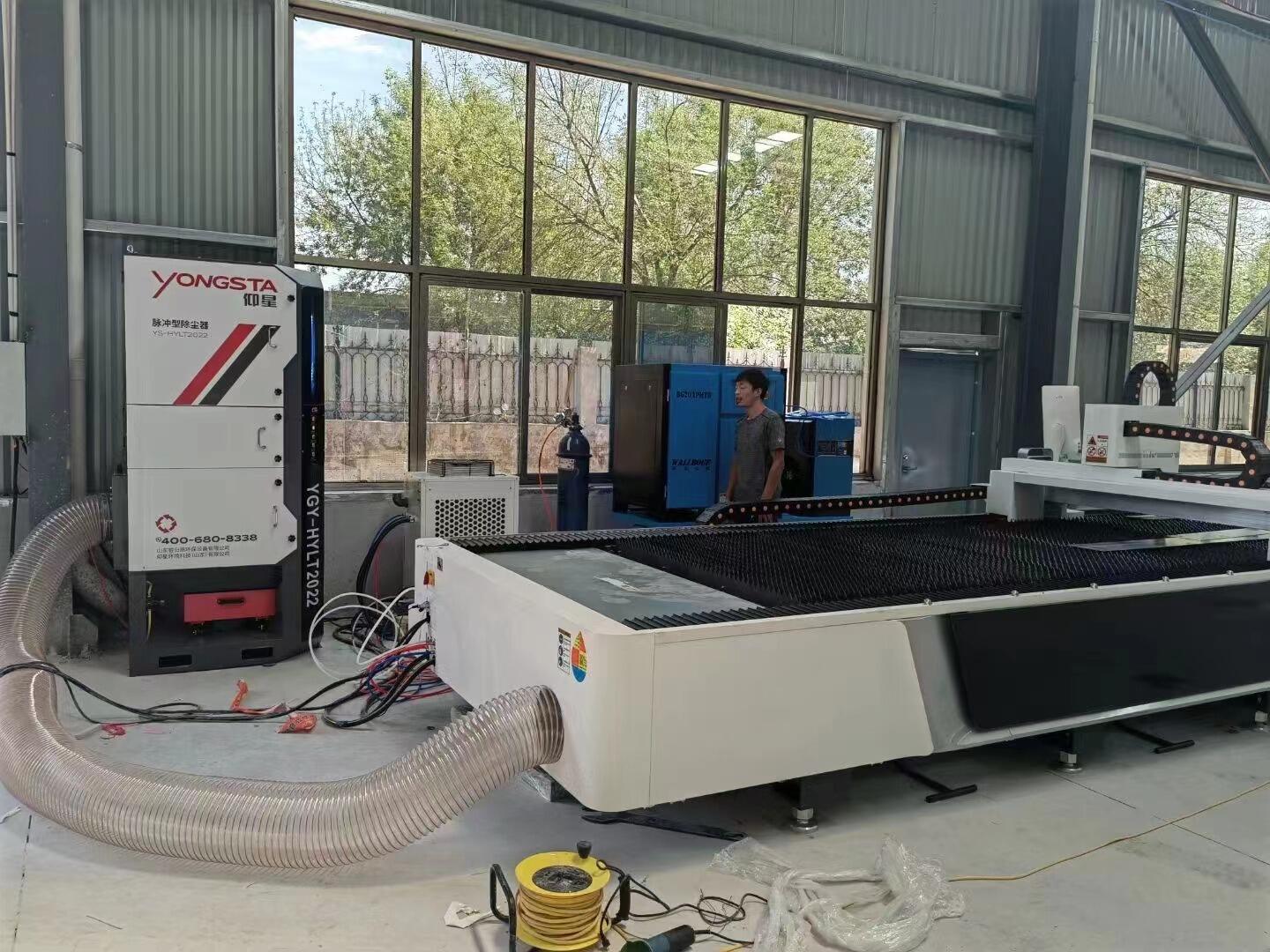
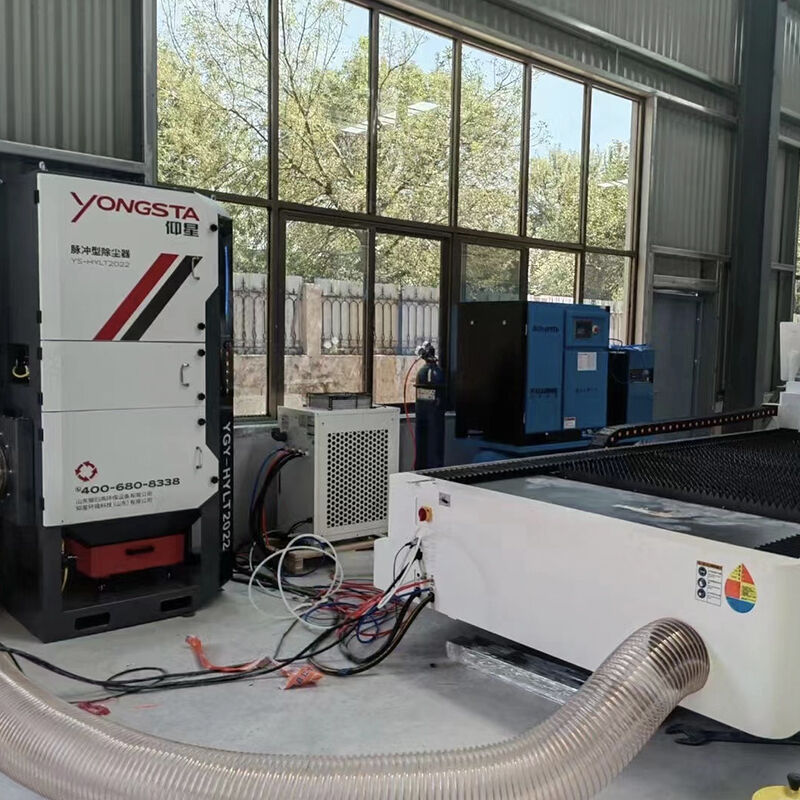
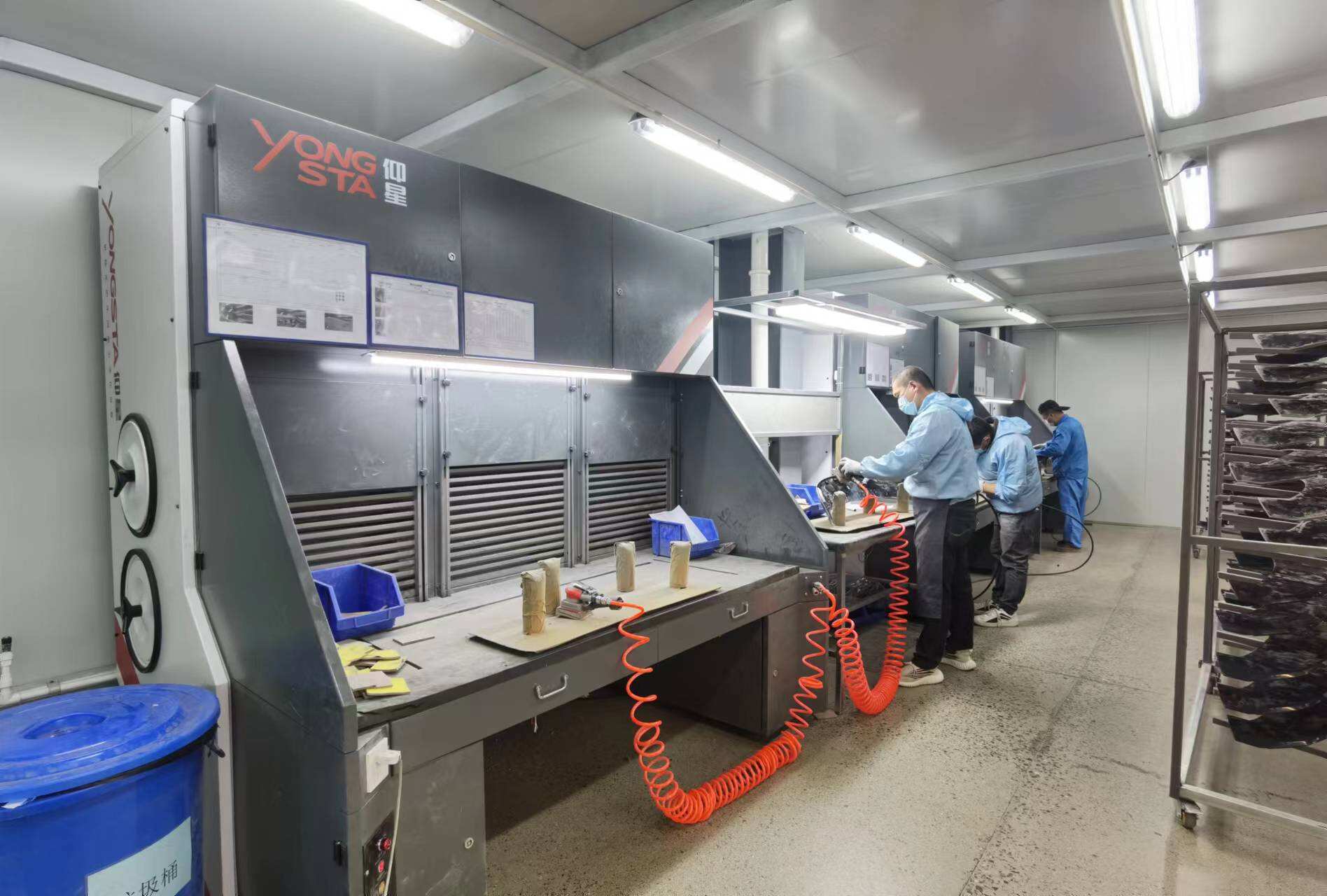
Un sistema de filtración de polvo representa un componente crítico en los entornos industriales y comerciales modernos, donde la gestión de la calidad del aire es esencial. Estos sofisticados sistemas están diseñados para capturar, contener y eliminar partículas en suspensión del aire en diversos espacios, garantizando un aire más limpio para los trabajadores, protegiendo equipos sensibles y manteniendo el cumplimiento de las normativas ambientales. La función principal de un sistema de filtración de polvo consiste en extraer aire contaminado a través de medios filtrantes especializados que retienen partículas de distintos tamaños, desde residuos grandes hasta partículas microscópicas de polvo que miden apenas unos pocos micrones. El aire filtrado se devuelve luego al área de trabajo o se expulsa al exterior, según los requisitos específicos de la aplicación. Desde el punto de vista tecnológico, estos sistemas incorporan múltiples etapas de filtración, combinando frecuentemente prefiltros para partículas más grandes con filtros de aire de partículas de alta eficiencia (HEPA) para la captura de polvo más fino. Los modelos avanzados cuentan con mecanismos automáticos de limpieza, como la tecnología de chorro pulsante (pulse-jet), que utiliza ráfagas de aire comprimido para desprender el polvo acumulado de las superficies filtrantes, prolongando así la vida útil de los filtros y manteniendo un caudal de aire constante. Los sistemas modernos de filtración de polvo también integran capacidades inteligentes de monitoreo, incluidos sensores de presión diferencial que registran la carga de los filtros y alertan a los operarios cuando se requiere mantenimiento. Sus aplicaciones abarcan numerosas industrias, entre ellas talleres de carpintería, instalaciones metalúrgicas, fabricación farmacéutica, plantas de procesamiento de alimentos, producción de cemento, operaciones mineras y entornos generales de fabricación. En aplicaciones de carpintería, estos sistemas capturan serrín y virutas de madera generados durante operaciones de corte y lijado. Las instalaciones metalúrgicas dependen de los sistemas de filtración de polvo para controlar el polvo metálico, las partículas de rectificado y los humos de soldadura. Las industrias farmacéutica y alimentaria utilizan estos sistemas para mantener entornos estériles y prevenir la contaminación cruzada. En obras de construcción se emplean sistemas portátiles de filtración de polvo para gestionar el polvo de sílice y otras partículas peligrosas. La versatilidad de los sistemas de filtración de polvo los convierte en elementos indispensables en sectores donde el control de partículas en suspensión es necesario para proteger la salud y la seguridad, garantizar la calidad del producto y cumplir con las exigencias regulatorias.
 ×
×



 EN
EN