Tecnología de Filtración en Múltiples Etapas Avanzada
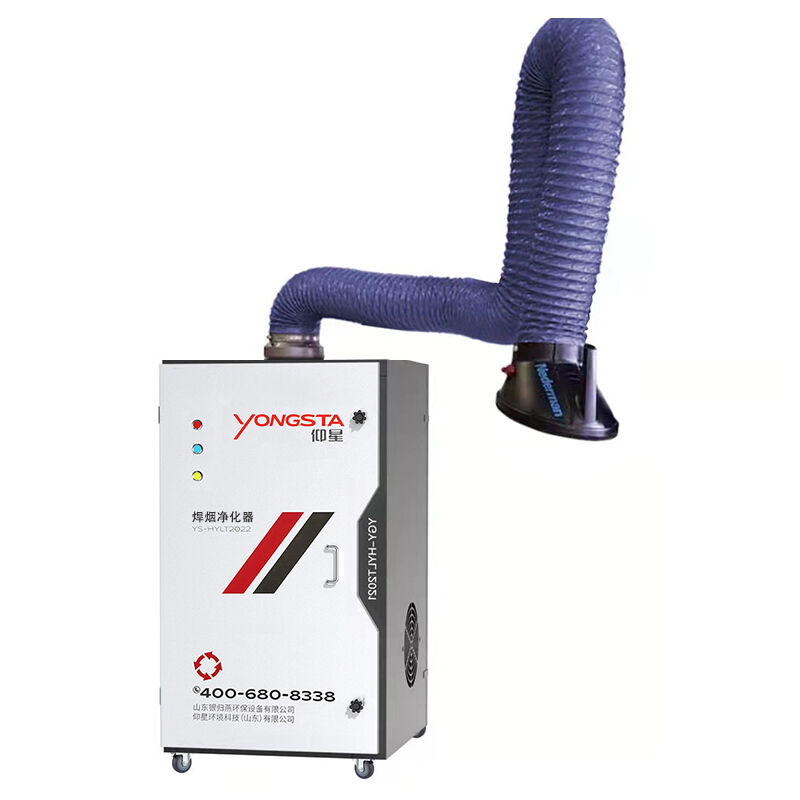
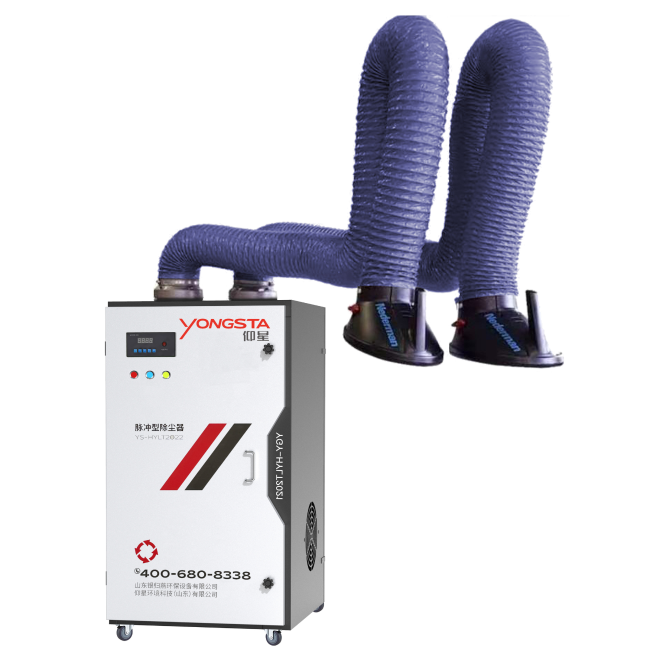
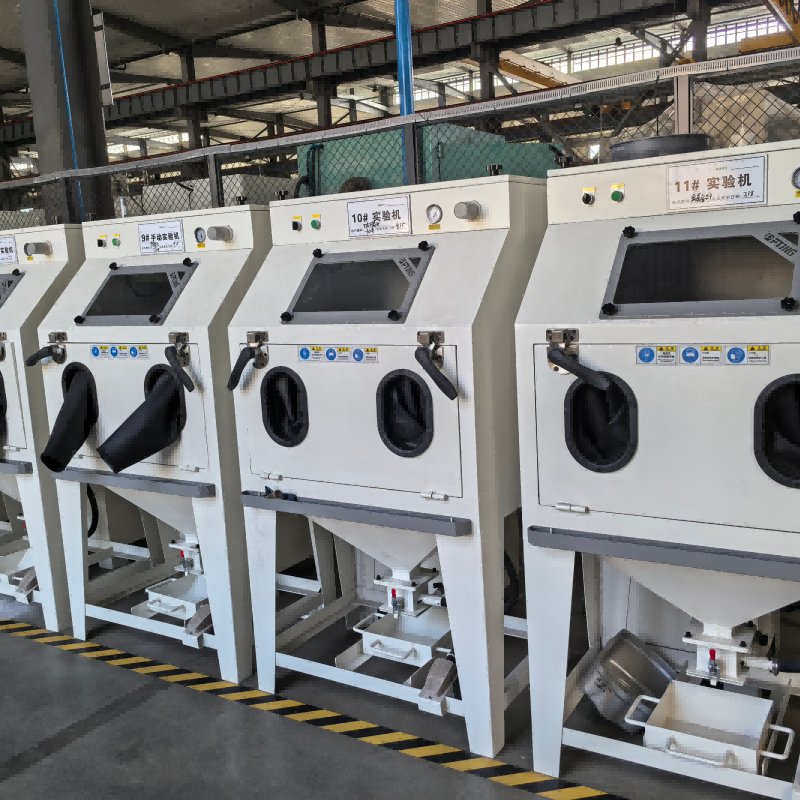
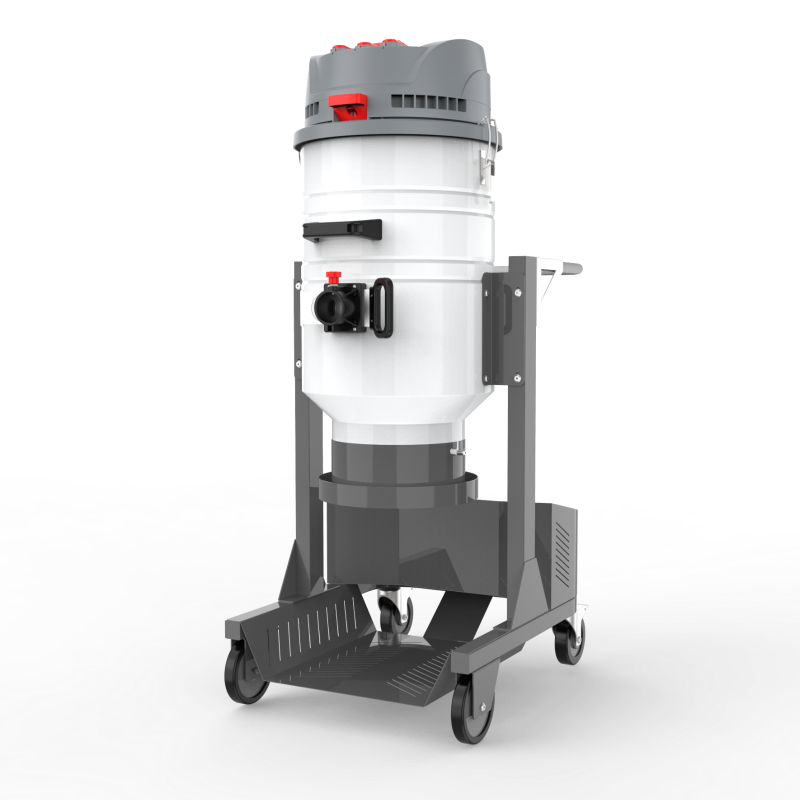
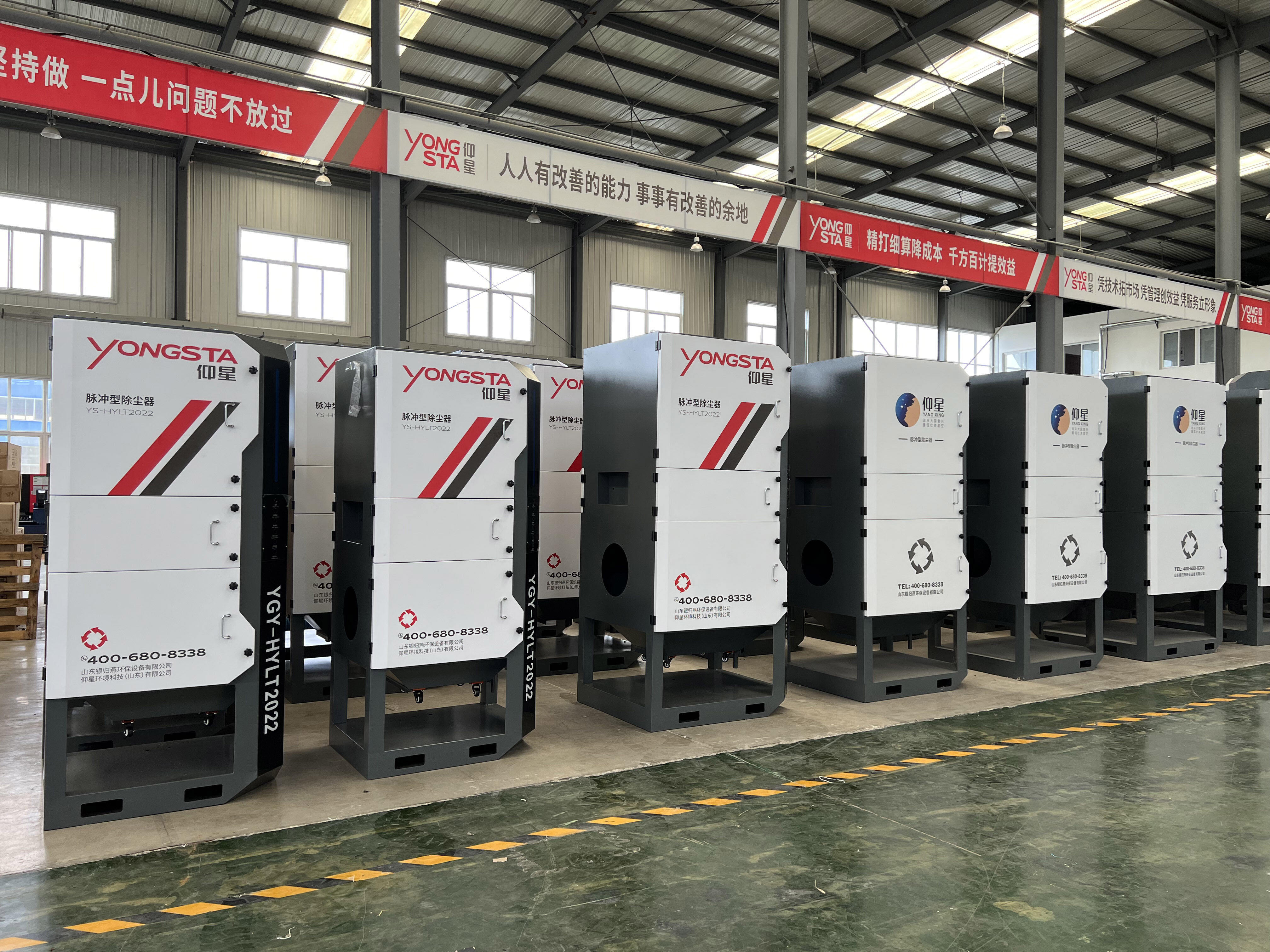
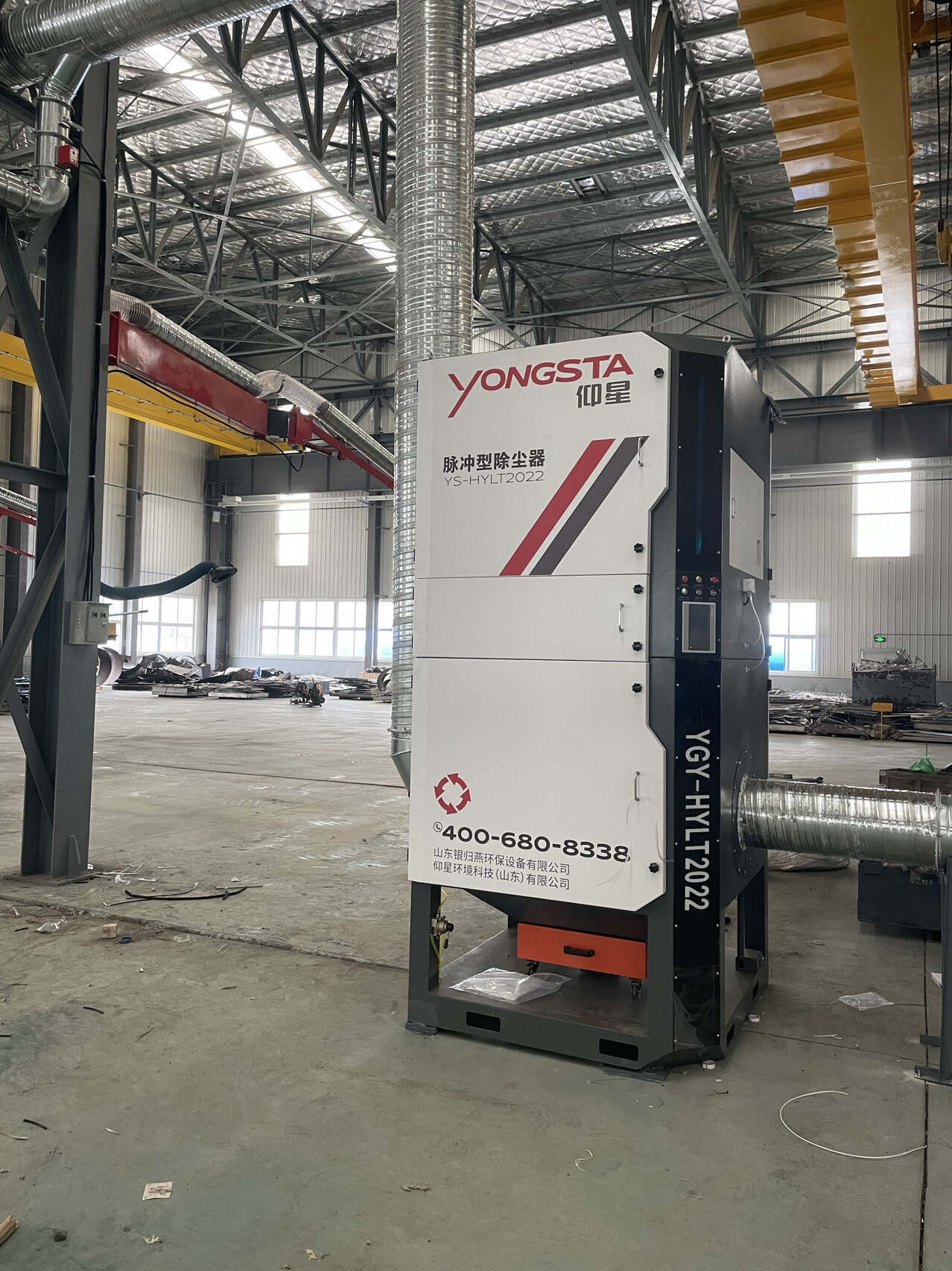
El sistema de filtro de polvo incorpora una tecnología de filtración multicapa de vanguardia que establece nuevos estándares de eficiencia en la captura de partículas en diversas aplicaciones industriales. Este enfoque sofisticado emplea etapas secuenciales de filtración, cada una diseñada específicamente para eliminar rangos determinados de tamaños de partículas y tipos de contaminantes. La primera etapa suele incluir filtros previos que capturan partículas de mayor tamaño, protegiendo así los medios de filtración posteriores frente a una saturación prematura y prolongando la vida útil total del sistema. Estos filtros previos retienen la mayor parte del polvo grueso, permitiendo que las etapas subsiguientes se centren en las partículas más finas, que representan mayores riesgos para la salud y un mayor potencial de daño al equipo. La segunda etapa de filtración utiliza medios de alta eficiencia capaces de capturar partículas de tamaño submicrónico, garantizando una purificación integral del aire. Esta etapa suele incorporar diseños de filtro plegado que maximizan el área superficial dentro de huellas compactas, mejorando la capacidad de retención de polvo sin comprometer caídas de presión bajas. La etapa final de pulido emplea medios de filtración ultrafinos que eliminan las partículas más pequeñas, logrando una calidad del aire que supera tanto los requisitos normativos como las mejores prácticas industriales. Lo que distingue a este enfoque multicapa es el efecto sinérgico generado cuando cada etapa opera a su máxima eficiencia. El sistema de filtro de polvo alcanza eficiencias de filtración superiores al 99,9 % para partículas tan pequeñas como 0,3 micrones, equiparándose al rendimiento de los filtros HEPA en entornos industriales. La tecnología se adapta automáticamente a cargas variables de polvo, ajustando los ciclos de limpieza y los parámetros de caudal de aire para mantener un rendimiento constante independientemente de las condiciones operativas. Esta adaptación inteligente evita la obstrucción prematura de los filtros y asegura diferenciales de presión estables a lo largo del sistema. Además, la configuración multicapa ofrece redundancia, permitiendo la operación continua incluso si una etapa requiere mantenimiento o sustitución. Las instalaciones pueden programar los cambios de filtro durante paradas planificadas, en lugar de responder a fallos de emergencia. La naturaleza modular de las etapas de filtración permite su personalización para aplicaciones específicas, ya sea para manejar polvo metálico abrasivo, materiales orgánicos pegajosos o partículas combustibles explosivas. Cada etapa puede optimizarse de forma independiente, creando soluciones personalizadas que aborden desafíos operativos únicos, manteniendo al mismo tiempo la eficiencia general del sistema.
 ×
×



 EN
EN