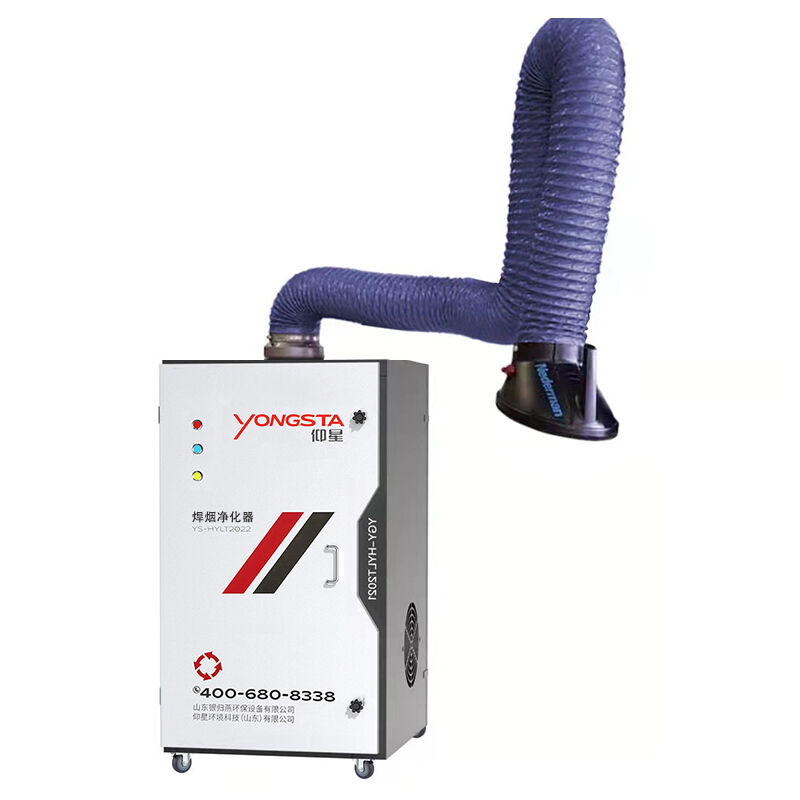
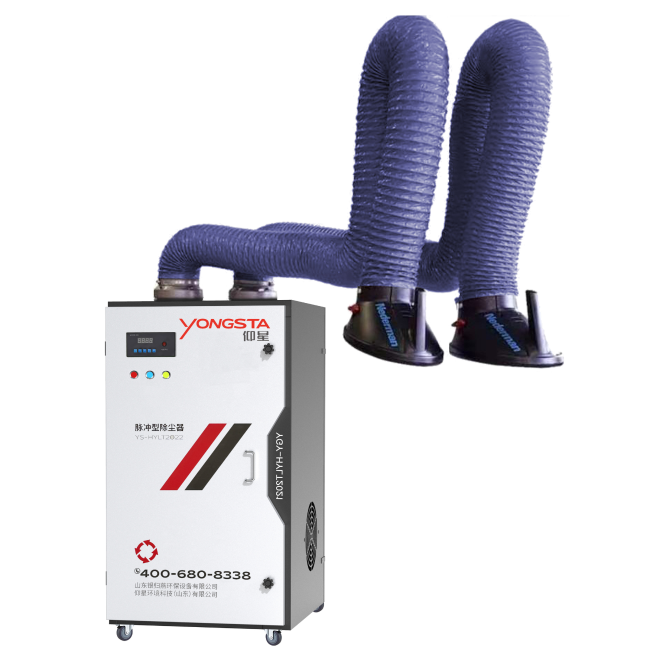
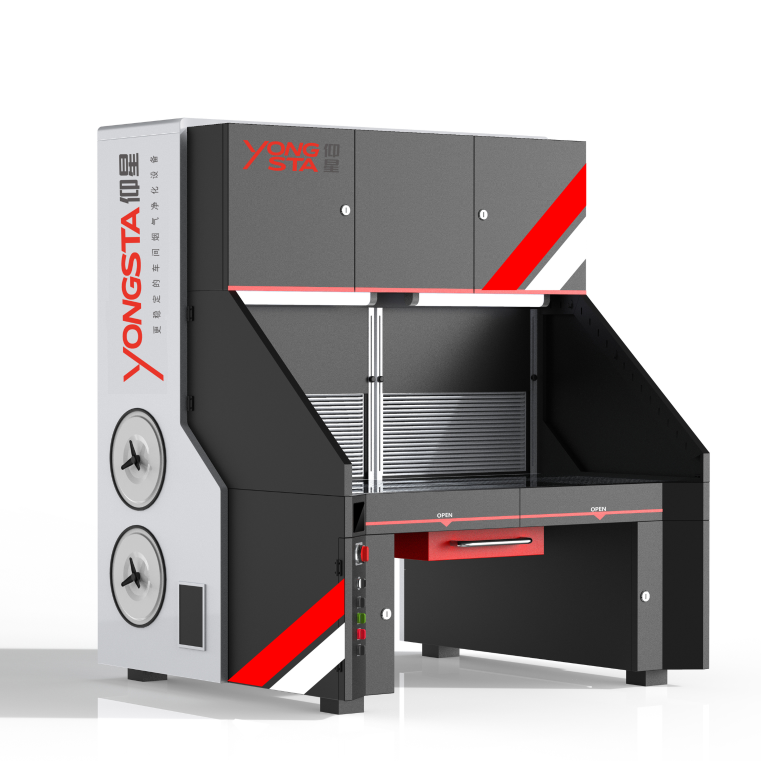
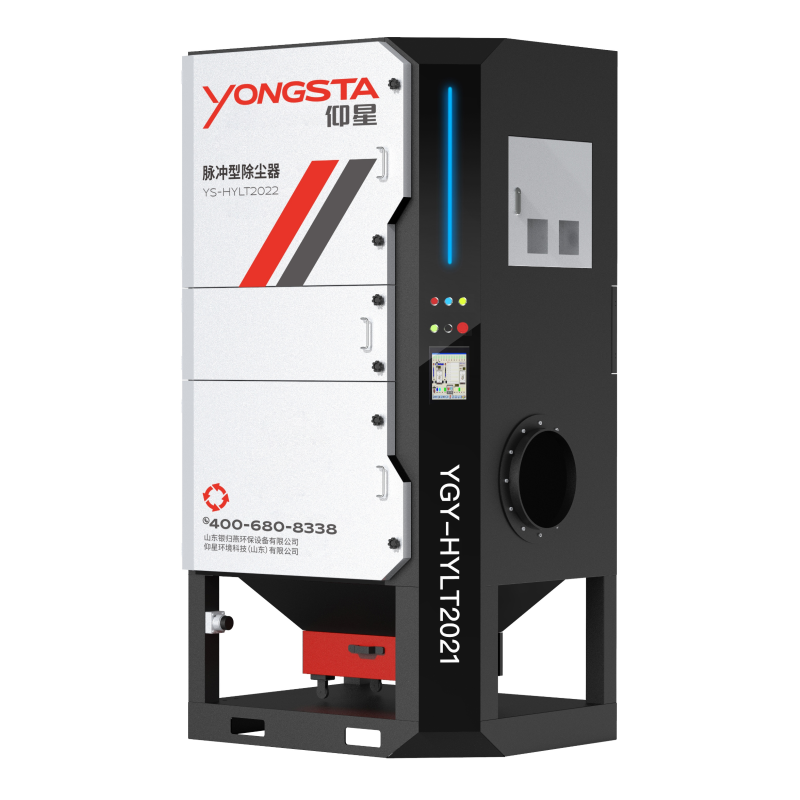
La tecnología avanzada de filtración multiciclónica garantiza la captura máxima de partículas
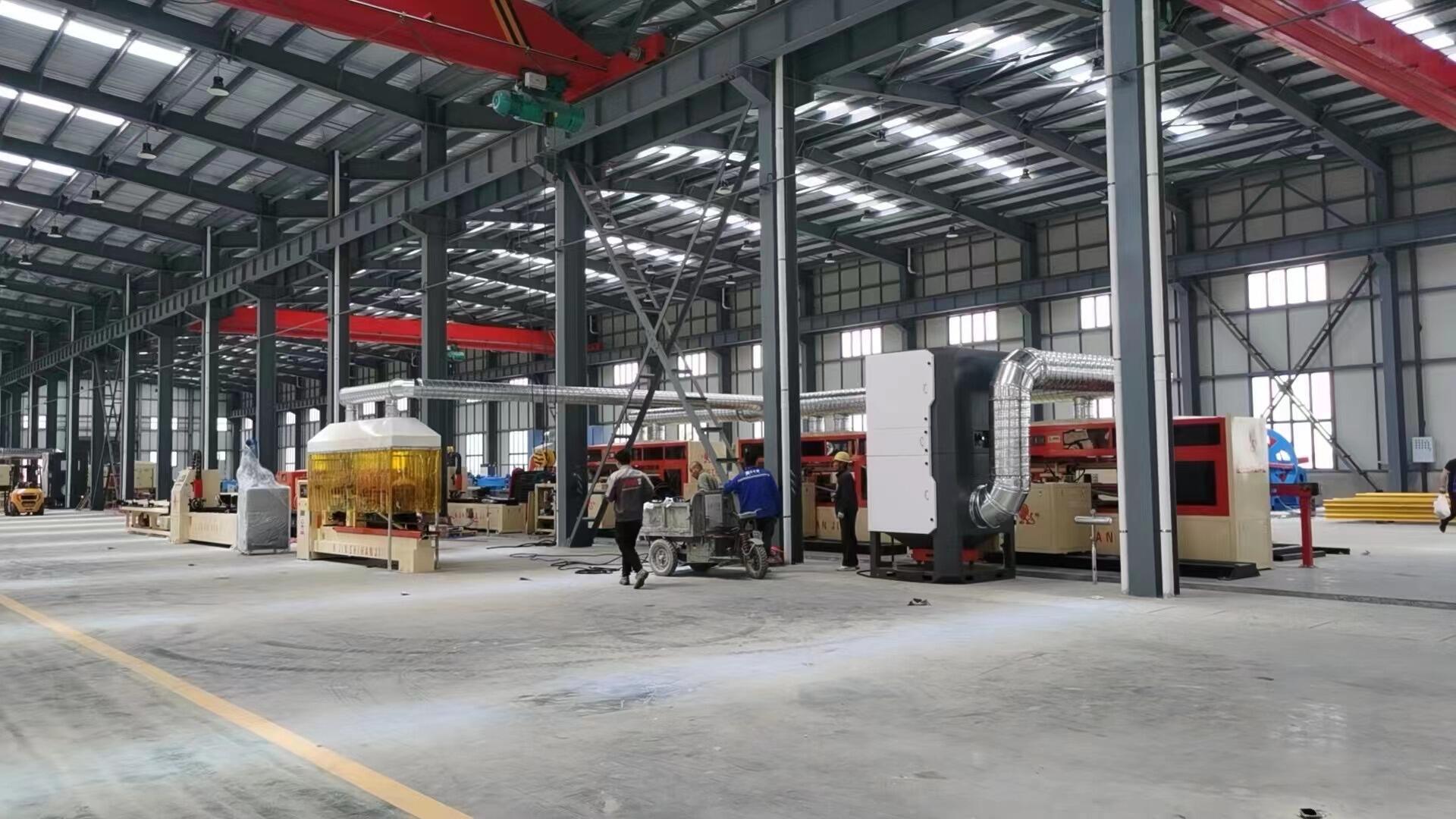
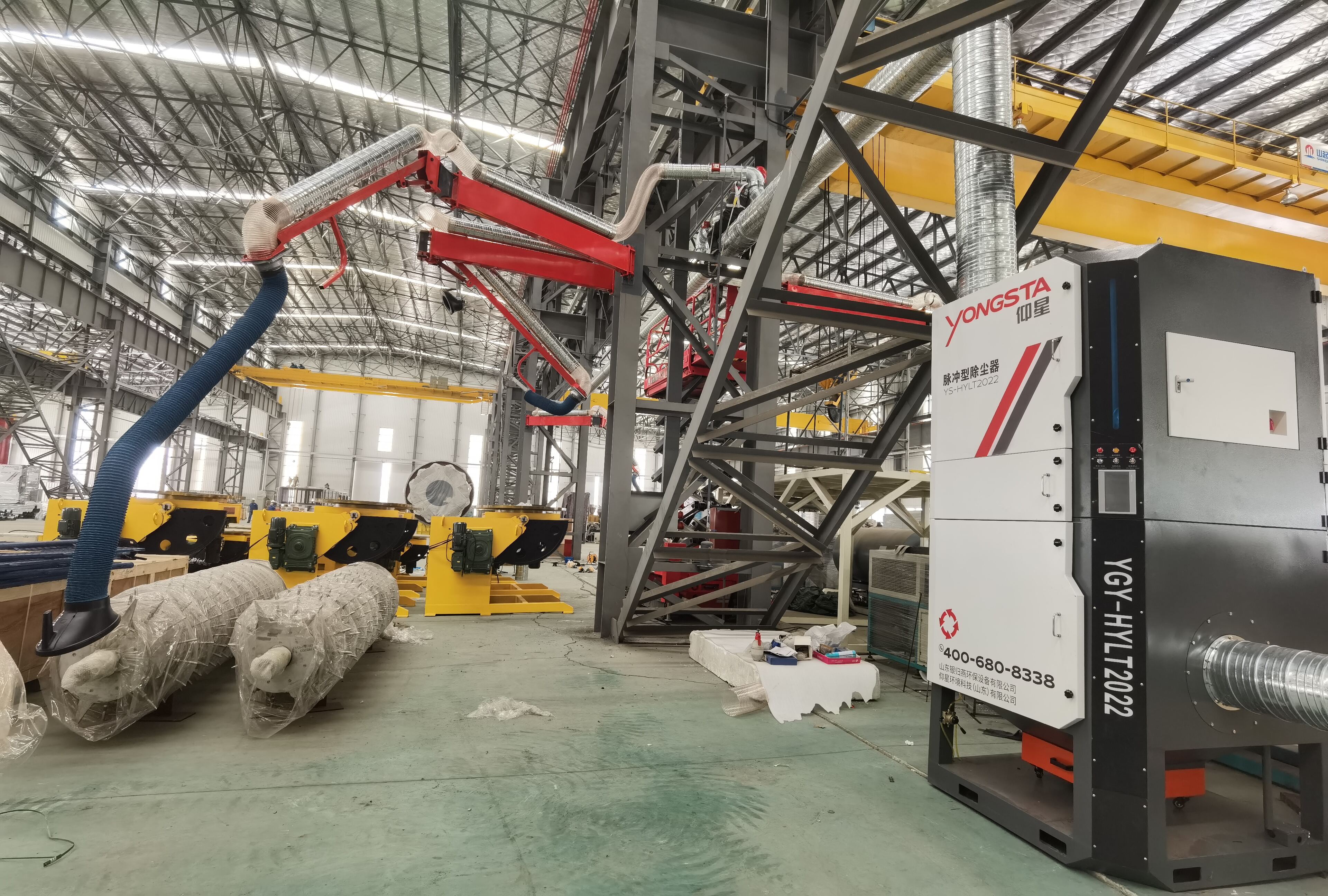
La piedra angular de cualquier sistema eficaz de filtración de polvo para aplicaciones en talleres radica en su tecnología de filtración, y los sistemas modernos emplean sofisticados enfoques de múltiples etapas que capturan prácticamente todos los contaminantes presentes en el aire. La primera etapa suele consistir en un prefiltro o un separador ciclónico que elimina las partículas y los residuos más grandes, evitando que lleguen a los medios de filtración más finos ubicados aguas abajo y los obstruyan. Esta separación inicial prolonga la vida útil de los filtros posteriores, al tiempo que mantiene un caudal de aire óptimo en todo el sistema. La segunda etapa incorpora filtros de partículas de alta eficiencia, frecuentemente clasificados como HEPA, capaces de retener partículas tan pequeñas como 0,3 micras con una eficiencia superior al 99,97 %. Este nivel de filtración captura las peligrosas partículas finas de polvo que representan el mayor riesgo para la salud, ya que penetran profundamente en el tejido pulmonar. Un sistema de filtración de polvo de calidad para entornos de taller integra estos filtros HEPA con una superficie considerable, garantizando un caudal de aire adecuado sin comprometer unas tasas de captura excepcionales. La tercera etapa en los sistemas avanzados incluye filtros de carbón activado o medios de filtración química que eliminan olores, humos y compuestos orgánicos volátiles que los filtros de partículas convencionales no pueden tratar. Este enfoque integral hace que el sistema de filtración de polvo para entornos de taller sea adecuado para operaciones que implican pinturas, disolventes, adhesivos y otros productos químicos. El propio medio filtrante representa un avance tecnológico fundamental, ya que los materiales modernos ofrecen una mayor capacidad de retención de polvo, intervalos de servicio más largos y un mantenimiento más sencillo en comparación con los diseños antiguos de filtros. Muchos sistemas incorporan actualmente mecanismos automatizados de limpieza de filtros, como la tecnología de pulsos inversos, que inyectan periódicamente aire comprimido a través de los filtros para desprender el polvo acumulado y devolverlo al depósito de recolección. Esta capacidad de autorregulación mantiene una potencia de succión constante y prolonga significativamente la vida útil de los filtros, reduciendo los costes operativos y minimizando el tiempo de inactividad necesario para la limpieza manual. El diseño de la carcasa de un sistema de filtración de polvo para uso en talleres también contribuye a la eficacia de la filtración, ya que sus cámaras estancas evitan derivaciones y garantizan que todo el aire pase a través del medio filtrante. Los sistemas de juntas y la fabricación de precisión eliminan cualquier espacio por donde podría escapar aire sin filtrar de vuelta al área de trabajo. Los sistemas avanzados de monitorización supervisan en tiempo real el estado de los filtros, midiendo la diferencia de presión a través de ellos para determinar cuándo es necesario limpiarlos o sustituirlos. Esta monitorización inteligente evita el problema habitual de que los operarios hagan funcionar los sistemas con filtros obstruidos, lo que supone un derroche de energía y una filtración inadecuada. La combinación de estas características tecnológicas en un sistema moderno de filtración de polvo para aplicaciones en talleres ofrece una limpieza del aire fiable, eficiente y exhaustiva, protegiendo tanto a los trabajadores como al equipo, y manteniendo el alto rendimiento necesario en entornos industriales exigentes.
 ×
×



 EN
EN