Industrial Dust Filtration Systems: Advanced Solutions for Clean Air and Workplace Safety

Get a Free Quote

Our representative will contact you soon.
Email
Name
Company Name
Message
0/1000

industrial dust filtration systems

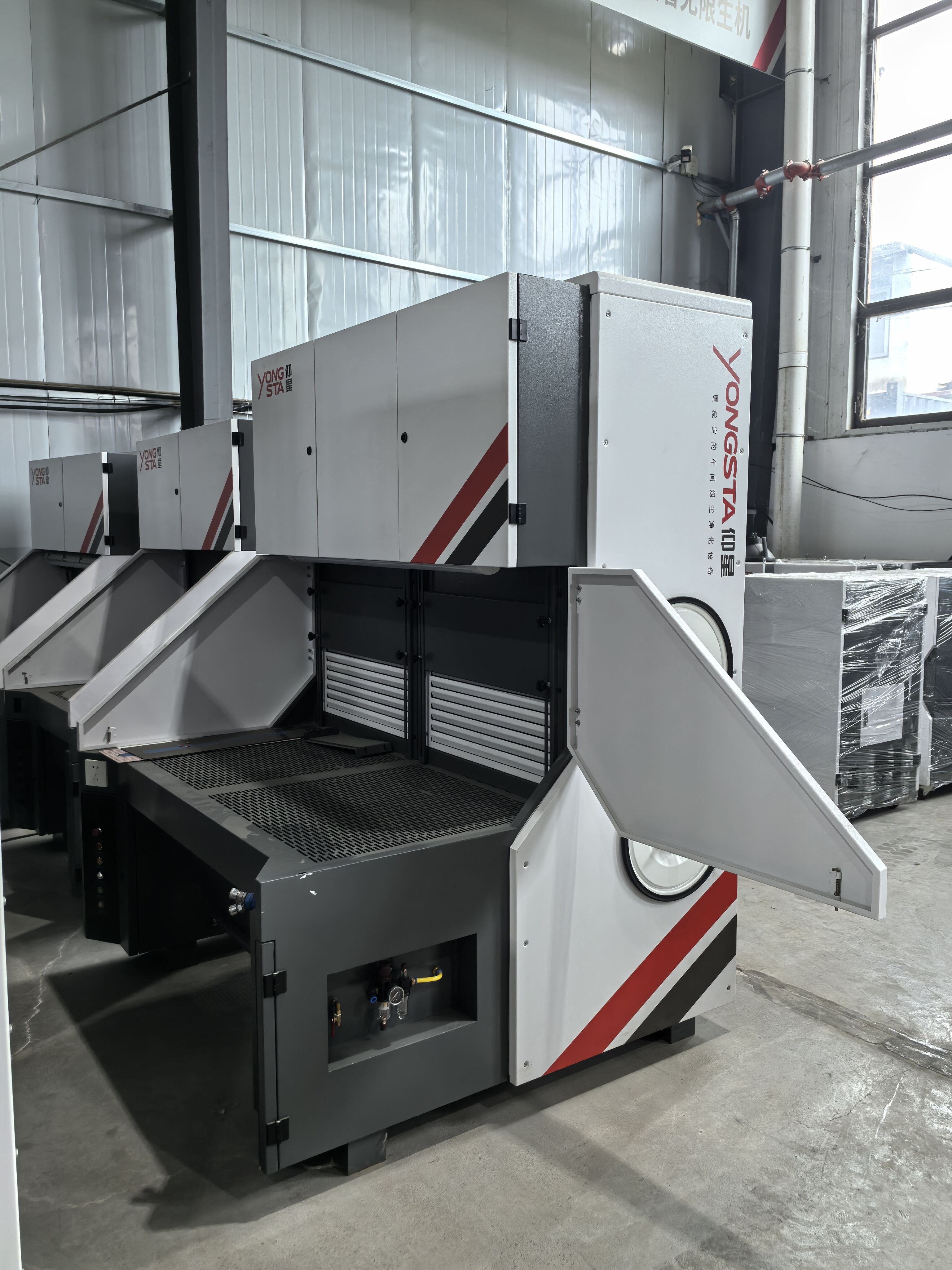
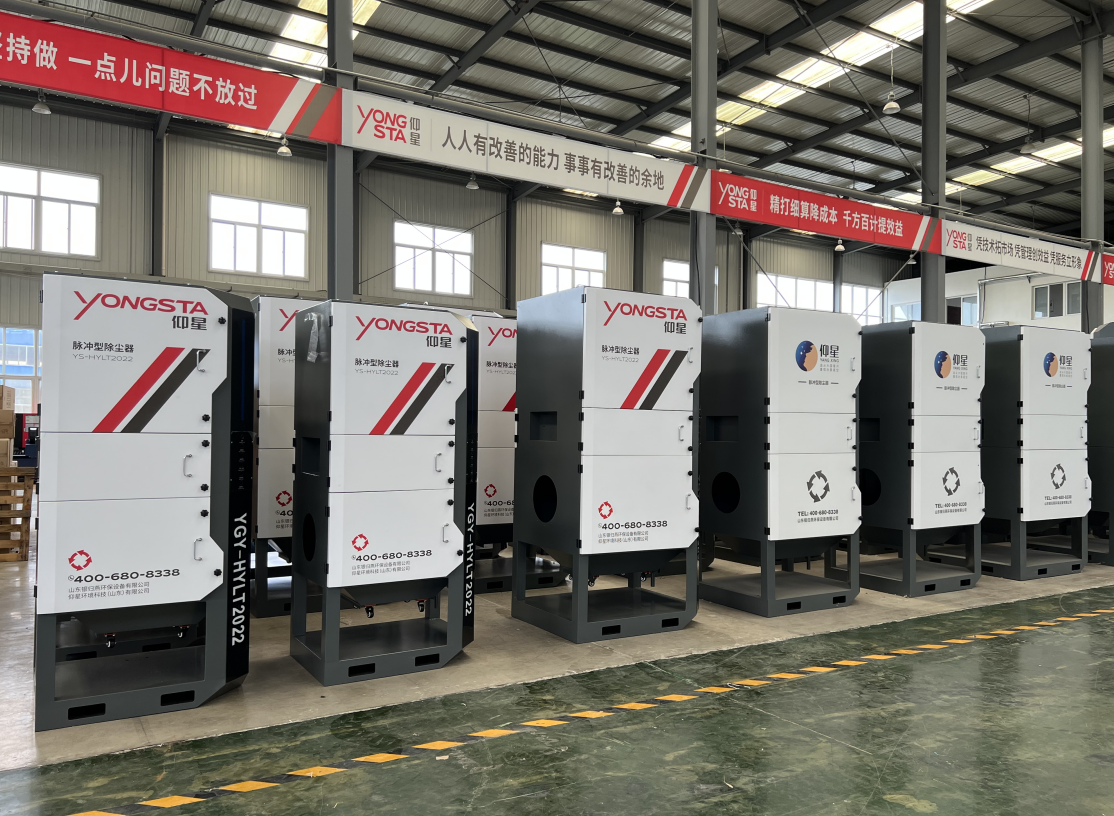
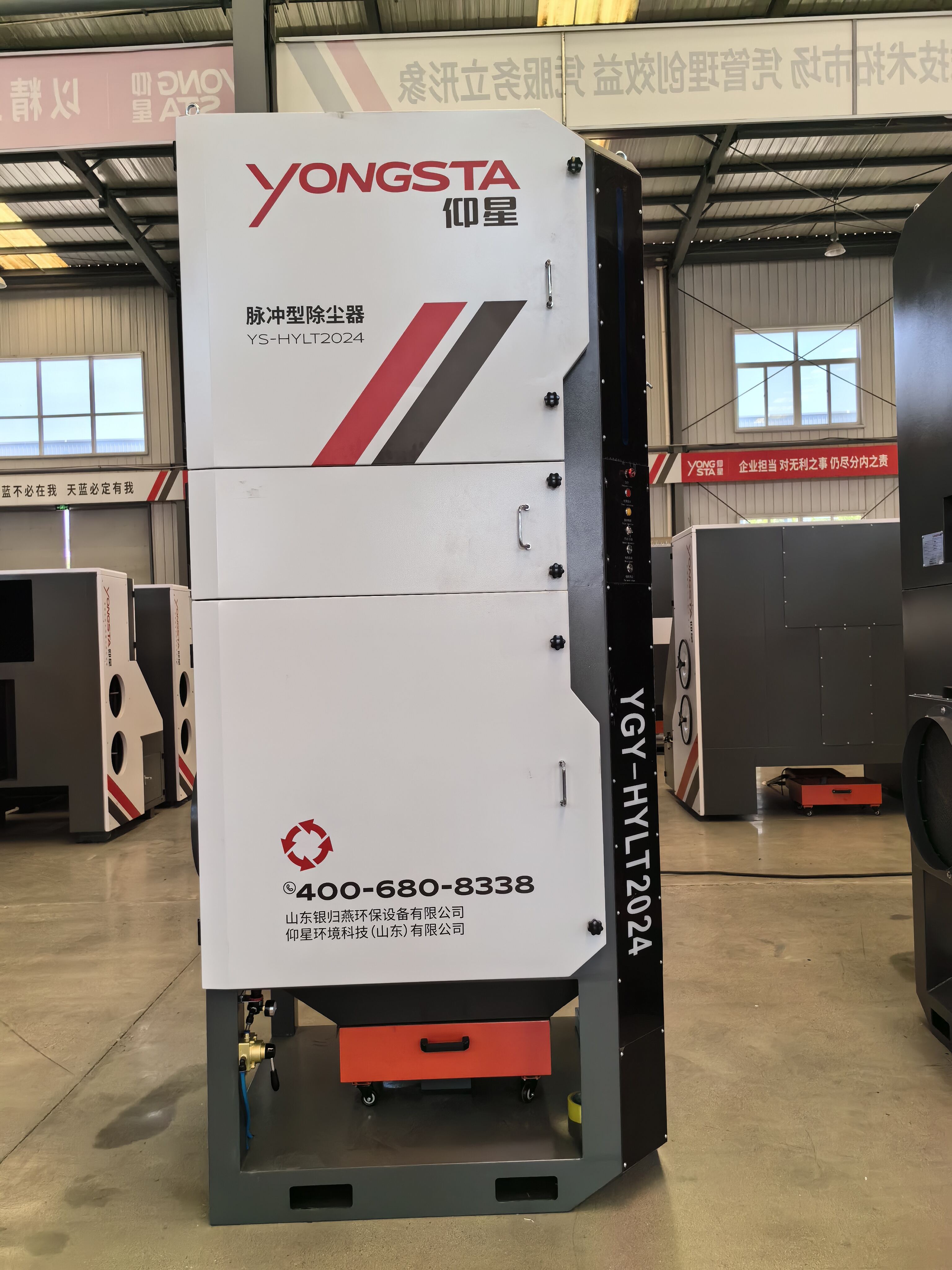
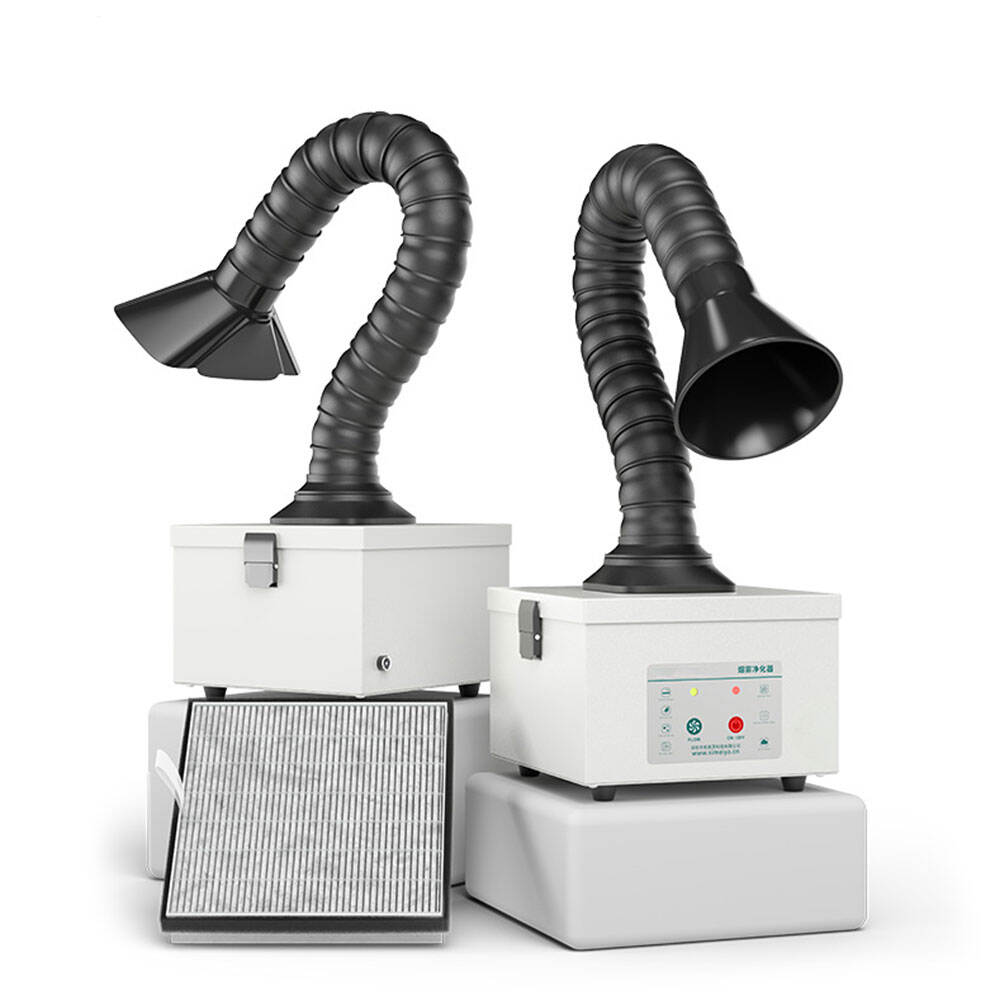
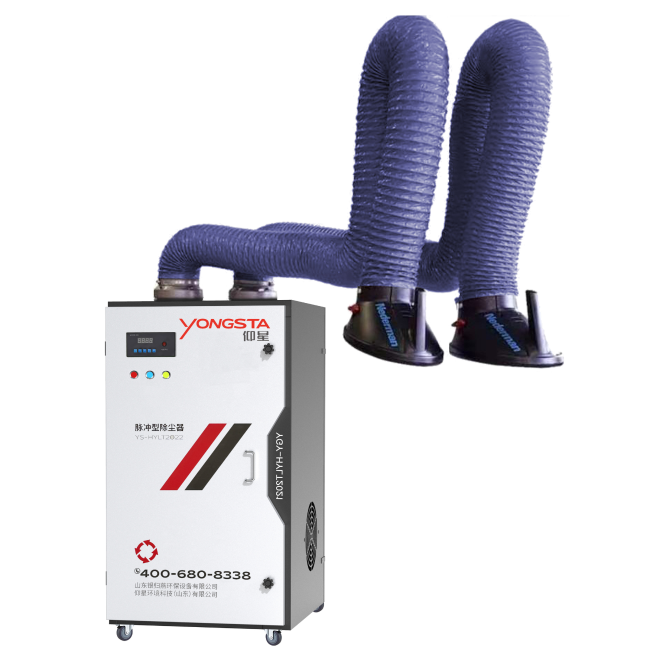
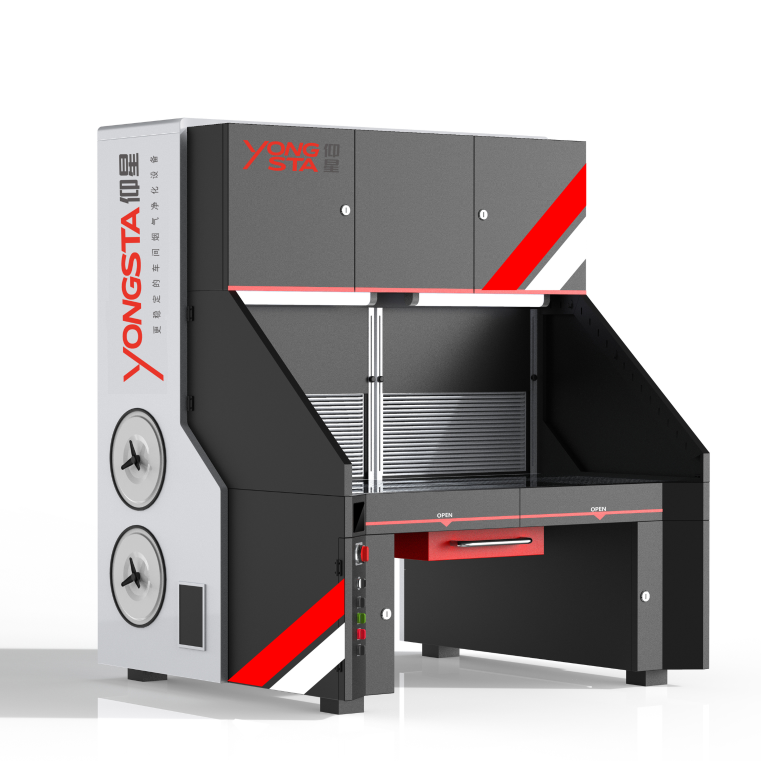
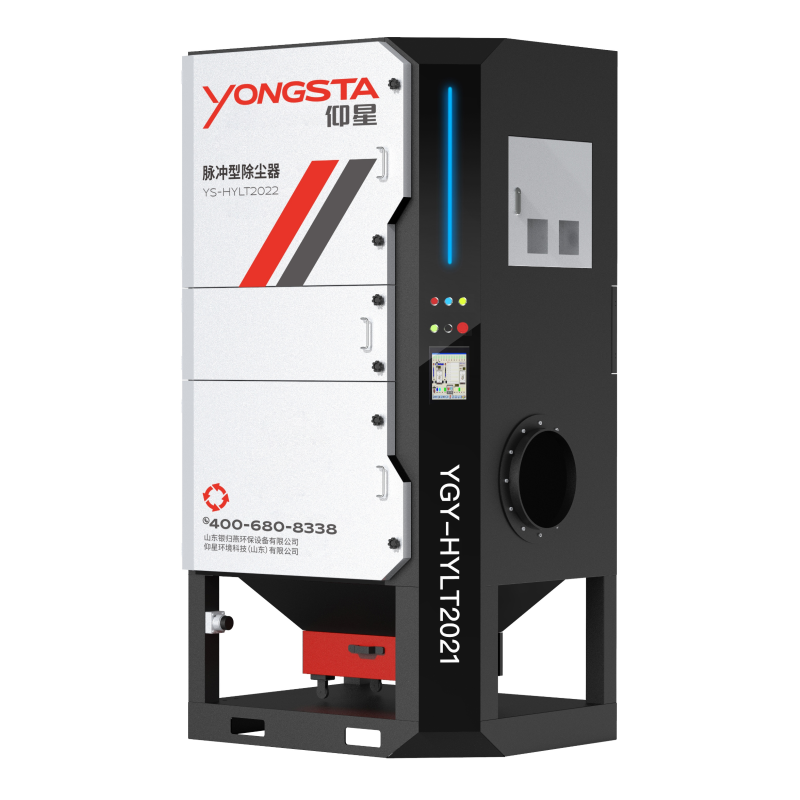
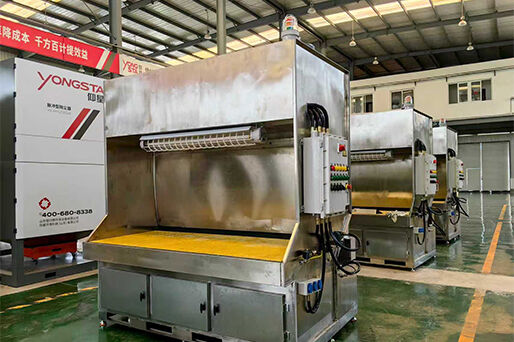
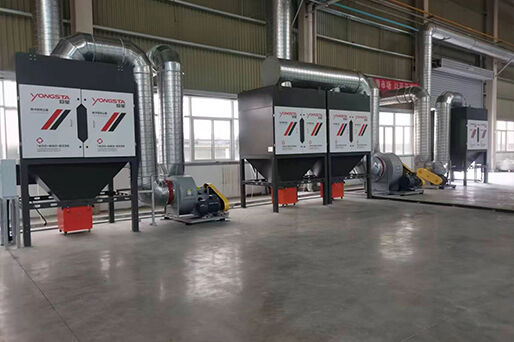
Industrial dust filtration systems represent a critical component in modern manufacturing and processing facilities, designed to capture and remove airborne particulate matter from workplace environments. These sophisticated systems protect worker health, ensure regulatory compliance, and maintain product quality across diverse industries. At their core, industrial dust filtration systems employ advanced mechanical and aerodynamic principles to separate dust particles from air streams, preventing contamination and creating safer working conditions. The main functions of industrial dust filtration systems include capturing fine and coarse dust particles, reducing airborne pollutants, maintaining clean air circulation, and protecting equipment from dust accumulation that can cause premature wear or malfunction. These systems utilize various filtration technologies, including baghouse filters, cartridge collectors, cyclone separators, and electrostatic precipitators, each suited to specific particle sizes and operational requirements. Technological features of modern industrial dust filtration systems encompass automated cleaning mechanisms such as pulse-jet technology, which uses compressed air bursts to dislodge accumulated dust from filter media, extending filter life and maintaining consistent airflow. Advanced monitoring systems track pressure differentials, airflow rates, and filter condition, enabling predictive maintenance and optimizing performance. Many systems incorporate variable frequency drives that adjust fan speeds based on real-time demand, reducing energy consumption while maintaining effective filtration. Industrial dust filtration systems find applications across numerous sectors, including woodworking facilities where sawdust and wood particles require capture, metalworking operations generating grinding dust and welding fumes, pharmaceutical manufacturing demanding sterile environments, food processing plants maintaining hygiene standards, cement production facilities controlling cement dust, and chemical plants managing hazardous particulates. The versatility of industrial dust filtration systems allows customization for specific particle characteristics, production volumes, and environmental conditions, making them indispensable for facilities prioritizing safety, compliance, and operational efficiency.

New Product Recommendations

Industrial dust filtration systems deliver substantial benefits that directly impact your bottom line and workplace quality. First, these systems dramatically improve air quality throughout your facility, creating a healthier environment for employees. When workers breathe cleaner air, they experience fewer respiratory issues, reduced sick days, and higher productivity levels. This translates to lower healthcare costs and better employee retention rates. Second, industrial dust filtration systems help you meet strict environmental regulations and avoid costly fines. Regulatory agencies impose significant penalties on facilities that exceed permitted emission levels, and a properly functioning filtration system ensures you remain compliant with local, state, and federal air quality standards. Third, these systems protect your valuable equipment and machinery from dust accumulation. Dust buildup causes premature wear on moving parts, clogs ventilation systems, and can lead to expensive breakdowns. By removing dust before it settles on equipment, industrial dust filtration systems extend machinery lifespan and reduce maintenance expenses. Fourth, product quality improves when dust contamination is eliminated. In industries like food processing, pharmaceuticals, and electronics manufacturing, even small amounts of dust can ruin entire production batches. Industrial dust filtration systems prevent contamination, reducing waste and protecting your reputation for quality. Fifth, these systems enhance workplace safety by reducing fire and explosion risks. Many types of dust, including wood dust, metal dust, and chemical powders, are combustible or explosive when suspended in air at certain concentrations. Industrial dust filtration systems remove these hazards before dangerous conditions develop. Sixth, energy efficiency has improved significantly in modern filtration systems. Advanced designs minimize pressure drop across filters, reducing the energy required to move air through the system. Automated cleaning cycles and smart controls further optimize energy use, lowering utility bills. Seventh, industrial dust filtration systems increase your facility's overall cleanliness, reducing housekeeping labor and costs. Less dust in the air means less dust settling on floors, walls, and surfaces, cutting cleaning time and expenses. Finally, these systems can recover valuable materials from dust streams in certain applications, turning waste into a revenue source. Metal dust, wood particles, and other materials captured by industrial dust filtration systems can often be recycled or sold, offsetting system operating costs while supporting sustainability goals.

Latest News

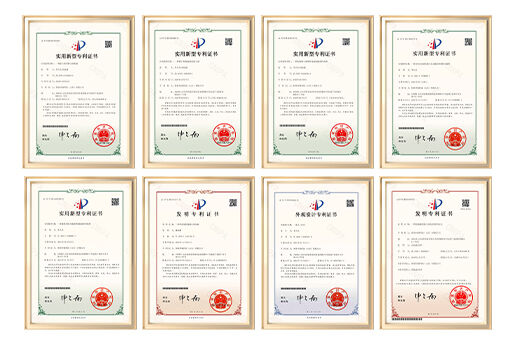
Yongsta R&D Team Wins 3 Dust Removal Technology Patents, Leading Industry Innovation

09

Apr

Yongsta R&D Team Wins 3 Dust Removal Technology Patents, Leading Industry Innovation

View More
Yongsta Cooperates with TUV for ATEX Explosion-Proof Certification, Explosion-Proof Dust Collector to Be Launched Soon

09

Apr

Yongsta Cooperates with TUV for ATEX Explosion-Proof Certification, Explosion-Proof Dust Collector to Be Launched Soon

View More
Empowering Benchmark Manufacturing! Yongsta Cartridge Dust Collector Aids Siemens Transformer China Factory's Dust Removal Renovation and Gains High Recognition

09

Apr

Empowering Benchmark Manufacturing! Yongsta Cartridge Dust Collector Aids Siemens Transformer China Factory's Dust Removal Renovation and Gains High Recognition

View More

Get a Free Quote

Our representative will contact you soon.
Email
Name
Company Name
Message
0/1000

industrial dust filtration systems

Advanced Pulse-Jet Cleaning Technology Maximizes Filter Efficiency

Advanced Pulse-Jet Cleaning Technology Maximizes Filter Efficiency

One of the most significant innovations in industrial dust filtration systems is pulse-jet cleaning technology, which revolutionizes how filters maintain peak performance over extended periods. This automated cleaning mechanism addresses a fundamental challenge in dust collection: as filters capture particles, they gradually become clogged, restricting airflow and reducing system efficiency. Traditional systems required manual filter cleaning or replacement, resulting in production downtime and labor costs. Pulse-jet technology solves this problem elegantly by using short bursts of compressed air to dislodge accumulated dust from filter surfaces while the system continues operating. The process works by directing high-pressure air pulses through the clean side of filter elements, creating a reverse airflow that flexes the filter media and releases dust cakes into collection hoppers below. This happens in rapid succession across different filter sections, ensuring continuous operation without interruption. The benefits of pulse-jet cleaning in industrial dust filtration systems extend far beyond convenience. Filter life increases dramatically because the cleaning action prevents permanent embedding of particles into filter fibers, maintaining the original filtration efficiency for much longer periods. This translates to lower replacement costs and reduced waste. Energy consumption decreases because filters maintain lower pressure drops, requiring less fan power to move air through the system. The automated nature of pulse-jet cleaning eliminates the need for workers to enter dust collection equipment for manual cleaning, improving safety and freeing personnel for more productive tasks. Modern industrial dust filtration systems with pulse-jet technology incorporate sophisticated controls that optimize cleaning cycles based on actual filter condition rather than fixed schedules. Differential pressure sensors monitor the resistance across filters, triggering cleaning pulses only when needed. This intelligent approach minimizes compressed air consumption while ensuring filters never become excessively loaded. Some advanced systems even adjust pulse intensity and duration based on dust characteristics and loading rates, providing truly adaptive performance. For facilities processing high volumes of dust or operating continuously, pulse-jet equipped industrial dust filtration systems represent the gold standard, delivering reliability, efficiency, and low operating costs that manual or shake-deflate systems simply cannot match.
Modular Design Enables Scalability and Easy Maintenance

Modular Design Enables Scalability and Easy Maintenance

Industrial dust filtration systems built with modular architecture provide exceptional flexibility that adapts to changing production needs and simplifies long-term maintenance. This design philosophy breaks the filtration system into standardized, interchangeable components that can be easily added, removed, or replaced without requiring extensive modifications to the overall system. For growing businesses, this modularity proves invaluable. As production capacity increases and dust generation rises, additional filter modules can be integrated into existing industrial dust filtration systems without replacing the entire installation. This incremental expansion approach spreads capital costs over time and prevents the waste associated with oversizing systems initially or prematurely replacing undersized equipment. The modular concept extends to filter elements themselves, which are designed for quick replacement without specialized tools or extensive disassembly. Maintenance personnel can swap out individual filters in minutes rather than hours, minimizing downtime and reducing labor costs. This accessibility also encourages more frequent inspections and proactive maintenance, catching potential issues before they escalate into costly failures. Industrial dust filtration systems with modular designs typically feature standardized connection points, control interfaces, and mounting systems that simplify integration with existing facility infrastructure. Whether connecting to ductwork, electrical systems, or compressed air supplies, standardized interfaces reduce installation complexity and costs. This standardization also facilitates future upgrades, as new technology components can often be retrofitted into existing modular frameworks without wholesale system replacement. From a spare parts perspective, modular industrial dust filtration systems offer significant advantages. Rather than stocking numerous unique components for different system configurations, facilities can maintain a smaller inventory of standardized modules that serve multiple applications. This reduces inventory carrying costs and ensures critical spare parts are always available when needed. The modular approach also supports customization for specific applications. Different filter media types, housing configurations, and cleaning mechanisms can be mixed and matched within the same basic framework, allowing industrial dust filtration systems to be precisely tailored to unique dust characteristics, airflow requirements, and space constraints. This customization capability ensures optimal performance without the premium pricing typically associated with fully custom-engineered solutions. For multi-site operations, modular industrial dust filtration systems enable standardization across facilities, simplifying training, maintenance procedures, and spare parts management while leveraging volume purchasing advantages.
Smart Monitoring Systems Provide Predictive Maintenance Capabilities

Smart Monitoring Systems Provide Predictive Maintenance Capabilities

The integration of intelligent monitoring technology into industrial dust filtration systems has transformed these once-passive pieces of equipment into proactive assets that predict maintenance needs, optimize performance, and prevent unexpected failures. Modern sensor arrays continuously track critical parameters including differential pressure across filters, airflow velocity, filter temperature, vibration levels, and dust concentration in exhaust streams. This real-time data flows to sophisticated control systems that analyze trends, identify anomalies, and alert operators to developing issues before they impact production. Predictive maintenance capabilities represent perhaps the most valuable aspect of smart industrial dust filtration systems. By monitoring how quickly differential pressure increases over time, the system can predict when filters will reach their capacity and schedule replacements during planned downtime rather than responding to emergency failures. This predictive approach eliminates unexpected production interruptions and allows maintenance teams to work efficiently with parts and personnel ready in advance. The data collected by smart industrial dust filtration systems also reveals operational insights that drive continuous improvement. Trending analysis might show that certain production processes generate more dust than others, enabling process optimization that reduces dust generation at the source. Correlation between filter loading rates and production schedules helps right-size filtration capacity and identify opportunities for energy savings during low-production periods. Remote monitoring capabilities in advanced industrial dust filtration systems allow facility managers and maintenance teams to oversee system performance from anywhere via web-based dashboards or mobile applications. This remote visibility proves especially valuable for multi-site operations, where centralized monitoring reduces the need for on-site personnel while ensuring consistent performance standards across all locations. Alarm notifications can be configured to alert appropriate personnel via email or text message when parameters exceed acceptable ranges, enabling rapid response regardless of time or location. Integration with broader facility management systems allows industrial dust filtration systems to participate in coordinated operational strategies. For example, filtration systems can communicate with production equipment to adjust collection capacity based on real-time production rates, or coordinate with HVAC systems to optimize overall facility air quality and energy consumption. This systems-level integration maximizes efficiency and creates synergies that isolated equipment cannot achieve. The data generated by smart industrial dust filtration systems also supports regulatory compliance documentation, automatically logging performance metrics that demonstrate adherence to environmental permits and workplace safety standards, simplifying audits and reducing administrative burden.

Get a Free Quote

Our representative will contact you soon.
Email
Name
Company Name
Message
0/1000
email goToTop