Capacidad de aplicación versátil en múltiples industrias y materiales
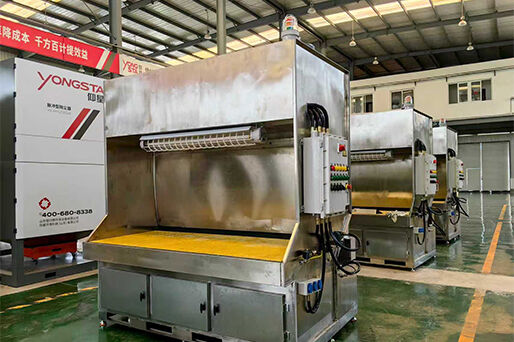
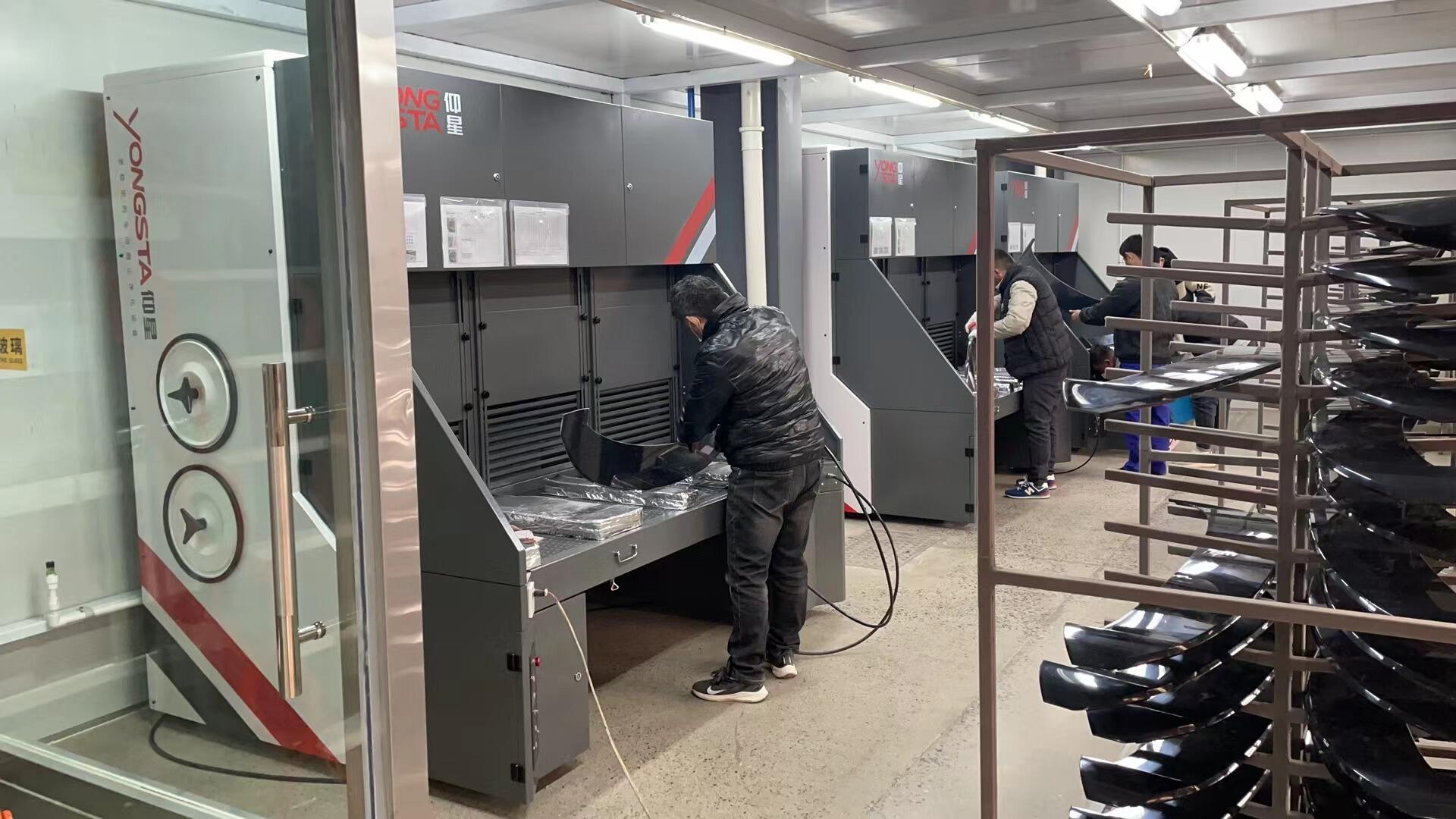
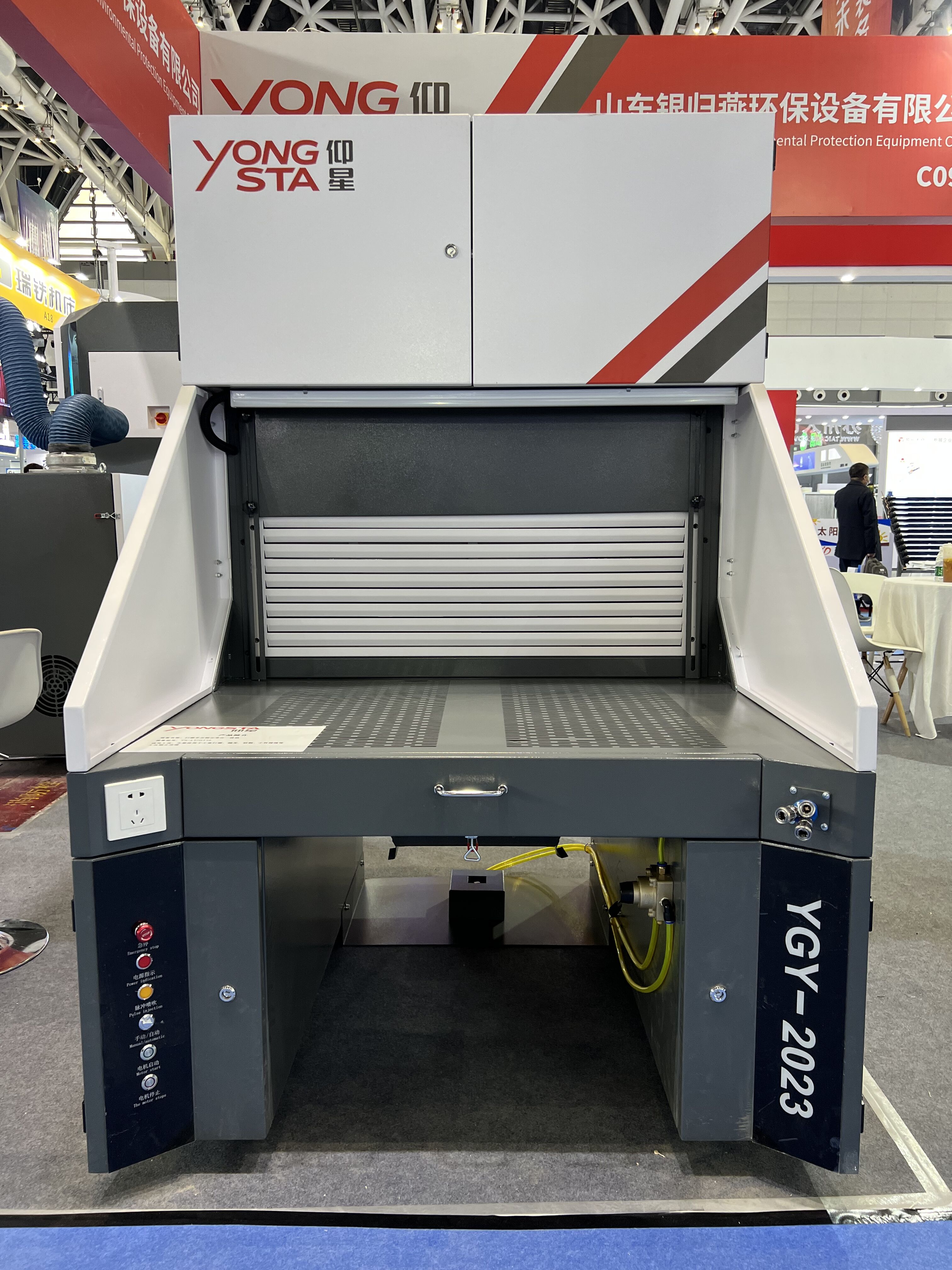
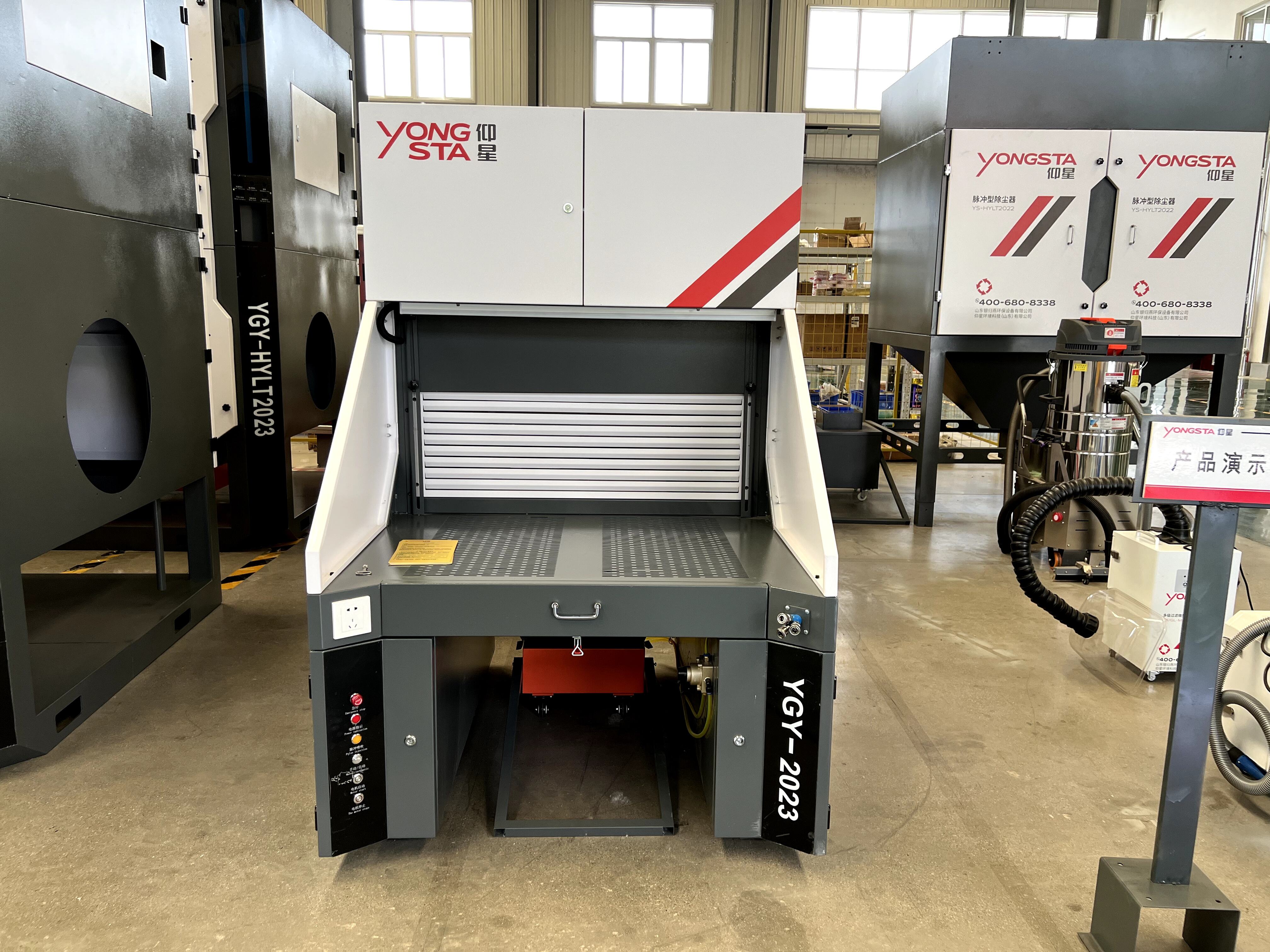
La mesa de extracción de polvo demuestra una versatilidad notable al manejar diversos materiales y procesos en numerosos sectores industriales, lo que la convierte en una inversión valiosa para instalaciones con requisitos de producción variados. En aplicaciones de carpintería, el sistema captura eficazmente el serrín, las virutas de madera y las finas partículas generadas durante el lijado en operaciones de fabricación de muebles, carpintería de obra y trabajos de ebanistería. La potencia de extracción se ajusta para adaptarse a distintas especies de madera y métodos de procesamiento, desde la eliminación agresiva de material durante el conformado inicial hasta la recolección suave de polvo durante el acabado final. Las instalaciones metalúrgicas dependen de las mesas de extracción de polvo para gestionar el polvo de esmerilado, las limaduras metálicas y los residuos de corte producidos durante operaciones de fabricación, mecanizado y acabado. El sistema gestiona tanto metales ferrosos como no ferrosos, incluyendo aluminio, acero, latón y aleaciones exóticas utilizadas en la fabricación aeroespacial y de dispositivos médicos. El procesamiento de materiales compuestos plantea desafíos únicos debido a las finas y ligeras fibras que se dispersan fácilmente en el aire y representan graves riesgos por inhalación. La mesa de extracción de polvo captura partículas de fibra de carbono, fibra de vidrio y aramida durante operaciones de corte, perforación y lijado, protegiendo así a los trabajadores frente a estos materiales particularmente peligrosos. Las operaciones de fabricación y reparación electrónica se benefician de mesas de extracción de polvo que mantienen condiciones de sala limpia necesarias para el ensamblaje de componentes sensibles y evitan descargas electrostáticas que podrían dañar circuitos delicados. Los entornos farmacéuticos y de laboratorio utilizan estos sistemas para contener polvos, partículas químicas y materiales biológicos, previniendo la contaminación cruzada y protegiendo a los investigadores frente a la exposición a sustancias potencialmente nocivas. La mesa de extracción de polvo se adapta también a aplicaciones artísticas y artesanales, como la joyería, la escultura, la cerámica y la construcción de maquetas, donde los trabajos de gran detalle generan pequeñas cantidades de polvo que, no obstante, requieren un control eficaz. Las instituciones educativas instalan estos sistemas en programas de formación profesional y talleres universitarios, enseñando a los estudiantes las prácticas adecuadas de control del polvo mientras protegen su salud durante el desarrollo de competencias. El sistema se adapta tanto a operaciones de producción continua como a trabajos puntuales o por proyectos, con controles que permiten su activación y apagado rápidos según sea necesario. La compatibilidad con materiales se extiende a compuestos abrasivos, resinas pegajosas y polvos higroscópicos que suponen un reto para los sistemas convencionales de recolección de polvo. La mesa de extracción de polvo soporta variaciones de temperatura, desde procesos de trabajo en frío hasta operaciones que implican materiales calentados, manteniendo una extracción eficaz en todo el rango de condiciones industriales. Esta versatilidad elimina la necesidad de múltiples sistemas especializados de extracción, reduciendo la inversión inicial y simplificando los requisitos de mantenimiento, al tiempo que garantiza un control integral del polvo en todas las operaciones de la instalación.
 ×
×



 EN
EN