Versatile Applications Across Multiple Industries and Processes
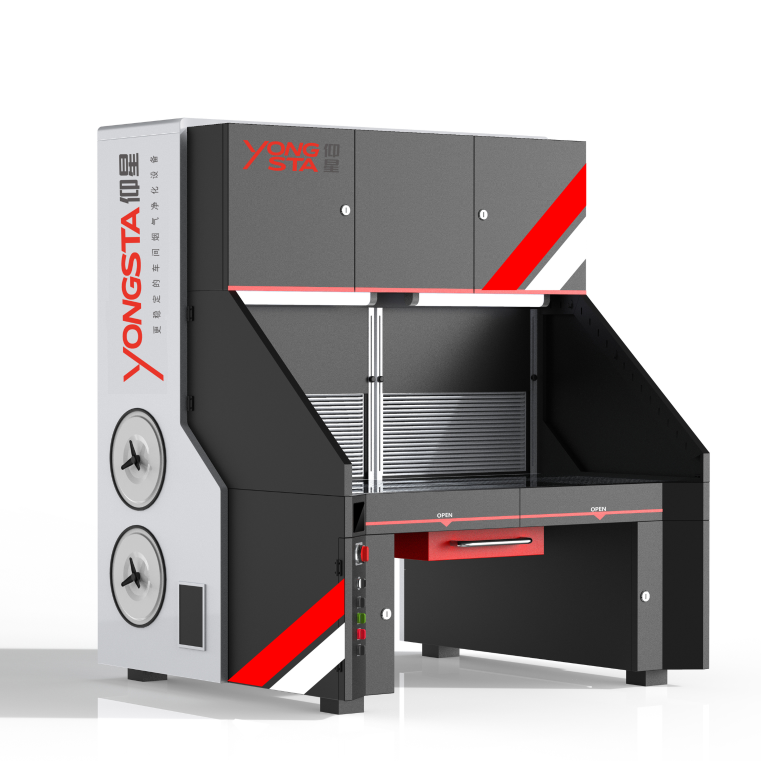
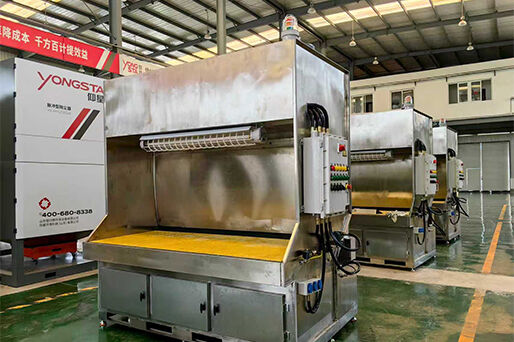
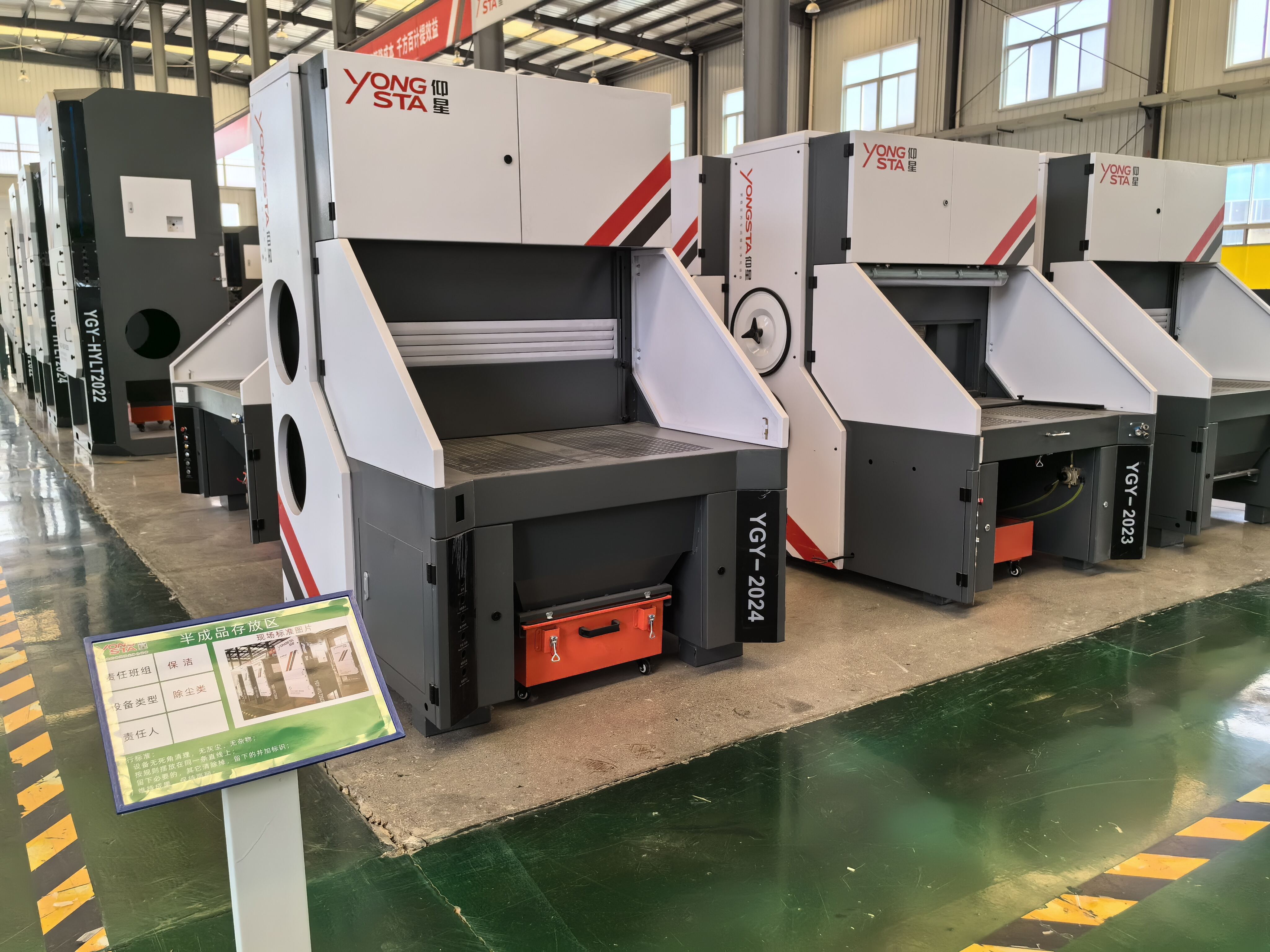
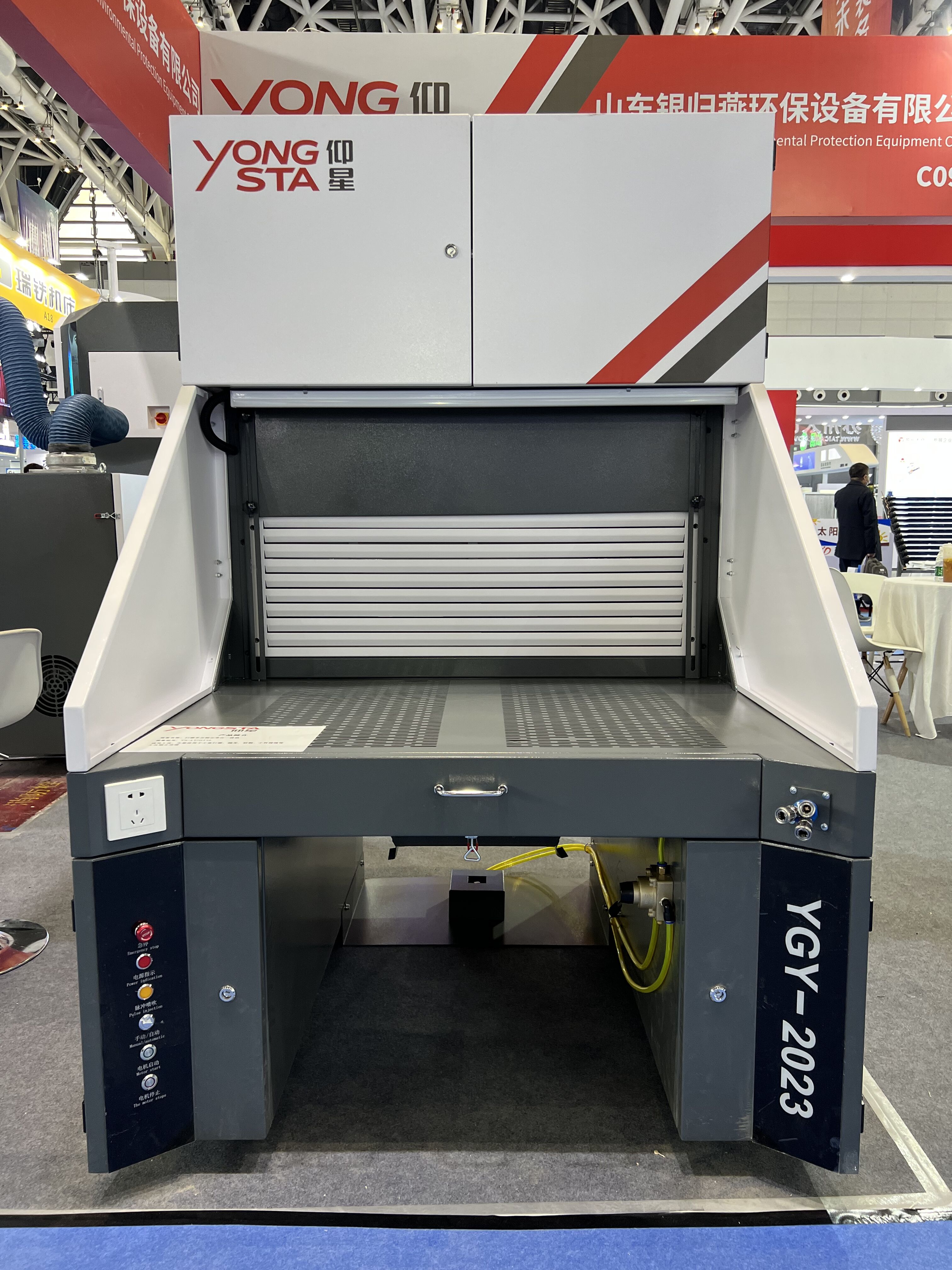
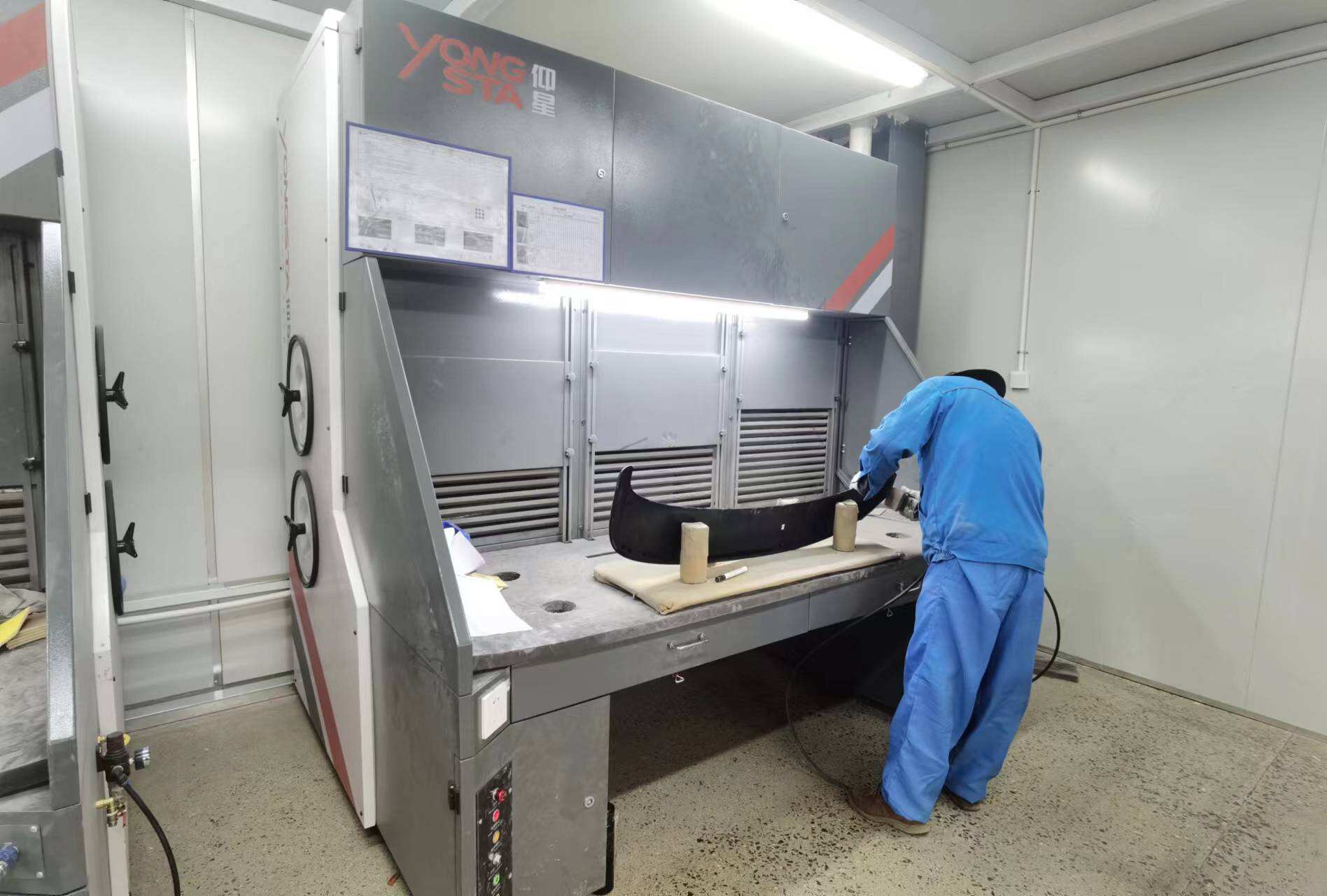
The adaptability of the industrial dust table makes it an invaluable asset across diverse manufacturing sectors and production processes, delivering consistent dust control regardless of the specific materials or operations involved. In metalworking facilities, these systems excel at capturing the fine metal particulates generated during grinding, deburring, polishing, and finishing operations on ferrous and non-ferrous materials. The robust construction withstands the weight of heavy metal components while the filtration system handles the abrasive nature of metal dust without premature wear. Woodworking operations benefit from the high-volume airflow capacity that manages the substantial dust generation rates associated with sanding, routing, and carving activities on solid wood, engineered wood products, and composite materials. The fire safety features become particularly important in these applications where fine wood dust presents explosion hazards if allowed to accumulate. Pharmaceutical and nutraceutical manufacturers rely on industrial dust tables during powder handling, tablet coating, and packaging operations where product containment prevents cross-contamination between batches and protects operators from exposure to active pharmaceutical ingredients. The smooth, cleanable surfaces meet sanitation requirements while the sealed construction prevents product loss. Electronics assembly facilities use these workstations during soldering operations to capture flux fumes and during grinding or cutting of circuit boards to contain the hazardous dust from fiberglass and resin materials. The static-dissipative work surface options protect sensitive electronic components from electrostatic discharge damage. Composite manufacturing operations generating carbon fiber, fiberglass, or aramid fiber dust during trimming and finishing processes require the specialized filtration capabilities that capture these lightweight, airborne fibers before they disperse throughout the facility. Jewelry manufacturing and precious metal refining operations appreciate the contained workspace that prevents loss of valuable metal dust and allows for complete recovery of precious materials from the collection system. Automotive repair shops use industrial dust tables during body filler sanding and paint preparation to protect technicians from hazardous dust while maintaining the clean environment necessary for quality paint finishes. Research and development laboratories employ these systems during prototype development and materials testing where dust generation is unpredictable and containment is essential for accurate experimental results. The modular accessory ecosystem allows each industrial dust table to be configured with industry-specific fixtures, lighting, and tooling that optimize performance for particular applications. This versatility means businesses can standardize on a single dust control platform across multiple production areas, simplifying procurement, training, and maintenance while achieving comprehensive dust control throughout their operations.
 ×
×



 EN
EN