Professional Dust Collection Table Systems - Industrial Air Quality Solutions

Get a Free Quote

Our representative will contact you soon.
Email
Name
Company Name
Message
0/1000

dust collection table

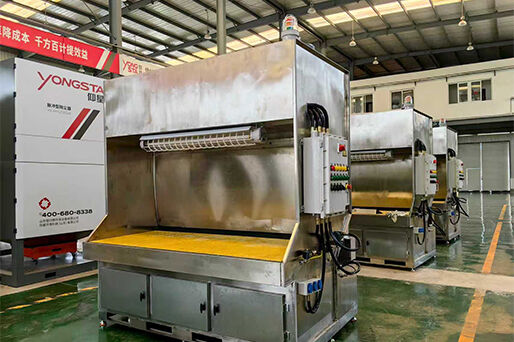
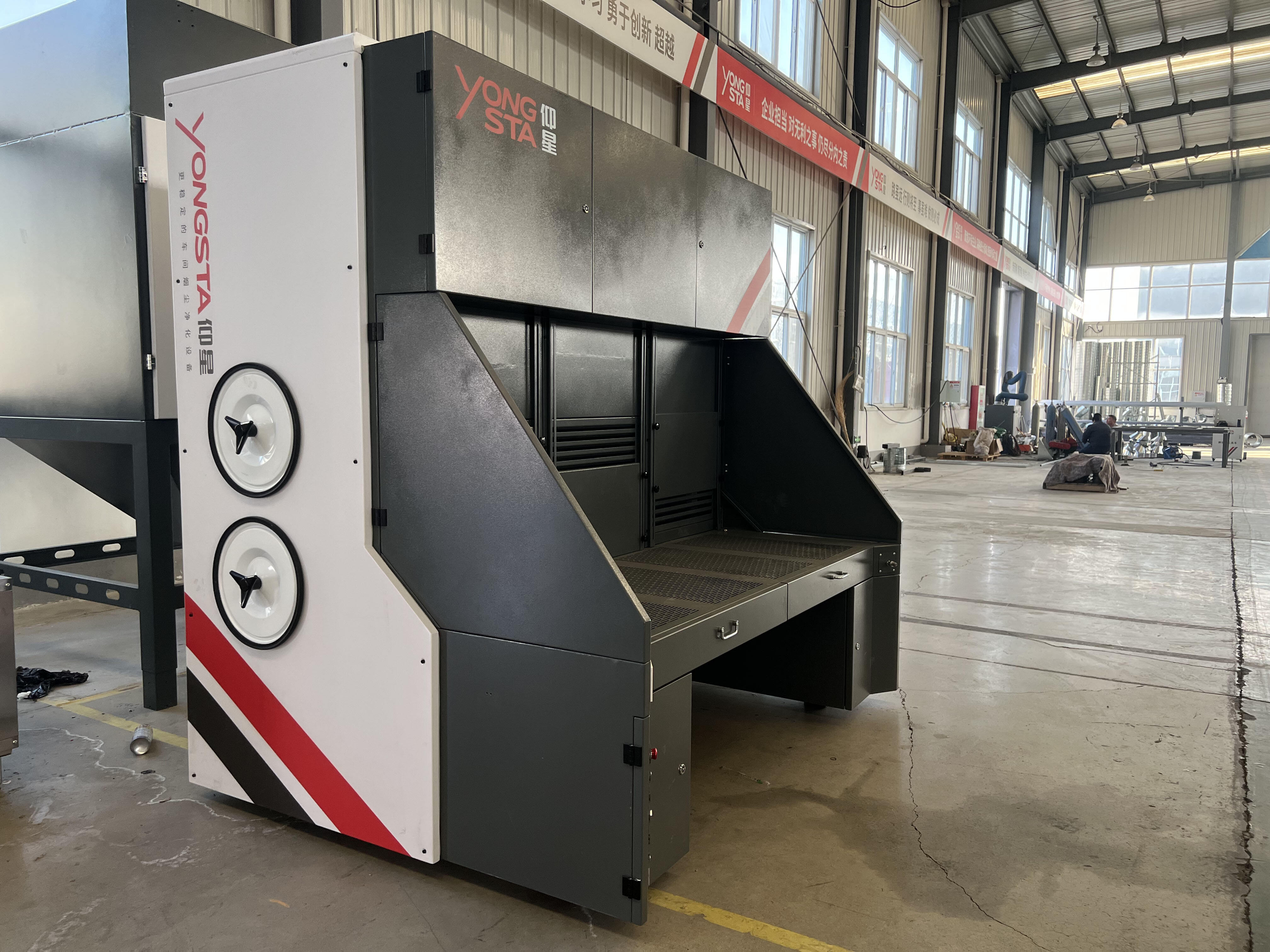
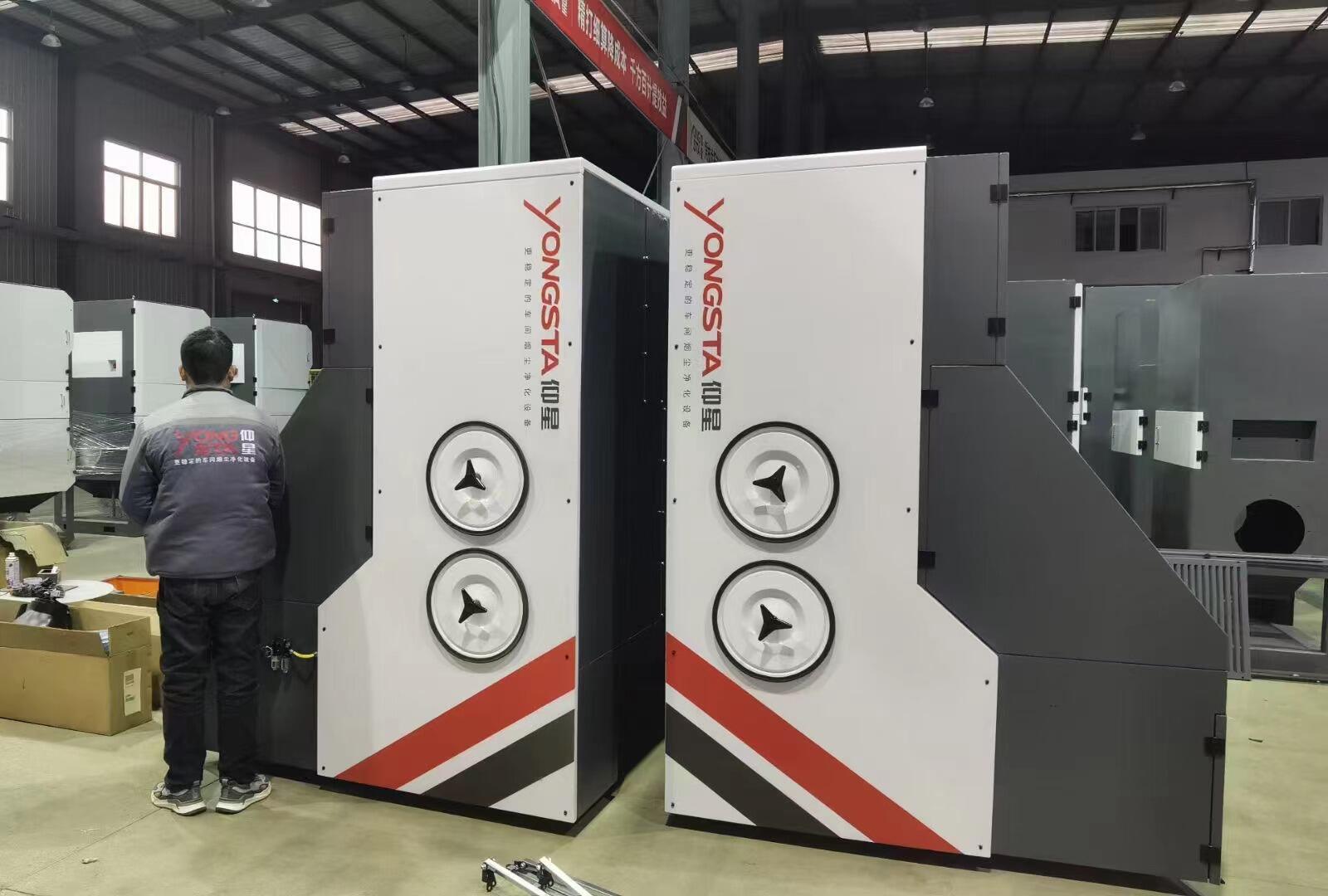
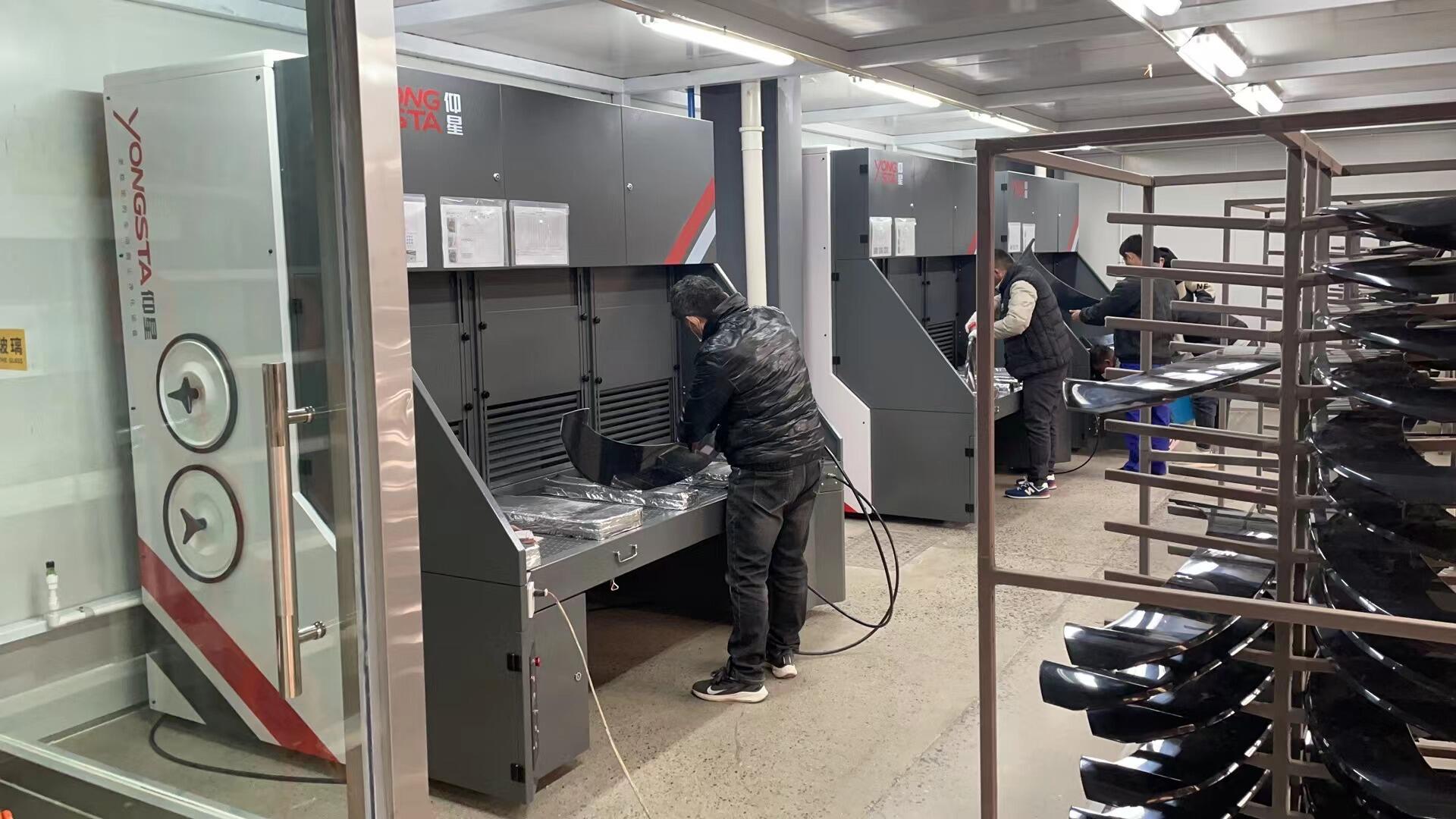
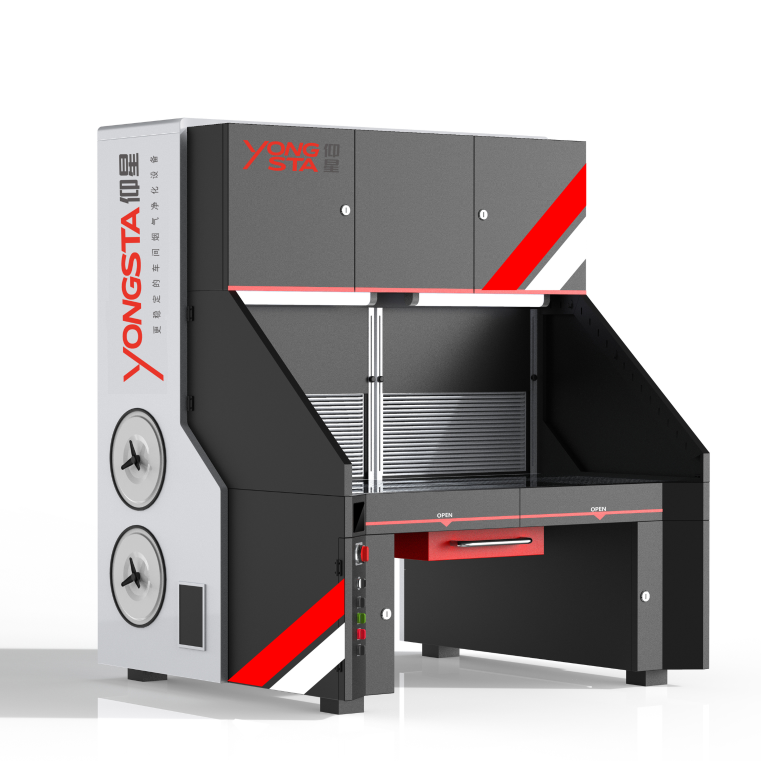
A dust collection table represents an essential piece of equipment designed to capture and contain airborne particles generated during various industrial and workshop operations. This specialized workstation integrates a flat working surface with an integrated ventilation system that actively draws dust, debris, and fine particulates away from the work area. The primary function centers on creating a cleaner, safer environment by preventing harmful dust from dispersing into the surrounding air where workers might inhale it. Modern dust collection tables feature powerful suction mechanisms positioned beneath or around the work surface, pulling contaminated air through filtration systems that trap particles before releasing clean air back into the workspace. These tables find widespread use in woodworking shops, metalworking facilities, pharmaceutical manufacturing, electronics assembly, and any operation producing fine dust or small debris. The technological features often include adjustable airflow controls, allowing operators to modify suction strength based on the specific task and material being processed. Many models incorporate replaceable or washable filters, ensuring long-term performance without constant replacement costs. The work surface itself typically consists of perforated metal, expanded mesh, or slotted designs that permit air to flow through while supporting workpieces securely. Advanced dust collection tables may include features such as integrated lighting, tool storage compartments, and ergonomic height adjustments to enhance user comfort during extended operations. The filtration systems range from basic bag collectors to sophisticated HEPA filters capable of capturing particles as small as 0.3 microns, making them suitable for applications requiring stringent air quality standards. By containing dust at the source, these tables significantly reduce cleanup time, protect expensive equipment from particle contamination, and help facilities maintain compliance with occupational health and safety regulations governing air quality and worker exposure to hazardous materials.

Popular Products

Investing in a dust collection table delivers immediate and long-term benefits that transform your workspace into a more productive and healthier environment. The most significant advantage lies in protecting worker health by capturing harmful particles before they become airborne and enter respiratory systems. Many industrial materials produce dust that can cause serious health issues ranging from minor irritation to chronic respiratory diseases, and a dust collection table acts as your first line of defense against these hazards. You will notice cleaner air quality within days of installation, as the system continuously removes particles that would otherwise settle on surfaces, equipment, and in workers' lungs. This cleaner environment translates directly into reduced sick days and lower healthcare costs over time. Beyond health benefits, these tables dramatically improve work quality by preventing dust from settling on wet finishes, adhesives, or precision components during manufacturing processes. Your products will have fewer defects, reducing waste and rework costs while improving customer satisfaction. The efficiency gains extend to daily operations as well, since workers spend far less time on cleanup activities when dust gets captured at the source rather than spreading throughout the facility. Equipment maintenance costs drop significantly because dust no longer infiltrates sensitive machinery, electronics, and moving parts that can suffer premature wear or failure from particle contamination. Many businesses discover that their existing tools and equipment last years longer after implementing proper dust collection, providing substantial return on investment. Compliance with workplace safety regulations becomes straightforward when you can demonstrate active dust control measures, potentially avoiding costly fines and legal issues. Insurance premiums may decrease when you show documented efforts to maintain safe working conditions. The professional appearance of a clean workspace also impresses clients and customers who visit your facility, enhancing your business reputation. Modern dust collection tables operate quietly compared to older systems, reducing noise pollution that can cause fatigue and communication difficulties. The contained dust also means less material waste, as you can often collect and reuse certain materials rather than losing them to dispersion. Energy efficiency has improved in recent models, with systems that automatically adjust suction based on actual usage rather than running at full power constantly. Installation typically requires minimal modifications to existing workspaces, and portable models offer flexibility to move the collection point wherever needed. The initial investment pays for itself through reduced material waste, lower cleaning costs, decreased equipment maintenance, improved worker productivity, and fewer health-related expenses, making the dust collection table one of the most cost-effective improvements you can make to any facility handling particulate-generating operations.

Practical Tips

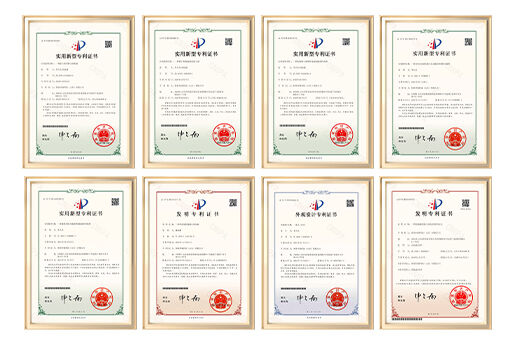
Yongsta R&D Team Wins 3 Dust Removal Technology Patents, Leading Industry Innovation

09

Apr

Yongsta R&D Team Wins 3 Dust Removal Technology Patents, Leading Industry Innovation

View More
Yongsta Cooperates with TUV for ATEX Explosion-Proof Certification, Explosion-Proof Dust Collector to Be Launched Soon

09

Apr

Yongsta Cooperates with TUV for ATEX Explosion-Proof Certification, Explosion-Proof Dust Collector to Be Launched Soon

View More
Empowering Benchmark Manufacturing! Yongsta Cartridge Dust Collector Aids Siemens Transformer China Factory's Dust Removal Renovation and Gains High Recognition

09

Apr

Empowering Benchmark Manufacturing! Yongsta Cartridge Dust Collector Aids Siemens Transformer China Factory's Dust Removal Renovation and Gains High Recognition

View More

Get a Free Quote

Our representative will contact you soon.
Email
Name
Company Name
Message
0/1000

dust collection table

Advanced Filtration Technology Ensures Maximum Particle Capture

Advanced Filtration Technology Ensures Maximum Particle Capture

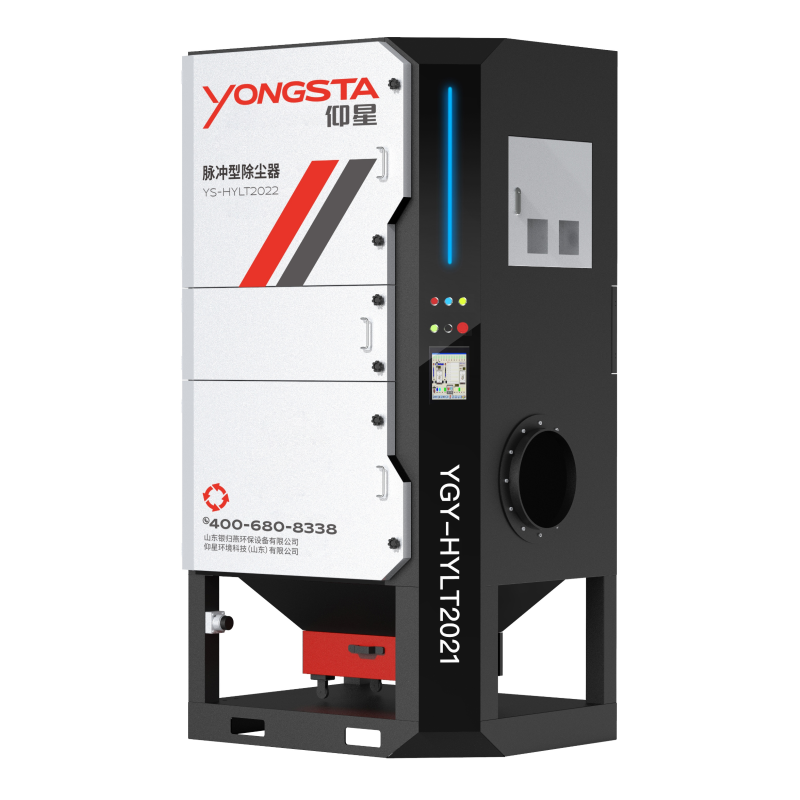
The filtration system represents the heart of any effective dust collection table, and modern designs incorporate multiple stages of filtration to capture particles of varying sizes with exceptional efficiency. Understanding how this technology protects your workspace helps you appreciate the engineering sophistication built into these systems. The process begins when contaminated air enters the collection system through the perforated work surface, immediately separating larger particles through initial screening that prevents oversized debris from reaching sensitive filter components. This pre-filtration stage extends the life of primary filters by handling the bulk of larger particles that would otherwise clog finer filtration media. The air then passes through primary filters, typically constructed from pleated synthetic materials offering extensive surface area within compact dimensions, capturing particles down to 5 microns with efficiency ratings exceeding 95 percent. For applications requiring even stricter air quality control, secondary HEPA filtration stages trap particles as small as 0.3 microns with 99.97 percent efficiency, meeting the stringent requirements of pharmaceutical manufacturing, electronics assembly, and other precision industries. The multi-stage approach ensures that even if primary filters become partially loaded, secondary stages continue protecting air quality until scheduled maintenance. Many systems now incorporate filter monitoring technology that alerts operators when filters approach capacity, preventing performance degradation and ensuring consistent particle capture throughout the service interval. The filter design itself has evolved significantly, with modern pleated configurations providing up to ten times more surface area than older flat filters, extending service life while maintaining strong airflow. Some advanced models feature automatic filter cleaning mechanisms that periodically reverse airflow or vibrate filter elements to dislodge accumulated dust back into collection containers, dramatically extending intervals between manual cleaning or replacement. This automation reduces maintenance labor while ensuring consistent performance. The filter housing design prevents bypass, ensuring all air passes through filtration media rather than finding gaps or leaks that would compromise system effectiveness. Sealed connections and gasket systems maintain integrity even under continuous operation and vibration. The captured particles collect in easily removable containers or bags, simplifying disposal and allowing you to handle collected material safely without creating secondary dust clouds during emptying. For operations handling valuable materials like precious metal dust or recyclable particles, this contained collection enables material recovery and reuse, turning waste into revenue. The filtration technology also addresses static electricity concerns, with grounded components preventing spark generation that could ignite combustible dust, a critical safety feature for operations handling wood dust, metal powders, or other flammable particles. Investment in superior filtration technology pays dividends through extended filter life, reduced replacement costs, consistent performance, and the peace of mind that comes from knowing your air quality meets or exceeds safety standards protecting worker health and regulatory compliance.
Ergonomic Design Maximizes Productivity and Worker Comfort

Ergonomic Design Maximizes Productivity and Worker Comfort

The physical design of a dust collection table directly impacts how effectively workers can perform their tasks while benefiting from dust capture capabilities, making ergonomic considerations as important as filtration performance. Manufacturers have invested heavily in research to understand how workers interact with these tables throughout their shifts, resulting in designs that reduce fatigue, prevent injury, and enable sustained productivity. The work surface height represents a critical dimension, with adjustable models allowing customization to individual worker stature and specific task requirements, ensuring proper posture whether performing detailed inspection work requiring close visual examination or handling larger components demanding different positioning. Fixed-height models typically conform to standard workbench dimensions proven through ergonomic studies to accommodate the broadest range of users comfortably. The work surface itself balances several competing requirements: it must allow adequate airflow for effective dust capture while providing stable support for workpieces and tools. Perforated metal surfaces offer excellent strength and durability, supporting heavy components without flexing while maintaining consistent airflow across the entire surface area. The perforation pattern affects both airflow distribution and the types of work the table can accommodate, with smaller holes preventing small parts from falling through while larger openings maximize suction for operations generating substantial dust volumes. Some designs incorporate removable surface inserts, allowing you to customize the work area for specific tasks by installing solid sections where you need stable support or fine-mesh sections for detailed work with small components. The table edges often feature rounded profiles preventing pressure points that cause discomfort during extended contact, while integrated tool rails or accessory mounting points keep frequently used items within easy reach without cluttering the work surface. Lighting integration has become standard in premium models, with LED fixtures positioned to eliminate shadows and provide consistent illumination across the work area, reducing eye strain and improving accuracy for precision tasks. The lighting often includes adjustable intensity and color temperature settings, allowing workers to optimize visibility for different materials and operations. Storage solutions built into the table base keep supplies, tools, and safety equipment organized and accessible, reducing the time workers spend searching for items and minimizing trips away from the workstation. Caster-equipped mobile models offer flexibility to reconfigure workspace layouts as production needs change, while locking mechanisms ensure stability during use. The mobility proves particularly valuable in shared facilities where different departments need dust collection capabilities at various times, allowing one table to serve multiple areas rather than requiring dedicated units everywhere. Noise reduction features including vibration dampening mounts and sound-insulated housings create a more pleasant work environment, enabling normal conversation and reducing the fatigue associated with constant exposure to loud equipment. The control interface positioning ensures workers can adjust settings without awkward reaching or leaving their optimal working position, with intuitive controls that require minimal training. Some advanced models include foot-operated controls, allowing workers to activate or adjust suction without interrupting hand work, particularly valuable during operations requiring continuous manual control. The overall design philosophy prioritizes worker needs, recognizing that even the most technologically advanced dust collection system delivers limited value if workers find it uncomfortable or difficult to use, leading to avoidance or workarounds that compromise both productivity and safety.
Versatile Applications Across Multiple Industries and Materials

Versatile Applications Across Multiple Industries and Materials

The adaptability of dust collection tables to diverse industrial applications and material types makes them valuable investments for facilities handling varied production requirements, with design features that accommodate everything from fine powder processing to aggressive grinding operations. Understanding the breadth of applications helps you recognize how a single dust collection table can serve multiple functions within your operation, maximizing return on investment. Woodworking represents one of the most common applications, where operations like sanding, routing, and cutting generate substantial volumes of wood dust that poses both health hazards and fire risks due to its combustible nature. The dust collection table captures this material at the source, preventing accumulation on floors and equipment while protecting workers from respiratory exposure to wood particles linked to various health conditions. Metalworking operations benefit equally, with grinding, polishing, and deburring processes producing metal particles and dust that can cause respiratory issues and contaminate precision components. The table captures these particles before they spread, maintaining cleaner work areas and protecting sensitive equipment from abrasive contamination. Pharmaceutical and chemical processing facilities use dust collection tables during powder handling, tablet coating, and formulation operations where cross-contamination prevention and worker protection from active pharmaceutical ingredients demand rigorous particle control. The sealed systems and HEPA filtration capabilities meet the stringent requirements of these regulated industries. Electronics manufacturing relies on dust collection tables during soldering, component preparation, and assembly operations where even microscopic particles can cause product failures or performance issues. The tables maintain the clean conditions essential for producing reliable electronic devices. Composite material fabrication involving fiberglass, carbon fiber, and other advanced materials generates particularly hazardous dust that requires effective capture to protect worker health, with dust collection tables providing the necessary control during cutting, trimming, and finishing operations. Jewelry making and precious metal work benefit from the material recovery capabilities, with collected dust containing valuable metal particles that can be processed and reused rather than lost to general waste streams. Stone and tile cutting operations produce silica-containing dust that poses serious long-term health risks, making effective dust collection not just beneficial but essential for regulatory compliance and worker protection. The tables handle the heavy dust loads generated by these operations while capturing the fine silica particles most dangerous to respiratory health. Automotive repair and restoration work generates dust from sanding body filler, paint preparation, and rust removal, with dust collection tables providing mobile capture solutions that can move between work areas as needed. 3D printing operations increasingly use dust collection tables during post-processing activities like support removal and surface finishing, capturing the fine particles generated when working with printed parts. Research and development laboratories employ these tables during material testing, sample preparation, and experimental processes where controlling contamination and protecting researchers from exposure to unknown or hazardous materials remains paramount. The versatility extends to educational settings, where vocational schools and university workshops use dust collection tables to teach proper safety practices while protecting students learning woodworking, metalworking, and other trades. The ability to handle such diverse applications stems from adjustable airflow controls, interchangeable work surfaces, and filtration systems designed to capture particles across a wide size range, making the dust collection table a truly universal solution for particle control across industries and applications.

Get a Free Quote

Our representative will contact you soon.
Email
Name
Company Name
Message
0/1000
email goToTop