Industrial Dust Extraction Table - Advanced Filtration Systems for Safer Workspaces

Get a Free Quote

Our representative will contact you soon.
Email
Name
Company Name
Message
0/1000

dust extraction table

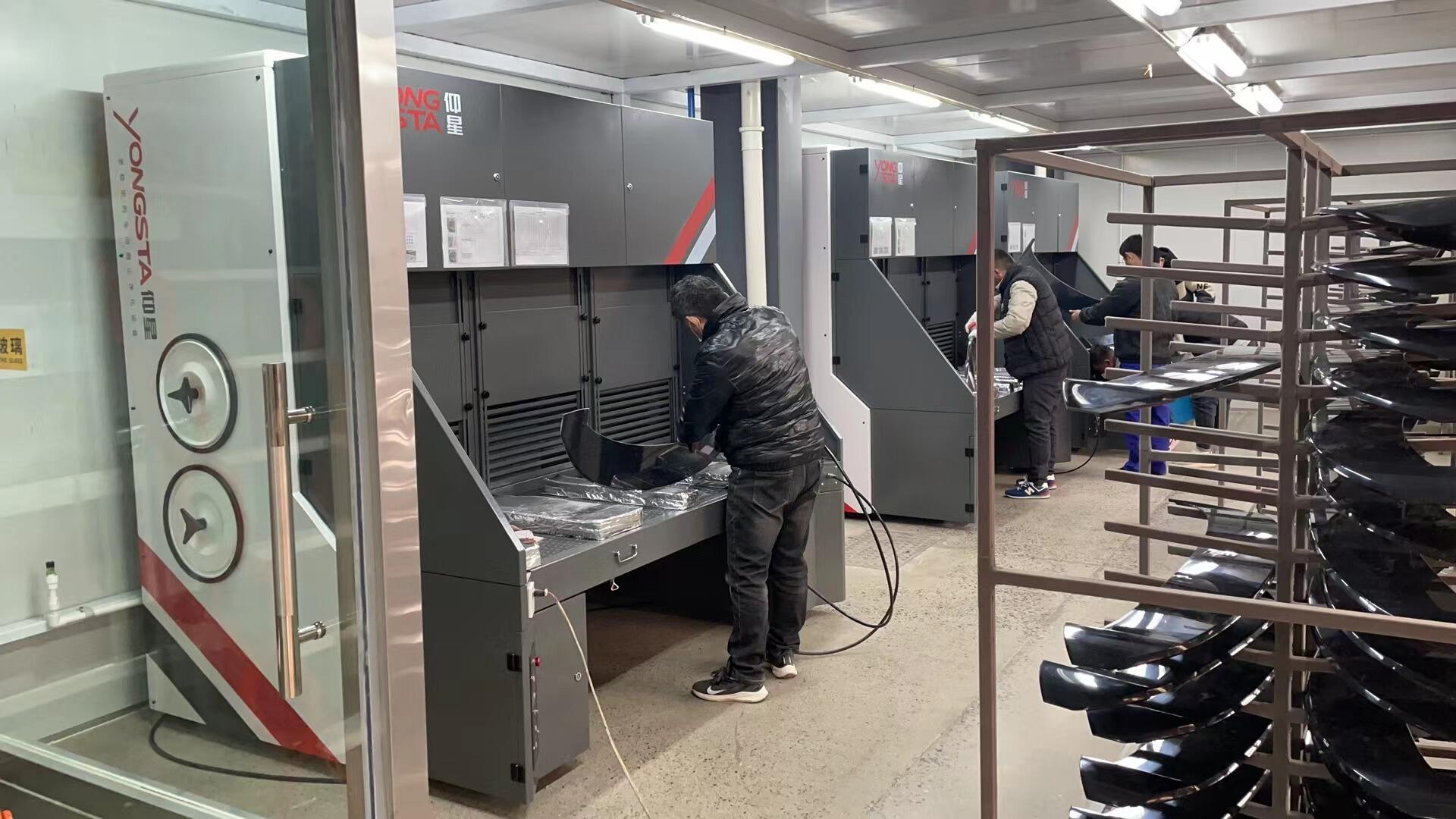
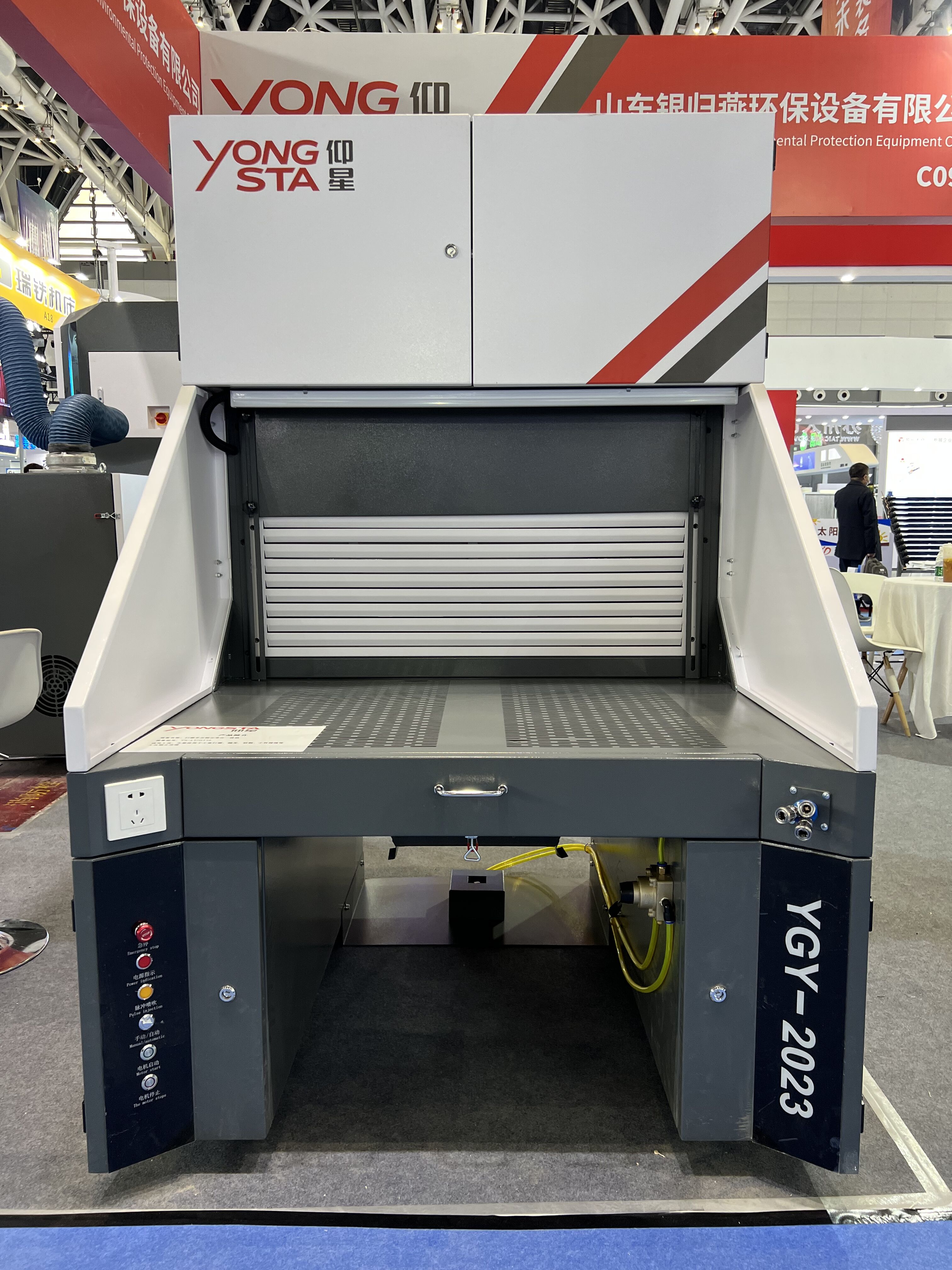
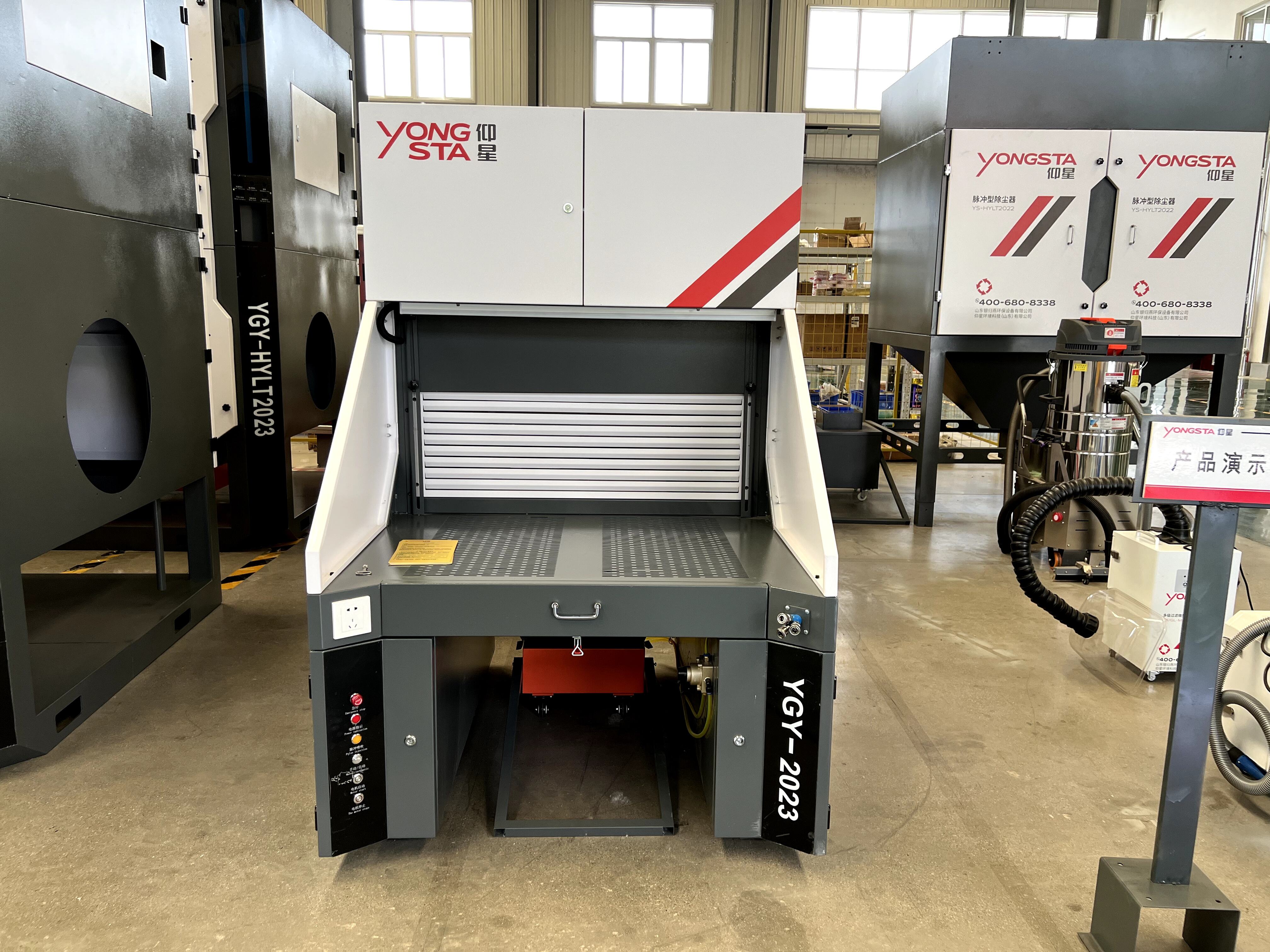
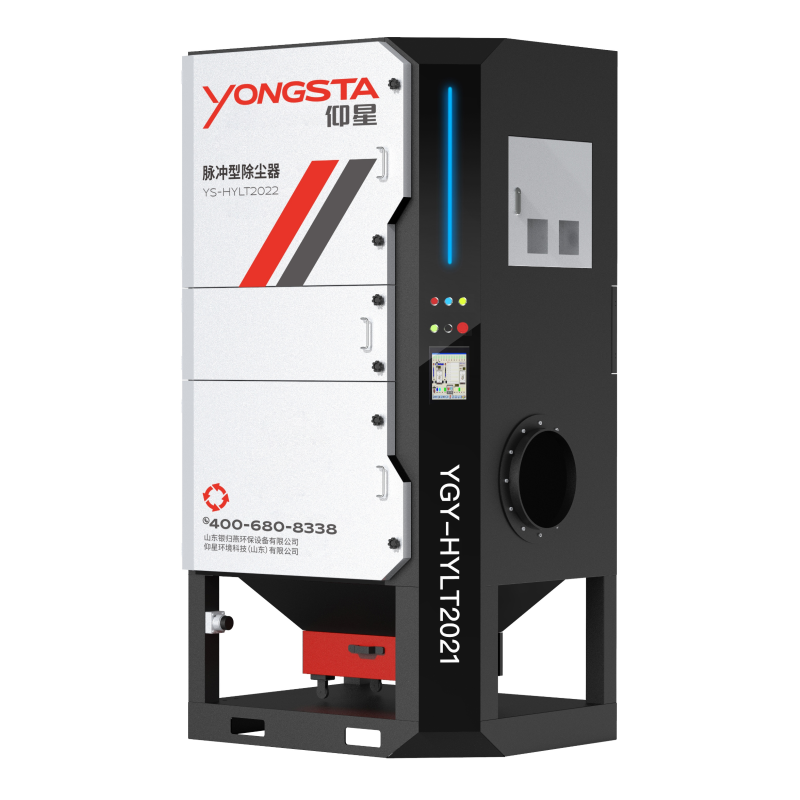
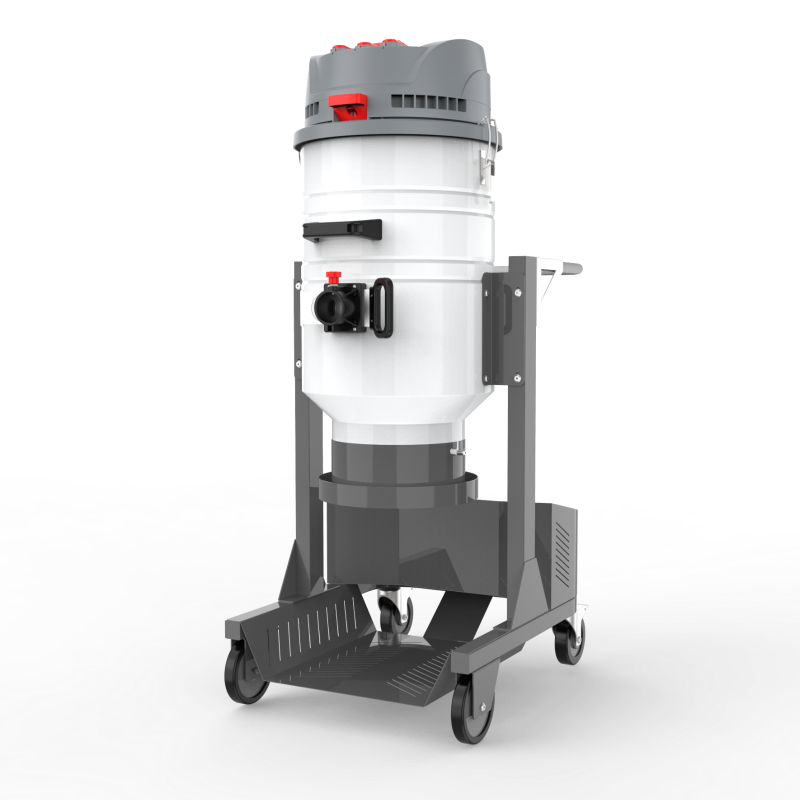
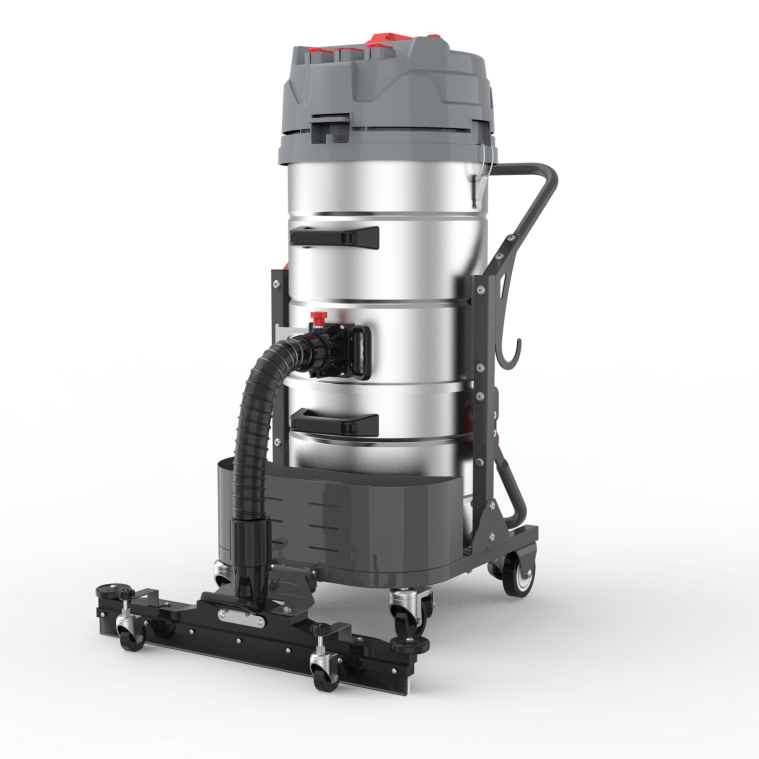
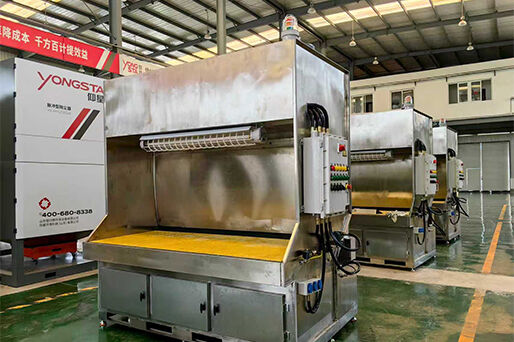
A dust extraction table represents an essential piece of industrial equipment designed to capture and remove airborne particles, debris, and contaminants generated during various manufacturing and processing operations. This specialized workstation integrates a flat working surface with a powerful ventilation system that draws dust and fine particles away from the operator's breathing zone and the immediate work area. The primary function of a dust extraction table centers on creating a cleaner, safer working environment by preventing the accumulation of hazardous dust particles that can pose serious health risks and compromise product quality. Modern dust extraction tables employ advanced filtration technology that captures particles as small as 0.3 microns, ensuring comprehensive removal of even the finest dust particles. The technological features of these systems include variable speed controls that allow operators to adjust suction power based on the specific application, ensuring optimal performance across different materials and processes. Many dust extraction tables incorporate downdraft designs where air flows downward through the work surface, pulling contaminants away from the operator and into collection chambers or filtration systems. Applications for dust extraction tables span numerous industries including woodworking, metalworking, pharmaceutical manufacturing, electronics assembly, and composite material fabrication. In woodworking shops, these tables capture sawdust and wood particles generated during sanding, routing, and finishing operations. Metal fabrication facilities use dust extraction tables to collect metal filings, grinding dust, and welding fumes. Pharmaceutical and electronics industries rely on these systems to maintain cleanroom standards and prevent contamination of sensitive products. The versatility of dust extraction tables makes them invaluable in any setting where airborne particles threaten worker health, product integrity, or environmental compliance.

Popular Products

The dust extraction table delivers immediate and measurable benefits that transform workplace safety and operational efficiency. Workers experience significantly improved air quality as the system continuously removes harmful particles before they can be inhaled, reducing respiratory problems and long-term health complications associated with dust exposure. This protection extends beyond immediate comfort to prevent chronic conditions such as occupational asthma, silicosis, and other lung diseases that develop from prolonged exposure to industrial dust. The system operates quietly in the background, maintaining a clean workspace without disrupting concentration or communication between team members. Productivity increases naturally when operators work in cleaner conditions with better visibility and fewer interruptions for cleanup. The continuous removal of dust particles prevents buildup on machinery, tools, and finished products, reducing defects and rework while extending equipment lifespan. Maintenance costs decrease as less dust accumulates on motors, bearings, and electronic components throughout the facility. The dust extraction table simplifies compliance with occupational health and safety regulations by providing documented evidence of dust control measures, helping companies avoid costly fines and legal complications. Energy efficiency represents another practical advantage, as modern systems use optimized airflow designs that deliver powerful extraction while consuming minimal electricity. The collected dust can often be recycled or disposed of more easily than scattered particles, reducing waste management expenses and environmental impact. Installation requires minimal modifications to existing workspaces, and the systems adapt easily to different production layouts and workflow requirements. Operators appreciate the ergonomic benefits of working at a properly designed extraction table, with comfortable working heights and unobstructed access to tools and materials. The investment in a dust extraction table pays for itself through reduced sick leave, lower insurance premiums, decreased cleaning costs, and improved product quality. Companies gain competitive advantages by demonstrating commitment to worker safety and environmental responsibility, enhancing their reputation with customers and regulatory agencies. The system provides flexibility to handle various materials and processes without requiring separate extraction equipment for each application. Real-time monitoring capabilities in advanced models alert operators to filter saturation or system malfunctions, preventing unexpected downtime and maintaining consistent protection.

Practical Tips

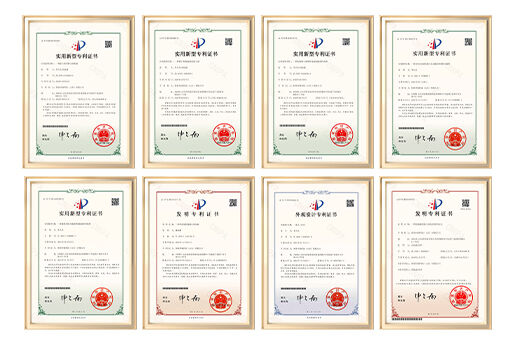
Yongsta R&D Team Wins 3 Dust Removal Technology Patents, Leading Industry Innovation

09

Apr

Yongsta R&D Team Wins 3 Dust Removal Technology Patents, Leading Industry Innovation

View More
Yongsta Cooperates with TUV for ATEX Explosion-Proof Certification, Explosion-Proof Dust Collector to Be Launched Soon

09

Apr

Yongsta Cooperates with TUV for ATEX Explosion-Proof Certification, Explosion-Proof Dust Collector to Be Launched Soon

View More
Empowering Benchmark Manufacturing! Yongsta Cartridge Dust Collector Aids Siemens Transformer China Factory's Dust Removal Renovation and Gains High Recognition

09

Apr

Empowering Benchmark Manufacturing! Yongsta Cartridge Dust Collector Aids Siemens Transformer China Factory's Dust Removal Renovation and Gains High Recognition

View More

Get a Free Quote

Our representative will contact you soon.
Email
Name
Company Name
Message
0/1000

dust extraction table

Advanced Filtration Technology for Maximum Particle Capture

Advanced Filtration Technology for Maximum Particle Capture

The filtration system within a dust extraction table represents the critical component that determines overall effectiveness and long-term performance. Modern dust extraction tables utilize multi-stage filtration processes that progressively capture particles of decreasing size, ensuring comprehensive removal of contaminants from the workspace air. The first stage typically employs a pre-filter or cyclonic separator that removes larger particles and debris, preventing premature clogging of finer filtration media and extending the lifespan of downstream filters. This initial separation reduces the load on subsequent filtration stages and improves overall system efficiency. The secondary filtration stage incorporates high-efficiency particulate air filters or similar media capable of capturing particles down to 0.3 microns with efficiency ratings exceeding 99.97 percent. This level of filtration proves essential for protecting workers from fine dust particles that penetrate deep into lung tissue and cause the most serious health problems. The filtration media features pleated designs that maximize surface area within compact housings, providing high airflow capacity while maintaining strong particle capture rates. Some advanced dust extraction tables include activated carbon filters as a tertiary stage, removing odors, fumes, and volatile organic compounds that pass through particulate filters. This comprehensive approach addresses both visible dust and invisible chemical contaminants, creating truly clean air in the workspace. The filter housings incorporate tool-free access panels that simplify maintenance and replacement procedures, minimizing downtime and reducing the technical expertise required for routine servicing. Pressure differential gauges or electronic sensors monitor filter condition continuously, alerting operators when filters approach saturation and require replacement. This proactive monitoring prevents system performance degradation and ensures consistent protection throughout the filter lifecycle. The filtration system design considers the specific characteristics of different dust types, with options for handling sticky particles, fibrous materials, or abrasive compounds that challenge standard filters. Manufacturers engineer filter media to resist moisture, chemicals, and temperature extremes encountered in industrial environments, ensuring reliable performance under demanding conditions. The dust extraction table filtration system contributes directly to regulatory compliance by meeting or exceeding air quality standards established by occupational health agencies, providing documented proof of effective dust control measures during inspections and audits.
Ergonomic Workspace Design for Enhanced Operator Comfort and Efficiency

Ergonomic Workspace Design for Enhanced Operator Comfort and Efficiency

The physical design of a dust extraction table prioritizes operator comfort and workflow efficiency, recognizing that effective dust control must integrate seamlessly with daily work activities. The work surface height adjusts to accommodate operators of different statures, preventing the back strain and fatigue associated with poorly positioned workstations. This adjustability ensures that workers maintain proper posture throughout their shifts, reducing musculoskeletal disorders and improving long-term health outcomes. The table surface itself features durable construction that withstands impacts, scratches, and chemical exposure while providing a stable platform for precision work. Perforated or slotted work surfaces allow air to flow evenly across the entire workspace, eliminating dead zones where dust might accumulate and ensuring consistent extraction performance regardless of where materials are positioned. The perforation pattern balances airflow efficiency with surface stability, providing adequate support for small parts and tools while maintaining strong suction. Integrated tool storage and accessory mounting points keep frequently used items within easy reach, reducing unnecessary movement and improving workflow efficiency. The dust extraction table incorporates adequate lighting that illuminates the work surface without creating glare or shadows that obscure fine details. Some models include magnifying lenses or camera systems that assist with inspection and quality control tasks, adding value beyond basic dust extraction. The workspace layout considers the natural flow of materials through processing steps, positioning input and output areas to minimize handling and reduce the risk of contamination. Operators benefit from clear sightlines across the work surface, allowing them to monitor multiple processes simultaneously and respond quickly to any issues. The extraction system operates with minimal noise generation, preserving the ability to communicate verbally and hear equipment sounds that indicate proper operation or potential problems. Vibration isolation features prevent the extraction fan from transmitting movement to the work surface, maintaining stability for precision tasks that require steady hands and accurate positioning. The dust extraction table footprint optimizes space utilization in crowded facilities, providing maximum working area within a compact overall dimension. Mobility options including casters or modular designs allow facilities to reconfigure workspaces as production needs change, protecting the investment value over time. The ergonomic advantages of a well-designed dust extraction table translate directly into measurable productivity improvements, as operators work faster and more accurately when comfortable and free from dust-related distractions.
Versatile Application Capability Across Multiple Industries and Materials

Versatile Application Capability Across Multiple Industries and Materials

The dust extraction table demonstrates remarkable versatility in handling diverse materials and processes across numerous industrial sectors, making it a valuable investment for facilities with varied production requirements. In woodworking applications, the system effectively captures sawdust, wood chips, and fine sanding particles generated during furniture manufacturing, cabinetry, and millwork operations. The extraction power adjusts to match different wood species and processing methods, from aggressive material removal during rough shaping to gentle dust collection during final finishing. Metalworking facilities rely on dust extraction tables to manage grinding dust, metal filings, and cutting debris produced during fabrication, machining, and finishing operations. The system handles both ferrous and non-ferrous metals, including aluminum, steel, brass, and exotic alloys used in aerospace and medical device manufacturing. Composite material processing presents unique challenges due to the fine, lightweight fibers that become airborne easily and pose serious inhalation hazards. The dust extraction table captures carbon fiber, fiberglass, and aramid particles during cutting, drilling, and sanding operations, protecting workers from these particularly hazardous materials. Electronics manufacturing and repair operations benefit from dust extraction tables that maintain cleanroom conditions necessary for sensitive component assembly and prevent static discharge that could damage delicate circuits. Pharmaceutical and laboratory environments use these systems to contain powders, chemical dusts, and biological materials, preventing cross-contamination and protecting researchers from exposure to potentially harmful substances. The dust extraction table adapts to artistic and craft applications including jewelry making, sculpture, ceramics, and model building, where fine detail work generates small amounts of dust that nonetheless require effective control. Educational institutions install these systems in vocational training programs and university workshops, teaching students proper dust control practices while protecting their health during skill development. The system accommodates both continuous production operations and intermittent project work, with controls that allow quick activation and shutdown as needed. Material compatibility extends to abrasive compounds, sticky resins, and hygroscopic powders that challenge conventional dust collection systems. The dust extraction table handles temperature variations from cold-working processes to operations involving heated materials, maintaining effective extraction across the full range of industrial conditions. This versatility eliminates the need for multiple specialized extraction systems, reducing capital investment and simplifying maintenance requirements while ensuring comprehensive dust control across all facility operations.

Get a Free Quote

Our representative will contact you soon.
Email
Name
Company Name
Message
0/1000
email goToTop