Industrial Dust Extraction System - Advanced Air Quality Solutions for Manufacturing Facilities

Get a Free Quote

Our representative will contact you soon.
Email
Name
Company Name
Message
0/1000

industrial dust extraction system

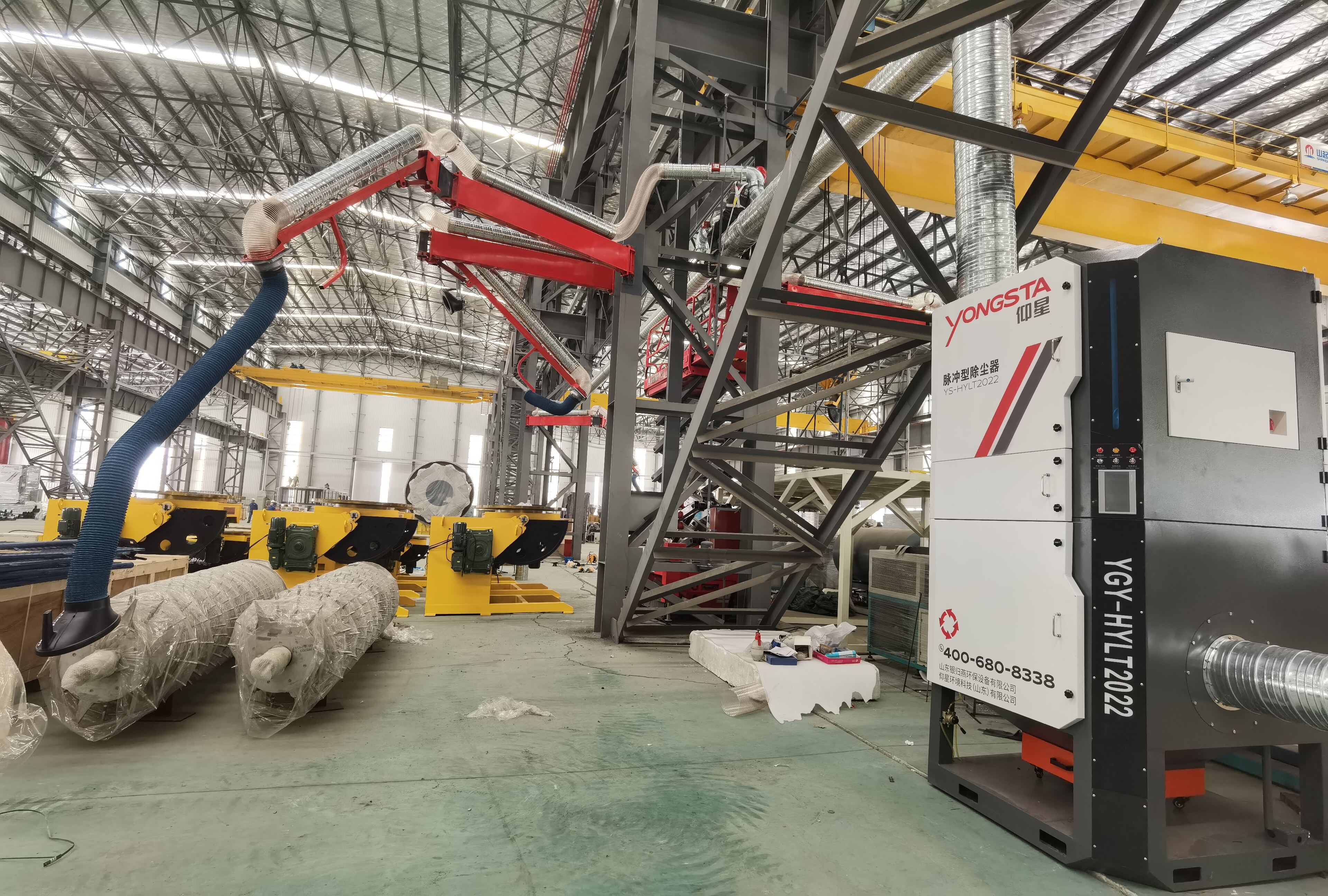
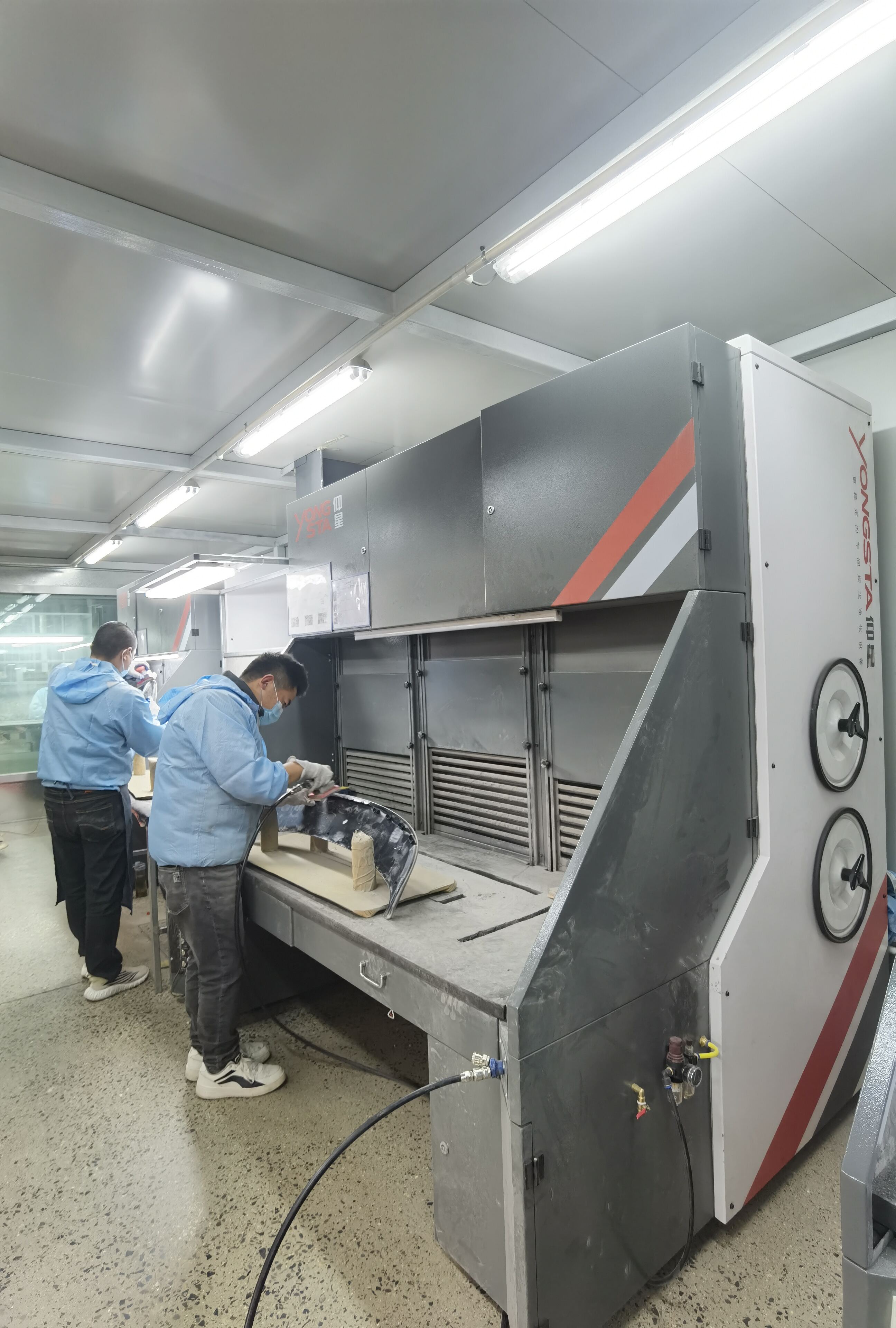
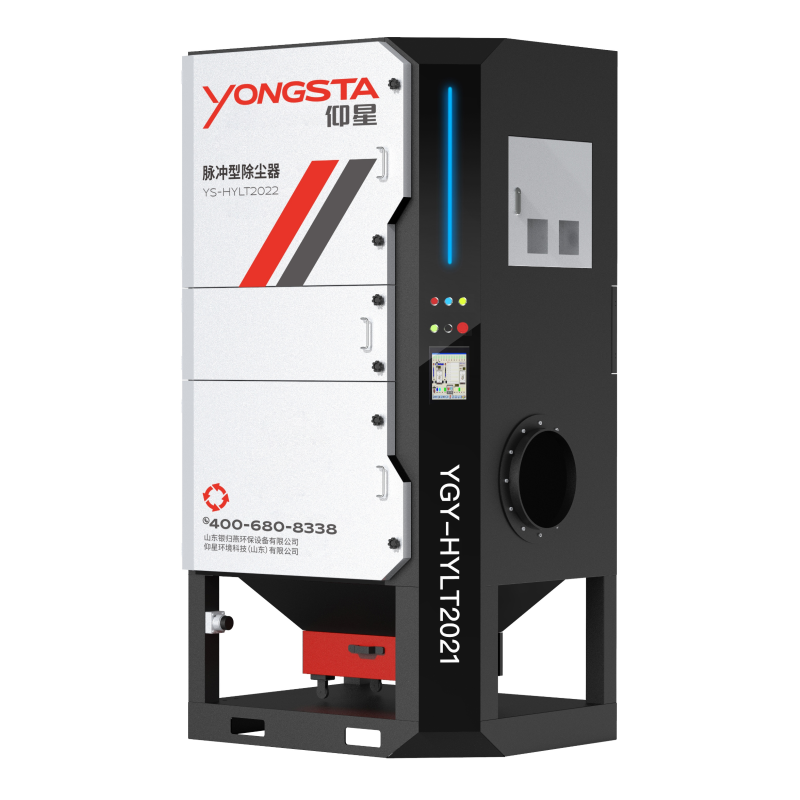
An industrial dust extraction system represents a critical component in modern manufacturing and processing facilities, designed to capture, filter, and remove airborne particulates generated during various production operations. These sophisticated systems work by creating negative pressure zones that draw contaminated air away from work areas, passing it through multiple filtration stages before releasing clean air back into the environment or exhausting it outdoors. The primary function centers on protecting worker health by eliminating harmful dust particles that can cause respiratory issues, while simultaneously maintaining equipment longevity by preventing dust accumulation on sensitive machinery components. Technological features include high-efficiency particulate air filters, automated cleaning mechanisms such as pulse-jet systems, variable frequency drives for energy optimization, and intelligent monitoring systems that track filter performance and alert operators to maintenance needs. Modern industrial dust extraction systems incorporate modular designs allowing customization based on specific facility requirements, whether handling wood dust in carpentry shops, metal particles in fabrication plants, pharmaceutical powders in production facilities, or cement dust in construction material manufacturing. Applications span diverse industries including woodworking, metalworking, pharmaceutical production, food processing, chemical manufacturing, textile production, and mining operations. These systems range from compact single-machine extractors serving individual workstations to centralized networks connecting multiple collection points throughout large facilities. Advanced models feature explosion-proof construction for handling combustible dusts, spark detection systems for fire prevention, and automated disposal mechanisms for collected materials. The integration of smart technology enables remote monitoring, predictive maintenance scheduling, and real-time air quality assessment, ensuring optimal performance while minimizing operational disruptions. By maintaining clean air standards, these systems help facilities comply with occupational safety regulations and environmental protection standards, making them indispensable investments for responsible industrial operations seeking to balance productivity with workplace safety and environmental stewardship.

New Product Recommendations

Investing in an industrial dust extraction system delivers immediate and long-term benefits that directly impact your bottom line and operational efficiency. First and foremost, these systems dramatically improve workplace air quality, creating a healthier environment where employees can work without exposure to harmful airborne particles that cause respiratory problems, allergic reactions, and long-term health complications. Cleaner air means fewer sick days, reduced workers compensation claims, and higher employee morale, translating to consistent productivity and lower insurance premiums. Beyond health benefits, these systems protect your valuable equipment from premature wear and failure caused by dust accumulation on moving parts, electrical components, and cooling systems. Machinery runs smoother and lasts longer when operating in clean conditions, reducing maintenance costs and avoiding expensive downtime from equipment breakdowns. The financial advantages extend to regulatory compliance, as these systems help you meet occupational safety standards and environmental regulations, avoiding costly fines, legal issues, and potential facility shutdowns. Many businesses discover that proper dust extraction actually improves product quality by preventing contamination, reducing defect rates, and ensuring consistent manufacturing conditions. The systems also enhance visibility in work areas by eliminating dust clouds that obscure vision and create safety hazards, leading to fewer accidents and improved operational precision. Energy-efficient models with variable speed controls adapt power consumption to actual demand, lowering utility bills compared to older constant-speed systems. Modern industrial dust extraction systems operate quietly, reducing noise pollution that contributes to worker fatigue and communication difficulties. The collected dust can often be recycled or sold as raw material, turning waste into revenue while reducing disposal costs. Installation flexibility means these systems adapt to your existing facility layout without requiring major structural modifications, and modular designs allow future expansion as your operation grows. Automated cleaning features minimize manual intervention, freeing staff for productive tasks rather than maintenance duties. Real-time monitoring capabilities provide data-driven insights into system performance, enabling proactive maintenance that prevents failures before they occur. Companies that implement comprehensive dust extraction report improved employee retention, as workers prefer clean, safe environments, reducing recruitment and training expenses associated with high turnover. The professional appearance of a clean facility also impresses clients and inspectors, enhancing your business reputation and competitive positioning in your industry.

Latest News

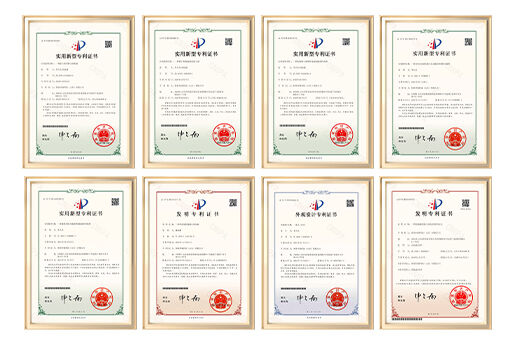
Yongsta R&D Team Wins 3 Dust Removal Technology Patents, Leading Industry Innovation

09

Apr

Yongsta R&D Team Wins 3 Dust Removal Technology Patents, Leading Industry Innovation

View More
Yongsta Cooperates with TUV for ATEX Explosion-Proof Certification, Explosion-Proof Dust Collector to Be Launched Soon

09

Apr

Yongsta Cooperates with TUV for ATEX Explosion-Proof Certification, Explosion-Proof Dust Collector to Be Launched Soon

View More
Empowering Benchmark Manufacturing! Yongsta Cartridge Dust Collector Aids Siemens Transformer China Factory's Dust Removal Renovation and Gains High Recognition

09

Apr

Empowering Benchmark Manufacturing! Yongsta Cartridge Dust Collector Aids Siemens Transformer China Factory's Dust Removal Renovation and Gains High Recognition

View More

Get a Free Quote

Our representative will contact you soon.
Email
Name
Company Name
Message
0/1000

industrial dust extraction system

Advanced Filtration Technology That Captures 99.9 Percent of Airborne Particles

Advanced Filtration Technology That Captures 99.9 Percent of Airborne Particles

The cornerstone of any effective industrial dust extraction system lies in its filtration technology, and modern systems employ multi-stage filtration processes that achieve remarkable particle capture rates exceeding 99.9 percent efficiency. This advanced capability stems from carefully engineered filter media that combines mechanical filtration with electrostatic attraction, trapping particles as small as 0.3 microns, which includes the most dangerous respirable dust that penetrates deep into lung tissue. The primary filtration stage typically uses pleated cartridge filters or bag filters with enormous surface areas, maximizing dust-holding capacity while maintaining consistent airflow. These filters feature specialized coatings that prevent dust from embedding into the media, ensuring easy cleaning and extended service life. The secondary stage often incorporates HEPA filters for applications requiring absolute air purity, such as pharmaceutical manufacturing or food processing where contamination poses serious risks. What makes this technology particularly valuable is the automated pulse-jet cleaning system that periodically blasts compressed air through filters from the clean side, dislodging accumulated dust into collection hoppers without interrupting system operation. This self-cleaning capability maintains optimal airflow and suction power throughout the workday, eliminating the productivity losses associated with manual filter cleaning or system shutdowns. The filters themselves are designed for quick replacement without tools, minimizing maintenance time and allowing non-specialized staff to perform routine servicing. Advanced industrial dust extraction systems also incorporate differential pressure sensors that continuously monitor filter condition, alerting operators when cleaning cycles need adjustment or filters require replacement, preventing unexpected performance degradation. The filter housing construction uses heavy-gauge steel with reinforced seams and gasket seals that prevent dust leakage, ensuring captured particles remain contained rather than re-entering the workspace. For facilities handling combustible dusts like wood, metal, or organic materials, specialized filter designs include flame-retardant media and integrated spark detection systems that identify and extinguish ignition sources before they reach accumulated dust, preventing potentially catastrophic explosions. The economic value of superior filtration extends beyond health and safety, as cleaner exhaust air allows indoor recirculation in climate-controlled facilities, recovering heated or cooled air that would otherwise be lost, generating substantial energy savings in regions with extreme temperatures.
Intelligent Monitoring and Control Systems for Optimal Performance

Intelligent Monitoring and Control Systems for Optimal Performance

Modern industrial dust extraction systems incorporate sophisticated monitoring and control technology that transforms these units from simple vacuum systems into intelligent environmental management platforms. At the heart of this capability lies programmable logic controllers that continuously analyze multiple operational parameters including airflow velocity, filter pressure differential, motor current draw, and collection hopper fill levels, making real-time adjustments to maintain peak efficiency under varying load conditions. Variable frequency drives automatically modulate fan speed based on actual demand, ramping up when multiple collection points operate simultaneously and reducing speed during light usage periods, delivering energy savings that can reach 40 percent compared to fixed-speed systems. The monitoring systems track cumulative operating hours, filter cleaning cycles, and maintenance intervals, generating automated alerts when service becomes due, enabling predictive maintenance strategies that prevent unexpected failures and extend equipment lifespan. Touch-screen interfaces provide operators with intuitive dashboards displaying system status at a glance, with color-coded indicators showing normal operation, warnings, or fault conditions requiring attention. Advanced models offer network connectivity allowing remote monitoring via smartphones or computers, enabling facility managers to check system performance from anywhere, receive instant notifications of issues, and access historical data for trend analysis and optimization. This connectivity also facilitates integration with building management systems, coordinating dust extraction operation with production schedules, HVAC systems, and facility-wide energy management strategies. The data logging capabilities prove invaluable for regulatory compliance, automatically generating reports documenting air quality maintenance and system performance that satisfy occupational safety inspections and environmental audits. Diagnostic features help troubleshoot problems quickly by identifying specific components or conditions causing performance issues, reducing downtime and repair costs by directing maintenance personnel to exact problem areas rather than requiring time-consuming investigation. Safety interlocks prevent system operation when access doors open or when critical faults occur, protecting personnel and equipment from hazardous conditions. The control systems can also manage multiple extraction units as coordinated networks, balancing loads across systems and providing redundancy so production continues even if one unit requires servicing. For facilities with diverse dust-generating processes, programmable profiles allow customized operating parameters for different applications, automatically adjusting suction power, filtration intensity, and cleaning cycles based on the specific dust characteristics and production requirements of each work area.
Flexible Design and Scalable Configuration for Any Industrial Application

Flexible Design and Scalable Configuration for Any Industrial Application

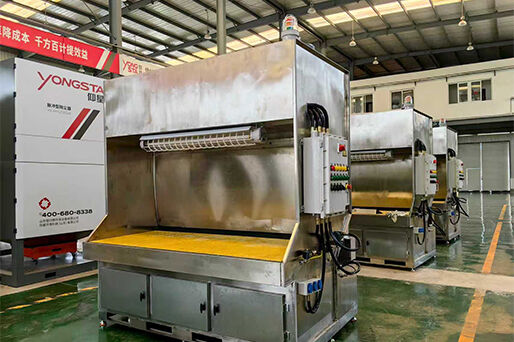
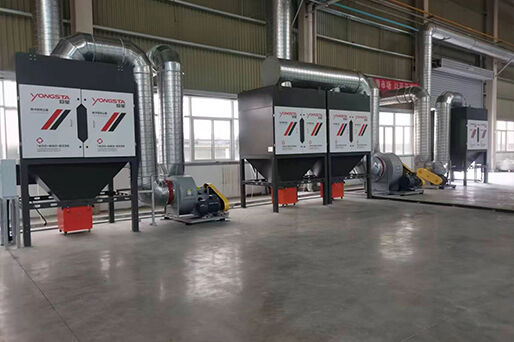
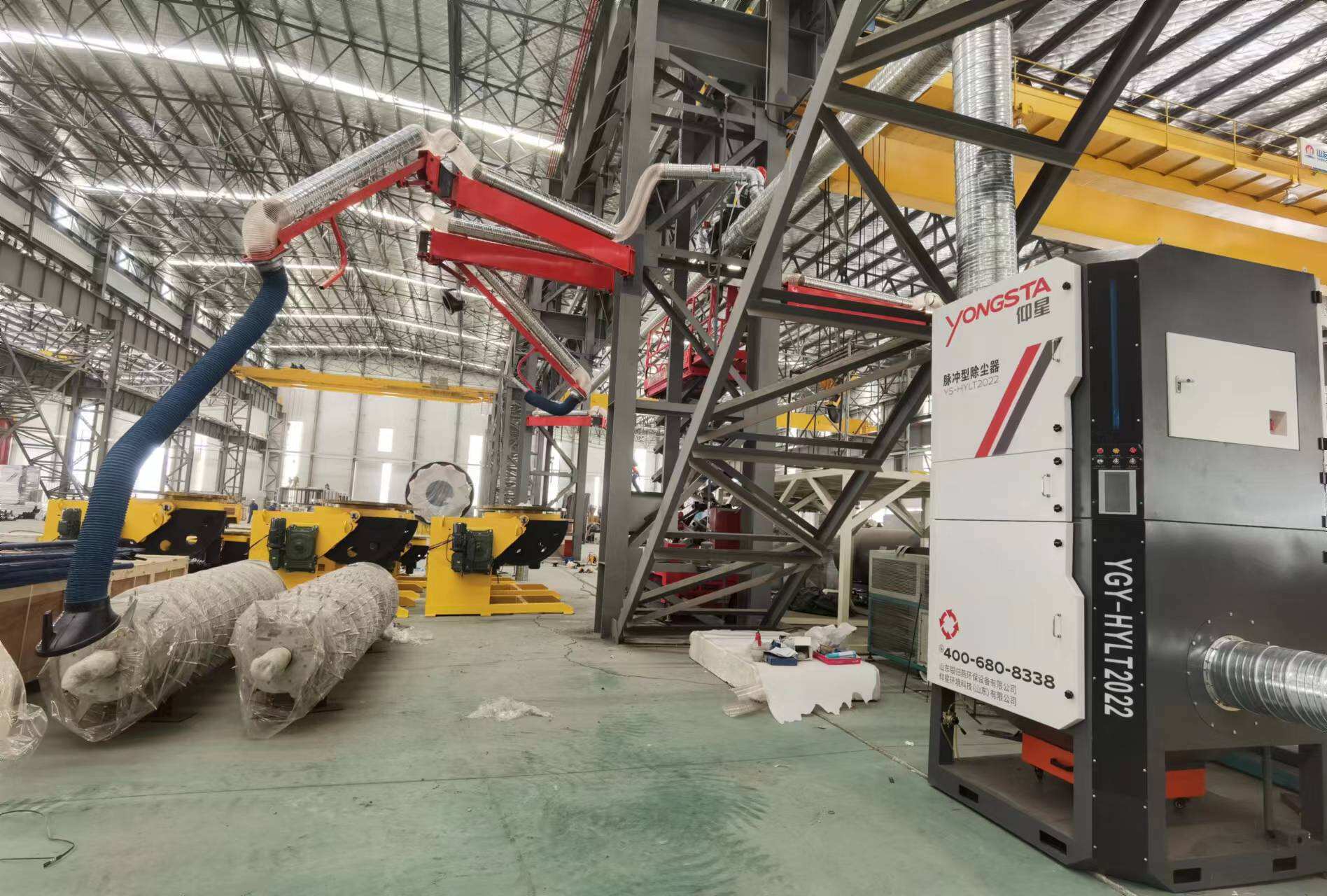
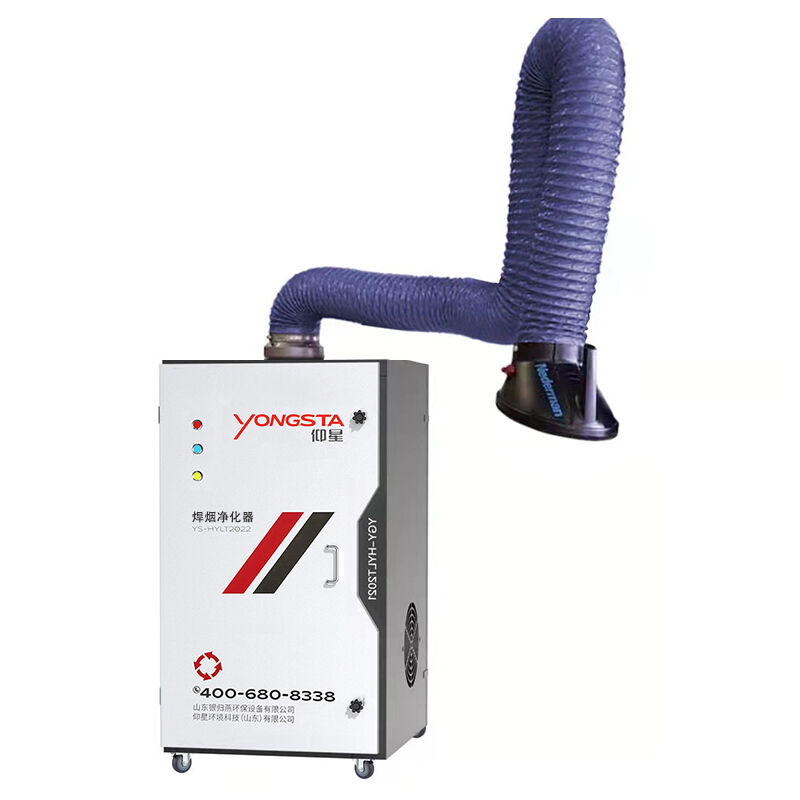
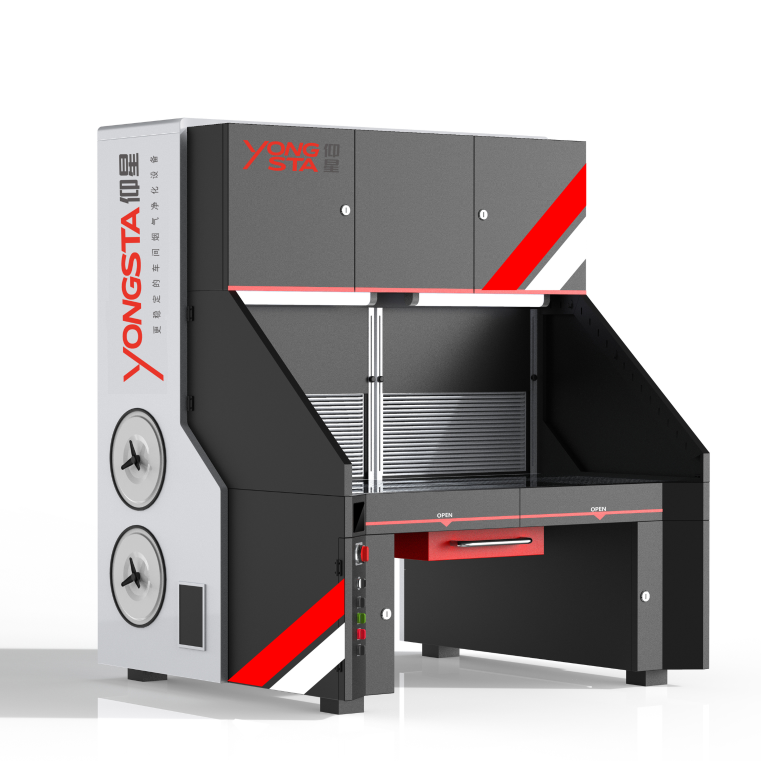
The versatility of modern industrial dust extraction systems manifests through modular designs and scalable configurations that adapt to virtually any industrial application, facility size, or production requirement. Unlike one-size-fits-all approaches, contemporary systems offer customizable components that combine to create perfectly matched solutions for specific operational needs. Facilities can choose from portable single-machine units serving individual workstations, mid-size systems handling multiple collection points in defined areas, or centralized networks connecting dozens of pickup locations throughout expansive manufacturing plants. The ductwork design flexibility allows routing through existing structures, around obstacles, and across multiple floors without compromising performance, using smooth-bore piping that minimizes friction losses and maintains consistent suction at every collection point. Strategic placement of blast gates enables operators to direct full system capacity to active work areas while closing off unused branches, optimizing airflow distribution and energy consumption. Collection hood designs span an extensive range including overhead canopies for large work surfaces, downdraft tables for precision operations, flexible arms for point-source capture, and enclosed booths for high-dust processes, each engineered to capture particles at their generation point before they disperse into the broader workspace. The systems accommodate various dust types from fine powders to coarse chips, with adjustable air velocities ensuring light particles remain airborne for transport while heavier materials move efficiently without settling in ductwork. Explosion-proof configurations serve facilities handling combustible dusts, incorporating grounded components, spark-resistant construction, and explosion venting panels that safely release pressure if ignition occurs. Outdoor installation options suit operations where indoor space is limited or where collected materials require immediate external disposal, with weatherproof enclosures protecting components from environmental exposure. The scalability extends to future expansion, as modular designs allow adding collection points, increasing filtration capacity, or upgrading control systems without replacing entire installations, protecting initial investments while accommodating business growth. Facilities with seasonal production variations benefit from systems that efficiently handle both peak loads and reduced operations without wasting energy during slower periods. Special applications receive tailored solutions, such as cleanroom-compatible systems for pharmaceutical manufacturing, food-grade stainless steel construction for processing facilities, or high-temperature resistant components for operations involving hot materials. The installation process itself demonstrates flexibility, with experienced providers conducting thorough facility assessments, computational fluid dynamics modeling to optimize ductwork layouts, and phased implementations that minimize production disruptions, ensuring new systems integrate seamlessly into existing operations while delivering immediate performance improvements.

Get a Free Quote

Our representative will contact you soon.
Email
Name
Company Name
Message
0/1000
email goToTop