Industrial Metal Dust Collection System - Advanced Air Filtration Solutions for Metal Processing Facilities

Get a Free Quote

Our representative will contact you soon.
Email
Name
Company Name
Message
0/1000

industrial metal dust collection system

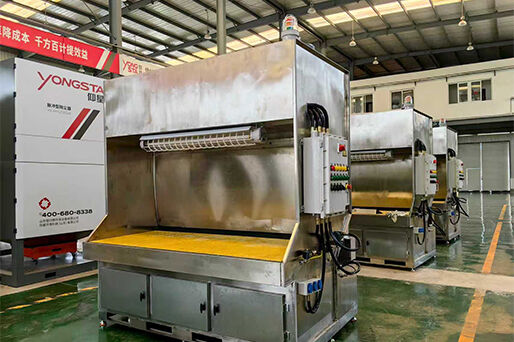
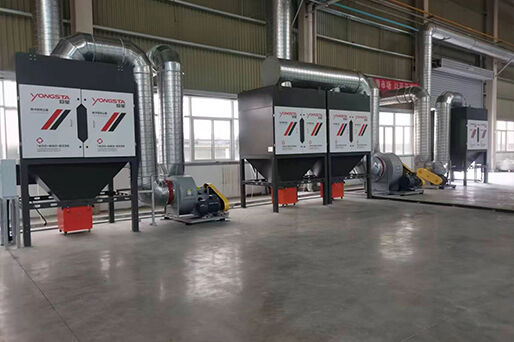
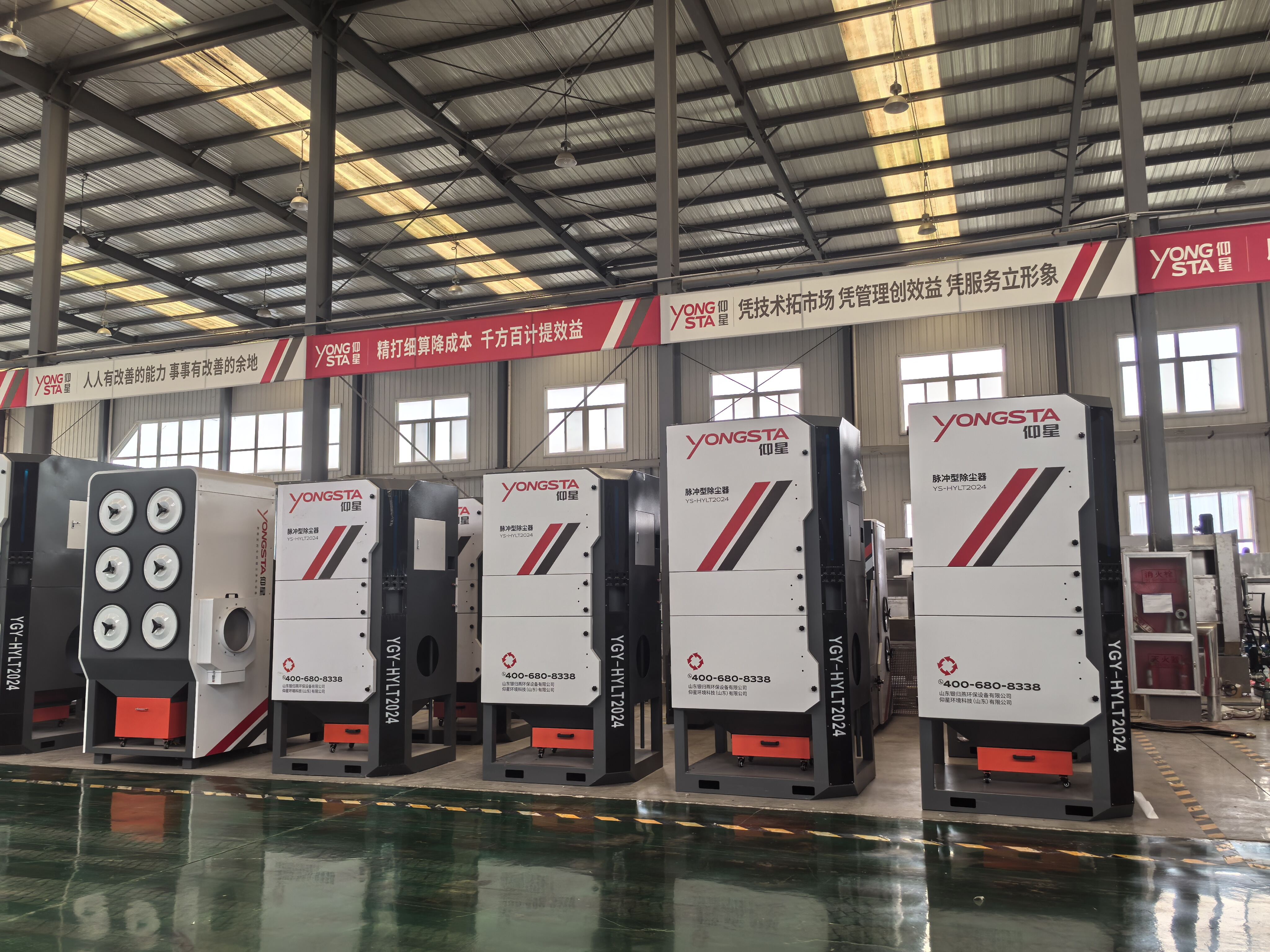
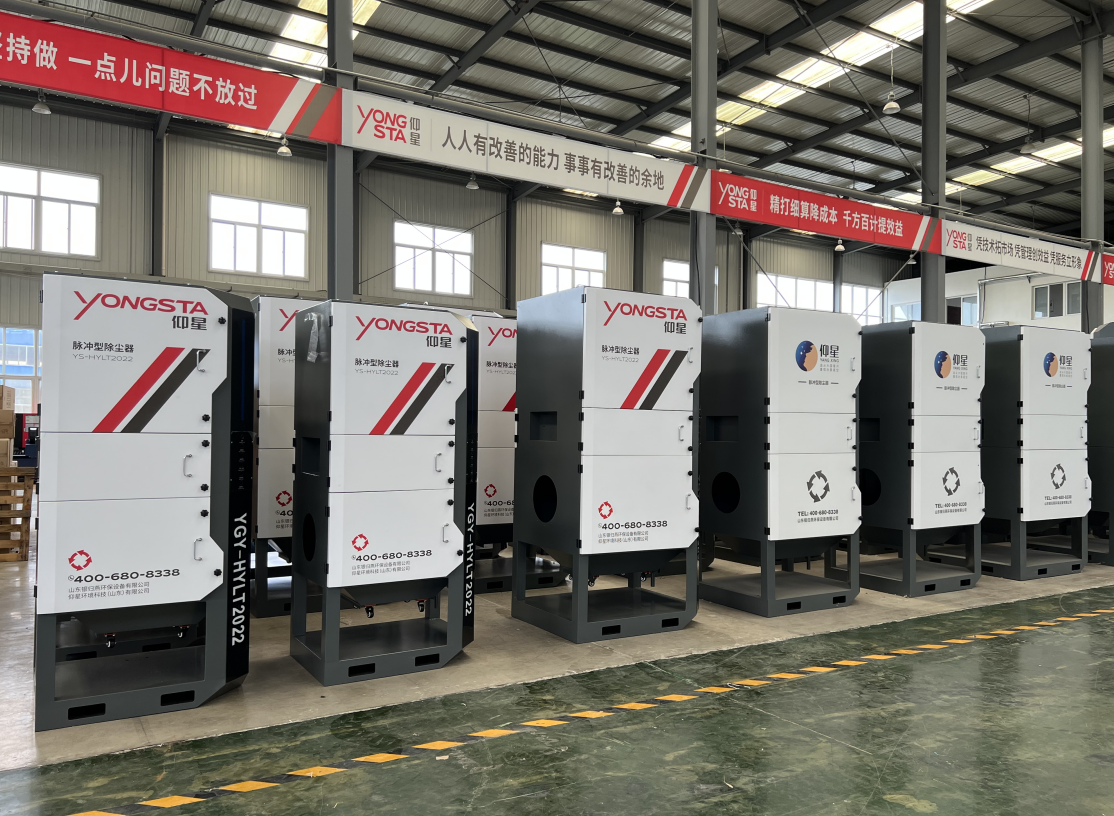
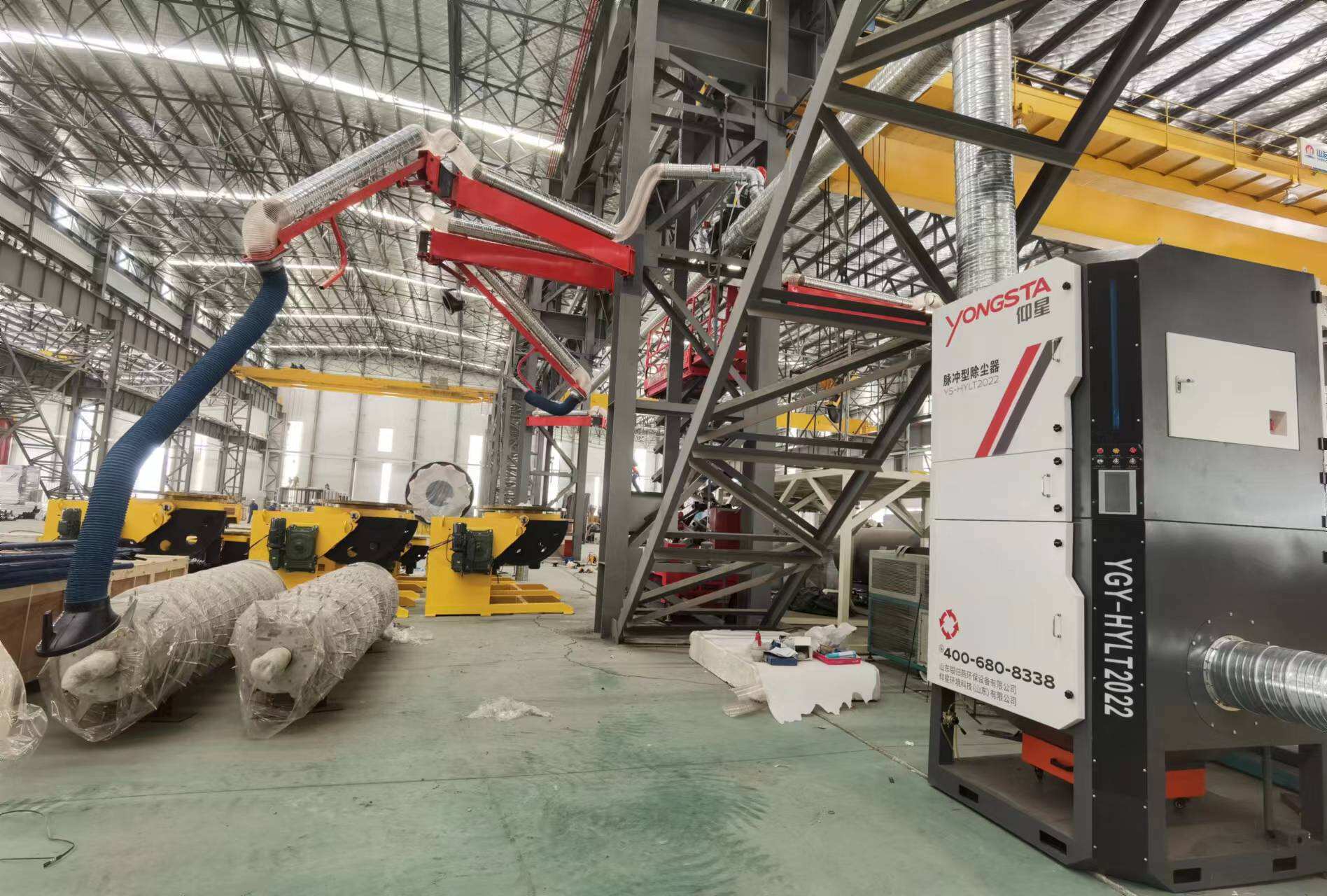
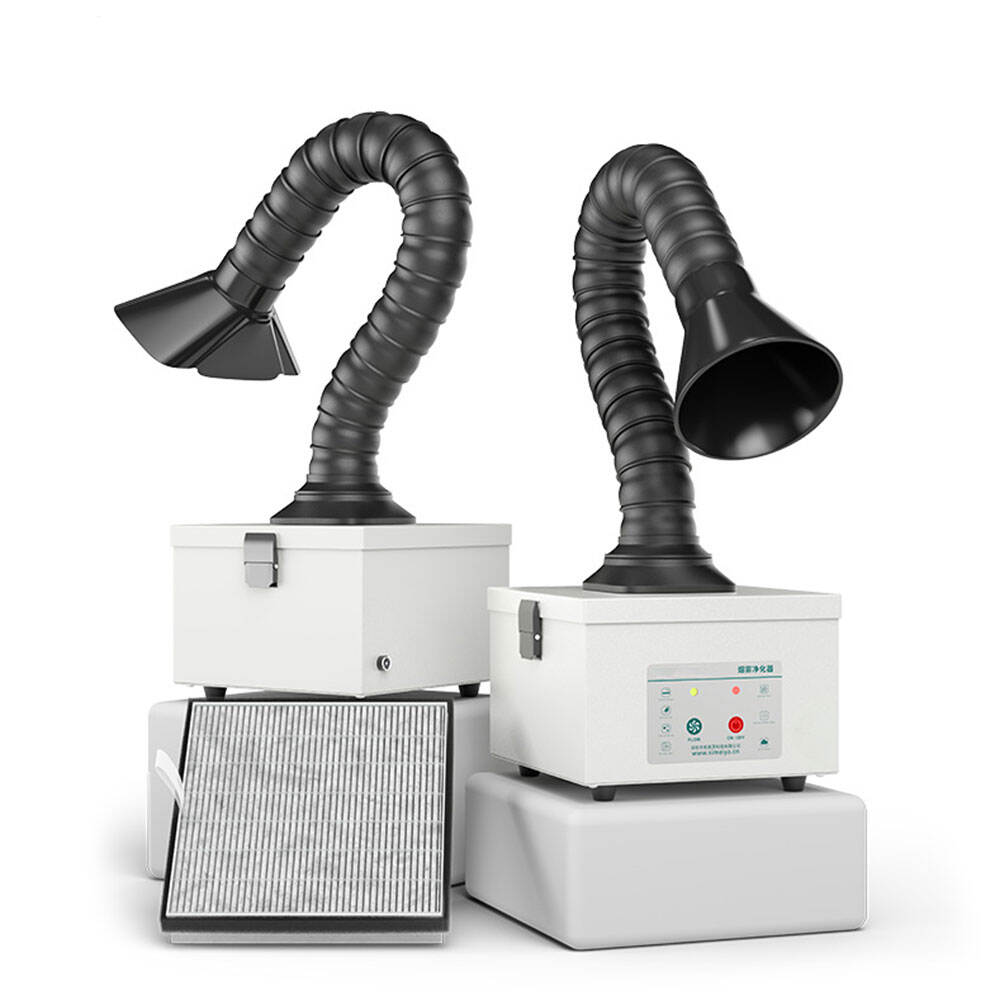
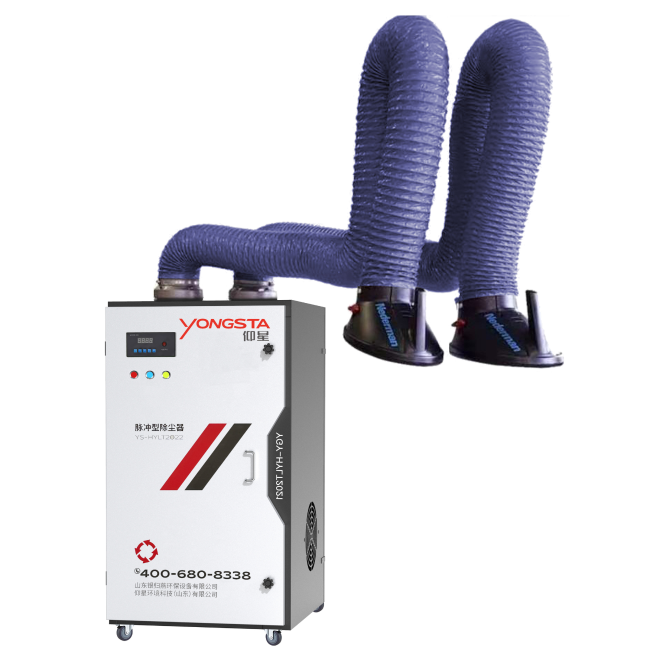
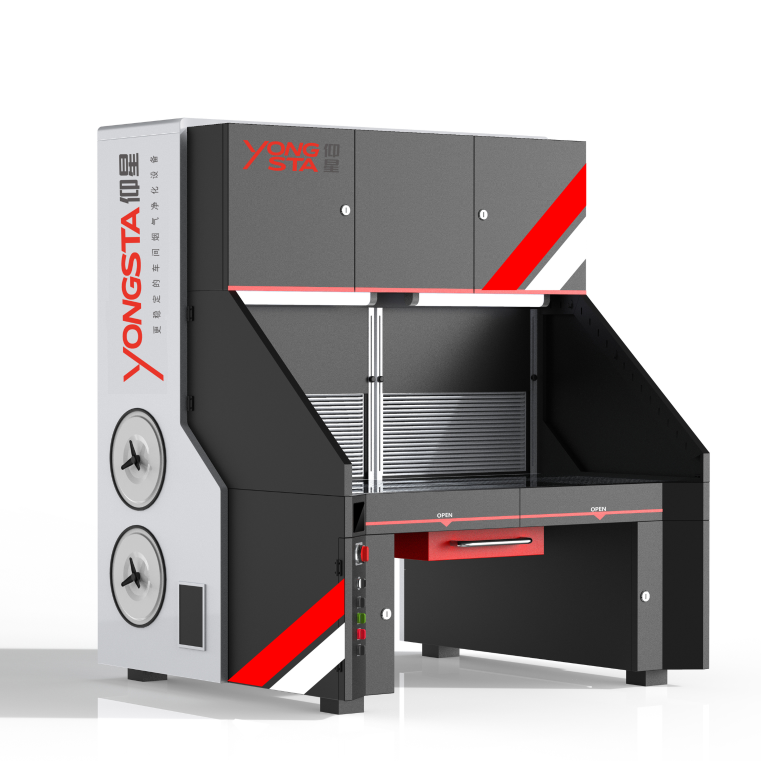
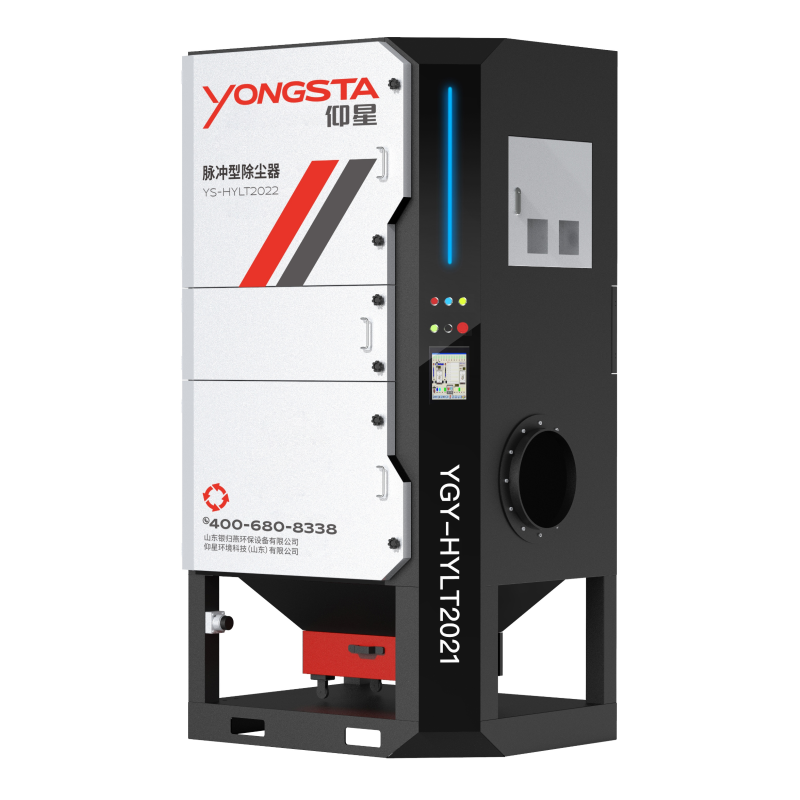
An industrial metal dust collection system represents a critical component in modern manufacturing facilities where metal processing operations generate airborne particulates. These sophisticated systems capture, filter, and contain metal dust particles produced during cutting, grinding, welding, polishing, and other metalworking processes. The primary function centers on maintaining air quality standards while protecting workers from hazardous exposure to metal particulates that can cause respiratory issues and other health complications. The technology employs powerful suction mechanisms combined with advanced filtration media to remove contaminants from the workspace atmosphere. Modern industrial metal dust collection systems integrate multiple stages of filtration, beginning with pre-filters that capture larger particles, followed by high-efficiency filters designed to trap microscopic metal dust. The collected material gets deposited into sealed containers for safe disposal or recycling, depending on the metal type and facility requirements. These systems feature automated cleaning cycles that maintain optimal performance without requiring constant manual intervention. Technological innovations have introduced smart monitoring capabilities that track filter condition, airflow rates, and system efficiency in real-time. Facilities can customize configurations based on specific metalworking operations, production volumes, and space constraints. The systems accommodate various metal types including steel, aluminum, copper, titanium, and exotic alloys, each presenting unique collection challenges due to different particle characteristics. Installation flexibility allows for centralized systems serving multiple workstations or dedicated units for individual machines. Energy-efficient motors and optimized ductwork design minimize operational costs while maximizing collection effectiveness. Compliance with occupational safety regulations and environmental standards drives the adoption of these systems across industries ranging from automotive manufacturing to aerospace fabrication, metal fabrication shops, and precision machining operations.

Popular Products

Implementing an industrial metal dust collection system delivers immediate improvements to workplace safety by removing harmful airborne particles that workers would otherwise inhale during their shifts. Clean air translates directly into healthier employees who experience fewer respiratory problems, reduced sick days, and better overall productivity. The system creates a more comfortable working environment where visibility remains clear and surfaces stay cleaner, allowing workers to focus on their tasks without constant distraction from dust accumulation. Equipment longevity increases significantly when metal dust no longer settles on machinery components, electrical systems, and control panels. Dust buildup causes premature wear on moving parts, interferes with cooling systems, and creates potential fire hazards that these collection systems eliminate. Maintenance costs decrease as machines run cleaner and require less frequent servicing. Production quality improves when dust particles cannot contaminate work surfaces, finished products, or precision measuring instruments. Manufacturers report fewer defects and rework requirements after installing proper dust collection infrastructure. The financial benefits extend beyond direct cost savings to include reduced insurance premiums as facilities demonstrate commitment to safety standards. Regulatory compliance becomes straightforward when systems meet or exceed air quality requirements established by occupational health agencies. Facilities avoid costly fines, legal liabilities, and potential shutdowns that result from violations. The collected metal dust often holds recoverable value, particularly with precious metals or high-grade alloys, turning a waste product into a revenue stream. Modern systems operate quietly compared to older technology, reducing noise pollution that contributes to worker fatigue and stress. Energy consumption remains reasonable through efficient motor design and smart controls that adjust operation based on actual demand rather than running continuously at full capacity. Installation proves less disruptive than anticipated, with modular designs that adapt to existing facility layouts without requiring extensive renovations. The return on investment typically occurs within months as operational improvements, reduced waste, and enhanced safety deliver measurable financial gains. Facilities gain competitive advantages by demonstrating environmental responsibility and worker protection, factors that increasingly influence customer decisions and contract awards. The systems require minimal training for operators, with intuitive controls and automated functions that reduce the learning curve for maintenance staff.

Latest News

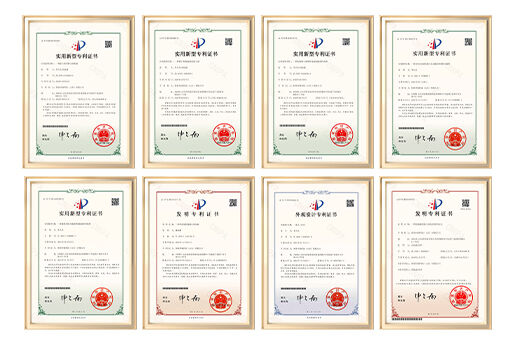
Yongsta R&D Team Wins 3 Dust Removal Technology Patents, Leading Industry Innovation

09

Apr

Yongsta R&D Team Wins 3 Dust Removal Technology Patents, Leading Industry Innovation

View More
Yongsta Cooperates with TUV for ATEX Explosion-Proof Certification, Explosion-Proof Dust Collector to Be Launched Soon

09

Apr

Yongsta Cooperates with TUV for ATEX Explosion-Proof Certification, Explosion-Proof Dust Collector to Be Launched Soon

View More
Empowering Benchmark Manufacturing! Yongsta Cartridge Dust Collector Aids Siemens Transformer China Factory's Dust Removal Renovation and Gains High Recognition

09

Apr

Empowering Benchmark Manufacturing! Yongsta Cartridge Dust Collector Aids Siemens Transformer China Factory's Dust Removal Renovation and Gains High Recognition

View More

Get a Free Quote

Our representative will contact you soon.
Email
Name
Company Name
Message
0/1000

industrial metal dust collection system

Advanced Multi-Stage Filtration Technology

Advanced Multi-Stage Filtration Technology

The cornerstone of any effective industrial metal dust collection system lies in its filtration technology, which determines how thoroughly the system removes contaminants from the air stream. Modern systems employ sophisticated multi-stage filtration approaches that address particles across the entire size spectrum, from visible chips and shavings down to submicron dust that remains invisible to the naked eye. The first stage typically consists of a pre-separator or cyclonic chamber where centrifugal force removes larger particles and reduces the load on downstream filters. This initial separation extends filter life significantly by preventing premature clogging from oversized debris. The secondary stage features high-efficiency cartridge filters or bag filters constructed from specialized media engineered specifically for metal dust applications. These filters achieve capture efficiencies exceeding 99.9 percent for particles as small as 0.3 microns, ensuring that even the finest metal dust cannot escape back into the workspace. The filter media incorporates treatments that prevent dust from embedding deeply into the material, facilitating easier cleaning and longer service intervals. Automated pulse-jet cleaning systems periodically blast compressed air through the filters in reverse direction, dislodging accumulated dust into collection hoppers without requiring system shutdown. This self-cleaning capability maintains consistent airflow and suction power throughout operation, eliminating the performance degradation that plagued older systems. Advanced models include final-stage HEPA filters for applications requiring absolute air purity, such as cleanroom environments or facilities processing toxic metals. The filtration system design considers the specific characteristics of different metal dusts, including combustibility risks associated with aluminum, magnesium, and titanium. Spark detection and suppression systems integrate with the filtration stages to prevent ignition sources from reaching accumulated dust. Filter monitoring technology provides real-time feedback on differential pressure across filter banks, alerting operators when cleaning cycles should occur or when filters require replacement. This predictive maintenance approach prevents unexpected downtime and optimizes filter utilization. The modular filter design allows facilities to scale capacity by adding filter cartridges as production demands increase, protecting the initial investment while accommodating growth.
Intelligent Airflow Management and Energy Efficiency

Intelligent Airflow Management and Energy Efficiency

Energy consumption represents a significant operational expense for industrial metal dust collection systems that run continuously during production shifts, making airflow management and efficiency critical considerations for facility managers. Traditional systems operated at constant speed regardless of actual dust generation rates, wasting energy during periods of low activity while potentially providing insufficient capacity during peak operations. Modern industrial metal dust collection systems incorporate variable frequency drives that adjust fan speed dynamically based on real-time demand signals from the production floor. Sensors monitor airflow at each collection point, detecting when machines activate and automatically increasing suction to match the dust generation rate. When machines shut down or operate at reduced capacity, the system scales back proportionally, delivering substantial energy savings without compromising collection effectiveness. This intelligent control strategy can reduce energy consumption by 30 to 50 percent compared to constant-speed operation while extending equipment life through reduced wear on motors and mechanical components. The ductwork design plays an equally important role in system efficiency, with computer-aided engineering tools optimizing pipe diameters, bend radii, and junction configurations to minimize pressure losses. Smooth interior surfaces and strategic placement of blast gates allow operators to isolate inactive collection points, concentrating airflow where needed most. Balancing dampers ensure equal suction across all pickup points despite varying distances from the main fan unit. Advanced systems incorporate pressure sensors throughout the ductwork network, providing diagnostic information that helps identify blockages, leaks, or other issues before they impact performance. The fan selection process considers both static pressure requirements and volumetric flow rates, matching impeller design to the specific application characteristics. Backward-inclined fans offer superior efficiency for most industrial metal dust collection applications, converting electrical energy into airflow more effectively than radial designs. Sound attenuation features including vibration isolation mounts, silencers, and acoustic enclosures keep noise levels within acceptable limits without restricting airflow. Remote monitoring capabilities allow maintenance personnel to track system performance from central control rooms or even off-site locations, receiving alerts when parameters drift outside normal ranges. This connectivity enables proactive maintenance scheduling based on actual operating conditions rather than arbitrary time intervals, maximizing uptime while minimizing unnecessary service calls.
Comprehensive Safety Features and Regulatory Compliance

Comprehensive Safety Features and Regulatory Compliance

Safety considerations permeate every aspect of industrial metal dust collection system design, reflecting the serious hazards associated with metal dust accumulation and the stringent regulations governing workplace air quality. Combustible metal dusts pose explosion risks that require specialized safety measures beyond standard dust collection approaches. Systems handling aluminum, magnesium, titanium, or other reactive metals incorporate explosion venting panels that provide a controlled release path for pressure waves, protecting the main structure and surrounding equipment from catastrophic damage. Spark detection systems use optical sensors to identify incandescent particles entering the ductwork, triggering immediate suppression responses such as water spray injection or chemical extinguishing agents. These detection and suppression systems react within milliseconds, neutralizing ignition sources before they reach accumulated dust in filters or collection bins. Grounding and bonding protocols eliminate static electricity buildup that could provide ignition energy, with continuous monitoring verifying that all conductive components maintain proper electrical continuity. The system design prevents dust accumulation in ductwork through adequate transport velocities that keep particles suspended until they reach collection points. Inspection ports and cleanout doors provide access for periodic verification that no dust deposits have formed in hidden areas. Collection containers feature conductive construction and grounding connections to prevent static discharge during filling and emptying operations. Interlocks prevent machine operation when the dust collection system is not running, ensuring that dust generation never occurs without active collection. Differential pressure monitoring across filters triggers alarms when readings indicate potential problems such as filter damage or excessive dust loading. The control system logs all operational parameters, creating an audit trail that demonstrates compliance with safety regulations and provides valuable data for incident investigation if problems occur. Training materials and safety documentation accompany system installations, helping facilities establish proper operating procedures and maintenance protocols. The systems meet or exceed standards established by organizations including NFPA, OSHA, and industry-specific regulatory bodies. Third-party testing and certification verify that components and complete systems perform as specified under real-world conditions. Facilities gain peace of mind knowing their industrial metal dust collection system incorporates proven safety technologies that protect workers, equipment, and the surrounding community from dust-related hazards.

Get a Free Quote

Our representative will contact you soon.
Email
Name
Company Name
Message
0/1000
email goToTop