Industrial Dust Collector Machine - High-Efficiency Air Filtration Systems for Manufacturing Facilities

Get a Free Quote

Our representative will contact you soon.
Email
Name
Company Name
Message
0/1000

industrial dust collector machine

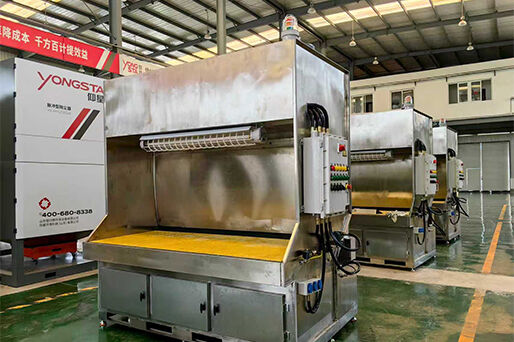
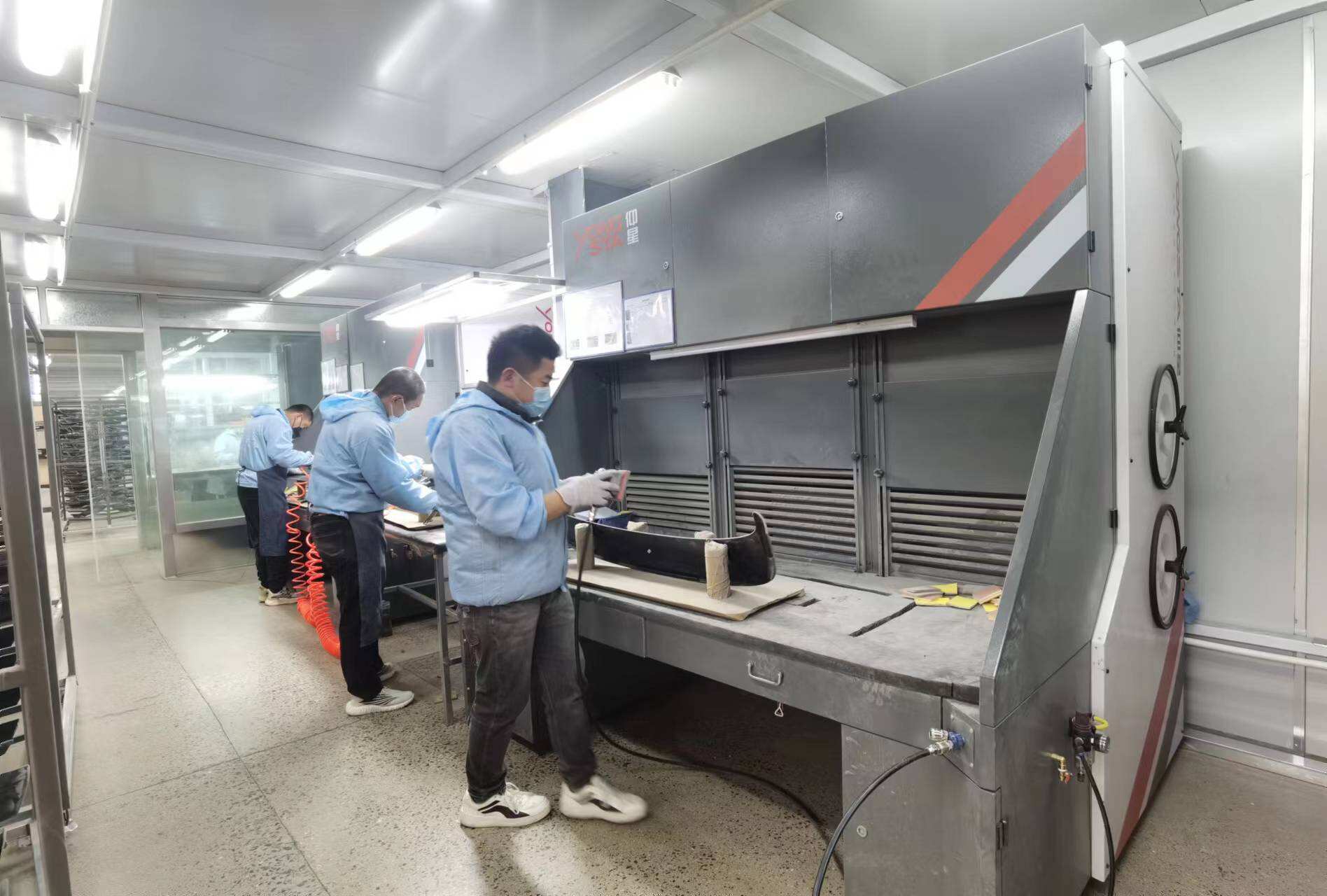
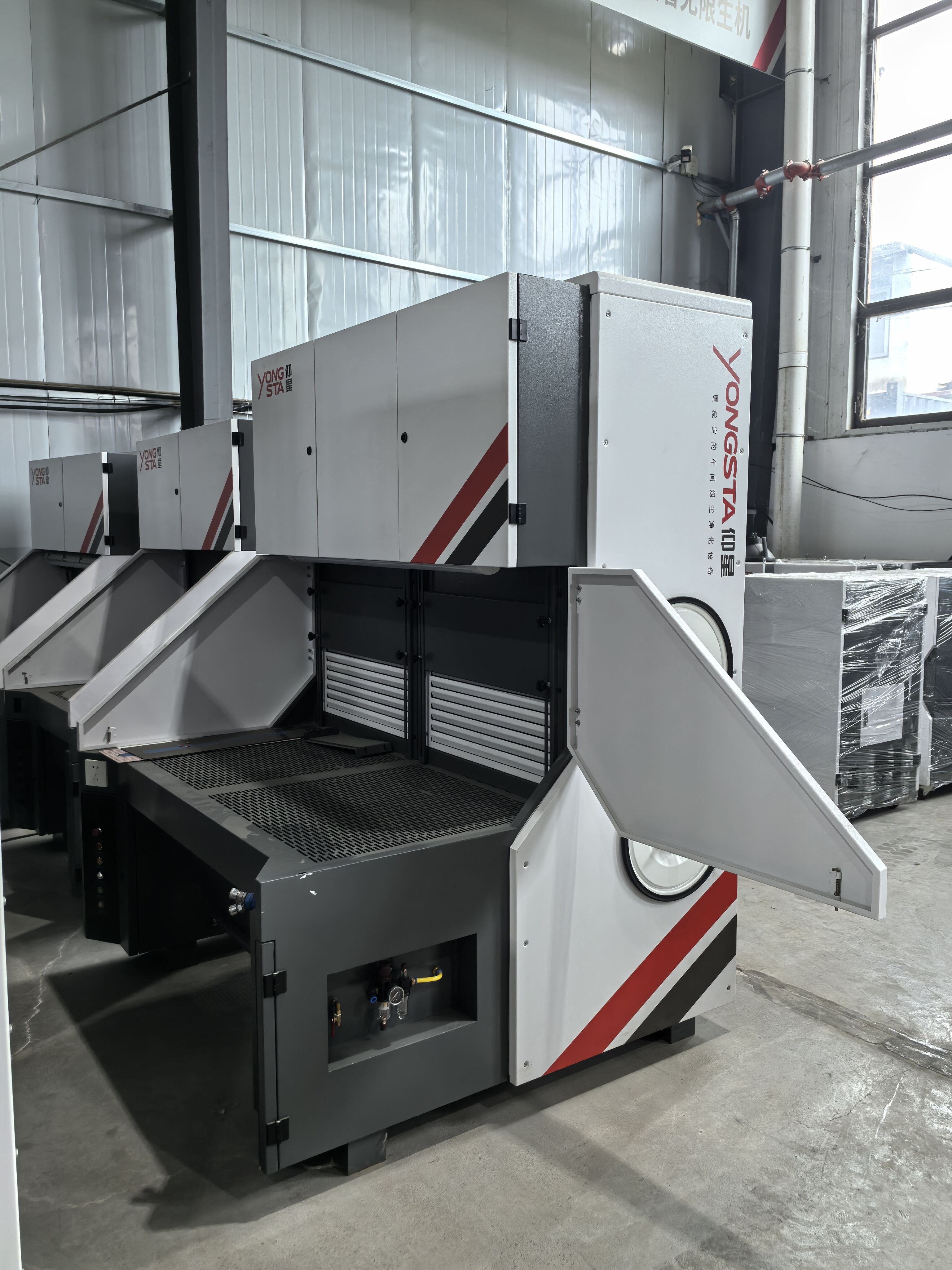
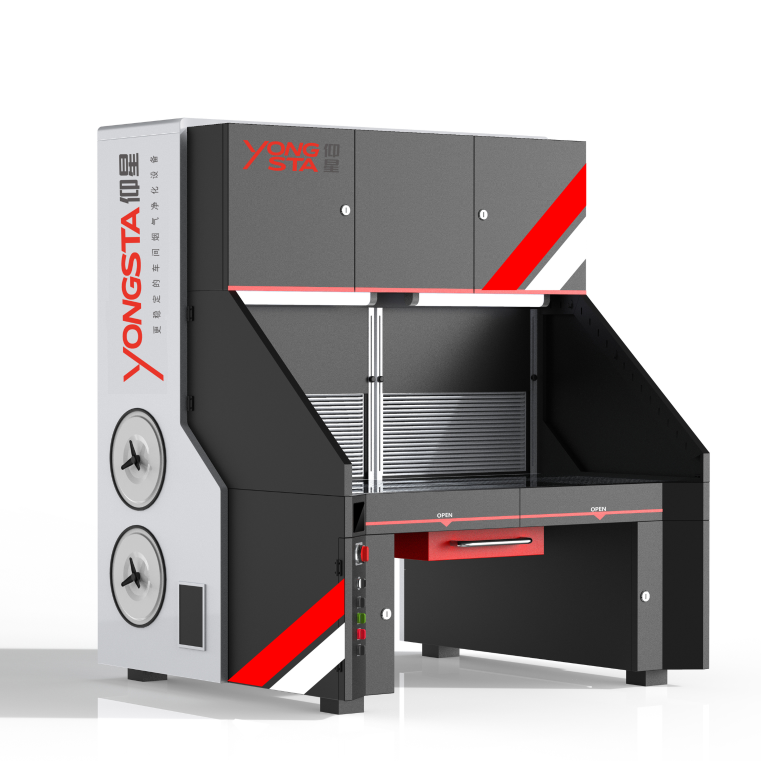
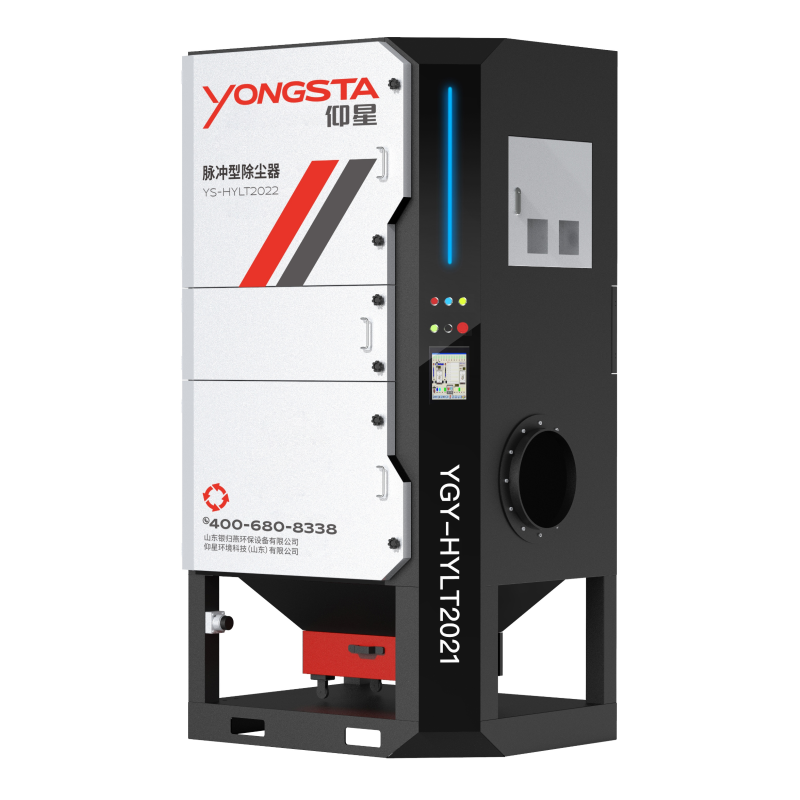
An industrial dust collector machine represents a critical component in modern manufacturing and processing facilities, designed to capture, filter, and remove airborne particulates, dust, fumes, and contaminants from the workplace environment. These sophisticated systems operate by drawing contaminated air through specialized filtration media, trapping harmful particles while releasing clean air back into the facility or exhausting it outdoors. The primary function of these machines centers on maintaining air quality standards, protecting worker health, and ensuring compliance with environmental regulations. Industrial dust collector machines employ various filtration technologies, including baghouse filters, cartridge collectors, cyclone separators, and electrostatic precipitators, each suited to specific particle sizes and industrial applications. The technological features of modern dust collection systems include automated cleaning mechanisms such as pulse-jet cleaning, which uses compressed air bursts to dislodge accumulated dust from filter surfaces, extending filter life and maintaining consistent airflow. Advanced control systems monitor differential pressure across filters, signaling when maintenance is required and optimizing energy consumption. Many units incorporate variable frequency drives that adjust fan speeds based on real-time demand, reducing operational costs while maintaining effective capture velocity at dust generation points. The applications for industrial dust collector machines span numerous sectors, including woodworking facilities where sawdust and wood chips require removal, metalworking operations generating grinding dust and welding fumes, pharmaceutical manufacturing demanding sterile environments, food processing plants maintaining hygiene standards, cement production facilities controlling cement dust, and chemical processing plants managing hazardous particulates. These machines protect expensive equipment from abrasive dust damage, prevent combustible dust accumulation that could lead to explosions, and create safer, more productive work environments. The versatility of industrial dust collector machines allows customization for specific operational requirements, with options for explosion-proof construction, spark detection systems, and specialized filter media resistant to high temperatures or corrosive chemicals.

New Product Releases

Investing in an industrial dust collector machine delivers substantial benefits that directly impact your bottom line and operational efficiency. First and foremost, these systems dramatically improve workplace safety by removing harmful airborne particles that workers would otherwise inhale, reducing respiratory illnesses, allergic reactions, and long-term health complications that lead to absenteeism and workers compensation claims. Clean air means healthier employees who remain productive and engaged in their work. Beyond health protection, dust collectors prevent the accumulation of combustible dust on surfaces and in the air, significantly reducing the risk of devastating dust explosions that can destroy facilities, cause injuries, and result in costly downtime. Regulatory compliance represents another major advantage, as occupational safety agencies and environmental protection authorities enforce strict air quality standards with substantial penalties for violations. An effective dust collection system ensures your facility meets or exceeds these requirements, avoiding fines and potential shutdowns. The machines also protect your valuable equipment and products from contamination and damage. Dust accumulation on machinery causes premature wear, overheating, and malfunction, leading to expensive repairs and replacement costs. By capturing dust at the source, collectors extend equipment lifespan and reduce maintenance expenses. Product quality improves as well, since airborne contaminants no longer settle on finished goods, reducing defect rates and customer complaints. Operational efficiency gains come from improved visibility in the workspace, as dust-free air allows workers to see clearly and perform tasks more accurately. The systems also enable material recovery in many applications, capturing valuable dust and particulates that can be recycled back into production processes, turning waste into reusable resources. Energy efficiency has advanced significantly in modern dust collector machines, with intelligent controls that optimize fan operation and reduce electricity consumption compared to older constant-speed systems. Facility cleanliness improves dramatically, reducing the time and labor required for housekeeping while creating a more professional appearance that impresses clients and inspectors. Noise reduction is an often-overlooked benefit, as properly designed systems operate quietly compared to the alternative of leaving dust-generating processes uncontrolled. The flexibility of these machines allows them to adapt as your operations grow or change, with modular designs that accommodate additional collection points or increased airflow requirements. Return on investment typically occurs within a few years through combined savings in health costs, regulatory compliance, equipment maintenance, energy consumption, and improved productivity, making dust collectors a sound financial decision for any facility generating airborne particulates.

Latest News

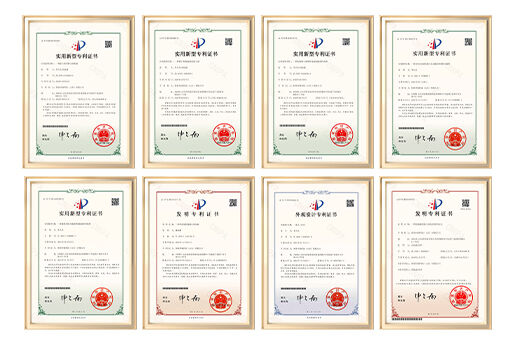
Yongsta R&D Team Wins 3 Dust Removal Technology Patents, Leading Industry Innovation

09

Apr

Yongsta R&D Team Wins 3 Dust Removal Technology Patents, Leading Industry Innovation

View More
Yongsta Cooperates with TUV for ATEX Explosion-Proof Certification, Explosion-Proof Dust Collector to Be Launched Soon

09

Apr

Yongsta Cooperates with TUV for ATEX Explosion-Proof Certification, Explosion-Proof Dust Collector to Be Launched Soon

View More
Empowering Benchmark Manufacturing! Yongsta Cartridge Dust Collector Aids Siemens Transformer China Factory's Dust Removal Renovation and Gains High Recognition

09

Apr

Empowering Benchmark Manufacturing! Yongsta Cartridge Dust Collector Aids Siemens Transformer China Factory's Dust Removal Renovation and Gains High Recognition

View More

Get a Free Quote

Our representative will contact you soon.
Email
Name
Company Name
Message
0/1000

industrial dust collector machine

Advanced Filtration Technology That Captures 99.9 Percent of Airborne Particles

Advanced Filtration Technology That Captures 99.9 Percent of Airborne Particles

The filtration technology employed in modern industrial dust collector machines represents a quantum leap forward in air purification capability, utilizing engineered filter media that captures particles as small as 0.3 microns with efficiency ratings exceeding 99.9 percent. This exceptional performance stems from multiple filtration mechanisms working simultaneously, including mechanical interception where particles contact filter fibers directly, inertial impaction where particle momentum causes collision with fibers, and diffusion where microscopic particles follow erratic paths that lead to fiber contact. The filter media itself consists of specialized materials such as spunbond polyester, needle-felt fabrics, or pleated synthetic materials with enormous surface areas packed into compact cartridge or bag configurations. Surface treatments like PTFE membranes add another layer of protection, creating a smooth barrier that prevents dust from penetrating deep into the filter substrate, making cleaning more effective and extending filter life significantly. The pulse-jet cleaning system integrated into these machines uses precisely timed bursts of compressed air to flex the filters, dislodging accumulated dust cakes that fall into collection hoppers below. This automated cleaning occurs while the system continues operating, eliminating downtime and maintaining consistent airflow and suction power. The engineering behind filter design considers the specific characteristics of the dust being collected, including particle size distribution, moisture content, temperature, and chemical composition, allowing customization that optimizes performance for each unique application. Explosion-proof filter options incorporate conductive materials that dissipate static electricity, preventing spark generation in environments handling combustible dusts. High-temperature filters withstand extreme conditions in metalworking and foundry applications where hot particles and gases require specialized materials that maintain integrity at elevated temperatures. The modular filter design allows easy replacement without specialized tools or extensive downtime, reducing maintenance costs and keeping your operation running smoothly. Differential pressure monitoring provides real-time feedback on filter condition, alerting operators when cleaning cycles should occur or when filters require replacement, preventing system inefficiency and ensuring optimal performance. The combination of high-efficiency filtration, automated maintenance, and intelligent monitoring creates a dust collection solution that operates reliably day after day, protecting your workers, equipment, and environment while delivering measurable cost savings through reduced filter replacement frequency and lower energy consumption.
Customizable Design That Adapts to Your Specific Industrial Requirements

Customizable Design That Adapts to Your Specific Industrial Requirements

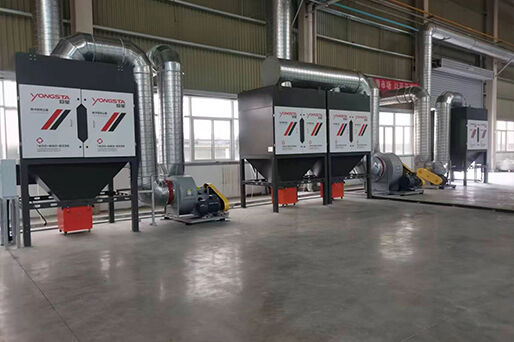
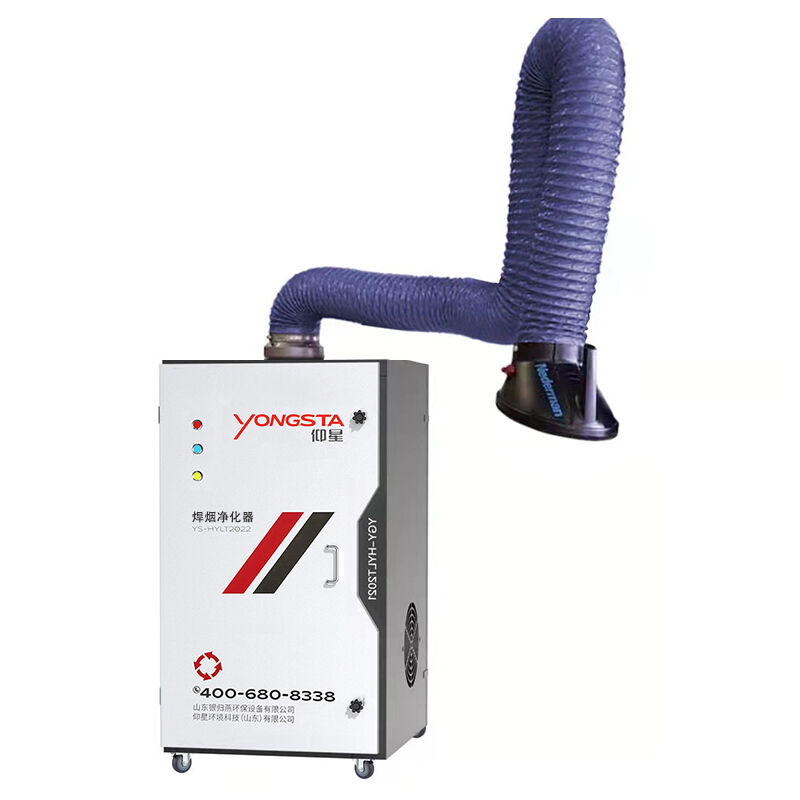
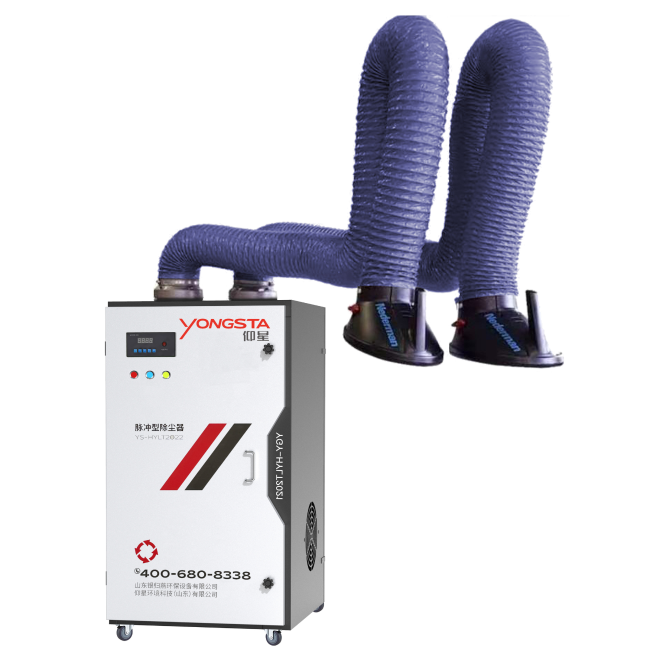
Every industrial facility faces unique dust collection challenges based on the materials processed, production volumes, facility layout, and operational constraints, which is why the customizable design of industrial dust collector machines provides such tremendous value. The engineering process begins with a thorough assessment of your dust generation points, airflow requirements, particle characteristics, and available installation space, resulting in a tailored solution that addresses your specific needs rather than forcing you to adapt to a one-size-fits-all approach. Ductwork design plays a crucial role in system effectiveness, with engineers calculating optimal duct diameters, air velocities, and branch configurations that maintain sufficient transport velocity to prevent dust settling while minimizing pressure drop and energy consumption. Strategic placement of collection hoods at dust generation points ensures effective capture before particles disperse into the general workspace, with hood designs ranging from simple flanged openings to sophisticated enclosures that contain dust at the source. The central collector unit itself comes in various configurations, from compact single-cartridge units serving individual machines to massive baghouse installations handling airflow from entire production facilities. Sizing calculations account for current needs while incorporating capacity for future expansion, protecting your investment as operations grow. Material selection for construction addresses environmental factors such as corrosive chemicals, high humidity, or outdoor installation requiring weather-resistant components. Explosion protection features can be integrated when handling combustible dusts, including explosion vents, spark detection and suppression systems, and isolation valves that prevent flame propagation through ductwork. The discharge options provide flexibility based on your facility requirements, with indoor recirculation returning filtered air to the workspace to conserve heating and cooling energy, or outdoor exhaust when contaminants or regulations require it. Control systems range from simple manual operation to sophisticated programmable logic controllers that integrate with facility automation systems, providing remote monitoring, automated cleaning cycles, and predictive maintenance alerts. Noise attenuation features can be incorporated when sound levels matter, using insulated housings and silencers that reduce operational noise to acceptable levels. The modular nature of quality dust collector machines allows phased implementation, starting with critical areas and expanding coverage as budget permits, while maintaining system compatibility and performance. Mobility options exist for applications requiring portable dust collection, with wheeled units that move between workstations or temporary job sites. This comprehensive customization capability ensures that your industrial dust collector machine integrates seamlessly into your operation, delivering maximum effectiveness without compromising productivity or requiring costly facility modifications.
Long-Term Cost Savings Through Energy Efficiency and Reduced Maintenance

Long-Term Cost Savings Through Energy Efficiency and Reduced Maintenance

The financial benefits of modern industrial dust collector machines extend far beyond the initial purchase price, delivering substantial long-term cost savings through advanced energy efficiency features and reduced maintenance requirements that quickly offset the investment. Energy consumption represents one of the largest ongoing expenses for dust collection systems, as powerful fans must operate continuously to maintain effective airflow, but variable frequency drive technology has revolutionized efficiency by allowing fan speed to adjust automatically based on actual demand rather than running at full capacity regardless of need. When fewer dust generation points are active, the system reduces airflow proportionally, cutting electricity consumption by 30 to 50 percent compared to constant-speed motors while maintaining adequate capture velocity where needed. Intelligent pressure monitoring optimizes cleaning cycles, triggering pulse-jet cleaning only when differential pressure indicates filter loading has reached the point where efficiency begins declining, rather than cleaning on arbitrary time schedules that waste compressed air and energy. The high-efficiency filtration media used in contemporary machines maintains lower pressure drop across clean filters, requiring less fan power to achieve the same airflow compared to older filter technologies, and the durable construction of premium filters extends replacement intervals from months to years depending on application severity. Automated cleaning systems eliminate the labor costs and production disruptions associated with manual filter maintenance, as workers no longer need to shut down equipment, enter the collector housing, and physically shake or replace filters. The robust construction of quality industrial dust collector machines minimizes repair frequency, with heavy-gauge steel housings, industrial-grade motors and fans, and corrosion-resistant coatings that withstand harsh environments for decades. Modular component design allows targeted replacement of worn parts rather than entire assemblies, reducing repair costs and parts inventory requirements. Preventive maintenance becomes straightforward with accessible inspection ports, clear service procedures, and readily available replacement parts from established manufacturers who support their products long-term. The material recovery capability of dust collectors generates additional savings in operations where collected dust has value, whether recycling metal grinding dust back to foundries, returning wood dust to biomass boilers, or reprocessing pharmaceutical powders into production, transforming waste disposal costs into revenue streams. Reduced housekeeping labor represents another often-overlooked savings, as effective dust collection eliminates the need for constant sweeping, vacuuming, and surface cleaning that would otherwise consume worker hours daily. Equipment protection extends the service life of expensive production machinery by preventing abrasive dust from entering bearings, motors, and precision components, deferring capital expenditures for replacements. The cumulative effect of these savings typically results in payback periods of two to four years, after which the industrial dust collector machine continues generating positive cash flow throughout its 15 to 25 year operational lifespan, making it one of the most financially sound investments a facility can make.

Get a Free Quote

Our representative will contact you soon.
Email
Name
Company Name
Message
0/1000
email goToTop