Compact Design with Industrial-Strength Performance
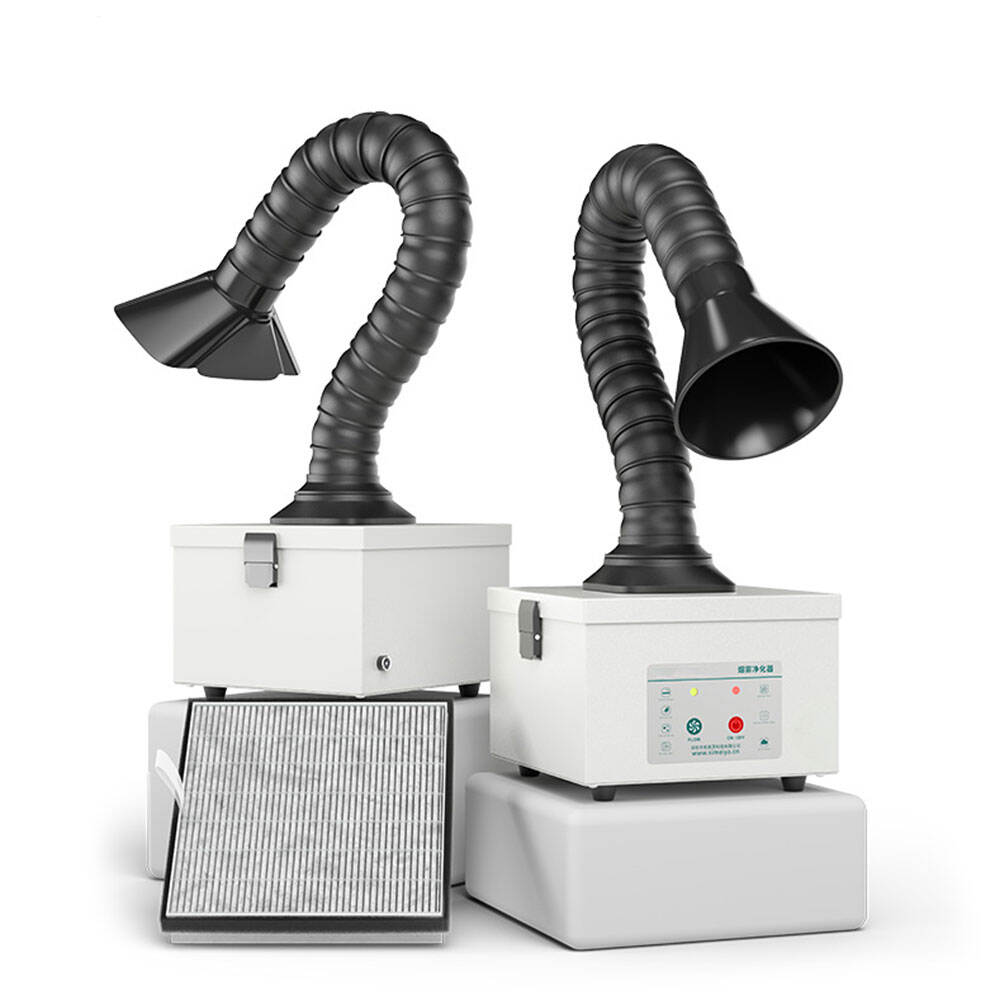
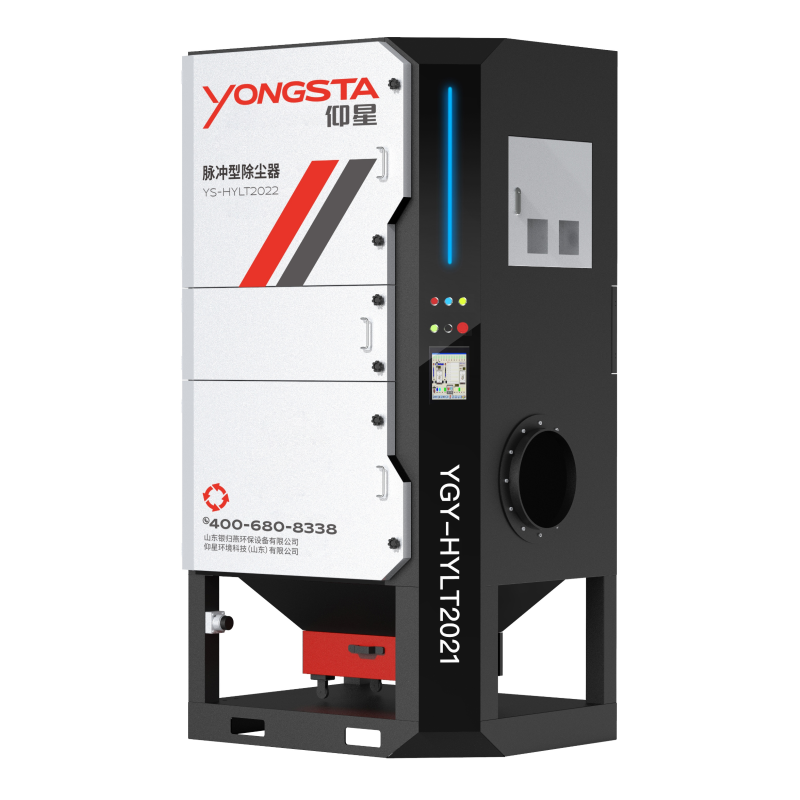
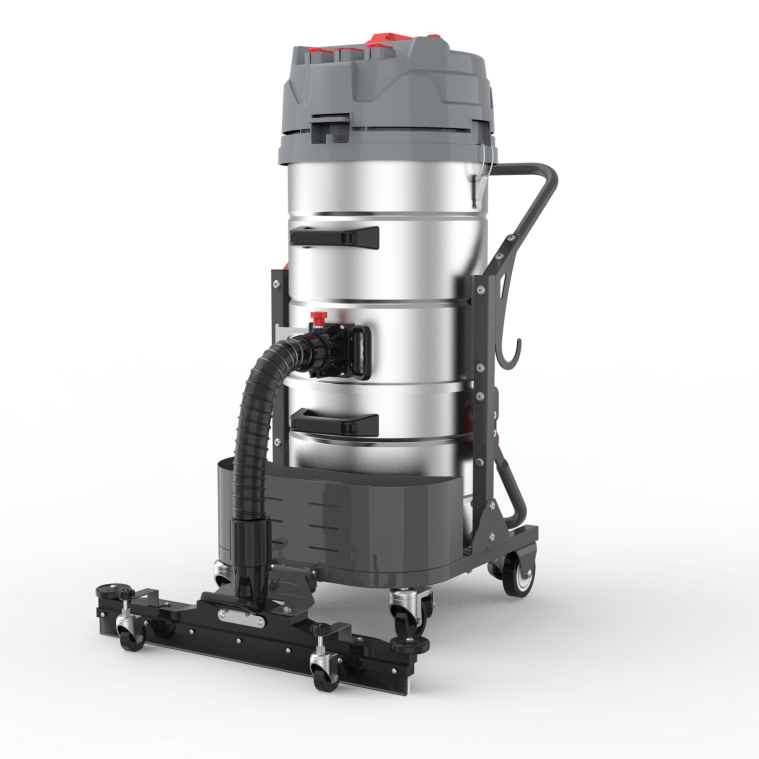
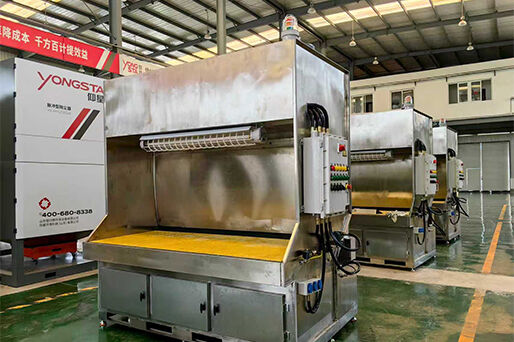
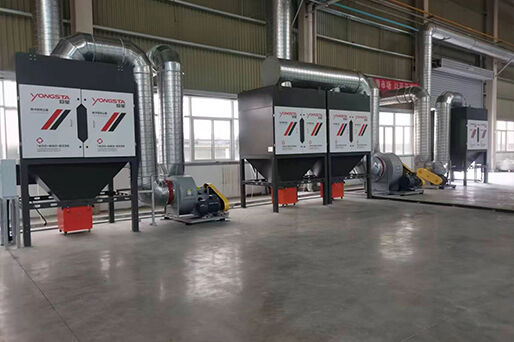
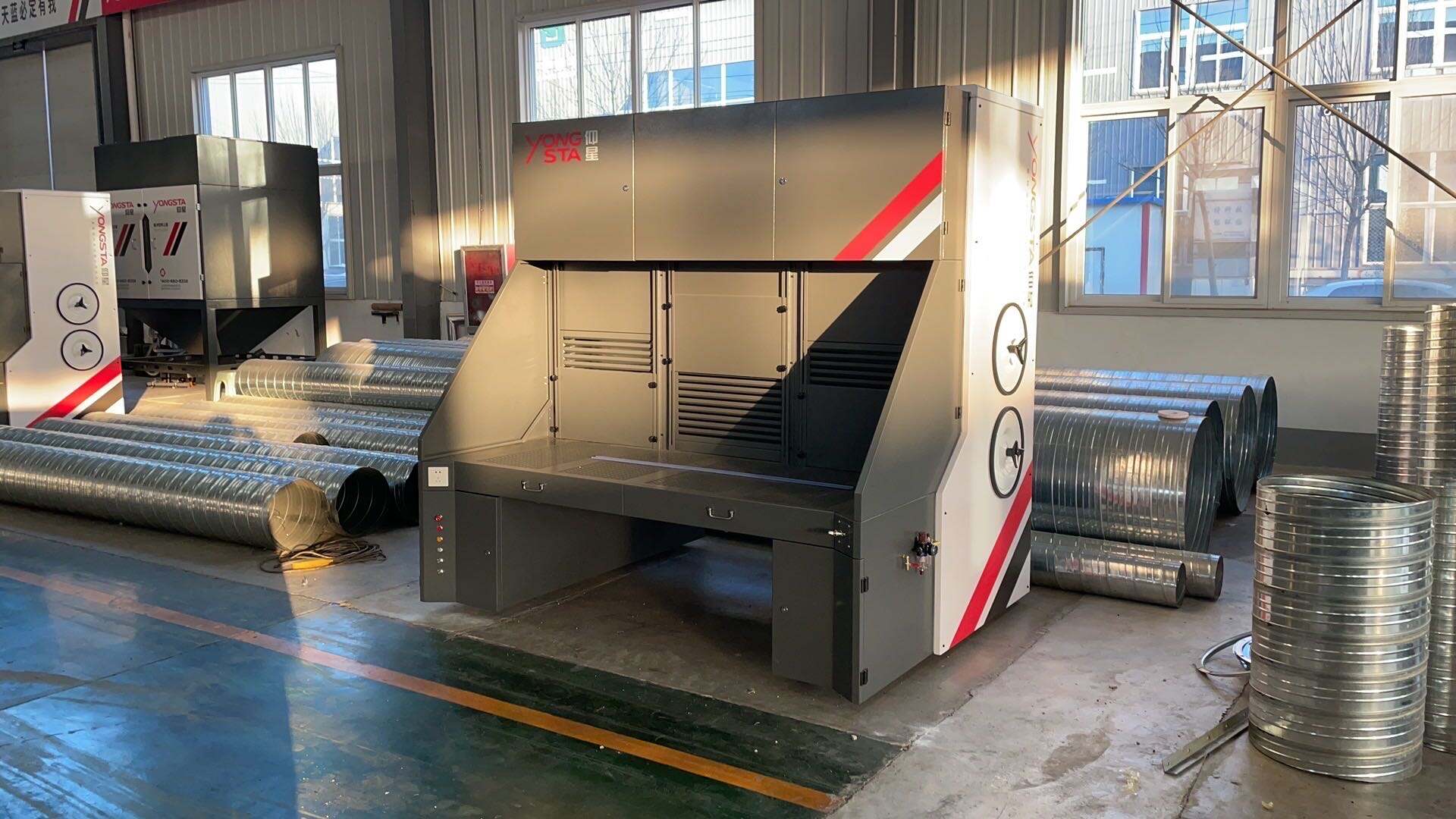
The engineering challenge of packaging industrial-level dust collection capability into a small footprint has driven remarkable innovations in motor technology, airflow dynamics, and structural design. A small industrial dust collector achieves performance levels previously requiring much larger systems through careful optimization of every component. High-efficiency motors generate substantial suction power while consuming minimal electricity, utilizing advanced winding techniques and magnetic materials that maximize torque and minimize heat generation. These motors operate continuously for extended periods without overheating or performance degradation, providing reliable service in demanding industrial environments. The impeller design plays a crucial role in converting motor power into effective airflow, with precisely engineered blade angles and housing geometries that minimize turbulence and maximize air movement. Computational fluid dynamics modeling during the design phase ensures optimal airflow patterns throughout the system, eliminating dead zones where dust might accumulate and reducing pressure drops that waste energy. The compact housing incorporates sound-dampening materials and vibration isolation mounts that minimize operational noise, allowing installation in occupied workspaces without creating disruptive sound levels. Despite their small size, these units feature robust construction using heavy-gauge steel or durable polymers that withstand the rigors of industrial use, including impacts, chemical exposure, and temperature variations. Portability represents a key advantage of compact design, with many models incorporating wheels, handles, or lightweight construction that facilitates movement between workstations or storage when not in use. This mobility eliminates the need for permanent installation and allows a single small industrial dust collector to serve multiple work areas on a rotating basis, maximizing equipment utilization and return on investment. The reduced footprint means installation is possible in locations where space constraints would prohibit larger systems, including crowded workshops, small manufacturing cells, and temporary work sites. Flexible ducting options accommodate various workspace configurations, with inlet ports accepting standard hose sizes and allowing connection to multiple tools or collection points. Some models feature multiple inlets that can operate simultaneously, providing dust collection for several workstations from a single unit. The collection capacity, while smaller than industrial-scale systems, proves adequate for typical small to medium operations, with easily removable bins or bags that simplify disposal without creating mess or requiring special handling procedures. Electrical requirements remain modest, with most small industrial dust collector units operating on standard voltage without requiring dedicated circuits or electrical upgrades. This plug-and-play capability accelerates deployment and reduces installation costs. The combination of powerful performance, compact dimensions, and user-friendly features makes these systems accessible to businesses of all sizes, from individual craftspeople to mid-sized manufacturing operations seeking to improve air quality without major capital investment or facility modifications.
 ×
×



 EN
EN