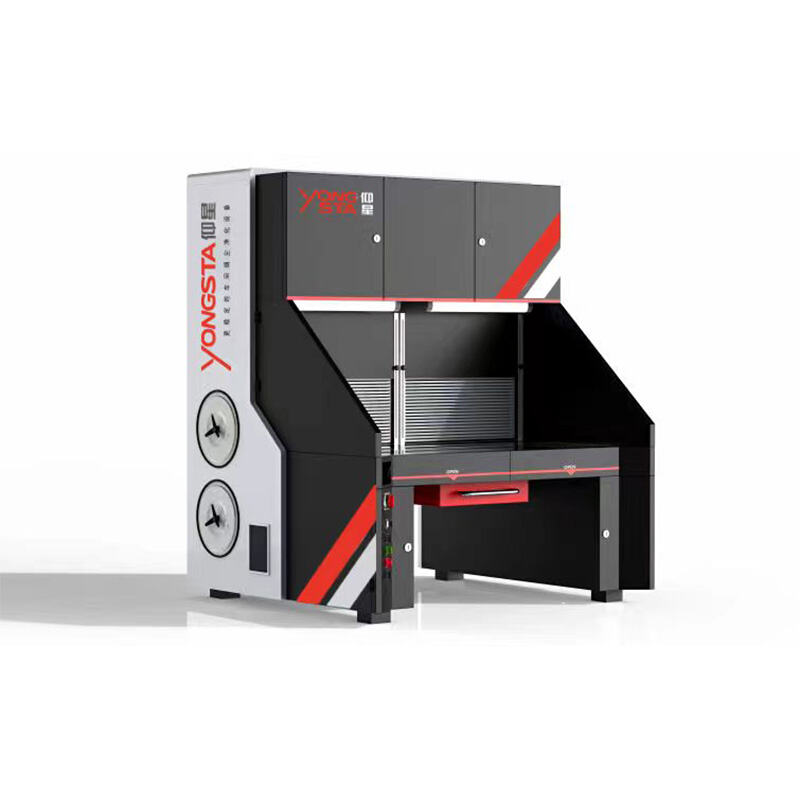
industrial dust collection equipment
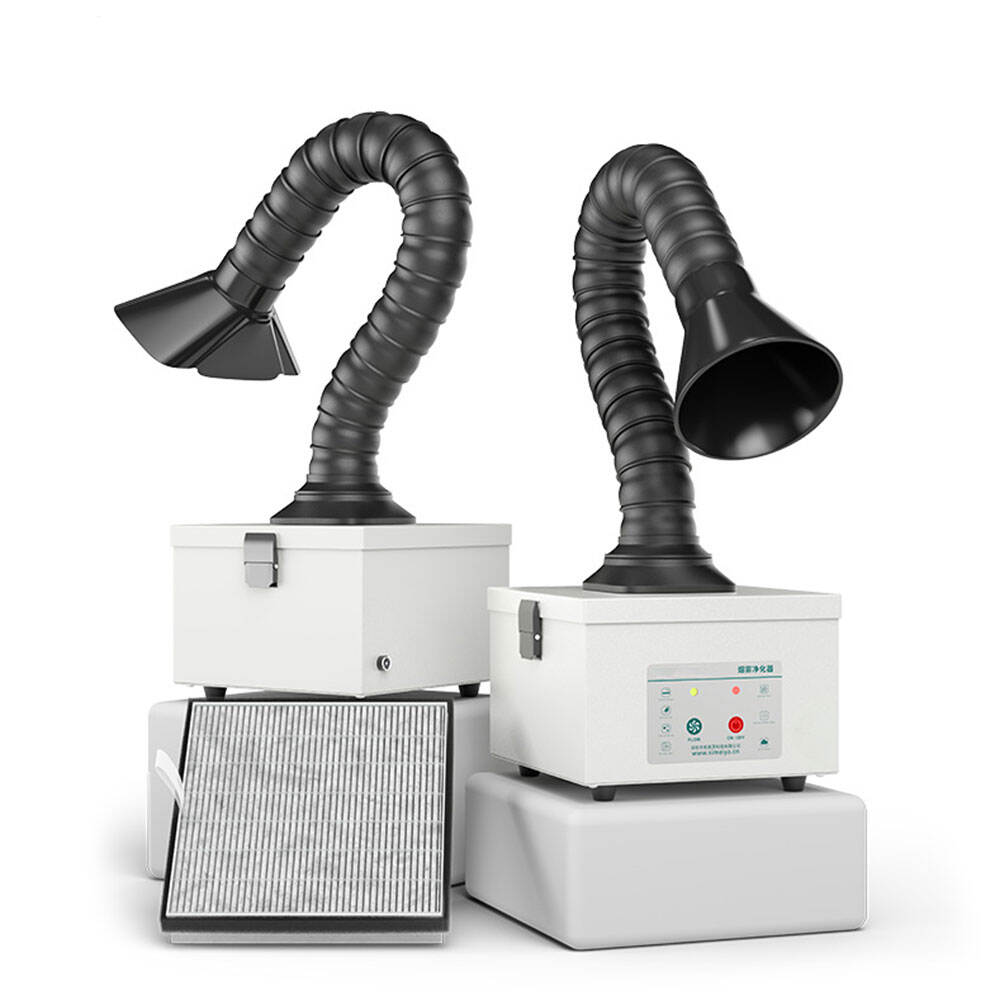
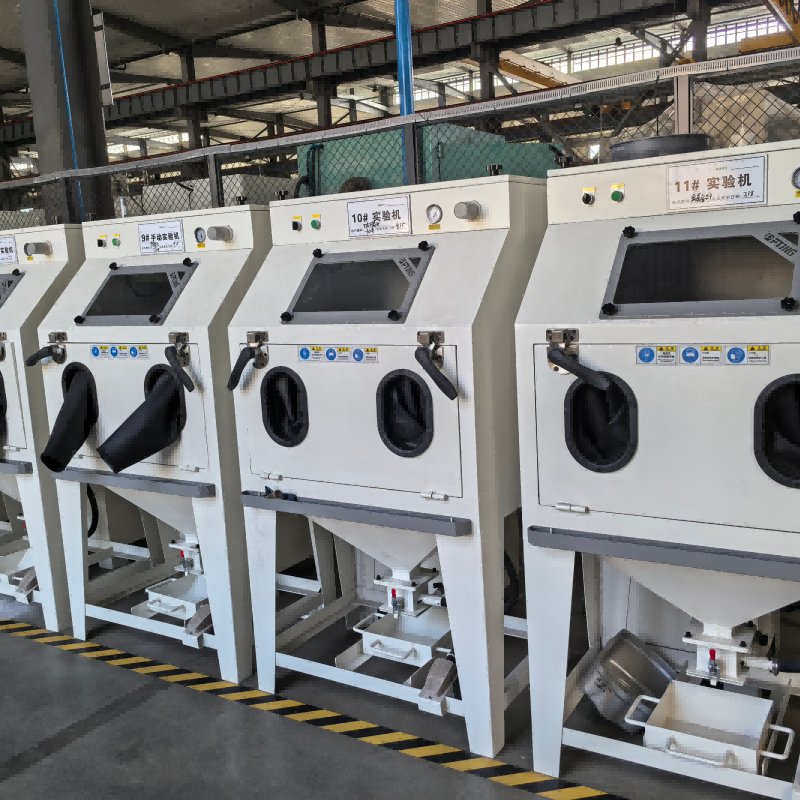
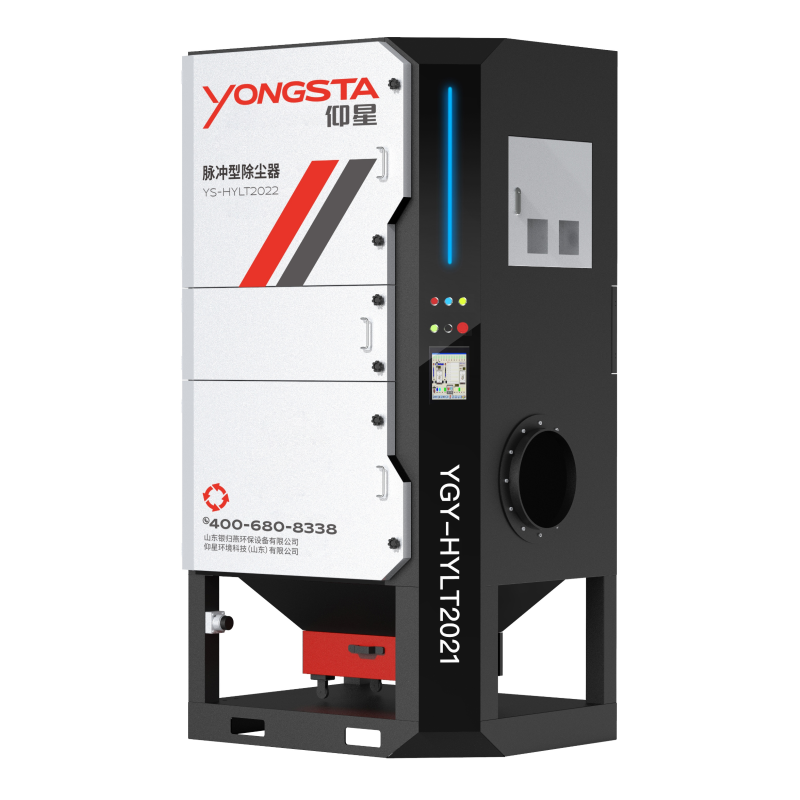
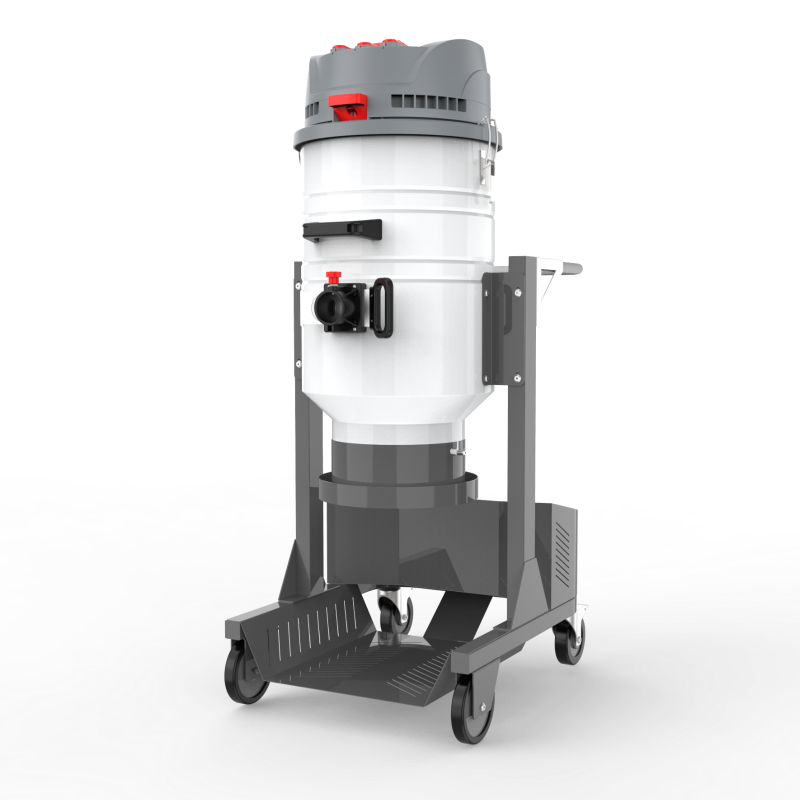
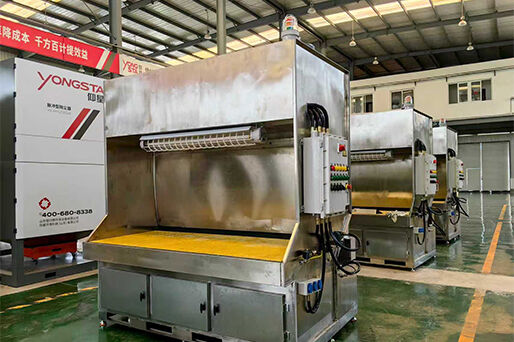
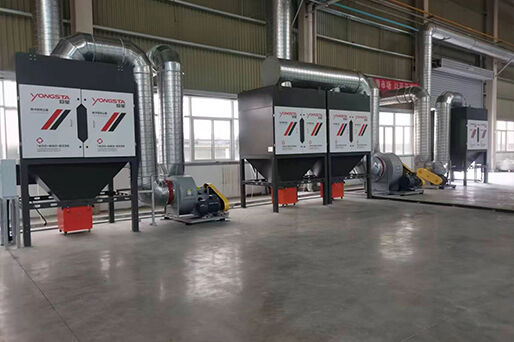
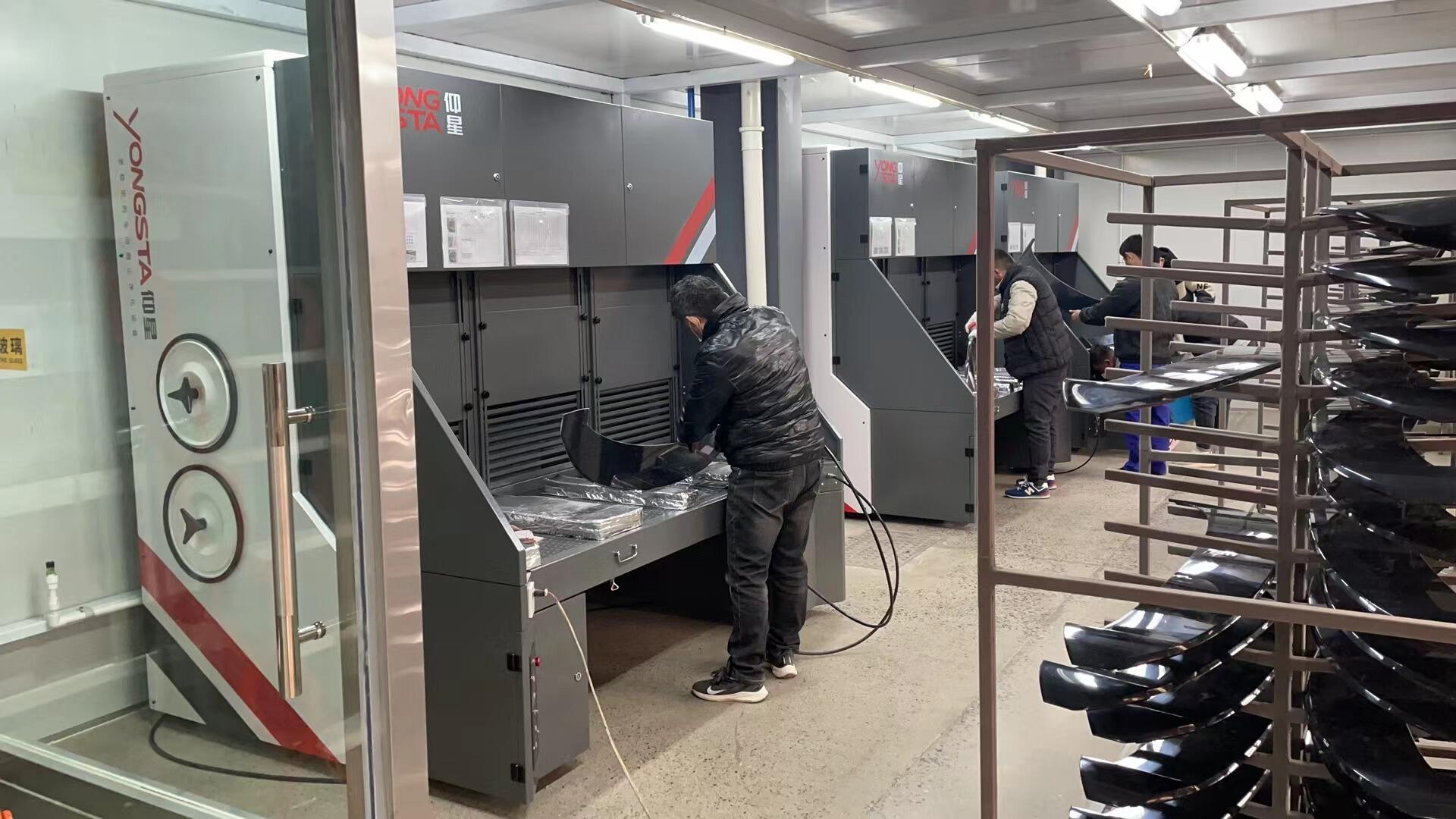
Industrial dust collection equipment represents a critical investment for manufacturing facilities, workshops, and production environments where airborne particles pose risks to worker health, product quality, and operational efficiency. These sophisticated systems capture, filter, and remove dust particles generated during various industrial processes including cutting, grinding, sanding, welding, and material handling operations. Modern industrial dust collection equipment combines powerful suction capabilities with advanced filtration technology to maintain clean air standards within work environments. The primary function centers on extracting contaminated air from the source point, processing it through multi-stage filtration systems, and returning purified air back into the facility or exhausting it safely outdoors. These systems typically consist of several key components working in harmony: collection hoods or capture points positioned near dust-generating equipment, ductwork that transports contaminated air, powerful fans or blowers that create necessary airflow, filtration media that traps particles of various sizes, and collection bins or hoppers that store captured material for disposal. The technological sophistication of industrial dust collection equipment has evolved significantly, incorporating automated cleaning mechanisms such as pulse-jet systems that periodically clean filter surfaces without interrupting operations, differential pressure monitors that track filter performance, and variable frequency drives that optimize energy consumption based on real-time demand. Applications span numerous industries including woodworking facilities where sawdust and wood chips require constant removal, metalworking shops dealing with metal shavings and grinding dust, pharmaceutical manufacturing requiring sterile environments, food processing plants maintaining hygiene standards, cement production facilities managing heavy particulate loads, and chemical processing operations handling potentially hazardous dust. The equipment scales from compact single-machine collectors serving individual workstations to massive centralized systems managing dust collection across entire production facilities with multiple collection points and thousands of cubic feet per minute airflow capacity.
 ×
×




 EN
EN