industrial dust removal equipment
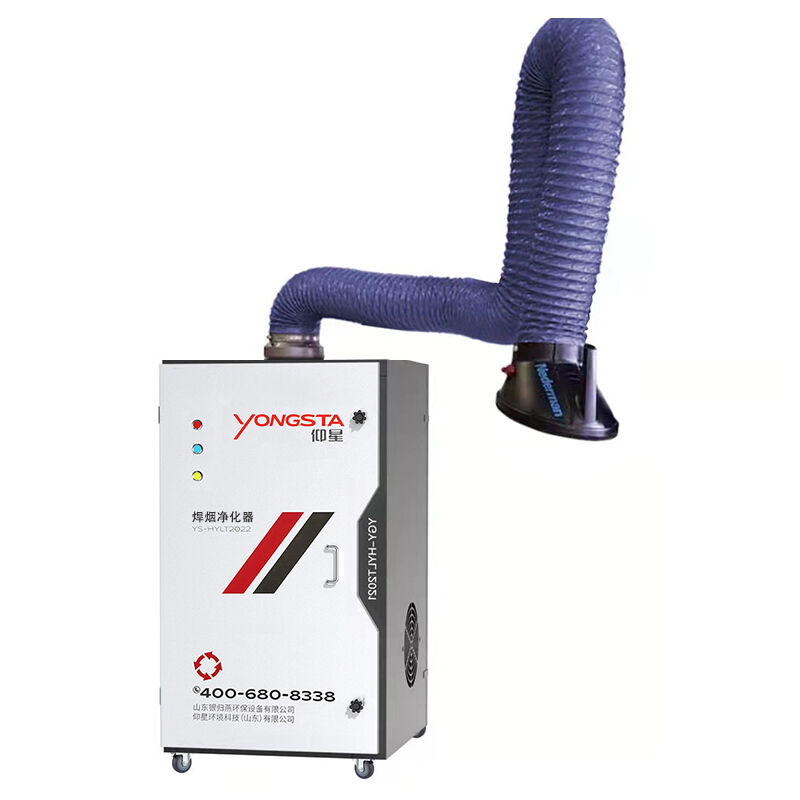
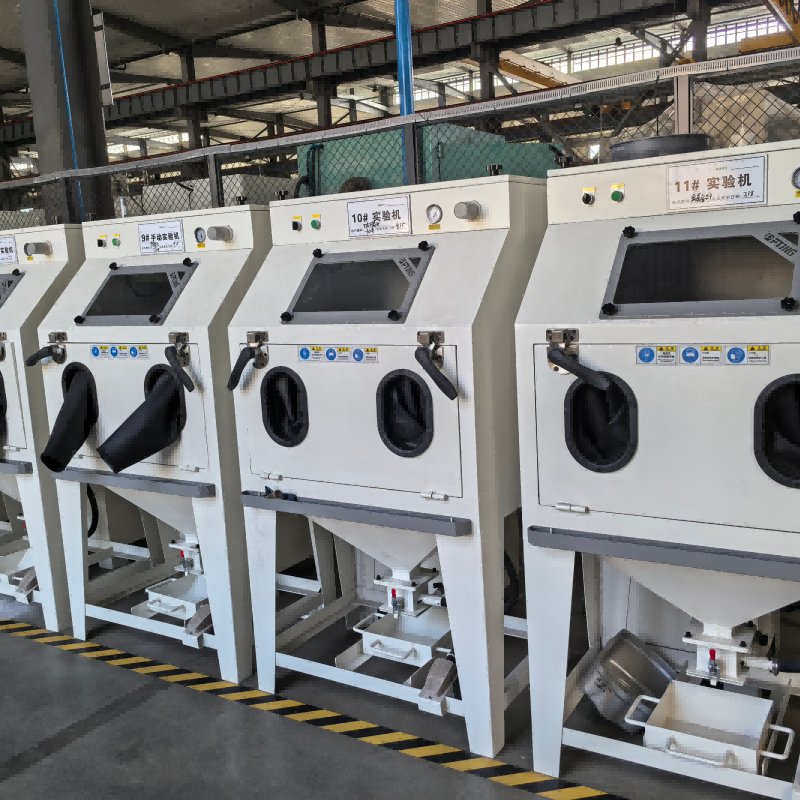
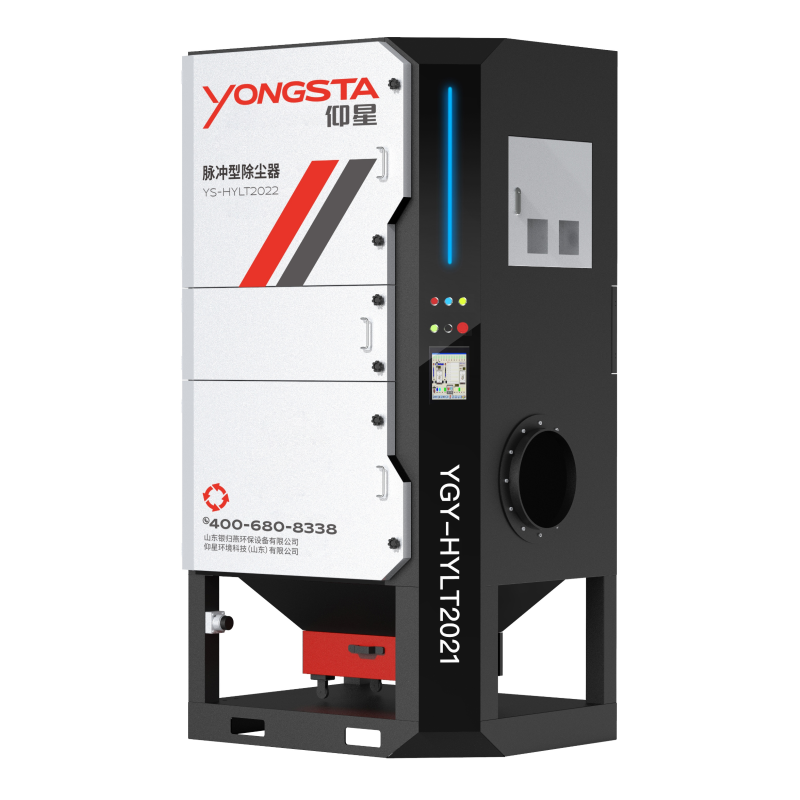
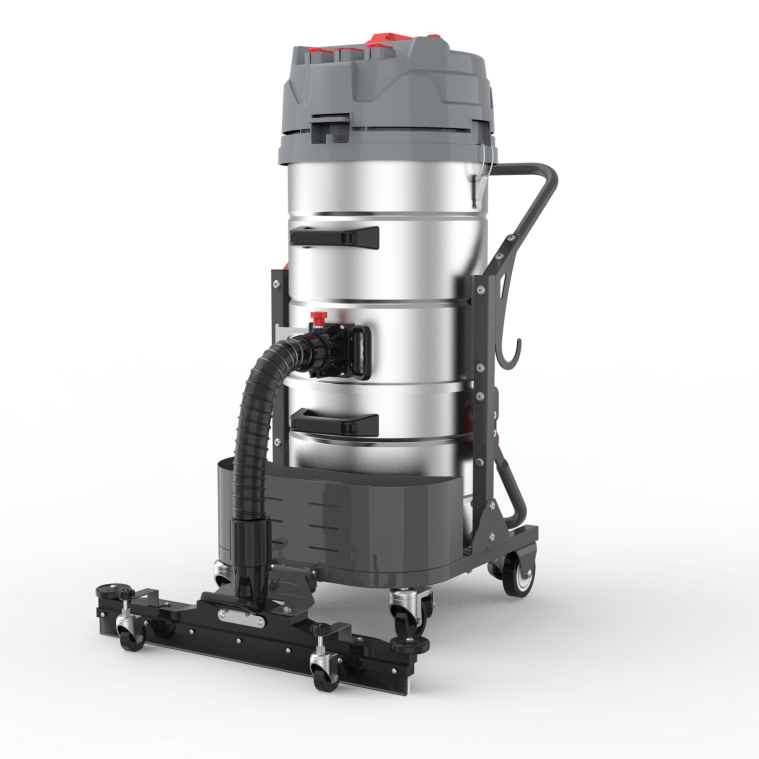
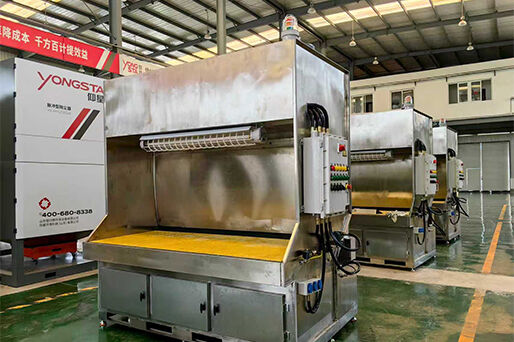
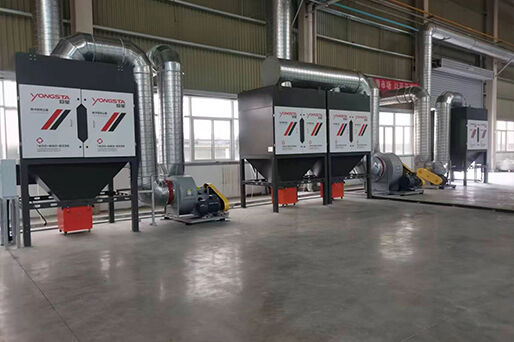
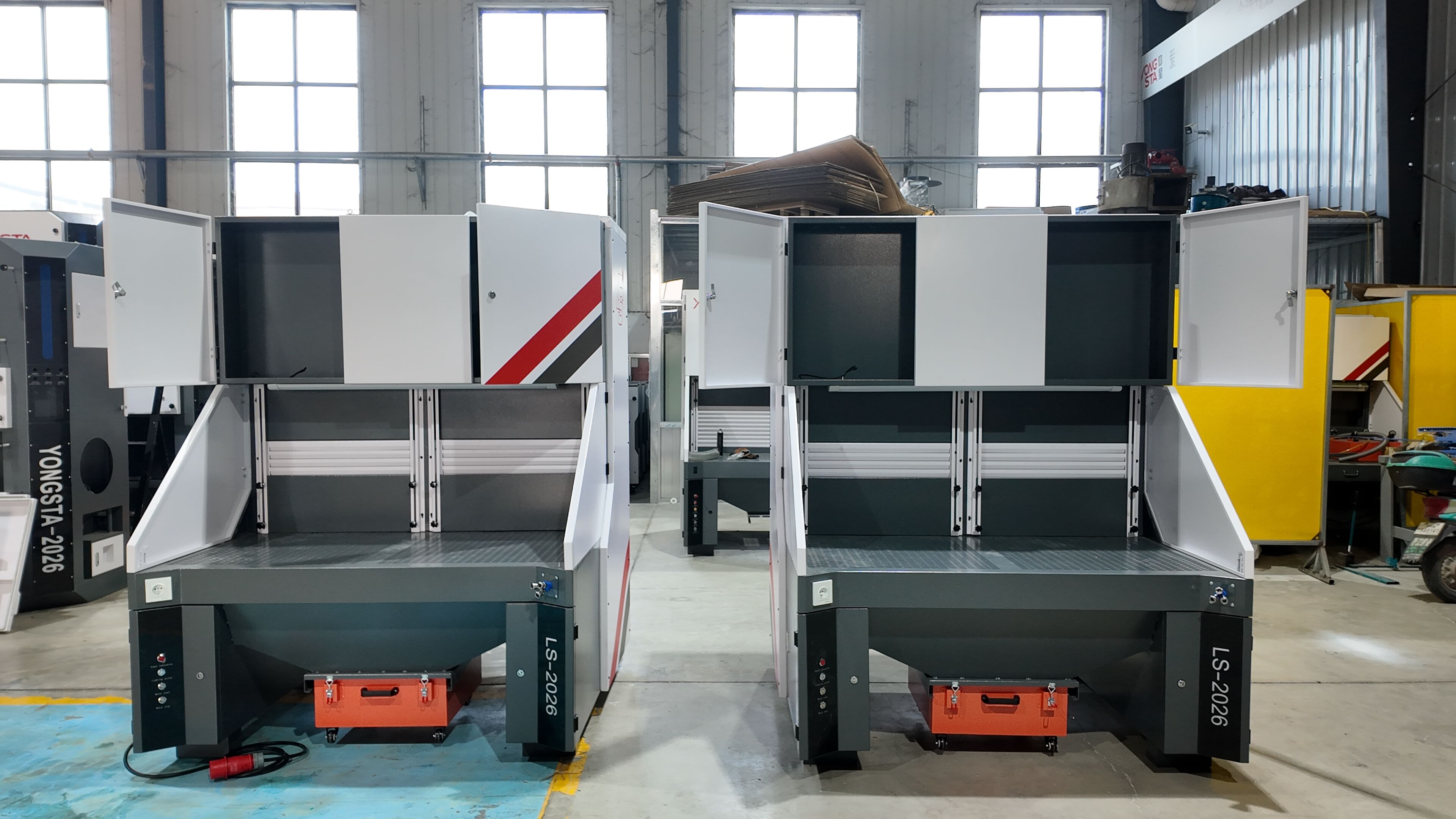
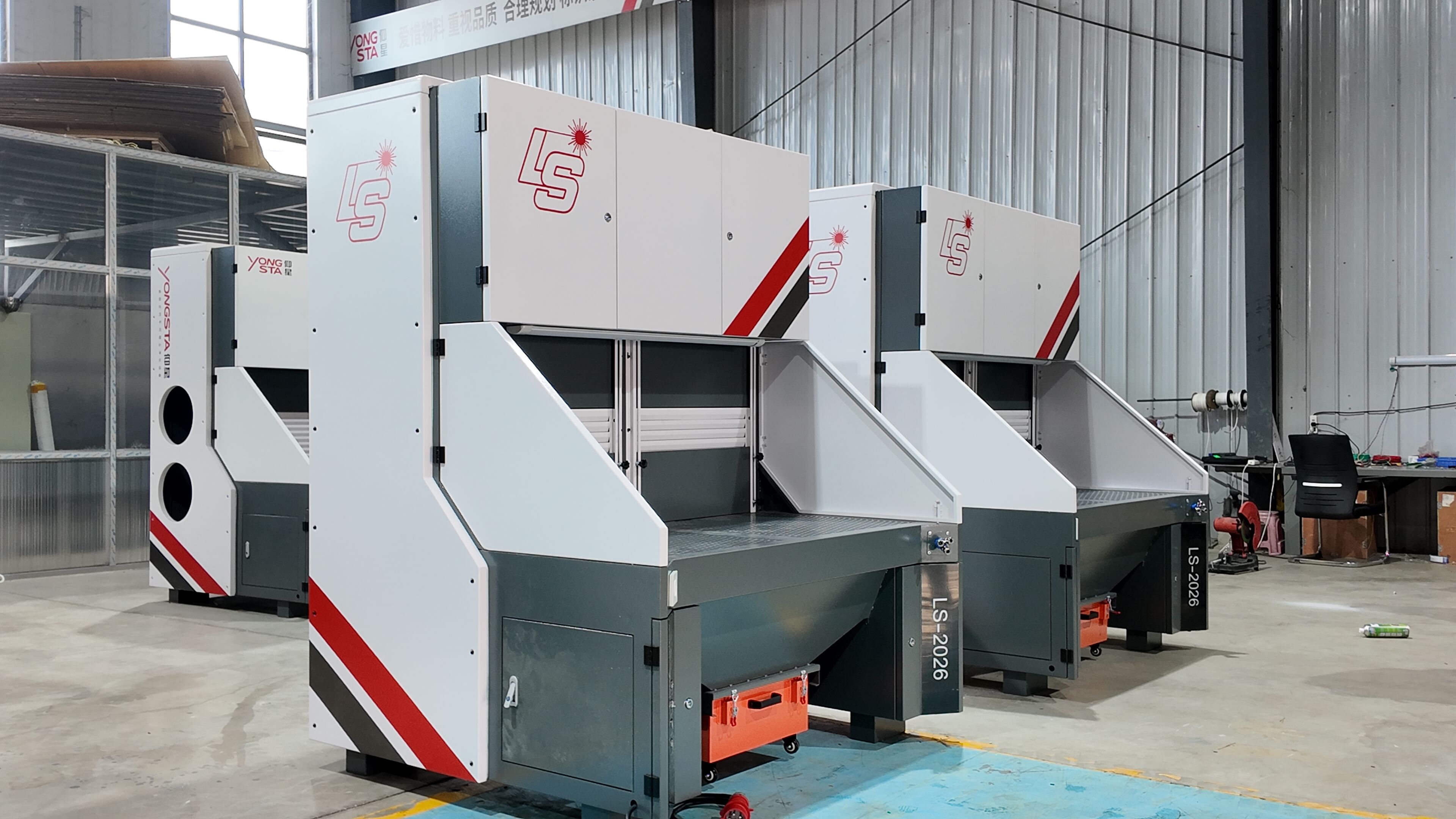
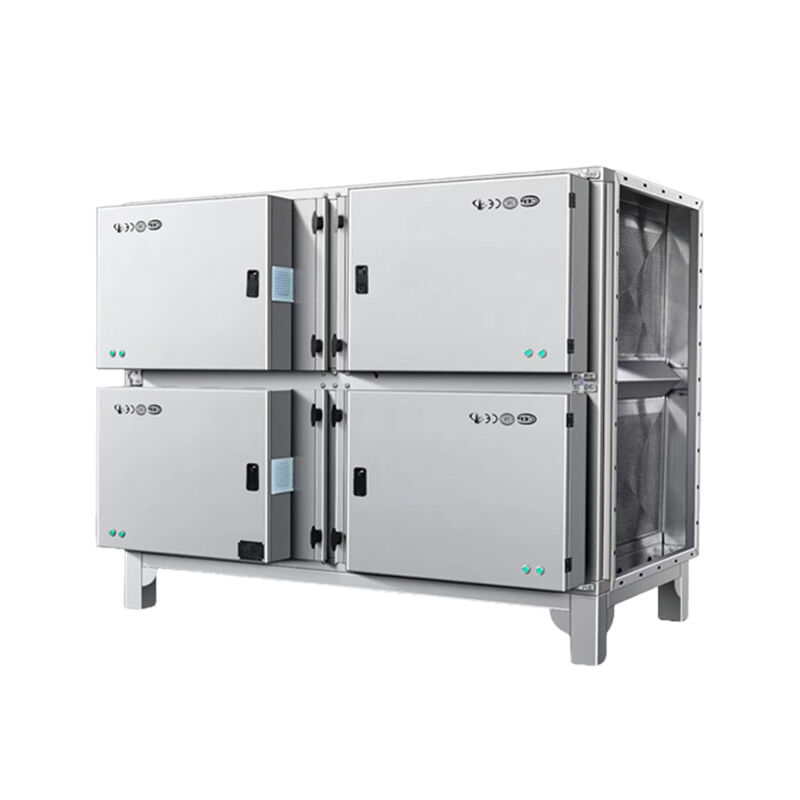
Industrial dust removal equipment represents a critical component in modern manufacturing and processing facilities, designed to capture, filter, and eliminate airborne particulates generated during various production operations. These sophisticated systems serve the primary function of maintaining clean air quality within work environments while ensuring compliance with stringent environmental regulations. The core purpose of industrial dust removal equipment extends beyond simple air filtration; it protects worker health, prevents equipment damage, reduces fire hazards, and minimizes environmental pollution. Modern dust collection systems employ advanced filtration technologies that can capture particles ranging from large debris to submicron-sized contaminants with remarkable efficiency. The technological framework of industrial dust removal equipment typically includes several integrated components: collection hoods or capture points, ductwork for air transportation, filtration units containing specialized media, fans or blowers for air movement, and discharge systems for collected material. Different industries require customized approaches to dust control, which has led to the development of various equipment types including baghouse filters, cartridge collectors, cyclone separators, wet scrubbers, and electrostatic precipitators. Each technology offers distinct advantages suited to specific applications, particle sizes, and operational conditions. The applications for industrial dust removal equipment span virtually every sector of manufacturing and processing, including metalworking facilities, woodworking shops, pharmaceutical production, food processing plants, cement manufacturing, mining operations, chemical processing, textile manufacturing, and power generation facilities. These systems handle diverse materials such as metal fumes, wood dust, grain particles, chemical powders, combustible dusts, and toxic substances. The selection of appropriate industrial dust removal equipment depends on multiple factors including the type and volume of dust generated, particle size distribution, temperature conditions, moisture content, chemical properties of the material, and specific regulatory requirements governing the industry.
 ×
×



 EN
EN