Significant Cost Savings Through Reduced Health Claims and Improved Operational Efficiency
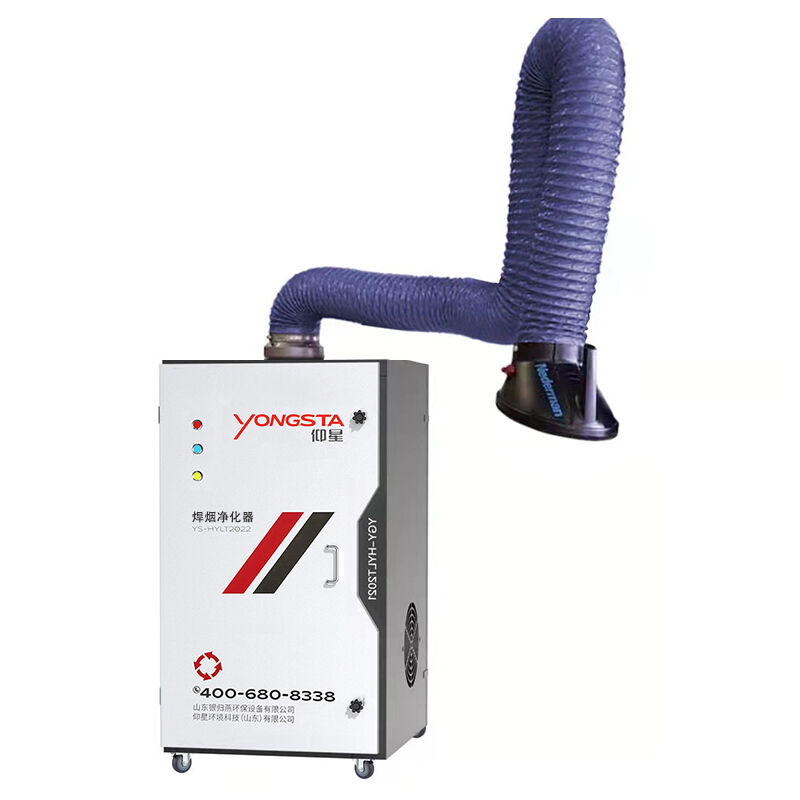
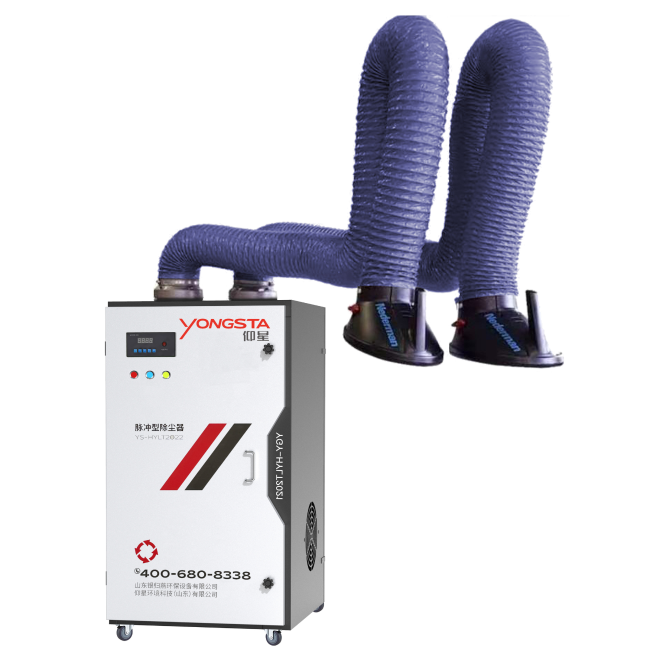
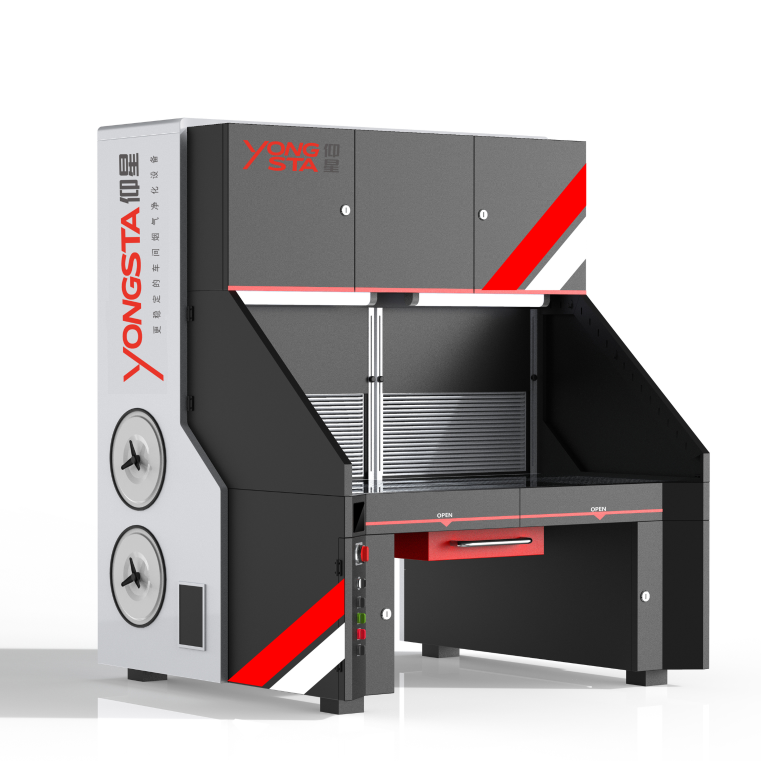
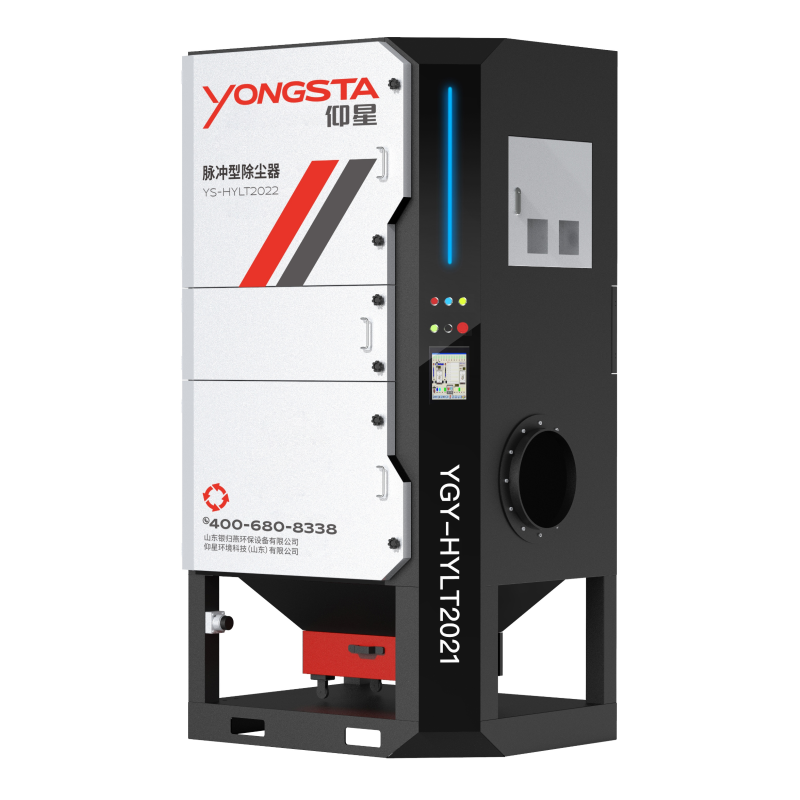
While the initial investment in a welding fume filter system requires capital allocation, the financial returns through cost savings and efficiency improvements typically result in payback periods of just one to three years, making it one of the most economically sound investments a welding operation can make. The most substantial savings come from reduced health-related costs, as protecting welders from fume exposure directly decreases the incidence of respiratory illnesses, occupational asthma, and other conditions linked to welding fume inhalation. Workers compensation claims related to respiratory issues can cost tens of thousands of dollars per incident when accounting for medical treatment, lost work time, temporary disability payments, and potential permanent disability settlements. By preventing these health issues before they develop, the welding fume filter system eliminates these costs entirely. Beyond claims prevention, healthier employees take fewer sick days, maintaining consistent productivity levels and reducing the disruption and overtime costs associated with absent workers. Insurance providers often recognize the risk reduction that effective fume extraction provides, potentially qualifying your facility for lower workers compensation insurance premiums that generate ongoing annual savings. The system also protects your investment in skilled labor by reducing turnover, as welders increasingly prioritize working conditions when choosing employers, and those who feel their health is protected remain loyal longer, eliminating the substantial costs of recruiting, hiring, and training replacement workers. Operational efficiency improvements contribute additional financial benefits through multiple channels. The enhanced visibility created by removing fume clouds from the workspace allows welders to produce higher quality work with fewer defects, reducing rework costs and material waste. Projects complete faster when welders can see clearly throughout their shifts rather than working through dense smoke. The welding fume filter system also extends the life of your facility's general HVAC equipment by preventing welding particulates from entering and damaging heating and cooling systems, reducing maintenance frequency and replacement costs for expensive HVAC components. Energy costs decrease as well, since modern filtration systems consume less power than exhausting contaminated air outdoors and conditioning replacement air, particularly significant in climates requiring heating or cooling. The system prevents fume residue from coating equipment, light fixtures, and building surfaces, substantially reducing cleaning and repainting requirements that would otherwise consume labor hours and materials. From a business development perspective, having a welding fume filter system installed can qualify your facility for contracts with clients who require suppliers to meet specific environmental and safety standards, opening revenue opportunities that would otherwise be unavailable. The system also supports lean manufacturing initiatives by creating a more organized, professional workspace that facilitates continuous improvement efforts. When considering total cost of ownership, the welding fume filter system's durable construction and straightforward maintenance requirements mean low ongoing operating costs, with filter replacement representing the primary recurring expense, and even these costs are predictable and manageable through proper maintenance scheduling.
 ×
×



 EN
EN