Compliance Support and Health Protection Deliver Long-Term Value and Risk Mitigation
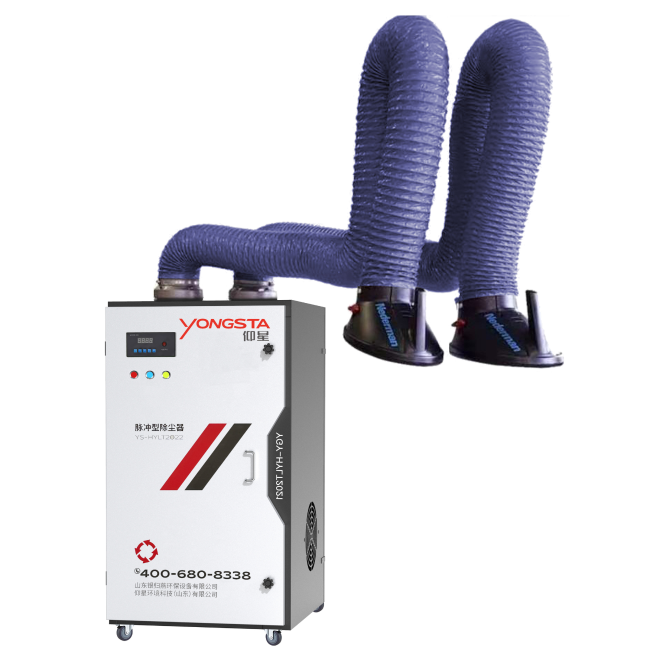
The welding air purifier serves as a critical tool for achieving and maintaining compliance with increasingly stringent occupational health regulations while protecting workers from serious long-term health consequences associated with welding fume exposure. Regulatory agencies including OSHA have established permissible exposure limits for numerous welding-related contaminants, with particularly strict standards for hexavalent chromium, manganese, and other toxic metals commonly found in welding fumes. Failure to maintain exposures below these limits can result in substantial fines, legal liabilities, and in severe cases, facility shutdowns that halt production and damage company reputation. The welding air purifier provides documented evidence of proactive health protection measures, demonstrating due diligence in protecting worker safety and supporting legal defense in the event of exposure-related claims. Modern systems include data logging capabilities that record operating hours, airflow rates, and filter change dates, creating an auditable trail of maintenance and performance that satisfies regulatory documentation requirements. Beyond regulatory compliance, the welding air purifier addresses the fundamental ethical responsibility of protecting employees from occupational diseases that can develop after years of exposure to welding fumes. Medical research has conclusively linked welding fume exposure to serious conditions including metal fume fever, occupational asthma, chronic obstructive pulmonary disease, pneumoconiosis, and various cancers. Manganese exposure specifically has been associated with neurological disorders resembling Parkinson's disease, while hexavalent chromium is a known human carcinogen. By implementing effective air purification, companies protect their most valuable asset, their workforce, from these preventable diseases. The welding air purifier also contributes to improved employee morale and retention, as skilled welders increasingly seek employers who prioritize health and safety. In competitive labor markets, companies with superior air quality and working conditions enjoy advantages in recruiting and retaining qualified personnel. Insurance carriers recognize the risk reduction provided by welding air purifiers, often offering premium discounts for facilities with documented air quality control programs. The long-term financial benefits extend beyond direct cost savings to include reduced absenteeism, lower turnover expenses, decreased workers compensation claims, and enhanced productivity from healthier, more engaged employees who can focus on quality work rather than coping with respiratory irritation and reduced visibility from airborne fumes.
 ×
×



 EN
EN