Professional Oil Fume Purifier - Commercial Kitchen Air Purification Systems

Get a Free Quote

Our representative will contact you soon.
Email
Name
Company Name
Message
0/1000

professional oil fume purifier

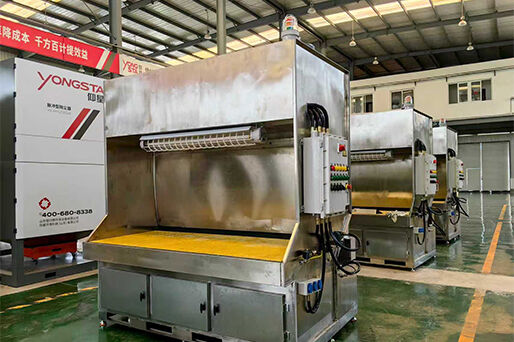
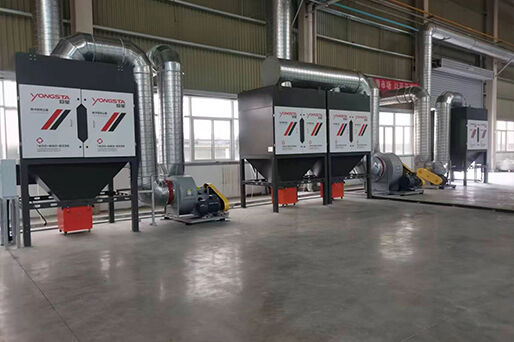
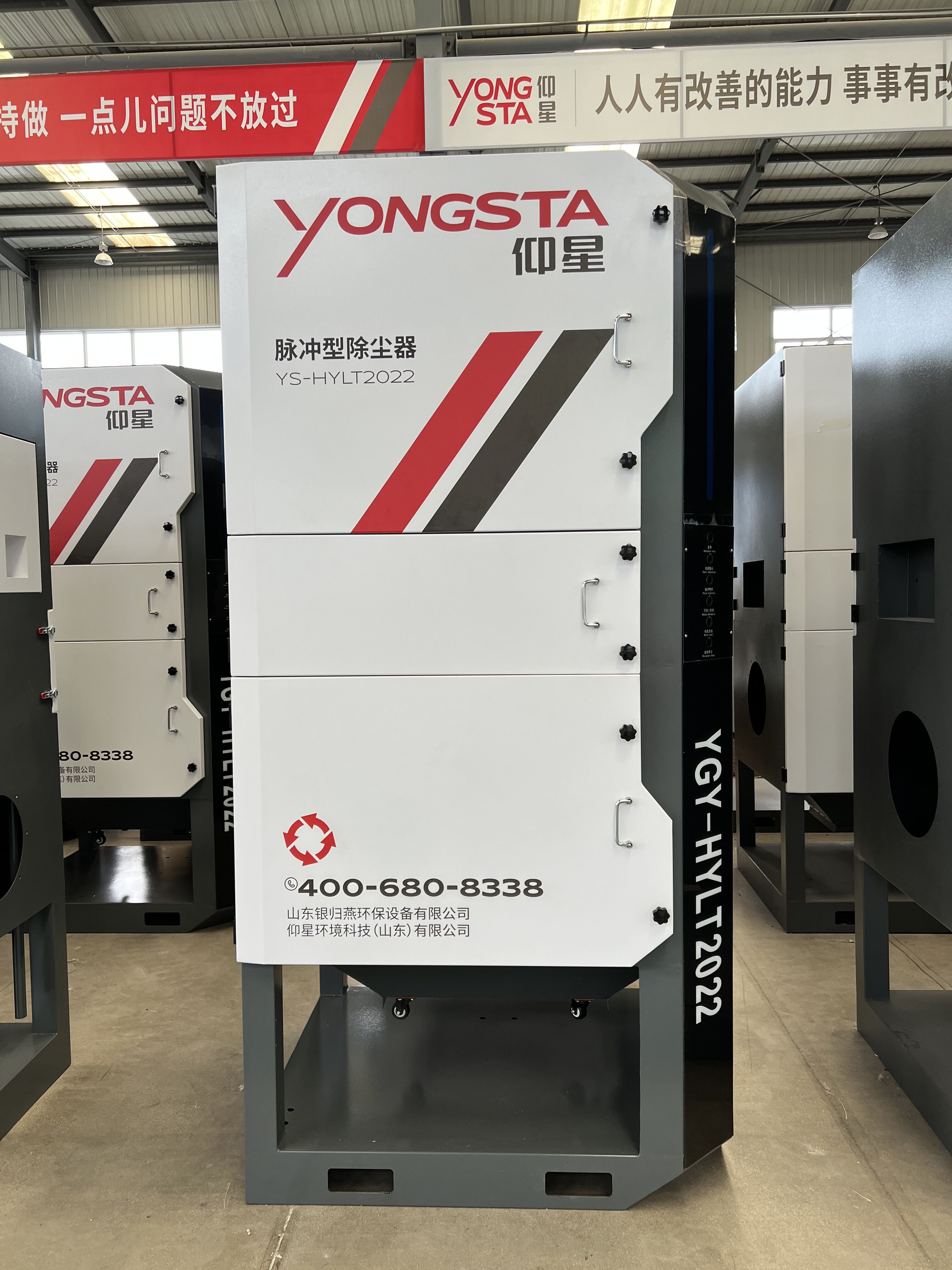
A professional oil fume purifier represents an essential investment for commercial kitchens, restaurants, and food processing facilities seeking to maintain clean air quality while complying with environmental regulations. This advanced filtration system captures and eliminates airborne grease particles, smoke, odors, and harmful pollutants generated during cooking operations. The primary function of a professional oil fume purifier involves drawing contaminated air through multiple filtration stages, removing up to 95% of oil particles and smoke before releasing purified air back into the environment. Modern units incorporate electrostatic precipitation technology, which uses high-voltage electrical fields to charge and capture microscopic oil droplets that traditional filters cannot trap. The technological features include automated cleaning cycles that maintain optimal performance without constant manual intervention, intelligent sensors that monitor air quality and adjust purification intensity accordingly, and energy-efficient motors that reduce operational costs. These systems typically feature modular designs allowing easy maintenance and component replacement, stainless steel construction ensuring durability in harsh kitchen environments, and variable speed controls that adapt to different cooking volumes. Applications span across diverse food service establishments including fine dining restaurants, fast-food chains, hotel kitchens, hospital cafeterias, school dining halls, catering facilities, and industrial food production plants. The professional oil fume purifier also finds use in bakeries, barbecue restaurants, and any establishment where high-temperature cooking generates significant smoke and grease-laden vapors. Installation flexibility allows both ducted and ductless configurations, making these systems suitable for buildings with limited ventilation infrastructure. The purification process not only improves indoor air quality but also prevents grease accumulation in exhaust ducts, reducing fire hazards and expensive cleaning requirements. By capturing pollutants at the source, these systems protect kitchen staff from respiratory irritants and create a more comfortable working environment, ultimately contributing to employee health and productivity while demonstrating corporate responsibility toward environmental protection and community air quality standards.

Popular Products

Investing in a professional oil fume purifier delivers immediate and long-term benefits that transform kitchen operations and business economics. The most significant advantage lies in dramatic air quality improvement, as these systems remove harmful particles that would otherwise circulate throughout your facility and potentially reach dining areas, affecting customer experience and staff wellbeing. Clean air means your employees work in healthier conditions, reducing sick days and improving morale, while customers enjoy meals without unpleasant cooking odors permeating their clothing and dining experience. Financial savings accumulate through multiple channels: reduced exhaust duct cleaning frequency cuts maintenance costs by up to 70%, as the purifier captures grease before it enters ductwork, and lower fire insurance premiums often result from decreased fire risk associated with grease buildup. Energy efficiency represents another economic benefit, with modern units consuming minimal electricity while delivering maximum purification, and some models recover heat from exhaust air, redirecting it to reduce heating costs during colder months. Regulatory compliance becomes effortless when you install a professional oil fume purifier, as these systems help meet increasingly strict environmental standards regarding particulate emissions and odor control, protecting your business from fines and potential closure orders. The equipment extends the lifespan of your entire ventilation system by preventing corrosive grease deposits that damage fans, motors, and ductwork, deferring expensive replacement costs for years. Operational flexibility improves because effective odor control allows kitchens to operate extended hours without disturbing neighbors, particularly valuable for urban locations where residential areas sit adjacent to commercial spaces. Property value protection occurs as the purifier prevents grease stains on walls, ceilings, and exterior surfaces, maintaining your facility's appearance and reducing repainting frequency. Customer satisfaction increases when dining areas remain free from cooking smells, creating a more pleasant atmosphere that encourages repeat visits and positive reviews. Staff retention improves in cleaner environments where respiratory irritation and eye discomfort from smoke exposure no longer drive employees to seek alternative employment. The professional oil fume purifier also enhances your brand reputation, demonstrating environmental consciousness that resonates with increasingly eco-aware consumers who prefer businesses showing commitment to sustainability and community health. Installation proves straightforward with professional guidance, and ongoing operation requires minimal training, making these systems accessible even for establishments without dedicated maintenance staff. The return on investment typically materializes within two to three years through combined savings on cleaning, energy, insurance, and health-related costs, while the equipment itself often carries warranties extending five to ten years, ensuring long-term reliability and performance consistency that justifies the initial capital expenditure.

Latest News

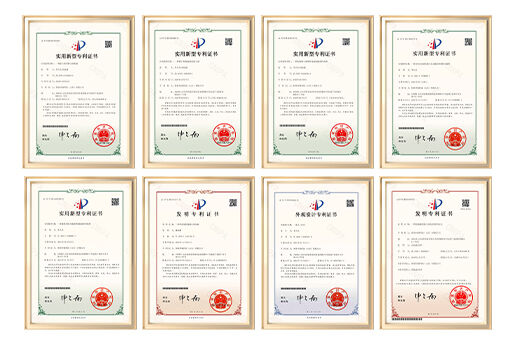
Yongsta R&D Team Wins 3 Dust Removal Technology Patents, Leading Industry Innovation

09

Apr

Yongsta R&D Team Wins 3 Dust Removal Technology Patents, Leading Industry Innovation

View More
Yongsta Cooperates with TUV for ATEX Explosion-Proof Certification, Explosion-Proof Dust Collector to Be Launched Soon

09

Apr

Yongsta Cooperates with TUV for ATEX Explosion-Proof Certification, Explosion-Proof Dust Collector to Be Launched Soon

View More
Empowering Benchmark Manufacturing! Yongsta Cartridge Dust Collector Aids Siemens Transformer China Factory's Dust Removal Renovation and Gains High Recognition

09

Apr

Empowering Benchmark Manufacturing! Yongsta Cartridge Dust Collector Aids Siemens Transformer China Factory's Dust Removal Renovation and Gains High Recognition

View More

Get a Free Quote

Our representative will contact you soon.
Email
Name
Company Name
Message
0/1000

professional oil fume purifier

Advanced Multi-Stage Filtration Technology Ensures Maximum Purification Efficiency

Advanced Multi-Stage Filtration Technology Ensures Maximum Purification Efficiency

The cornerstone of any professional oil fume purifier lies in its sophisticated multi-stage filtration system, engineered to address the complex composition of kitchen exhaust containing particles ranging from large grease droplets to microscopic smoke particles and gaseous odors. The first stage typically employs mechanical pre-filters constructed from stainless steel mesh or baffle plates that capture larger grease particles through impaction and gravitational separation, preventing these heavy contaminants from reaching sensitive downstream components. This initial filtration removes approximately 60-70% of visible grease, significantly reducing the load on subsequent stages. The second stage introduces electrostatic precipitation, where high-voltage electrodes ionize incoming particles, giving them an electrical charge that causes attraction to oppositely charged collection plates. This technology excels at capturing submicron particles that escape mechanical filtration, achieving removal efficiencies exceeding 95% for particles as small as 0.01 microns. The electrostatic section operates silently without moving parts, ensuring reliability and longevity while consuming minimal energy compared to high-velocity mechanical systems. Following electrostatic treatment, activated carbon filters address odor molecules and volatile organic compounds that contribute to unpleasant smells, chemically adsorbing these gaseous pollutants through millions of microscopic pores within the carbon structure. Some advanced professional oil fume purifier models incorporate ultraviolet light chambers that break down organic compounds at the molecular level, providing an additional layer of odor control particularly effective against persistent cooking smells from fish, curry, and barbecue operations. The final stage often includes HEPA filtration for establishments requiring pharmaceutical-grade air quality, capturing any remaining particles and ensuring exhaust air meets the strictest environmental standards. This comprehensive approach addresses all pollutant types simultaneously, unlike single-stage systems that excel at one contaminant category while allowing others to pass through untreated. The multi-stage design also provides redundancy, ensuring continued operation even if one component requires maintenance, and allows customization based on specific cooking methods and local regulations. Regular maintenance involves simple procedures like washing pre-filters and replacing carbon modules, tasks that kitchen staff can perform without specialized training or expensive service contracts, making the professional oil fume purifier both effective and practical for daily commercial kitchen operations.
Intelligent Automation Reduces Operational Burden and Optimizes Performance

Intelligent Automation Reduces Operational Burden and Optimizes Performance

Modern professional oil fume purifier systems incorporate intelligent automation that transforms these units from passive filtration devices into active air quality management systems requiring minimal human intervention. Built-in sensors continuously monitor multiple parameters including airflow volume, pressure differential across filters, electrical current in electrostatic sections, and ambient air quality, feeding this data to microprocessor controllers that make real-time adjustments optimizing purification efficiency while minimizing energy consumption. When sensors detect increased cooking activity through rising pollutant levels, the system automatically increases fan speed and electrostatic voltage, ensuring purification capacity matches demand without manual adjustment. Conversely, during slow periods, the professional oil fume purifier reduces power consumption by lowering operational intensity, delivering substantial energy savings over time compared to fixed-speed systems running continuously at maximum capacity. Automated cleaning cycles represent perhaps the most valuable automation feature, as electrostatic collection plates accumulate grease requiring periodic removal to maintain efficiency. Traditional systems demand manual disassembly and washing, a labor-intensive task often neglected until performance degrades noticeably. Automated systems inject cleaning solution or hot water through spray nozzles at programmed intervals, dissolving accumulated grease and flushing it into collection trays, all while the unit continues operating. This self-cleaning capability ensures consistent performance without scheduling dedicated maintenance windows that disrupt kitchen operations. Predictive maintenance alerts notify operators when consumable components like carbon filters approach replacement intervals based on actual usage rather than arbitrary time schedules, preventing premature replacement waste while avoiding performance degradation from overextended components. Remote monitoring capabilities allow facility managers to track multiple locations from centralized dashboards, identifying underperforming units and scheduling maintenance efficiently across entire restaurant chains or multi-building campuses. Data logging creates compliance documentation automatically, recording operational parameters and maintenance activities that satisfy regulatory reporting requirements without manual record-keeping. The professional oil fume purifier with intelligent automation also integrates with building management systems, coordinating with HVAC equipment to optimize overall ventilation efficiency and prevent negative pressure issues that can cause drafts or interfere with heating and cooling. Fault detection algorithms identify developing problems before they cause failures, alerting maintenance teams to address issues during convenient times rather than facing emergency breakdowns during peak service hours. User interfaces feature intuitive touchscreens displaying system status in plain language rather than cryptic codes, making operation accessible to all staff members regardless of technical background, while password-protected settings prevent unauthorized adjustments that might compromise performance or safety.
Versatile Installation Options Accommodate Diverse Facility Requirements

Versatile Installation Options Accommodate Diverse Facility Requirements

The professional oil fume purifier distinguishes itself through remarkable installation flexibility, accommodating the unique constraints and requirements of virtually any commercial kitchen environment from newly constructed facilities with purpose-designed ventilation systems to historic buildings where structural limitations restrict conventional exhaust solutions. Ducted configurations represent the traditional approach, connecting the purifier inline with existing exhaust ductwork between kitchen hoods and roof-mounted exhaust fans, allowing treated air to discharge outdoors while maintaining negative pressure that prevents cooking odors from migrating into dining areas. This arrangement works ideally for facilities with adequate roof access and sufficient space for ductwork routing, providing maximum purification capacity for high-volume operations. Ductless models offer revolutionary alternatives for locations where outdoor venting proves impossible or prohibitively expensive, such as shopping mall food courts, basement kitchens, or buildings with historic facades prohibiting exterior penetrations. These self-contained units draw contaminated air through comprehensive filtration stages before recirculating purified air back into the kitchen, eliminating ductwork requirements entirely while still achieving excellent air quality. The professional oil fume purifier in ductless configuration requires only electrical connection, dramatically reducing installation costs and timeframes compared to ducted systems involving structural modifications, permits, and coordination with building management. Modular designs allow capacity scaling by installing multiple smaller units rather than one large system, providing redundancy that ensures continued operation if one unit requires service and allowing phased investment as business grows rather than oversizing initial installations. Mounting versatility includes ceiling-suspended models that preserve valuable floor space in compact kitchens, wall-mounted units suitable for linear cooking lines, and floor-standing configurations for facilities preferring portable solutions or anticipating future layout changes. Compact footprints characterize modern professional oil fume purifier designs, with manufacturers optimizing internal component arrangements to deliver maximum purification capacity within minimal exterior dimensions, crucial for urban restaurants where every square foot carries premium value. Retrofit compatibility ensures these systems integrate seamlessly with existing kitchen equipment regardless of age or manufacturer, using standard duct connections and electrical specifications that avoid costly custom fabrication. Outdoor-rated enclosures enable installation in covered exterior areas, moving purification equipment outside conditioned spaces to reduce noise and heat in kitchens while freeing interior space for revenue-generating activities. Quick-disconnect fittings facilitate temporary installations for catering operations, food trucks, and seasonal establishments requiring portable purification solutions that deploy and remove easily. The professional oil fume purifier also accommodates specialized applications like wok cooking requiring extremely high capture velocities, tandoor ovens producing unique smoke characteristics, and open-flame grilling generating both grease and combustion byproducts, with manufacturers offering application-specific configurations optimized for these demanding scenarios through adjusted filtration media, enhanced electrostatic power, or supplementary odor control stages.

Get a Free Quote

Our representative will contact you soon.
Email
Name
Company Name
Message
0/1000
email goToTop