Oil Fume Filtration System - Advanced Kitchen Air Purification Solutions

Get a Free Quote

Our representative will contact you soon.
Email
Name
Company Name
Message
0/1000

oil fume filtration system

An oil fume filtration system represents a critical solution for commercial kitchens, industrial facilities, and food processing environments where cooking operations generate substantial airborne contaminants. This specialized equipment captures and removes grease particles, smoke, odors, and harmful pollutants from exhaust air before releasing it into the atmosphere. The primary function centers on protecting indoor air quality, ensuring regulatory compliance, and maintaining safe working conditions for employees. Modern oil fume filtration systems integrate multiple filtration stages, combining mechanical separation, electrostatic precipitation, and activated carbon absorption to achieve superior purification results. These systems handle high-volume airflow while maintaining energy efficiency, making them suitable for restaurants, hotel kitchens, cafeterias, manufacturing plants, and any facility where oil-based cooking or processing occurs. The technological features include automated cleaning cycles, intelligent monitoring capabilities, and modular designs that adapt to various installation requirements. Advanced sensors continuously measure air quality parameters, adjusting filtration intensity based on real-time contamination levels. The systems prevent grease accumulation in ductwork, reducing fire hazards and maintenance costs associated with traditional exhaust systems. Applications extend beyond commercial kitchens to include industrial metalworking facilities, plastic processing plants, and automotive manufacturing where oil mists and fumes pose health risks. The filtration technology effectively removes particles as small as 0.3 microns, capturing nearly all visible smoke and a significant portion of odor-causing compounds. Installation flexibility allows for rooftop mounting, inline duct integration, or standalone configurations depending on building constraints and airflow requirements. The oil fume filtration system delivers consistent performance across varying cooking loads, maintaining extraction efficiency during peak operational hours while consuming minimal electricity compared to conventional ventilation methods.

New Product Recommendations

The oil fume filtration system delivers immediate improvements to workplace environments by eliminating visible smoke and reducing unpleasant odors that typically permeate kitchens and adjacent spaces. Employees experience better respiratory health when working in areas equipped with effective filtration, as the system removes harmful particulates that would otherwise be inhaled throughout shifts. This health benefit translates to reduced sick days, improved staff morale, and easier recruitment in competitive labor markets where working conditions matter. Building owners appreciate the dramatic reduction in exterior grease deposits that normally accumulate on roofs, walls, and surrounding structures, eliminating costly cleaning requirements and preventing property damage. The system protects expensive kitchen equipment from grease coating, extending the operational lifespan of ovens, fryers, and ventilation hoods while reducing maintenance frequency. Energy savings emerge from the efficient design that moves air effectively without requiring excessive fan power, lowering monthly utility expenses compared to older exhaust systems. Regulatory compliance becomes straightforward as the oil fume filtration system meets or exceeds local air quality standards, helping businesses avoid fines and operational shutdowns. Neighborhood relations improve significantly when restaurants and food facilities eliminate the cooking odors that previously affected nearby residents and businesses, reducing complaint calls and potential legal disputes. The automated operation requires minimal staff intervention, freeing kitchen managers to focus on food preparation rather than ventilation system management. Fire safety improves substantially because the system prevents grease accumulation in ductwork, addressing one of the leading causes of commercial kitchen fires. Insurance providers often recognize this risk reduction with lower premium rates for facilities using advanced filtration technology. The modular construction allows businesses to start with basic configurations and expand capacity as operations grow, protecting initial investments while accommodating future needs. Maintenance procedures are simplified through accessible filter compartments and clear indicator systems that signal when service is required, preventing unexpected breakdowns during busy service periods. The quiet operation ensures customer dining experiences remain pleasant without intrusive fan noise, particularly important for open kitchen concepts where equipment visibility is part of the ambiance. Return on investment typically occurs within two to three years through combined savings on cleaning, maintenance, energy, and potential regulatory penalties, making the oil fume filtration system a financially sound decision for any facility dealing with cooking emissions.

Tips And Tricks

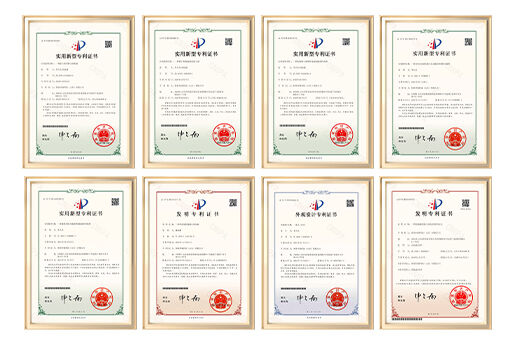
Yongsta R&D Team Wins 3 Dust Removal Technology Patents, Leading Industry Innovation

09

Apr

Yongsta R&D Team Wins 3 Dust Removal Technology Patents, Leading Industry Innovation

View More
Yongsta Cooperates with TUV for ATEX Explosion-Proof Certification, Explosion-Proof Dust Collector to Be Launched Soon

09

Apr

Yongsta Cooperates with TUV for ATEX Explosion-Proof Certification, Explosion-Proof Dust Collector to Be Launched Soon

View More
Empowering Benchmark Manufacturing! Yongsta Cartridge Dust Collector Aids Siemens Transformer China Factory's Dust Removal Renovation and Gains High Recognition

09

Apr

Empowering Benchmark Manufacturing! Yongsta Cartridge Dust Collector Aids Siemens Transformer China Factory's Dust Removal Renovation and Gains High Recognition

View More

Get a Free Quote

Our representative will contact you soon.
Email
Name
Company Name
Message
0/1000

oil fume filtration system

Advanced Multi-Stage Filtration Technology

Advanced Multi-Stage Filtration Technology

The oil fume filtration system employs sophisticated multi-stage filtration technology that addresses different types of contaminants through specialized treatment methods at each phase. The initial stage uses mechanical separation where larger grease droplets and solid particles encounter specially designed baffles or mesh filters that capture them through inertial impaction. As contaminated air flows through these barriers, heavier particles cannot follow the air stream's directional changes and instead collide with collection surfaces where they accumulate for later removal. This mechanical stage handles the bulk of visible grease, preventing downstream components from becoming overloaded. The second stage typically incorporates electrostatic precipitation technology, where high-voltage electrodes ionize remaining particles, giving them an electrical charge. These charged particles then migrate toward collection plates of opposite polarity, where electrostatic attraction holds them firmly in place. This electrical method captures submicron particles that mechanical filters cannot trap, including the fine oil mist that creates haze and contributes to odor problems. The electrostatic stage operates continuously without requiring replacement parts, as periodic washing restores full functionality to the collection plates. The final stage often features activated carbon filtration that adsorbs odor-causing volatile organic compounds through chemical attraction to the carbon's vast surface area. Each gram of activated carbon provides hundreds of square meters of adsorption surface, making it extremely effective at removing smell even when present in trace concentrations. The multi-stage approach ensures comprehensive treatment because no single technology effectively handles all contaminant types. Mechanical filters excel at large particles but allow fine mist to pass through. Electrostatic systems capture tiny droplets but may not eliminate all odors. Carbon filtration removes smells but cannot handle high grease loads. By combining these technologies in sequence, the oil fume filtration system achieves purification levels exceeding 95 percent for visible smoke and 90 percent for odor compounds. The staged design also provides redundancy, so if one component requires maintenance, the remaining stages continue providing substantial filtration. This technological sophistication distinguishes modern systems from simple exhaust fans that merely relocate pollution rather than eliminating it, offering genuine environmental protection and workplace improvement.
Intelligent Monitoring and Automated Operation

Intelligent Monitoring and Automated Operation

The oil fume filtration system incorporates intelligent monitoring capabilities that continuously assess performance parameters and automatically adjust operation to maintain optimal efficiency under varying conditions. Built-in sensors measure airflow velocity, pressure differential across filter stages, and air quality indicators including particulate concentration and volatile organic compound levels. This real-time data feeds into control algorithms that optimize fan speed, electrostatic field strength, and cleaning cycle timing based on actual contamination loads rather than fixed schedules. During periods of light cooking activity, the system reduces power consumption by lowering fan speeds while maintaining adequate capture velocity at cooking equipment. When sensors detect increased emissions from heavy cooking operations, the system immediately ramps up to full capacity, ensuring no smoke escapes into dining areas or surrounding neighborhoods. The automated cleaning function represents a significant operational advantage, as the system periodically flushes accumulated grease from collection surfaces without requiring manual intervention or system shutdown. Hot water or cleaning solution sprays across filter media and collection plates, dissolving grease deposits that then drain into collection containers for disposal. This self-cleaning capability maintains consistent performance between service intervals, preventing the efficiency degradation that occurs with passive filters as they become loaded with contaminants. The intelligent system also provides predictive maintenance alerts, analyzing performance trends to identify when components will require attention before failures occur. Dashboard displays or mobile applications give facility managers visibility into system status from anywhere, showing current operating parameters, energy consumption, and maintenance schedules. Historical data logging enables analysis of usage patterns, helping optimize kitchen ventilation strategies and identify opportunities for further efficiency improvements. The automation reduces labor costs associated with manual filter cleaning and eliminates the productivity losses that occur when ventilation systems fail during service hours. Staff members require minimal training to operate the oil fume filtration system, as the intelligent controls handle complex decisions automatically. Error detection algorithms identify abnormal conditions like blocked drains, failed sensors, or electrical issues, providing specific diagnostic information that speeds repair processes. The system can integrate with building management platforms, coordinating ventilation with HVAC systems to optimize overall energy usage while maintaining required air quality standards throughout the facility.
Comprehensive Safety and Compliance Benefits

Comprehensive Safety and Compliance Benefits

The oil fume filtration system delivers extensive safety improvements that protect both personnel and property while ensuring compliance with increasingly stringent environmental regulations. Fire prevention stands as the most critical safety benefit, as the system eliminates grease accumulation in exhaust ductwork that serves as fuel for devastating kitchen fires. Traditional exhaust systems allow grease-laden air to deposit residue throughout duct runs, creating combustible layers that ignite easily and burn intensely once started. These duct fires spread rapidly, often extending into wall cavities and roof structures before suppression systems can respond effectively. By capturing grease before it enters ductwork, the oil fume filtration system removes this fire hazard entirely, providing protection that passive filters cannot match. Insurance underwriters recognize this risk reduction, often requiring advanced filtration for coverage approval in high-volume cooking facilities or offering premium discounts when such systems are installed. The health and safety benefits extend to protecting workers from respiratory irritants and potential carcinogens present in cooking fumes. Research has documented that kitchen staff exposed to cooking emissions experience higher rates of respiratory conditions, and long-term exposure correlates with increased health risks. The oil fume filtration system creates healthier work environments by removing these harmful substances, demonstrating employer commitment to worker welfare and potentially reducing workers' compensation claims related to occupational exposure. Regulatory compliance becomes straightforward with documentation capabilities built into modern systems. Air quality regulations continue tightening globally, with many jurisdictions now requiring emission controls for commercial cooking operations. The oil fume filtration system meets these standards while providing the monitoring data and performance records that regulators require during inspections. Automated reporting functions generate compliance documentation, simplifying the administrative burden of demonstrating adherence to environmental permits. Odor control addresses another regulatory concern, as nuisance odor complaints can trigger enforcement actions even when emissions meet technical standards for particulate matter. The activated carbon stage specifically targets odor compounds, preventing the neighborhood impacts that generate complaints and potential legal challenges. Property protection benefits emerge from preventing grease deposition on building exteriors, roofing membranes, and HVAC equipment. Grease exposure degrades roofing materials, corrodes metal surfaces, and clogs outdoor air intakes, creating maintenance expenses and premature replacement costs. The oil fume filtration system eliminates these impacts, preserving building value and reducing facility operating costs over the long term.

Get a Free Quote

Our representative will contact you soon.
Email
Name
Company Name
Message
0/1000
email goToTop