Oil Fume Filter for Machining - Advanced Filtration Systems for Clean Manufacturing Environments

Get a Free Quote

Our representative will contact you soon.
Email
Name
Company Name
Message
0/1000

oil fume filter for machining

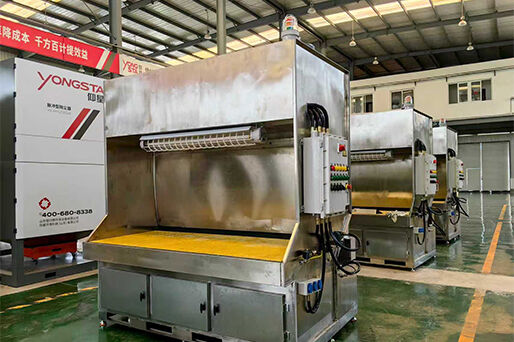
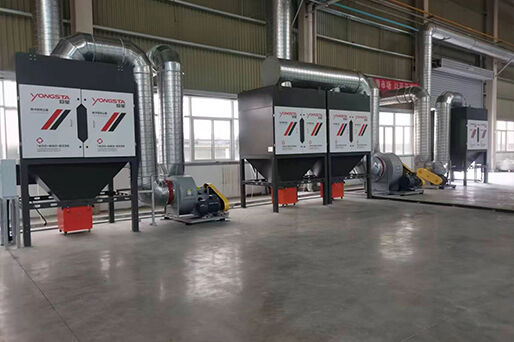
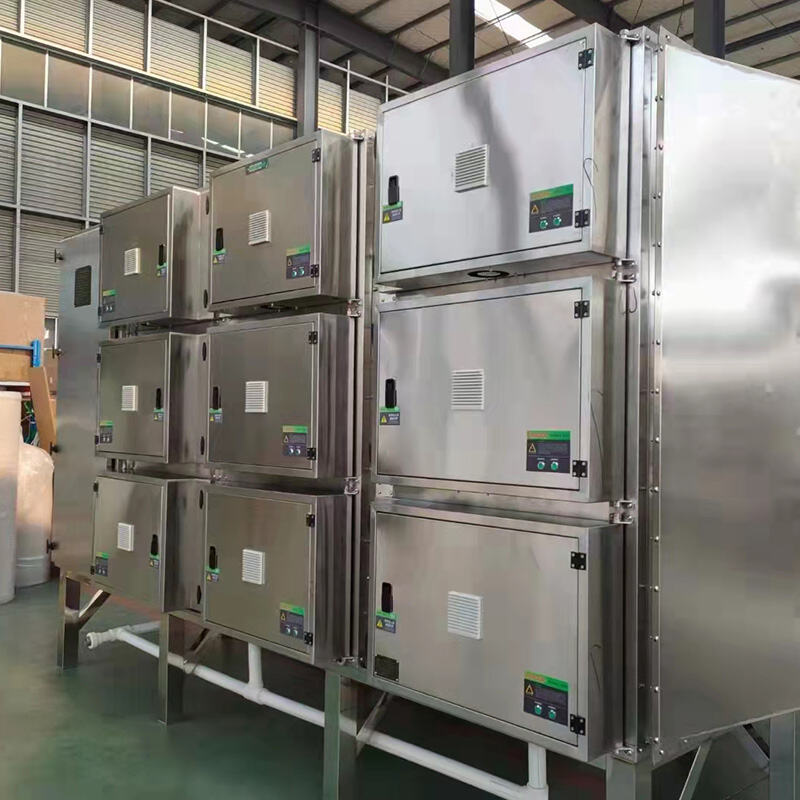
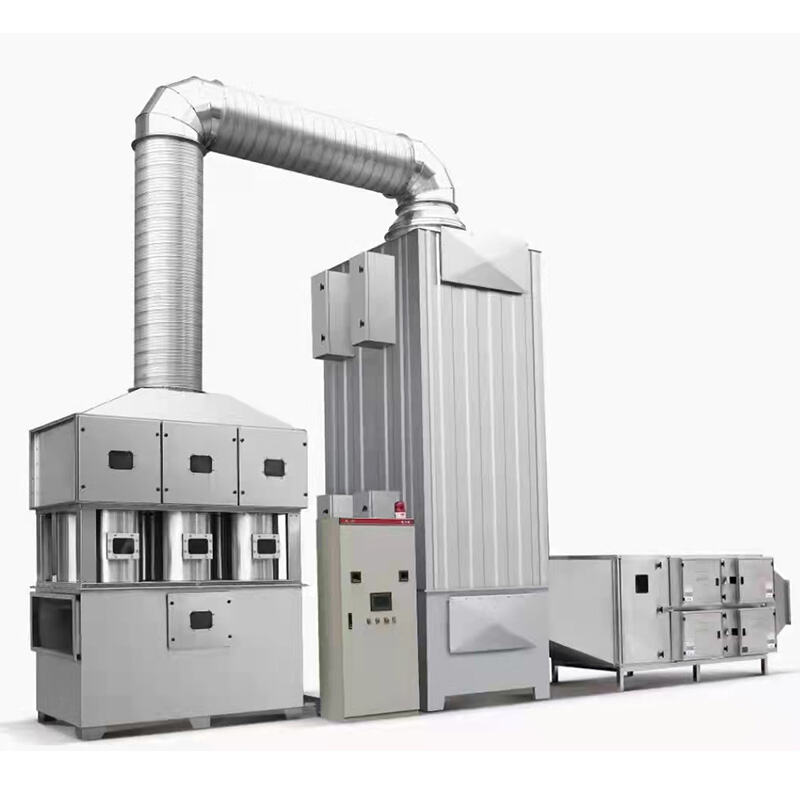
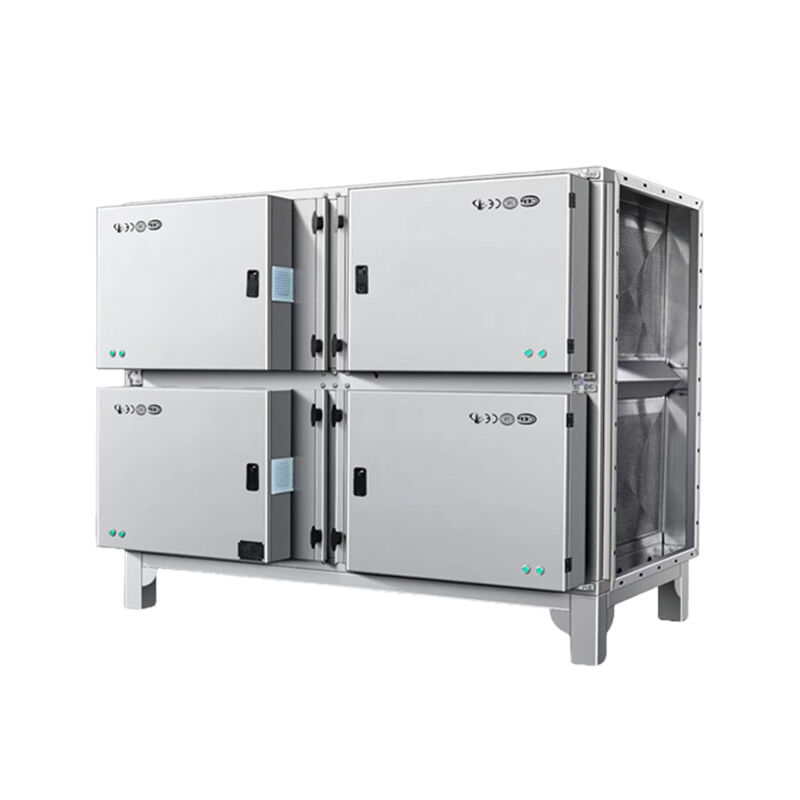
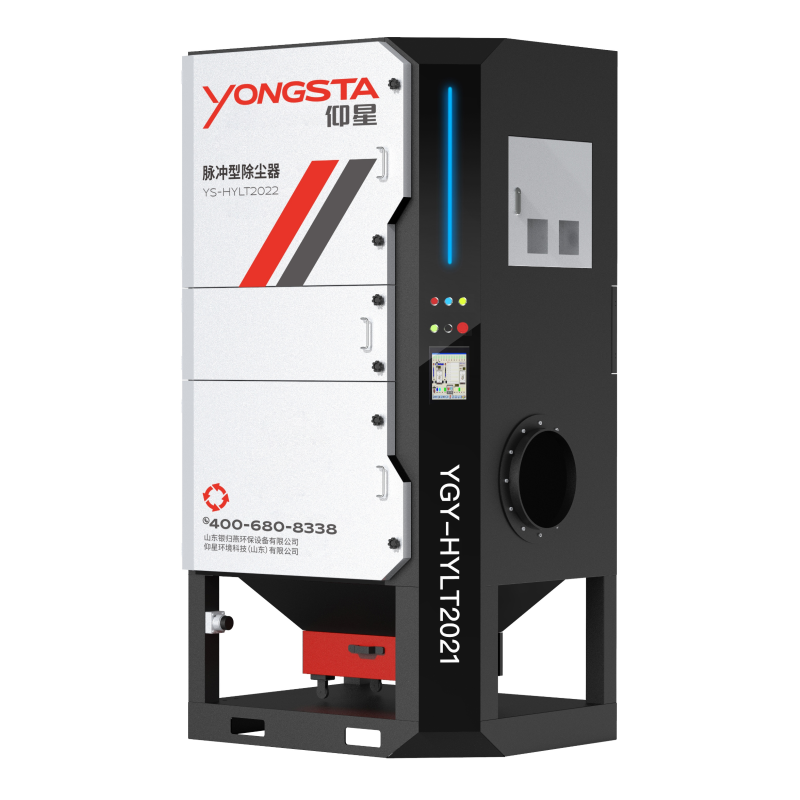
An oil fume filter for machining represents a critical environmental control system designed to capture and eliminate airborne contaminants generated during metalworking operations. These specialized filtration units address the persistent challenge of oil mist, smoke, and particulate matter that emerges when cutting fluids, lubricants, and coolants interact with high-speed machining processes. The oil fume filter for machining operates through multi-stage filtration technology, combining mechanical separation, coalescence, and advanced media filtration to achieve removal efficiencies exceeding 99 percent for particles as small as 0.3 microns. The primary function of an oil fume filter for machining involves protecting worker health by maintaining clean breathing air within manufacturing facilities, while simultaneously preventing oil accumulation on machinery, floors, and products that can compromise quality and safety. These systems integrate seamlessly with CNC machines, grinding equipment, turning centers, and milling operations, capturing emissions directly at the source before contaminants disperse throughout the workspace. Modern oil fume filter for machining units incorporate intelligent monitoring systems that track filter saturation levels, airflow rates, and operational efficiency, providing real-time data to maintenance teams. The technological architecture typically includes pre-filters for large particle capture, high-efficiency coalescers that merge fine oil droplets into larger masses for easier removal, and final-stage HEPA or activated carbon filters for residual vapor treatment. Applications span automotive component manufacturing, aerospace precision machining, medical device production, and general metalworking facilities where cutting operations generate significant oil mist. The oil fume filter for machining delivers measurable returns through reduced cleaning costs, lower coolant consumption via recirculation capabilities, decreased HVAC expenses from conditioned air retention, and compliance with increasingly stringent occupational exposure limits. Installation flexibility allows for centralized systems serving multiple machines or dedicated units for individual high-emission equipment, with ducting configurations adaptable to existing facility layouts without extensive modifications.

New Product Recommendations

The oil fume filter for machining delivers immediate improvements to workplace conditions by removing harmful airborne particles that would otherwise settle on surfaces, equipment, and within workers' respiratory systems. Employees experience noticeably cleaner air, reducing eye irritation, respiratory discomfort, and the unpleasant odors associated with vaporized cutting fluids. This enhanced environment translates directly to better focus, fewer health-related absences, and improved morale among machine operators who spend entire shifts near emission sources. Facility managers appreciate how the oil fume filter for machining eliminates the constant battle against oily residue that coats floors, creating slip hazards, and accumulates on walls, windows, and lighting fixtures. Cleaning crews spend significantly less time wiping down surfaces, and the frequency of deep cleaning operations drops substantially, freeing labor resources for more productive activities. The financial benefits extend beyond labor savings, as the oil fume filter for machining protects expensive machinery from oil buildup that degrades precision components, clogs ventilation systems, and accelerates wear on moving parts. Maintenance intervals lengthen when equipment operates in cleaner conditions, and unexpected breakdowns related to contamination decrease measurably. Energy costs decline because facilities no longer exhaust conditioned air to manage fume levels, instead recirculating filtered air back into the workspace. The oil fume filter for machining captures and returns valuable cutting fluid to the machining process, reducing coolant purchases and disposal expenses while supporting sustainability initiatives. Product quality improves when oil mist cannot settle on finished parts, eliminating defects, rework, and customer complaints related to contamination. Regulatory compliance becomes straightforward with the oil fume filter for machining actively controlling exposure levels below OSHA permissible limits and meeting EPA air quality standards without complex monitoring programs. Insurance providers often recognize these proactive safety measures with reduced premiums, while the documented commitment to worker protection strengthens employer reputation during talent recruitment. The oil fume filter for machining operates quietly compared to traditional exhaust systems, reducing ambient noise levels that contribute to worker fatigue. Installation requires minimal disruption to ongoing operations, with most systems becoming operational within days rather than weeks. Modern units feature intuitive controls that require little training, and automated maintenance alerts prevent filter saturation from compromising performance. The compact footprint of contemporary oil fume filter for machining designs preserves valuable floor space, with vertical mounting options and modular configurations that adapt to facility growth. Return on investment typically occurs within 18 to 24 months through combined savings in cleaning, maintenance, coolant, energy, and health costs, making the oil fume filter for machining a financially sound decision that simultaneously addresses environmental responsibility and workforce welfare.

Practical Tips

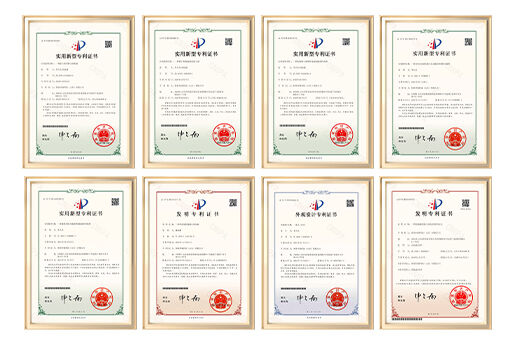
Yongsta R&D Team Wins 3 Dust Removal Technology Patents, Leading Industry Innovation

09

Apr

Yongsta R&D Team Wins 3 Dust Removal Technology Patents, Leading Industry Innovation

View More
Yongsta Cooperates with TUV for ATEX Explosion-Proof Certification, Explosion-Proof Dust Collector to Be Launched Soon

09

Apr

Yongsta Cooperates with TUV for ATEX Explosion-Proof Certification, Explosion-Proof Dust Collector to Be Launched Soon

View More
Empowering Benchmark Manufacturing! Yongsta Cartridge Dust Collector Aids Siemens Transformer China Factory's Dust Removal Renovation and Gains High Recognition

09

Apr

Empowering Benchmark Manufacturing! Yongsta Cartridge Dust Collector Aids Siemens Transformer China Factory's Dust Removal Renovation and Gains High Recognition

View More

Get a Free Quote

Our representative will contact you soon.
Email
Name
Company Name
Message
0/1000

oil fume filter for machining

Advanced Multi-Stage Filtration Technology Ensures Maximum Contaminant Removal

Advanced Multi-Stage Filtration Technology Ensures Maximum Contaminant Removal

The oil fume filter for machining employs sophisticated multi-stage filtration architecture that systematically addresses different contaminant types and particle sizes generated during metalworking operations. The first stage utilizes mechanical impaction and inertial separation to capture larger particles and droplets, preventing these from overwhelming downstream filtration media and extending overall system life. This pre-filtration stage removes particles typically ranging from 10 to 100 microns, including metal chips, large coolant droplets, and debris that would otherwise clog finer filters. The second stage introduces coalescing technology, where specially engineered media forces fine oil mist particles to collide and merge into larger droplets through tortuous path design and electrostatic attraction. As submicron oil particles pass through the coalescing filter, they encounter fibers that capture and hold them until sufficient mass accumulates to form droplets heavy enough to drain by gravity into collection reservoirs. This coalescing action proves particularly effective for the challenging 0.3 to 3 micron particle range that comprises the majority of respirable oil mist in machining environments. The oil fume filter for machining then directs airflow through high-efficiency particulate air filters or activated carbon stages that capture residual vapors, odors, and the finest particles that escaped earlier stages. This final polishing ensures that discharged air meets or exceeds indoor air quality standards, making it safe for recirculation into the workspace. The multi-stage approach delivers removal efficiencies exceeding 99.97 percent for particles down to 0.3 microns, effectively eliminating visible haze and invisible health hazards simultaneously. Each filtration stage operates at optimized velocities that balance capture efficiency against pressure drop, ensuring the oil fume filter for machining maintains adequate airflow without excessive energy consumption. The separated oil drains continuously into collection tanks where it can be analyzed for quality and potentially returned to machining sumps, recovering valuable cutting fluid that would otherwise be lost to exhaust systems. Filter media selection considers the specific chemistry of cutting fluids used in each facility, with options for synthetic, semi-synthetic, and straight oil applications. The oil fume filter for machining incorporates differential pressure monitoring across each stage, providing early warning when filters approach saturation and require service. This intelligent monitoring prevents performance degradation and ensures consistent protection throughout the service interval. Maintenance simplicity represents another advantage of the multi-stage design, as each filter element can be accessed and replaced independently without system shutdown, minimizing downtime. The oil fume filter for machining uses standardized filter formats that are readily available from multiple suppliers, avoiding proprietary lock-in and ensuring competitive replacement costs. The robust construction of filter housings withstands the corrosive nature of oil mist and chemical vapors, utilizing materials like powder-coated steel, stainless steel, or corrosion-resistant polymers depending on application severity.
Source Capture Design Prevents Contamination Spread Throughout Facilities

Source Capture Design Prevents Contamination Spread Throughout Facilities

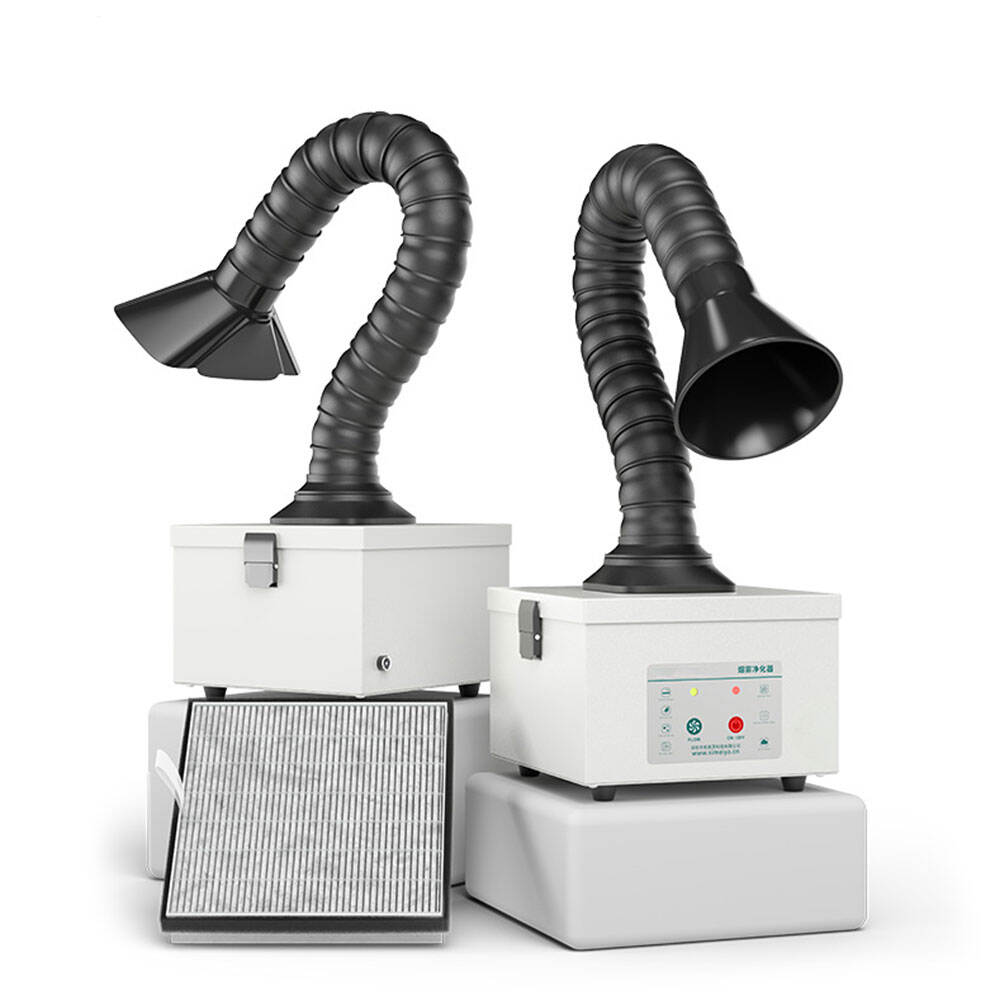
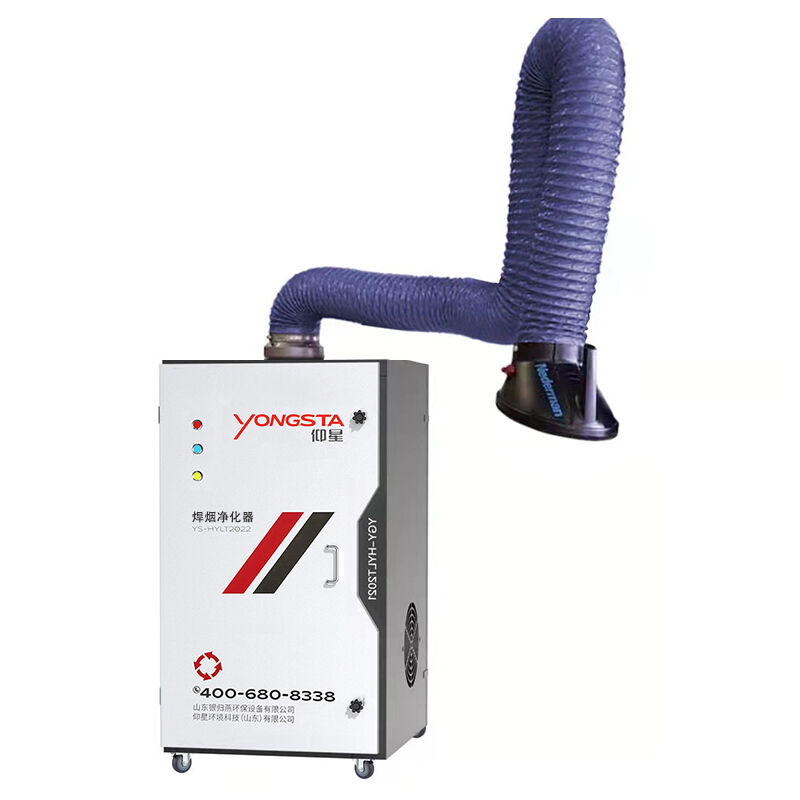
The oil fume filter for machining implements source capture methodology that intercepts contaminants at their point of generation, before they can disperse into the broader workspace and create widespread contamination problems. This approach positions collection hoods, enclosures, or direct machine connections immediately adjacent to cutting zones where oil mist and smoke emerge during machining operations. By capturing emissions within inches of their source, the oil fume filter for machining achieves dramatically higher collection efficiency compared to ambient air cleaning systems that attempt to filter entire room volumes. Source capture requires significantly less airflow to achieve equivalent or superior results, as the system only processes the concentrated emission stream rather than diluted contamination mixed with large volumes of room air. This targeted approach reduces the size and cost of filtration equipment while lowering energy consumption for fans and blowers. The oil fume filter for machining connects to CNC machines through flexible ducting that accommodates machine movement and tool changes without restricting operator access or interfering with workpiece loading. Enclosure designs range from simple hoods positioned above open machining areas to complete machine shrouds that contain emissions while maintaining visibility through transparent panels. The negative pressure created by the oil fume filter for machining ensures that any leakage flows inward toward the collection point rather than outward into the workspace, providing an additional safety margin against exposure. Capture velocity calculations account for the thermal buoyancy of heated oil mist, the momentum of particles ejected from high-speed cutting operations, and the cross-drafts present in typical manufacturing environments. Properly designed source capture systems maintain face velocities between 100 and 200 feet per minute at hood openings, sufficient to overcome these dispersive forces without creating excessive turbulence that might interfere with machining precision. The oil fume filter for machining allows for multiple machine connections through manifold systems, enabling a single filtration unit to serve several emission points while maintaining adequate capture at each location. Dampers and flow balancing devices ensure equitable distribution of suction across all connected machines, preventing situations where one machine starves others of necessary airflow. The modular nature of source capture installations means facilities can start with critical high-emission machines and expand coverage as budget permits, rather than requiring complete facility-wide implementation from the outset. The oil fume filter for machining preserves conditioned air within the facility by recirculating filtered air rather than exhausting it outdoors, a significant advantage in climates requiring heating or cooling. This closed-loop operation eliminates the need for makeup air systems that would otherwise be required to replace exhausted volumes, avoiding the energy costs and equipment complexity associated with tempering incoming outdoor air. Source capture also concentrates collected oil for easier recovery and recycling, as the higher contaminant loading in the captured air stream yields more reclaimable cutting fluid per unit of processed air. The oil fume filter for machining reduces noise transmission from machining operations by incorporating sound-attenuating materials in ductwork and enclosures, contributing to overall workplace comfort. Installation flexibility accommodates retrofit applications in existing facilities without major structural modifications, using ceiling-mounted units, floor-standing configurations, or machine-integrated designs depending on available space and facility layout.
Intelligent Monitoring and Automated Maintenance Alerts Optimize Performance

Intelligent Monitoring and Automated Maintenance Alerts Optimize Performance

The oil fume filter for machining incorporates advanced monitoring systems that continuously track operational parameters and provide actionable intelligence to maintenance teams, ensuring consistent performance and preventing unexpected failures. Differential pressure sensors measure the resistance across each filter stage, detecting the gradual increase that occurs as filters load with captured contaminants. When pressure drop reaches predetermined thresholds, the oil fume filter for machining triggers visual and audible alerts, notifying operators that filter replacement should be scheduled before performance degrades. This predictive maintenance approach prevents situations where saturated filters restrict airflow, reducing capture efficiency and allowing contaminants to escape into the workspace. The monitoring system logs pressure trends over time, enabling facilities to establish accurate service intervals based on actual operating conditions rather than arbitrary calendar schedules. Airflow sensors verify that the oil fume filter for machining maintains design velocities at capture points, alerting to blockages, fan problems, or damper malfunctions that might compromise collection effectiveness. Some advanced systems integrate with facility building management systems, providing centralized visibility into filtration performance across multiple units and enabling remote monitoring by maintenance staff. The oil fume filter for machining can transmit performance data to cloud-based platforms where analytics algorithms identify patterns, predict remaining filter life, and optimize replacement schedules to minimize costs while maintaining protection. Hour meters track actual operating time, distinguishing between facilities running single shifts versus continuous operations, ensuring maintenance recommendations reflect real usage rather than elapsed calendar time. Filter saturation indicators use color-changing media or electronic sensors to provide visual confirmation of filter condition, allowing quick assessment during routine inspections without requiring pressure gauge interpretation. The oil fume filter for machining features automated filter cleaning systems in some configurations, using pulse-jet technology or mechanical shaking to dislodge accumulated particles and extend service intervals. These self-cleaning mechanisms prove particularly valuable in high-loading applications where manual filter changes would otherwise occur frequently, reducing maintenance labor and filter replacement costs. The monitoring system can interface with machine tool controllers, automatically reducing machining parameters or pausing operations if filtration performance falls below safe thresholds, preventing worker exposure during filter failure scenarios. The oil fume filter for machining stores historical performance data that proves invaluable during troubleshooting, revealing correlations between machining parameters, coolant types, and filter loading rates. This information guides process optimization efforts, potentially identifying opportunities to reduce mist generation through cutting parameter adjustments or coolant formulation changes. Maintenance scheduling becomes more efficient as the system generates work orders automatically when service is required, integrating with computerized maintenance management systems used by many facilities. The oil fume filter for machining provides diagnostic capabilities that distinguish between normal filter loading and abnormal conditions like coolant leaks, excessive mist generation from worn machine seals, or improper cutting parameters. Remote diagnostic support from equipment manufacturers becomes possible when monitoring systems connect to internet-enabled platforms, allowing expert troubleshooting without site visits. Energy monitoring features track power consumption, helping facilities understand operating costs and identify opportunities for efficiency improvements through fan speed optimization or operating schedule adjustments. The oil fume filter for machining can modulate fan speed based on actual emission levels, reducing energy consumption during periods of light machining or machine idle time while maintaining full capacity during heavy cutting operations.

Get a Free Quote

Our representative will contact you soon.
Email
Name
Company Name
Message
0/1000
email goToTop