Industrial Oil Fume Purifier - Advanced Air Filtration Systems for Manufacturing Facilities

Get a Free Quote

Our representative will contact you soon.
Email
Name
Company Name
Message
0/1000

industrial oil fume purifier

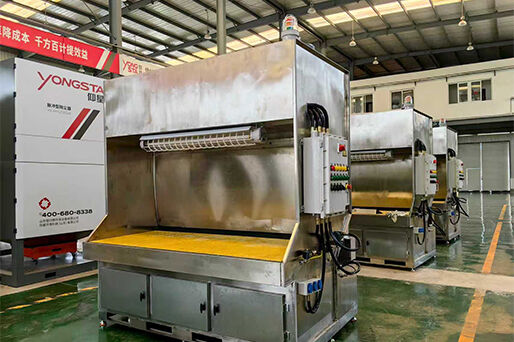
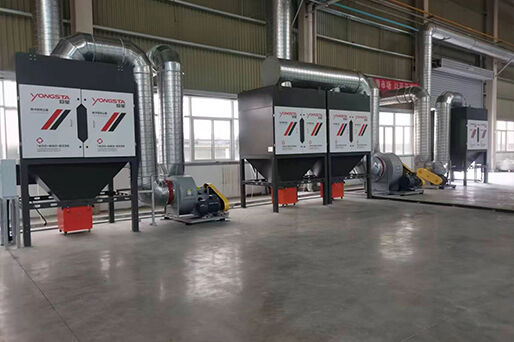
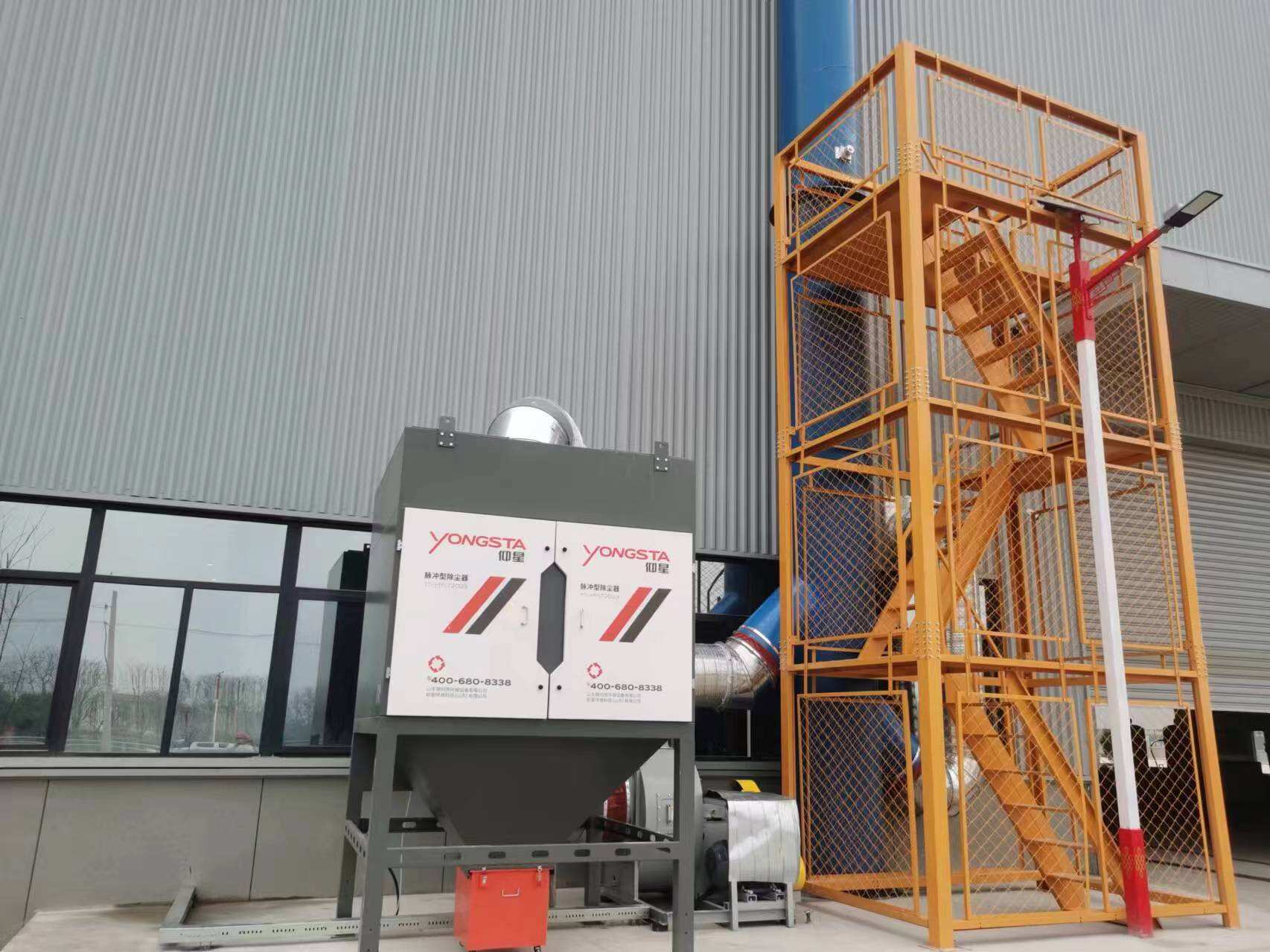
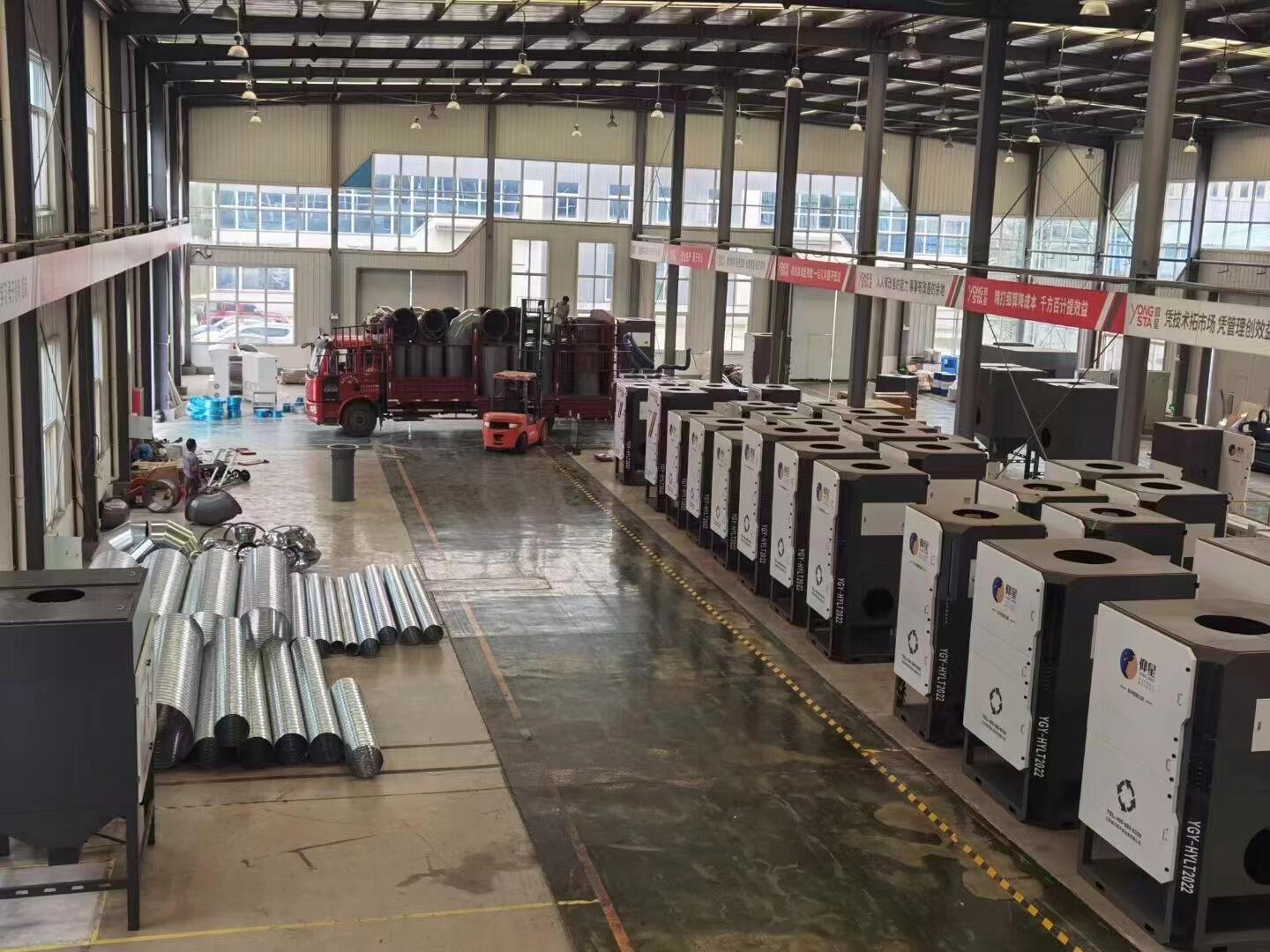
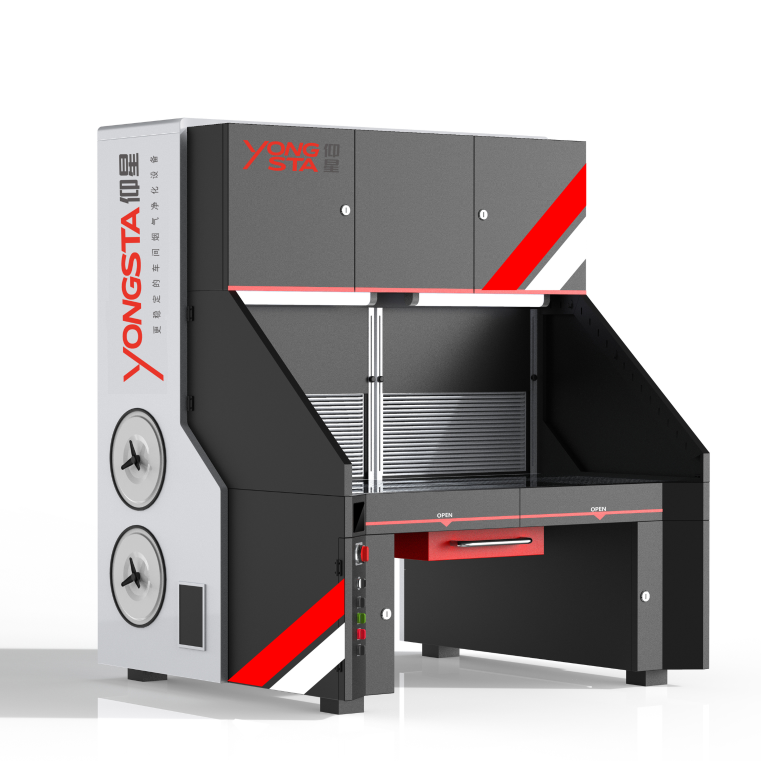
An industrial oil fume purifier represents a critical piece of equipment designed to capture, filter, and eliminate airborne contaminants generated during manufacturing processes. These systems address the persistent challenge of oil mist, smoke, and particulate matter that accumulates in production facilities where metalworking, machining, cooking, or chemical processing occurs. The primary function centers on protecting worker health by removing harmful particles from breathing zones while simultaneously maintaining clean air quality throughout the workspace. Modern industrial oil fume purifier units employ multi-stage filtration technology that combines mechanical separation, electrostatic precipitation, and activated carbon absorption to achieve removal efficiencies exceeding 95 percent for particles as small as 0.3 microns. The technological framework incorporates intelligent sensors that monitor air quality in real-time, automatically adjusting fan speeds and filtration intensity based on contamination levels detected within the environment. These purification systems integrate seamlessly into existing ventilation infrastructure, offering flexible installation options including ceiling-mounted, wall-mounted, and standalone configurations to accommodate diverse facility layouts. Applications span numerous industries including automotive manufacturing plants where cutting fluids generate persistent mist, commercial kitchens producing heavy grease-laden vapors, plastic injection molding facilities releasing polymer fumes, and metalworking shops creating oil smoke during grinding and machining operations. The industrial oil fume purifier serves food processing plants, pharmaceutical manufacturing cleanrooms, electronics assembly facilities, and any environment where airborne oil particles threaten product quality or employee wellbeing. Energy efficiency remains a cornerstone feature, with variable frequency drives reducing power consumption during low-demand periods while maintaining optimal purification performance. Maintenance accessibility has been engineered into contemporary designs, allowing technicians to replace filter cartridges and clean collection chambers without specialized tools or extended downtime. The equipment complies with stringent environmental regulations governing workplace air quality and emissions standards, helping facilities avoid penalties while demonstrating corporate responsibility toward employee safety and environmental stewardship.

New Product Recommendations

Investing in an industrial oil fume purifier delivers immediate and measurable improvements to your facility operations. Worker productivity increases when employees breathe cleaner air, reducing respiratory complaints, headaches, and fatigue that commonly plague environments with poor air quality. Medical costs decrease as fewer workers develop chronic respiratory conditions linked to prolonged exposure to oil mist and particulate matter. The equipment protects expensive machinery and electronic components from oil film accumulation that causes premature failure, corrosion, and malfunction, extending equipment lifespan and reducing replacement expenses. Facility cleanliness improves dramatically as the purifier captures contaminants before they settle on floors, walls, and products, cutting cleaning labor hours and chemical costs while maintaining a more professional appearance for client visits and inspections. Energy savings accumulate over time because modern units consume significantly less power than traditional exhaust systems that continuously expel conditioned air, forcing HVAC systems to work harder maintaining temperature and humidity levels. The industrial oil fume purifier recirculates cleaned air back into the workspace, retaining heating and cooling investments rather than venting them outdoors. Regulatory compliance becomes straightforward as these systems help facilities meet OSHA air quality standards and EPA emission requirements, avoiding costly fines and potential shutdown orders. Insurance premiums may decrease when carriers recognize proactive air quality management reduces liability exposure and worker compensation claims. Product quality improves in manufacturing environments where oil contamination previously caused defects, rejects, and customer complaints, protecting brand reputation and reducing waste. The quiet operation of contemporary models eliminates the disruptive noise associated with older exhaust fans, creating a more comfortable work environment that supports concentration and communication. Installation flexibility means you can position units exactly where contamination occurs rather than relying on distant exhaust points that allow pollutants to spread throughout the facility. Smart monitoring capabilities provide data-driven insights into air quality trends, helping managers identify problem processes and optimize production schedules to minimize exposure. The compact footprint of modern industrial oil fume purifier designs maximizes usable floor space compared to bulky ductwork systems. Return on investment typically occurs within 18 to 36 months through combined savings in energy, maintenance, healthcare, and productivity improvements. Environmental benefits extend beyond regulatory compliance, reducing your carbon footprint and supporting sustainability initiatives that increasingly influence customer purchasing decisions and corporate partnerships.

Latest News

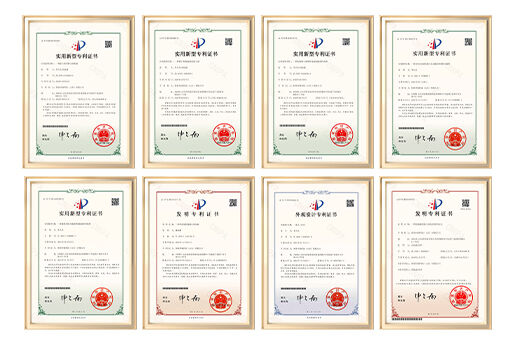
Yongsta R&D Team Wins 3 Dust Removal Technology Patents, Leading Industry Innovation

09

Apr

Yongsta R&D Team Wins 3 Dust Removal Technology Patents, Leading Industry Innovation

View More
Yongsta Cooperates with TUV for ATEX Explosion-Proof Certification, Explosion-Proof Dust Collector to Be Launched Soon

09

Apr

Yongsta Cooperates with TUV for ATEX Explosion-Proof Certification, Explosion-Proof Dust Collector to Be Launched Soon

View More
Empowering Benchmark Manufacturing! Yongsta Cartridge Dust Collector Aids Siemens Transformer China Factory's Dust Removal Renovation and Gains High Recognition

09

Apr

Empowering Benchmark Manufacturing! Yongsta Cartridge Dust Collector Aids Siemens Transformer China Factory's Dust Removal Renovation and Gains High Recognition

View More

Get a Free Quote

Our representative will contact you soon.
Email
Name
Company Name
Message
0/1000

industrial oil fume purifier

Advanced Multi-Stage Filtration Technology Ensures Maximum Contaminant Removal

Advanced Multi-Stage Filtration Technology Ensures Maximum Contaminant Removal

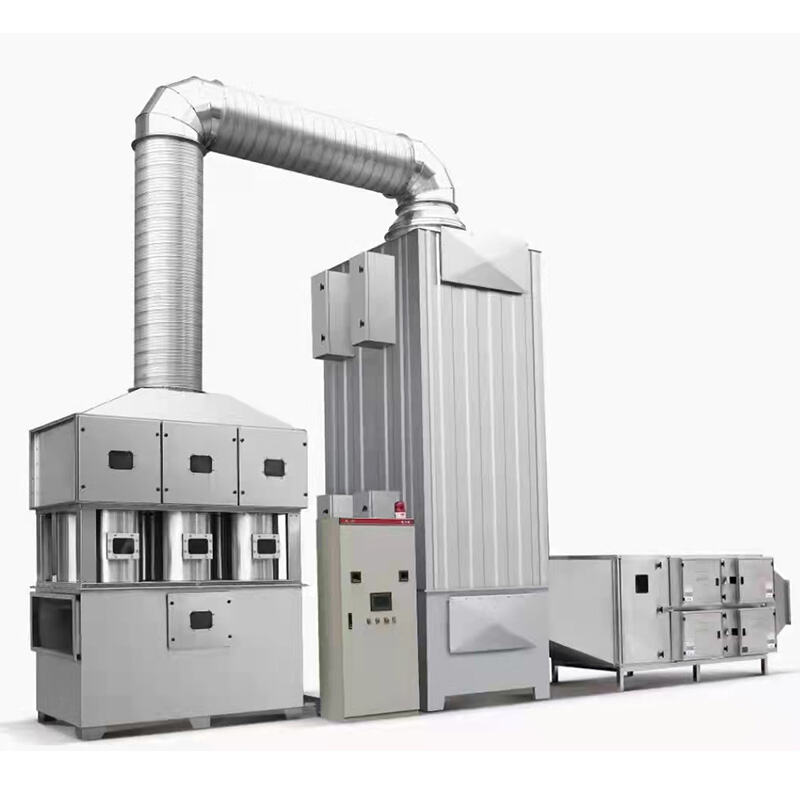
The industrial oil fume purifier employs a sophisticated multi-stage filtration approach that systematically removes contaminants of varying sizes and compositions from your facility air. The first stage utilizes mechanical separation where larger oil droplets and particles encounter specially designed baffles and impingement surfaces that cause them to coalesce and drain into collection reservoirs. This pre-filtration stage captures approximately 60 to 70 percent of contaminants by mass, significantly reducing the burden on downstream filtration components and extending their service life. The second stage introduces electrostatic precipitation technology where remaining particles pass through a high-voltage ionization field that imparts an electrical charge, causing them to attract to oppositely charged collection plates. This electrostatic stage achieves removal efficiency exceeding 90 percent for particles in the challenging 0.3 to 1.0 micron range that often escapes conventional filters. The third stage incorporates activated carbon absorption beds that capture volatile organic compounds, odors, and gaseous contaminants that mechanical and electrostatic methods cannot address. The carbon media features an enormous surface area with microscopic pores that trap molecular-level pollutants through adsorption, eliminating the characteristic smell associated with oil mist and chemical vapors. Some advanced industrial oil fume purifier models include a final HEPA filtration stage that captures any remaining submicron particles, delivering air quality suitable for cleanroom environments and sensitive manufacturing processes. The layered approach ensures comprehensive contaminant removal while optimizing energy consumption because each stage targets specific particle sizes and types using the most efficient method for that category. Filter media longevity increases substantially compared to single-stage systems because the workload distributes across multiple components rather than overwhelming a single filter element. Maintenance intervals extend to quarterly or semi-annual schedules for most applications, minimizing operational disruptions and labor costs. The modular filter design allows selective replacement of individual stages based on actual wear rather than replacing the entire filtration assembly, reducing consumable expenses. Pressure differential sensors monitor each filtration stage independently, alerting operators when specific components require attention rather than waiting for overall system performance to degrade. This intelligent monitoring prevents unexpected failures and allows maintenance scheduling during planned downtime rather than emergency shutdowns.
Energy-Efficient Operation Reduces Operating Costs While Maintaining Performance

Energy-Efficient Operation Reduces Operating Costs While Maintaining Performance

Modern industrial oil fume purifier systems incorporate variable frequency drive technology that dynamically adjusts motor speed and airflow based on real-time contamination levels detected by integrated sensors. This intelligent operation contrasts sharply with older constant-speed exhaust systems that run continuously at maximum capacity regardless of actual air quality needs, wasting substantial energy during periods of low production activity or minimal contamination generation. The variable speed capability allows the purifier to ramp up during heavy machining operations when oil mist production peaks, then reduce to minimal flow during breaks, shift changes, or light-duty work, cutting energy consumption by 40 to 60 percent compared to fixed-speed alternatives. The recirculation design represents another critical efficiency advantage because the industrial oil fume purifier cleans contaminated air and returns it to the workspace rather than exhausting it outdoors. Traditional exhaust systems continuously expel conditioned air that your HVAC system worked to heat or cool, forcing climate control equipment to process replacement air drawn from outside. In winter months, this means constantly heating cold outdoor air to comfortable temperatures, while summer operation requires cooling and dehumidifying hot, humid incoming air. By recirculating cleaned air, the purifier retains your climate control investment, dramatically reducing HVAC energy demands and associated costs. Facilities in extreme climates see particularly dramatic savings, with some operations reporting 50 percent reductions in heating and cooling expenses after installing recirculating purification systems. The compact, efficient motor designs in contemporary units consume less power per cubic foot of air processed compared to older technology, with premium models featuring electronically commutated motors that achieve efficiency ratings exceeding 90 percent. Aerodynamic fan blade designs minimize turbulence and pressure losses, allowing the system to move required air volumes with less energy input. Smooth internal airflow paths reduce resistance, further decreasing power requirements while maintaining purification effectiveness. The cumulative energy savings translate directly to reduced operating expenses, with typical facilities recovering equipment costs through energy savings alone within two to four years. Environmental benefits accompany financial savings as reduced energy consumption lowers carbon emissions and supports corporate sustainability goals. Utility rebates and incentive programs often subsidize industrial oil fume purifier installations because utilities recognize the demand reduction benefits, potentially covering 15 to 30 percent of equipment costs in participating regions.
Flexible Installation Options Accommodate Diverse Facility Requirements

Flexible Installation Options Accommodate Diverse Facility Requirements

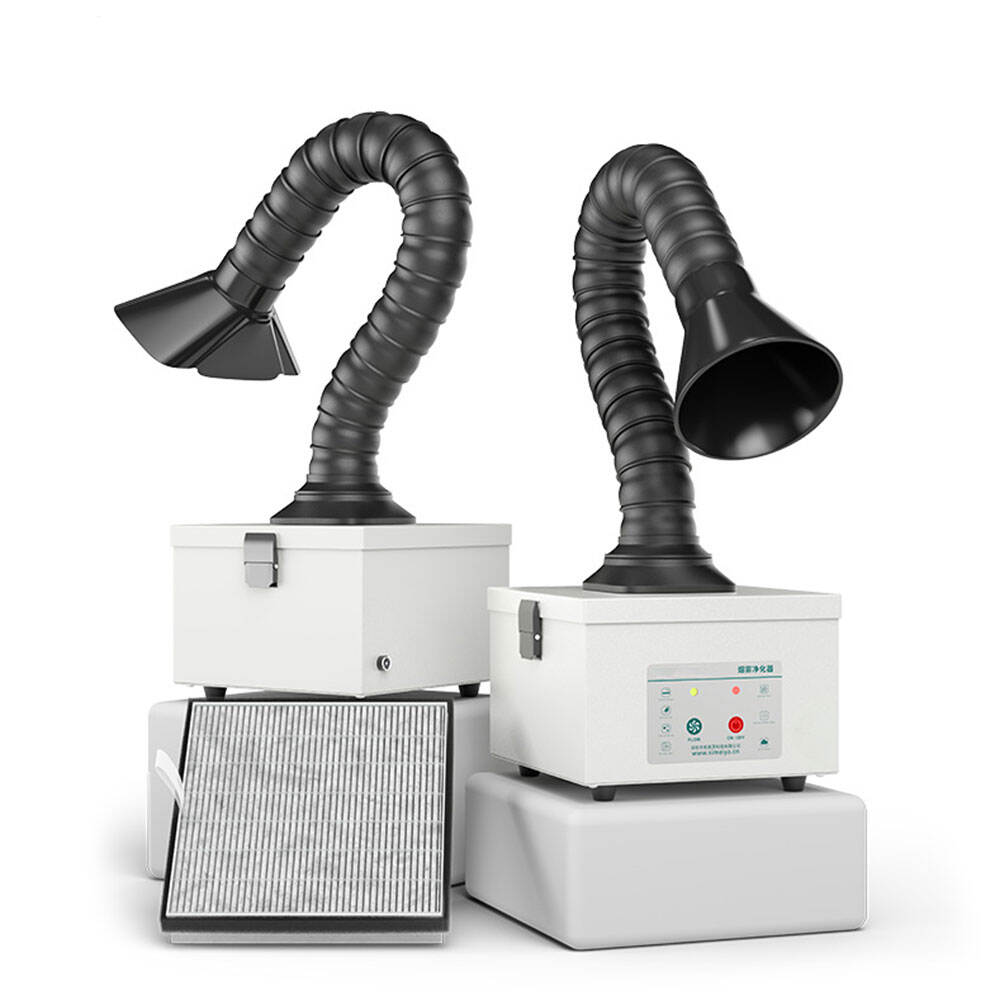
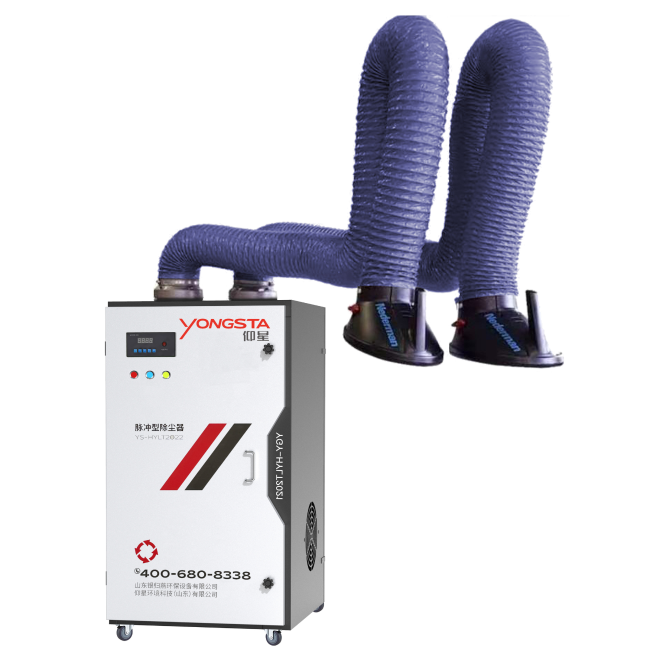
The industrial oil fume purifier offers unprecedented installation flexibility, allowing facilities to position purification capacity exactly where contamination occurs rather than relying on centralized exhaust systems that require extensive ductwork and often fail to capture pollutants at their source. Ceiling-mounted configurations suspend units overhead in areas with limited floor space, keeping walkways clear while positioning intake ports near rising thermal plumes that naturally carry oil mist and fumes upward from machinery and processes. Wall-mounted installations attach to structural columns or exterior walls, ideal for facilities with low ceilings or where overhead obstructions prevent ceiling mounting. Standalone mobile units on caster wheels provide ultimate flexibility, allowing operators to reposition purification capacity as production layouts change or to address temporary high-contamination situations during specific projects or seasonal production peaks. Ducted connection options enable the industrial oil fume purifier to serve multiple contamination sources through a network of intake hoods and ductwork, centralizing filtration while maintaining source capture effectiveness. Modular capacity scaling allows facilities to start with a single unit addressing the most problematic area, then add additional purifiers as budget permits or production expands, avoiding the large upfront investment required for comprehensive exhaust system installations. The compact footprint of modern designs maximizes usable production space, with some units occupying less than 10 square feet of floor area while processing thousands of cubic feet per minute. Quick-disconnect fittings and plug-and-play electrical connections enable installation in hours rather than the days or weeks required for traditional exhaust system construction, minimizing production disruptions during implementation. Retrofit applications prove particularly straightforward because the industrial oil fume purifier requires no structural modifications, roof penetrations, or extensive electrical work that older buildings often cannot accommodate without expensive upgrades. Rental options provide temporary purification capacity during facility renovations, emergency situations, or trial periods to demonstrate value before committing to purchase. The self-contained design eliminates the need for external makeup air systems, simplifying installation and reducing total project costs. Noise levels remain low enough for installation near workstations without disrupting communication or concentration, unlike loud exhaust fans that force relocation of equipment away from workers. Aesthetic considerations receive attention in contemporary designs, with powder-coated finishes and clean lines that maintain professional facility appearance rather than the industrial look of exposed ductwork and exhaust hoods.

Get a Free Quote

Our representative will contact you soon.
Email
Name
Company Name
Message
0/1000
email goToTop