Industrial Oil Mist and Fume Purifier Systems - Advanced Air Filtration Solutions for Manufacturing

Get a Free Quote

Our representative will contact you soon.
Email
Name
Company Name
Message
0/1000

oil mist and fume purifier

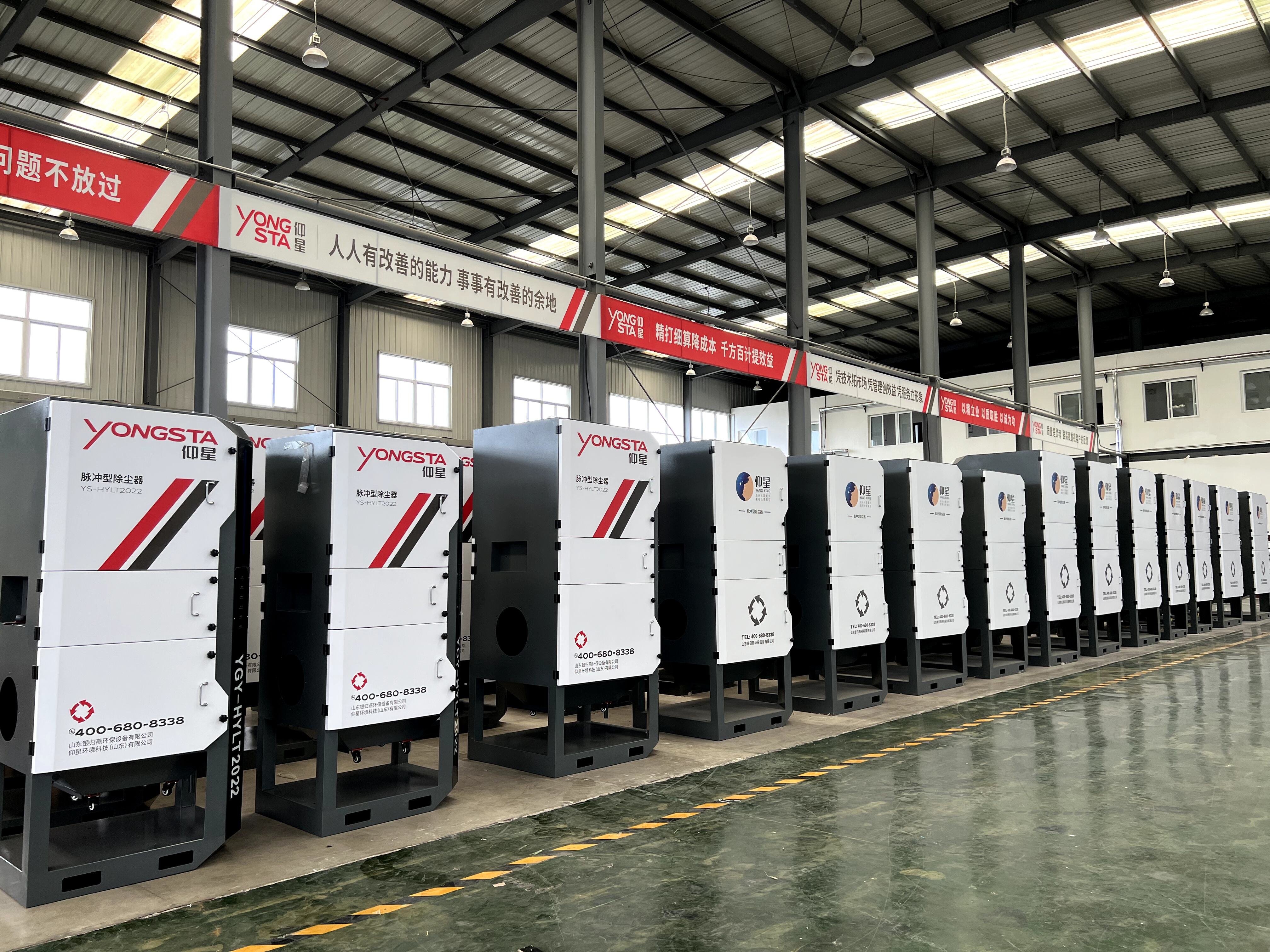
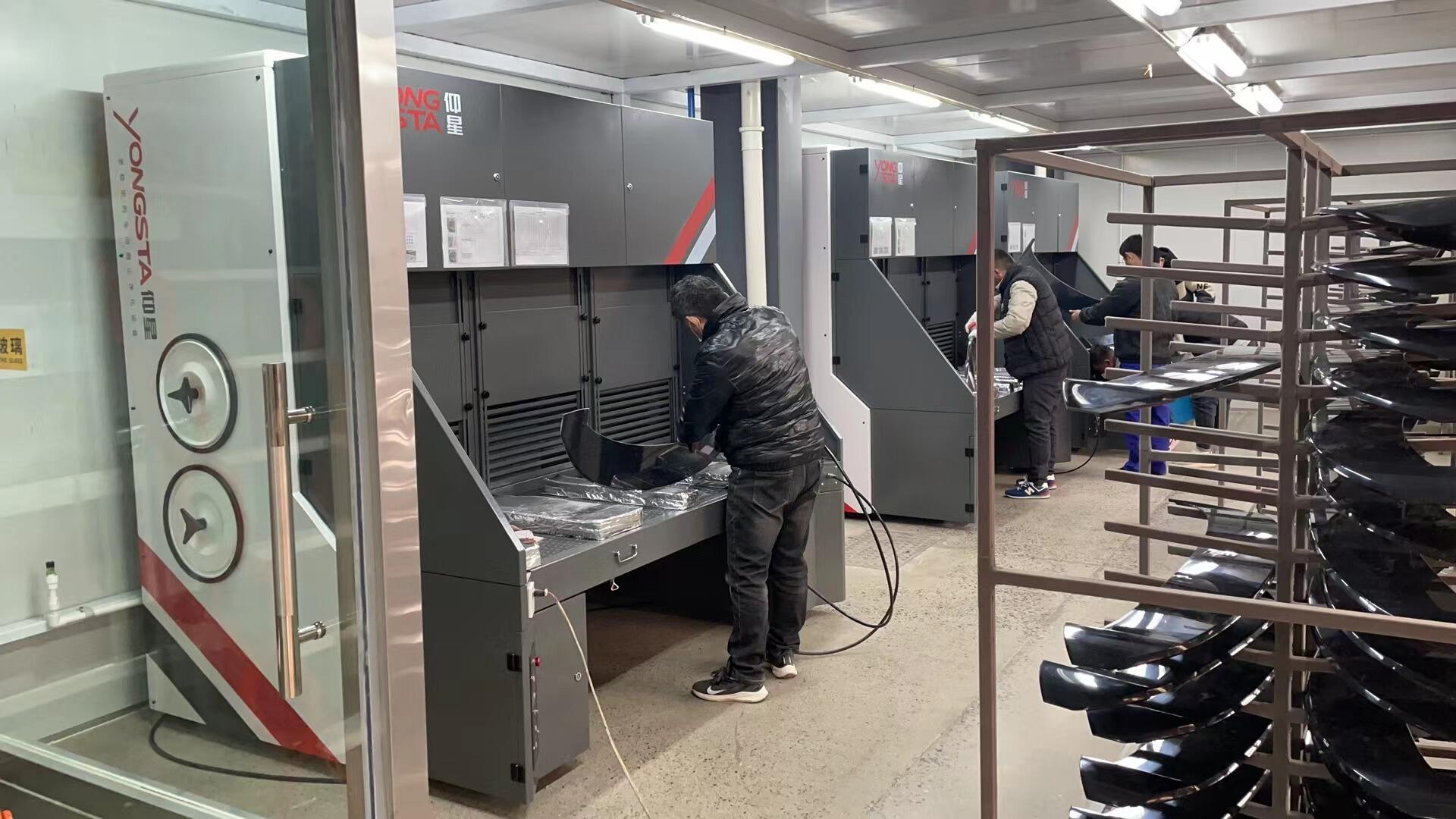
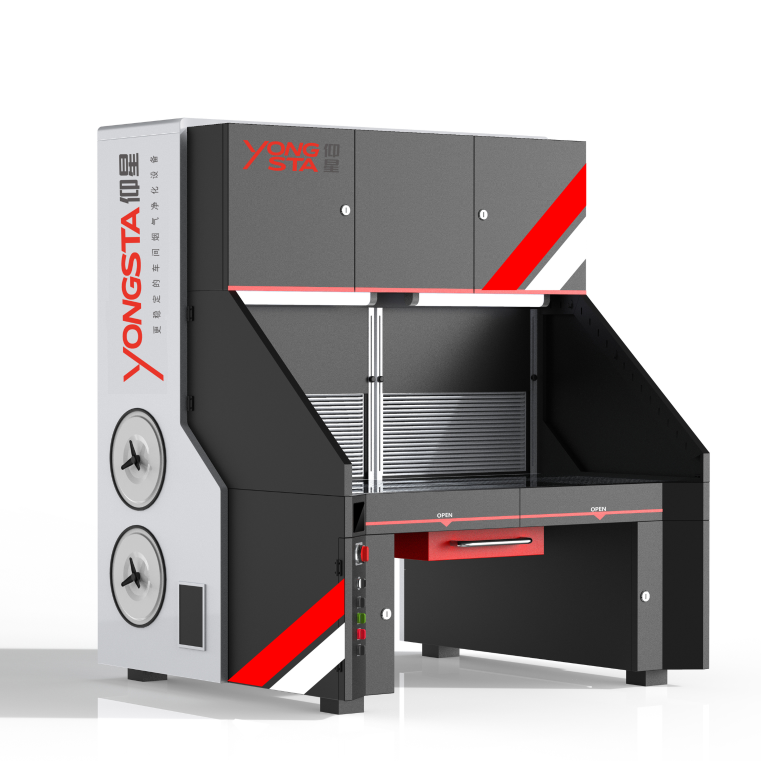
An oil mist and fume purifier represents essential equipment designed to capture and eliminate airborne contaminants generated during metalworking and manufacturing processes. These sophisticated systems address the persistent challenge of oil mist, smoke, and harmful fumes that emerge from machining operations, including CNC milling, turning, grinding, and cutting activities. The primary function of an oil mist and fume purifier centers on protecting worker health while maintaining clean production environments. Modern units employ multi-stage filtration technology that traps particles ranging from large droplets to submicron aerosols. The equipment operates by drawing contaminated air through specialized filters that separate oil particles, metallic dust, and chemical vapors from the airstream before returning purified air to the workspace. Advanced oil mist and fume purifier systems incorporate electrostatic precipitation, mechanical filtration, or hybrid approaches to achieve removal efficiencies exceeding 99 percent for most contaminants. These devices find applications across diverse industries including automotive manufacturing, aerospace component production, medical device fabrication, and general metalworking shops. The technological features of contemporary oil mist and fume purifier units include variable speed fans that adjust airflow based on contamination levels, automatic filter monitoring systems that signal maintenance requirements, and compact designs that integrate seamlessly with existing machinery. Installation flexibility allows mounting directly on machine tools or positioning as centralized systems serving multiple workstations. Energy-efficient motors reduce operational costs while maintaining consistent performance throughout extended production shifts. The oil mist and fume purifier contributes significantly to regulatory compliance by helping facilities meet occupational exposure limits established by safety organizations. Beyond health protection, these systems prevent oil accumulation on floors and equipment surfaces, reducing slip hazards and maintenance burdens while extending the lifespan of production machinery through cleaner operating conditions.

New Products

Implementing an oil mist and fume purifier delivers immediate and measurable benefits that impact both operational efficiency and workplace quality. The most significant advantage involves protecting employee respiratory health by removing harmful airborne particles before workers inhale them. Prolonged exposure to oil mist causes respiratory irritation, skin problems, and potential long-term health complications that an effective purifier prevents. Clean air translates directly to reduced absenteeism, lower healthcare costs, and improved employee morale as workers appreciate employers who prioritize their wellbeing. The oil mist and fume purifier also creates substantial cost savings by reclaiming valuable cutting fluids and oils that would otherwise escape into the atmosphere. Captured oil returns to machinery sumps for reuse, reducing fluid consumption by up to 70 percent in many operations. This recovery feature pays for equipment investment within months while supporting environmental sustainability goals. Maintenance requirements decrease significantly when an oil mist and fume purifier operates continuously because oil no longer coats electrical panels, light fixtures, and building surfaces. Cleaning intervals extend from weekly to monthly or quarterly schedules, freeing maintenance staff for productive tasks. Production equipment runs more reliably when protected from oil buildup that causes electrical shorts, sensor malfunctions, and premature component wear. The purifier enhances product quality by eliminating oil deposits on finished parts that require additional cleaning steps or cause assembly problems. Manufacturers report fewer rejected parts and customer complaints after installing proper filtration systems. Facility appearance improves dramatically as walls, ceilings, and floors remain clean instead of developing the greasy film characteristic of uncontrolled oil mist. This professional environment impresses customers during facility tours and supports quality certifications. Regulatory compliance becomes straightforward with an oil mist and fume purifier that documents air quality through built-in monitoring systems. Inspection readiness improves as facilities demonstrate proactive contamination control rather than reactive responses to violations. Insurance premiums may decrease when carriers recognize reduced fire hazards from accumulated oil residues. The equipment operates quietly using sound-dampening technology that maintains comfortable noise levels below 70 decibels. Workers communicate effectively without shouting over loud ventilation systems. Energy consumption remains modest through efficient motor designs and smart controls that adjust operation based on actual contamination levels rather than running continuously at maximum capacity. Return on investment typically occurs within 12 to 24 months when considering all direct and indirect benefits. The oil mist and fume purifier represents a practical solution that addresses multiple challenges simultaneously while supporting lean manufacturing principles through waste reduction and process optimization.

Practical Tips

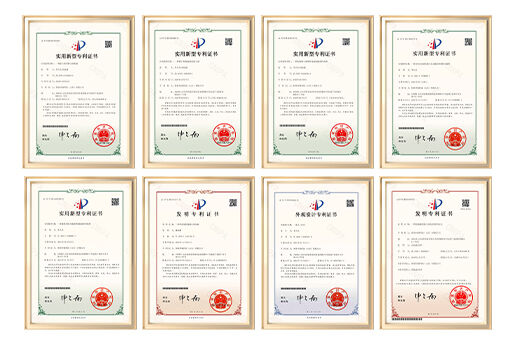
Yongsta R&D Team Wins 3 Dust Removal Technology Patents, Leading Industry Innovation

09

Apr

Yongsta R&D Team Wins 3 Dust Removal Technology Patents, Leading Industry Innovation

View More
Yongsta Cooperates with TUV for ATEX Explosion-Proof Certification, Explosion-Proof Dust Collector to Be Launched Soon

09

Apr

Yongsta Cooperates with TUV for ATEX Explosion-Proof Certification, Explosion-Proof Dust Collector to Be Launched Soon

View More
Empowering Benchmark Manufacturing! Yongsta Cartridge Dust Collector Aids Siemens Transformer China Factory's Dust Removal Renovation and Gains High Recognition

09

Apr

Empowering Benchmark Manufacturing! Yongsta Cartridge Dust Collector Aids Siemens Transformer China Factory's Dust Removal Renovation and Gains High Recognition

View More

Get a Free Quote

Our representative will contact you soon.
Email
Name
Company Name
Message
0/1000

oil mist and fume purifier

Advanced Multi-Stage Filtration Technology Ensures Maximum Contaminant Removal

Advanced Multi-Stage Filtration Technology Ensures Maximum Contaminant Removal

The cornerstone of any effective oil mist and fume purifier lies in its filtration technology, which determines removal efficiency and operational reliability. Modern systems employ sophisticated multi-stage approaches that address different particle sizes and contamination types through sequential treatment processes. The first stage typically features a mechanical pre-filter or impingement separator that captures larger oil droplets and metallic particles through inertial separation. As contaminated air enters the unit at high velocity, heavier particles cannot follow the airstream's directional changes and impact collection surfaces where they coalesce into larger droplets that drain back to collection reservoirs. This initial separation removes 60 to 80 percent of contaminant mass while protecting downstream filters from premature loading. The second stage introduces high-efficiency particulate filters constructed from specialized media that trap submicron particles through a combination of interception, impaction, and diffusion mechanisms. These filters achieve removal efficiencies exceeding 99.97 percent for particles as small as 0.3 microns, effectively capturing the fine oil mist that poses the greatest health risks and creates persistent air quality problems. Some advanced oil mist and fume purifier models incorporate electrostatic precipitation technology that charges particles electrically before collecting them on oppositely charged plates. This approach handles high contamination loads without the pressure drop associated with dense mechanical filters, reducing energy consumption while maintaining excellent performance. The electrostatic method proves particularly effective for sticky oil mist that would quickly clog conventional filters. Activated carbon stages address chemical vapors and odors that mechanical filtration cannot capture, using adsorption to remove volatile organic compounds from the airstream. This comprehensive treatment ensures the oil mist and fume purifier handles complete contamination profiles rather than addressing only particulate matter. Filter monitoring systems track pressure differential across each stage, providing early warning when replacement becomes necessary to maintain optimal performance. Automatic indicators eliminate guesswork from maintenance scheduling while preventing unexpected performance degradation. The modular filter design allows quick replacement without tools or extended downtime, minimizing disruption to production schedules. Captured oil drains continuously to collection containers that operators empty periodically, recovering valuable fluids for reuse and preventing filter saturation that would reduce efficiency.
Flexible Installation Options Accommodate Diverse Manufacturing Environments

Flexible Installation Options Accommodate Diverse Manufacturing Environments

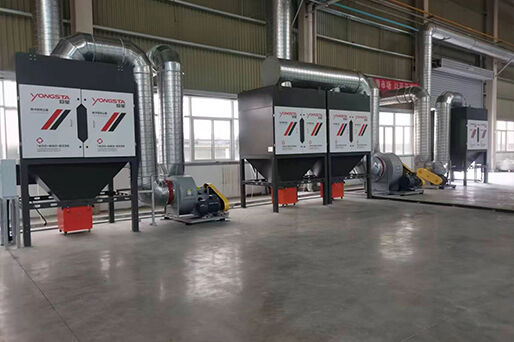
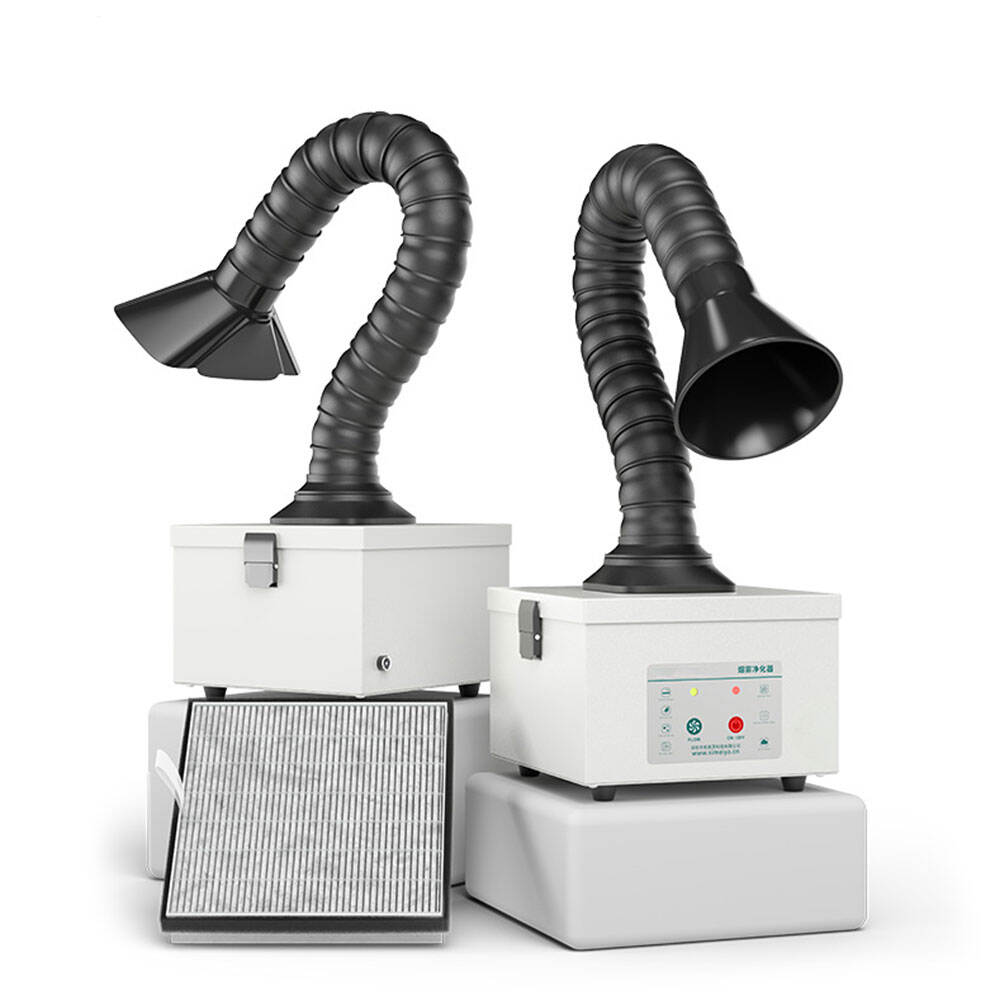
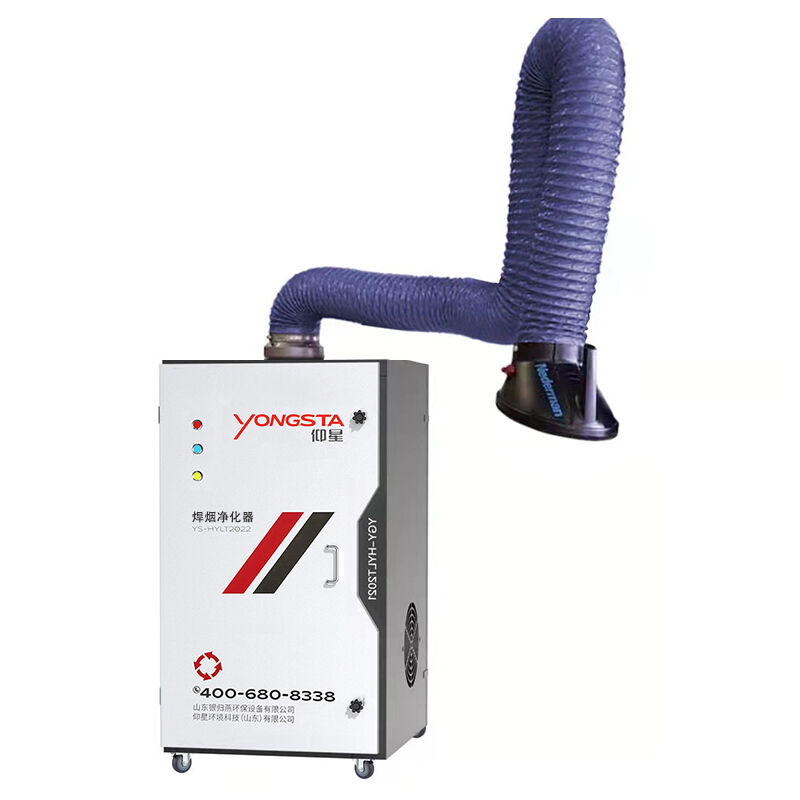
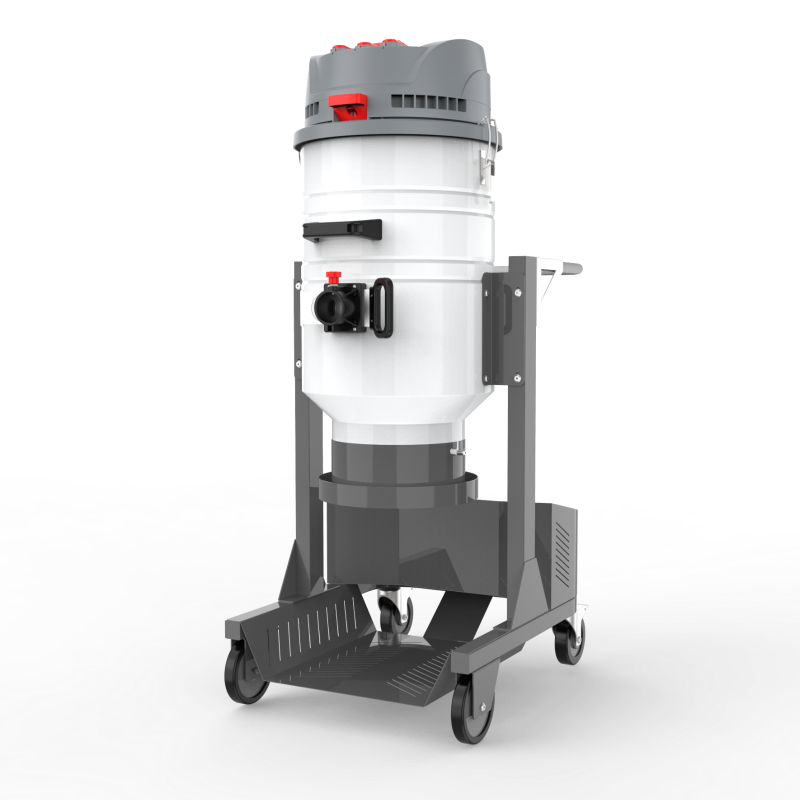
Manufacturing facilities face unique spatial constraints and contamination patterns that demand adaptable solutions, making installation flexibility a critical advantage of modern oil mist and fume purifier systems. Equipment manufacturers recognize that one-size-fits-all approaches fail to address the varied requirements of different operations, leading to development of multiple mounting configurations and capacity options. Machine-mounted units attach directly to individual CNC machines, lathes, or grinders, capturing contaminants at the source before they disperse throughout the facility. These compact oil mist and fume purifier models integrate seamlessly with machine enclosures, connecting to existing exhaust ports or mounting on machine roofs where they process contaminated air immediately as it exits the work zone. Direct mounting eliminates ductwork requirements while ensuring maximum capture efficiency since contamination never enters the general workspace. The self-contained design includes all necessary components within a single housing that requires only electrical connection for operation. Centralized systems serve multiple machines through ducted collection networks, offering economical solutions for facilities with numerous contamination sources clustered in specific areas. A single high-capacity oil mist and fume purifier processes air from ten or more machines simultaneously, reducing equipment costs and simplifying maintenance compared to individual units on each machine. Strategic duct routing ensures balanced airflow distribution while minimizing pressure losses that would reduce capture effectiveness. Centralized approaches work particularly well in job shops and production cells where multiple machines operate similar processes generating comparable contamination types. Portable units mounted on casters provide ultimate flexibility for facilities with changing layouts or temporary contamination control needs. These mobile oil mist and fume purifier systems relocate easily as production requirements shift, supporting lean manufacturing principles that emphasize adaptable processes. Flexible ducting connects portable units to machines without permanent installation, allowing rapid deployment wherever contamination issues emerge. The versatility proves invaluable during equipment trials, temporary production increases, or seasonal operations that do not justify permanent installations. Ceiling-mounted configurations conserve valuable floor space in crowded facilities where every square foot supports production activities. Suspended oil mist and fume purifier units process air from overhead positions, returning clean air downward to create positive circulation patterns that enhance overall air quality. This mounting approach works effectively in facilities with high ceilings and overhead crane systems where floor-mounted equipment would interfere with material handling. Modular capacity scaling allows facilities to start with appropriately sized systems and expand as production grows, protecting initial investments while accommodating future needs.
Intelligent Controls and Monitoring Optimize Performance While Reducing Operating Costs

Intelligent Controls and Monitoring Optimize Performance While Reducing Operating Costs

Contemporary oil mist and fume purifier systems incorporate sophisticated control technologies that maximize efficiency while minimizing energy consumption and maintenance requirements. These intelligent features distinguish premium equipment from basic models, delivering substantial operational advantages that justify higher initial investments through reduced lifetime costs. Variable frequency drives adjust fan speeds dynamically based on real-time contamination levels detected by integrated sensors, ensuring the oil mist and fume purifier operates at optimal efficiency for current conditions rather than running continuously at maximum capacity. When machining operations pause or contamination levels decrease, the system automatically reduces airflow to conserve energy while maintaining adequate air treatment. This responsive operation cuts electricity consumption by 30 to 50 percent compared to constant-speed systems, generating significant savings over equipment lifespans measured in decades. The intelligent controls respond instantly when contamination increases, ramping up airflow to maintain consistent air quality regardless of production intensity variations. Predictive maintenance algorithms analyze operating parameters including filter pressure drop, runtime hours, and airflow patterns to forecast when service will become necessary. The oil mist and fume purifier alerts maintenance personnel days or weeks before performance degradation occurs, allowing scheduled interventions during planned downtime rather than emergency repairs that disrupt production. This proactive approach extends filter life by preventing operation beyond optimal loading while ensuring consistent performance that protects worker health and product quality. Digital displays provide real-time visibility into system status, showing current airflow rates, filter condition, and operational alerts that keep operators informed without requiring specialized training. Intuitive interfaces allow quick adjustments to operating parameters when process changes demand different air treatment approaches. Remote monitoring capabilities enable facilities management to track multiple oil mist and fume purifier units from centralized locations, identifying performance trends and coordinating maintenance across entire facilities. Network connectivity supports integration with building management systems and manufacturing execution platforms, creating comprehensive environmental control that aligns with smart factory initiatives. Data logging functions record operational history for regulatory compliance documentation and performance analysis, providing objective evidence of air quality management during inspections or audits. The stored information helps identify process improvements and validates the oil mist and fume purifier's contribution to workplace safety programs. Automatic shutdown features protect equipment from damage when abnormal conditions occur, such as filter saturation or motor overheating, preventing costly repairs while ensuring safe operation. Self-diagnostic routines identify specific issues and guide troubleshooting through clear error messages that reduce downtime and service costs. Energy monitoring displays track electricity consumption in real-time, helping facilities quantify operating costs and calculate return on investment with precision.

Get a Free Quote

Our representative will contact you soon.
Email
Name
Company Name
Message
0/1000
email goToTop