Commercial Oil Fume Purifier Systems - Advanced Kitchen Air Filtration Solutions

Get a Free Quote

Our representative will contact you soon.
Email
Name
Company Name
Message
0/1000

oil fume purifier

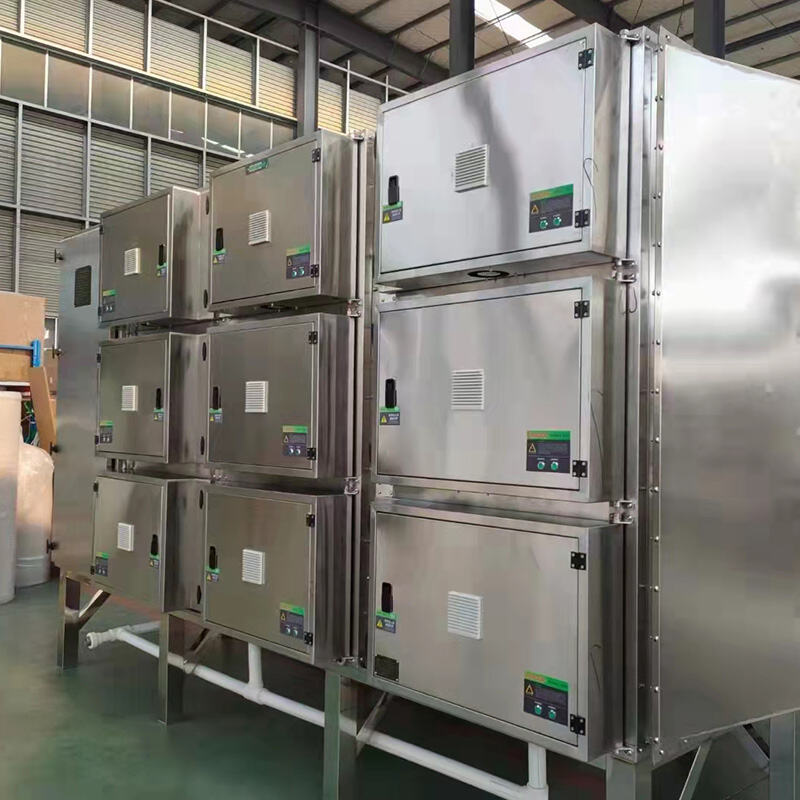
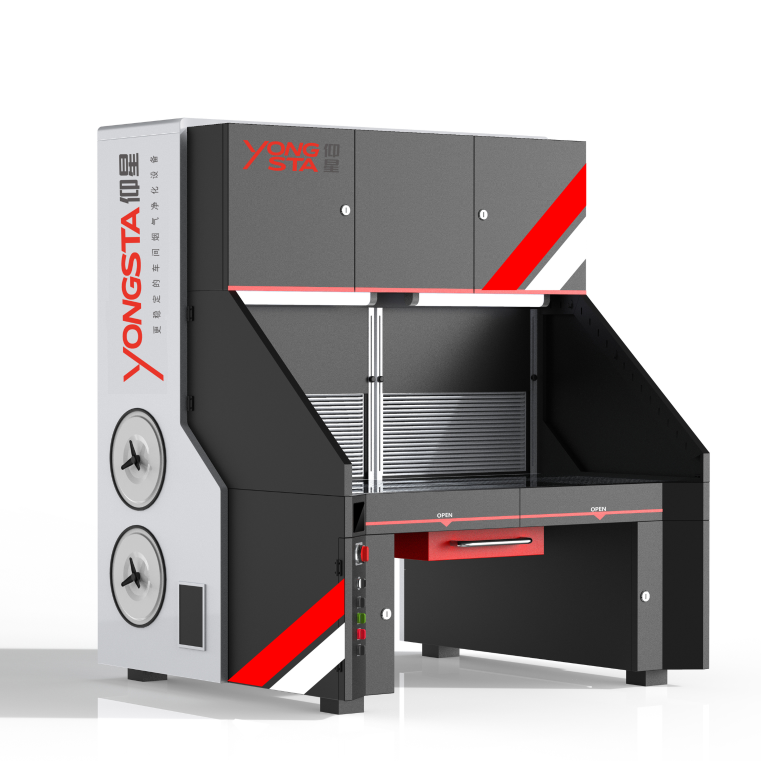
An oil fume purifier represents an essential piece of equipment designed to eliminate harmful smoke, grease particles, and odorous compounds generated during cooking processes. This advanced filtration system serves commercial kitchens, restaurants, food processing facilities, and industrial cooking operations by capturing and neutralizing airborne contaminants before they escape into the atmosphere. The primary function of an oil fume purifier involves drawing contaminated air through multiple filtration stages, where specialized components trap grease molecules, remove smoke particles, and neutralize unpleasant odors. Modern oil fume purifier units incorporate electrostatic precipitation technology, activated carbon filters, and UV light sterilization to achieve comprehensive air treatment. These systems operate continuously during cooking activities, maintaining clean air quality within kitchen environments while ensuring compliance with environmental regulations. The technological features of an oil fume purifier include high-voltage ionization chambers that charge airborne particles, collection plates that attract and capture charged contaminants, and automated cleaning mechanisms that maintain optimal performance. Advanced models feature intelligent control systems that monitor airflow rates, adjust power consumption based on cooking intensity, and provide maintenance alerts when cleaning becomes necessary. Applications for oil fume purifier technology span diverse sectors including hotel kitchens, fast-food chains, institutional cafeterias, street food vendors, and manufacturing facilities where cooking or frying operations occur. The equipment proves particularly valuable in urban settings where air quality standards demand strict control of emissions from commercial cooking establishments. Installation typically occurs within exhaust ductwork or directly above cooking equipment, allowing the oil fume purifier to intercept contaminated air before it reaches external venting systems. The versatility of these purification systems enables customization for different cooking volumes, kitchen sizes, and specific contamination challenges, making them adaptable solutions for various operational requirements.

New Products

Investing in an oil fume purifier delivers substantial practical benefits that directly impact your business operations and bottom line. First and foremost, these systems dramatically improve air quality within your kitchen environment, creating healthier working conditions for your staff. Employees no longer suffer from constant exposure to greasy smoke and irritating fumes, which reduces respiratory complaints, eye irritation, and general discomfort during shifts. This improvement in workplace conditions leads to better staff morale, reduced sick days, and higher productivity levels throughout your team. Beyond internal benefits, an oil fume purifier protects your building infrastructure from the damaging effects of grease accumulation. Without proper filtration, cooking fumes deposit sticky residue on walls, ceilings, ventilation systems, and equipment surfaces, requiring frequent deep cleaning and accelerating deterioration of painted surfaces and fixtures. By capturing these contaminants at the source, the purifier minimizes maintenance costs and extends the lifespan of your kitchen infrastructure. Environmental compliance represents another significant advantage, as many jurisdictions now mandate emission controls for commercial cooking operations. An oil fume purifier helps you meet these regulatory requirements, avoiding potential fines, operational restrictions, or closure orders that result from non-compliance. The system also addresses neighborhood relations by eliminating the greasy smoke plumes and cooking odors that often generate complaints from nearby residents or businesses. This proactive approach to odor control protects your reputation and maintains positive community relationships. Energy efficiency features in modern oil fume purifier models reduce operational costs compared to simply exhausting large volumes of conditioned air to the outside. By treating and recirculating a portion of kitchen air, these systems decrease heating and cooling expenses while maintaining proper ventilation. The automated operation of contemporary units requires minimal staff intervention, with self-cleaning functions and maintenance alerts that simplify upkeep procedures. Installation proves straightforward in most kitchen configurations, and the compact design of many models accommodates space-constrained environments. Return on investment becomes apparent through reduced cleaning expenses, lower energy bills, improved regulatory compliance, and enhanced property values resulting from better-maintained facilities. The reliability of quality oil fume purifier systems ensures consistent performance across years of continuous operation, providing dependable protection for your investment in kitchen equipment and building assets.

Practical Tips

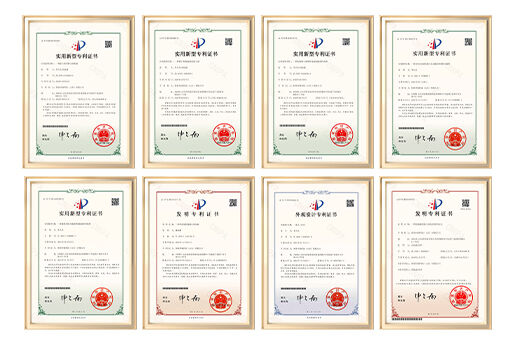
Yongsta R&D Team Wins 3 Dust Removal Technology Patents, Leading Industry Innovation

09

Apr

Yongsta R&D Team Wins 3 Dust Removal Technology Patents, Leading Industry Innovation

View More
Yongsta Cooperates with TUV for ATEX Explosion-Proof Certification, Explosion-Proof Dust Collector to Be Launched Soon

09

Apr

Yongsta Cooperates with TUV for ATEX Explosion-Proof Certification, Explosion-Proof Dust Collector to Be Launched Soon

View More
Empowering Benchmark Manufacturing! Yongsta Cartridge Dust Collector Aids Siemens Transformer China Factory's Dust Removal Renovation and Gains High Recognition

09

Apr

Empowering Benchmark Manufacturing! Yongsta Cartridge Dust Collector Aids Siemens Transformer China Factory's Dust Removal Renovation and Gains High Recognition

View More

Get a Free Quote

Our representative will contact you soon.
Email
Name
Company Name
Message
0/1000

oil fume purifier

Advanced Multi-Stage Filtration Technology

Advanced Multi-Stage Filtration Technology

The sophisticated filtration approach employed by modern oil fume purifier systems sets them apart from basic ventilation solutions, delivering superior contaminant removal through carefully engineered sequential treatment stages. The process begins when contaminated air enters the purification chamber, where an electrostatic precipitation system applies high-voltage electrical fields to ionize airborne particles. This ionization process imparts electrical charges to grease droplets, smoke particles, and other contaminants, fundamentally altering their physical properties and preparing them for efficient capture. Charged particles then pass through collection plates carrying opposite electrical charges, creating powerful attractive forces that pull contaminants from the airstream and hold them securely on collection surfaces. This electrostatic capture mechanism achieves removal efficiencies exceeding 95 percent for particles as small as 0.01 microns, far surpassing the capabilities of mechanical filters alone. Following electrostatic treatment, the air stream encounters activated carbon filtration stages specifically designed to adsorb odor-causing molecules and volatile organic compounds that escape initial capture. The porous structure of activated carbon provides enormous surface area within compact filter modules, enabling chemical adsorption of gaseous contaminants that would otherwise pass through particle filters unchanged. Some advanced oil fume purifier models incorporate ultraviolet light sterilization as a final treatment stage, exposing the air stream to UV-C radiation that destroys bacteria, viruses, and mold spores while breaking down remaining organic compounds through photochemical reactions. This comprehensive multi-stage approach addresses the complete spectrum of cooking-related air contaminants, from visible grease particles to invisible odor molecules and biological agents. The layered defense strategy ensures that even during peak cooking periods with maximum fume generation, the oil fume purifier maintains consistent purification performance without breakthrough of untreated contaminants. Maintenance requirements remain manageable because each filtration stage handles specific contaminant types, preventing premature saturation of any single component and extending service intervals between cleanings. The modular design of quality systems allows individual filter stages to be serviced independently, minimizing downtime and reducing maintenance costs compared to systems requiring complete unit replacement or extensive disassembly procedures.
Intelligent Automated Operation and Monitoring

Intelligent Automated Operation and Monitoring

Contemporary oil fume purifier systems incorporate sophisticated control technologies that optimize performance while minimizing operational complexity and maintenance burdens for kitchen staff. Intelligent sensors continuously monitor multiple operational parameters including airflow velocity, pressure differential across filter stages, electrical current consumption, and temperature levels within the purification chamber. This real-time data collection enables the control system to automatically adjust operating parameters in response to changing cooking activities, ramping up purification capacity during busy service periods and reducing power consumption during slower times. The adaptive operation not only improves energy efficiency but also extends component lifespan by avoiding unnecessary operation at maximum capacity when lower settings suffice. Advanced oil fume purifier models feature automated cleaning cycles that activate periodically to remove accumulated grease from collection plates and other internal surfaces without requiring manual intervention or system shutdown. These self-cleaning mechanisms typically employ hot water spray systems, steam injection, or automated scraping devices that dislodge captured contaminants and direct them into collection reservoirs for easy disposal. The automation of cleaning procedures eliminates the labor-intensive manual cleaning that older systems required, reducing maintenance costs and ensuring consistent purification performance between service intervals. Predictive maintenance capabilities represent another valuable feature of intelligent oil fume purifier systems, with algorithms analyzing operational data to forecast when components will require service based on actual usage patterns rather than arbitrary time intervals. The system generates maintenance alerts through visual indicators, audible alarms, or remote notifications sent to facility management systems or mobile devices, ensuring timely attention to service needs before performance degradation occurs. Diagnostic functions help maintenance personnel quickly identify specific issues when problems arise, displaying error codes or detailed status information that pinpoints failing components or operational anomalies. Remote monitoring capabilities available in network-connected models allow facility managers to oversee multiple oil fume purifier installations across different locations from centralized control interfaces, tracking performance metrics, verifying regulatory compliance, and coordinating maintenance activities efficiently. The user-friendly interfaces of modern control systems require minimal training for kitchen staff, with intuitive displays showing operational status at a glance and simple controls for manual adjustments when needed.
Comprehensive Safety and Compliance Features

Comprehensive Safety and Compliance Features

Safety considerations and regulatory compliance requirements drive many design elements in professional-grade oil fume purifier systems, ensuring these units protect both personnel and property while meeting stringent governmental standards. Fire suppression integration represents a critical safety feature, with many oil fume purifier models designed to interface directly with kitchen fire suppression systems. When fire suppression activates, the purifier automatically shuts down to prevent drawing flames or suppression agents through the unit, while dampers close to isolate the system from the exhaust ductwork. This coordinated response prevents fire spread through ventilation systems and protects the purifier components from heat damage. Electrical safety features include ground fault protection, overcurrent safeguards, and insulated high-voltage components that prevent shock hazards during normal operation and maintenance activities. Quality oil fume purifier systems undergo rigorous testing and certification by recognized safety organizations, bearing UL, ETL, or equivalent safety marks that verify compliance with electrical and fire safety standards. Grease accumulation monitoring provides another important safety function, with sensors detecting when collection reservoirs approach capacity and require emptying to prevent overflow conditions that could create fire hazards or sanitation issues. The robust construction of commercial oil fume purifier units employs stainless steel and other non-combustible materials throughout, ensuring the equipment itself does not contribute fuel to potential fire scenarios. Ventilation interlocks prevent the purifier from operating unless adequate makeup air systems function properly, maintaining proper air balance within the kitchen and preventing negative pressure conditions that could cause backdrafting of combustion appliances. Environmental compliance features help establishments meet increasingly strict air quality regulations governing commercial cooking operations, with many jurisdictions now requiring certified emission control equipment for restaurants and food service facilities. Documentation capabilities in advanced systems provide compliance records showing continuous operation, maintenance history, and emission control effectiveness, simplifying regulatory inspections and permit renewals. The certified removal efficiencies of quality oil fume purifier systems satisfy emission limits for particulate matter, volatile organic compounds, and odor control specified in environmental permits. Installation flexibility allows these systems to retrofit into existing kitchen exhaust systems or integrate into new construction projects, accommodating various building codes and ventilation design requirements across different jurisdictions.

Get a Free Quote

Our representative will contact you soon.
Email
Name
Company Name
Message
0/1000
email goToTop