Versatile Material Handling Across Diverse Industrial Applications
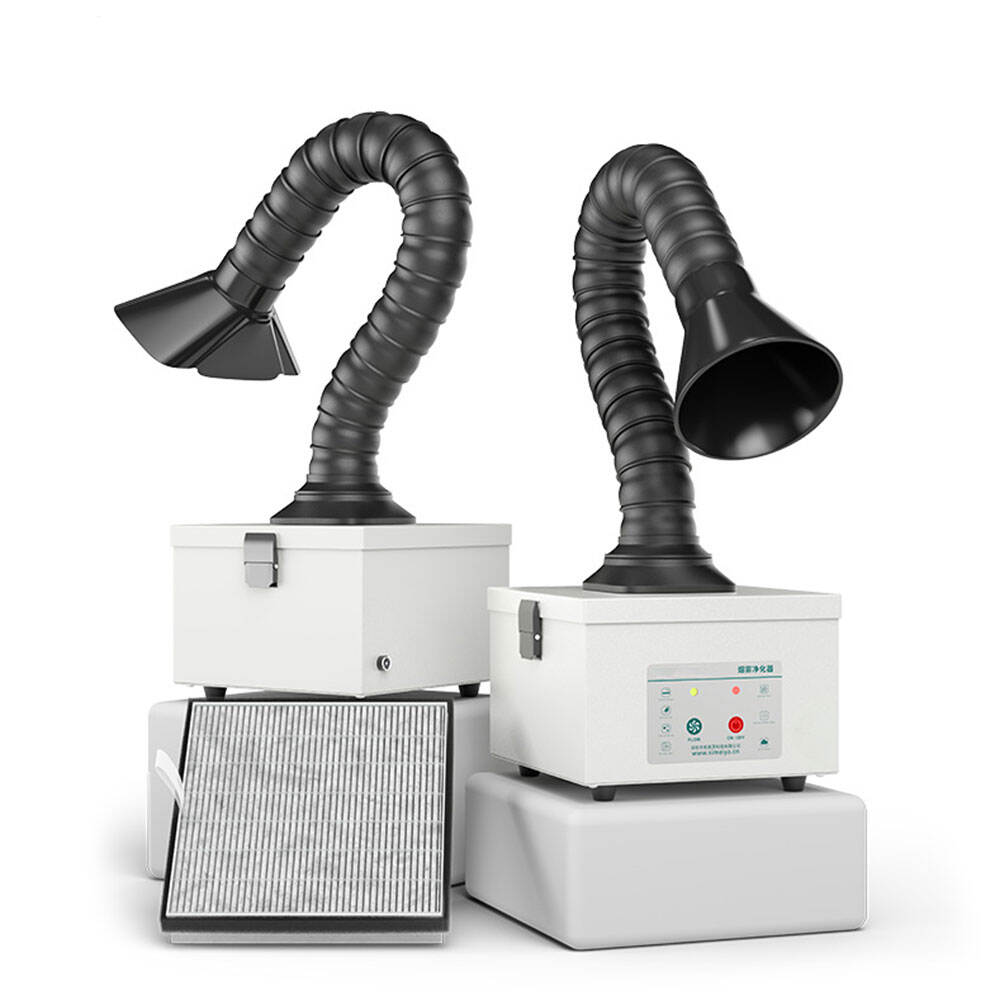
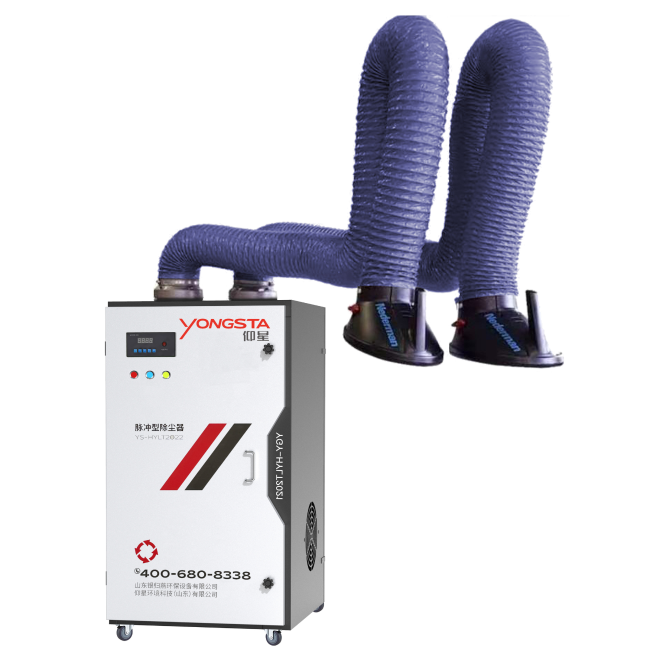
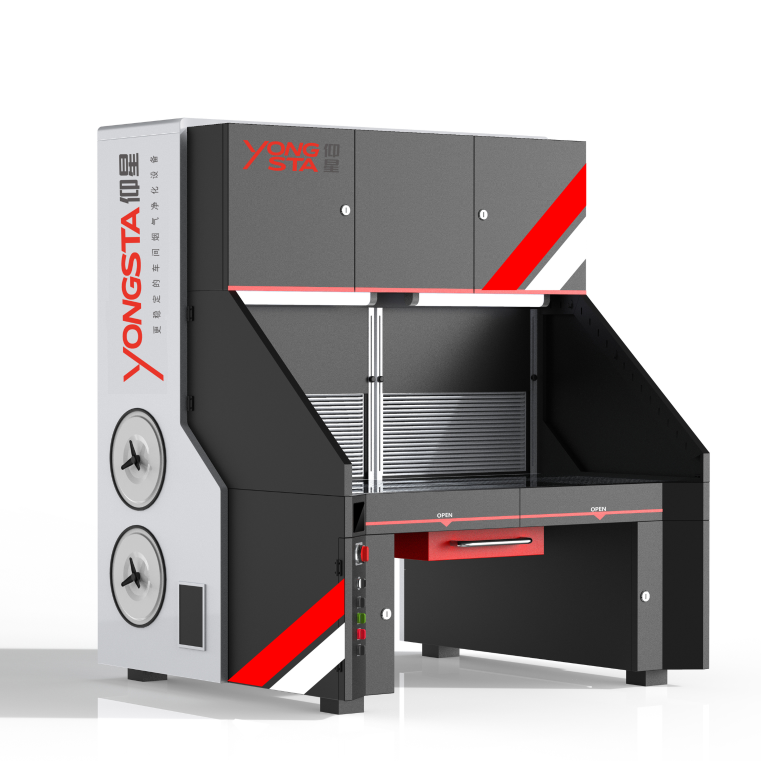
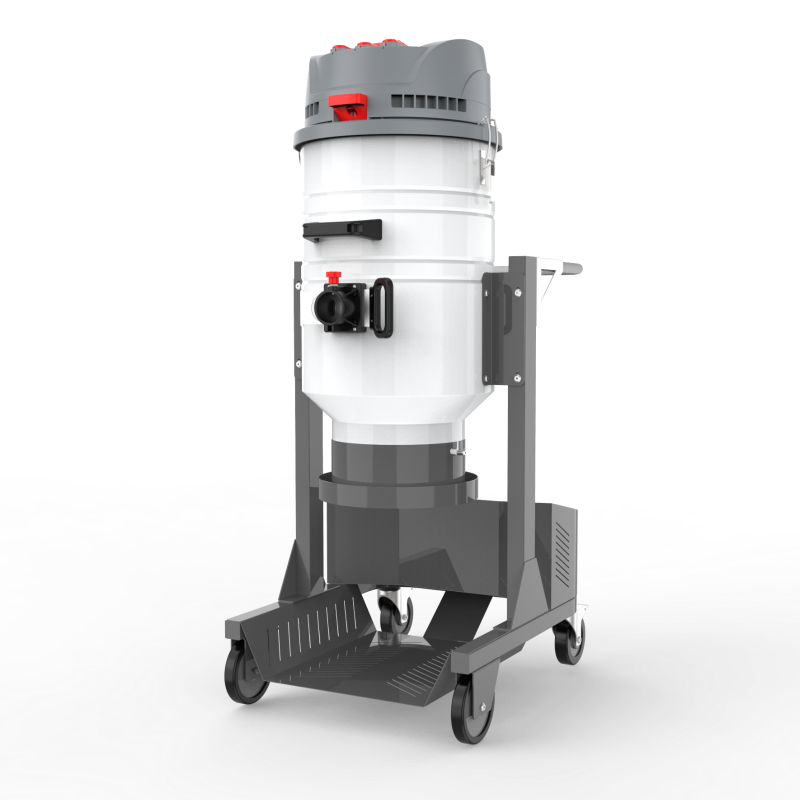
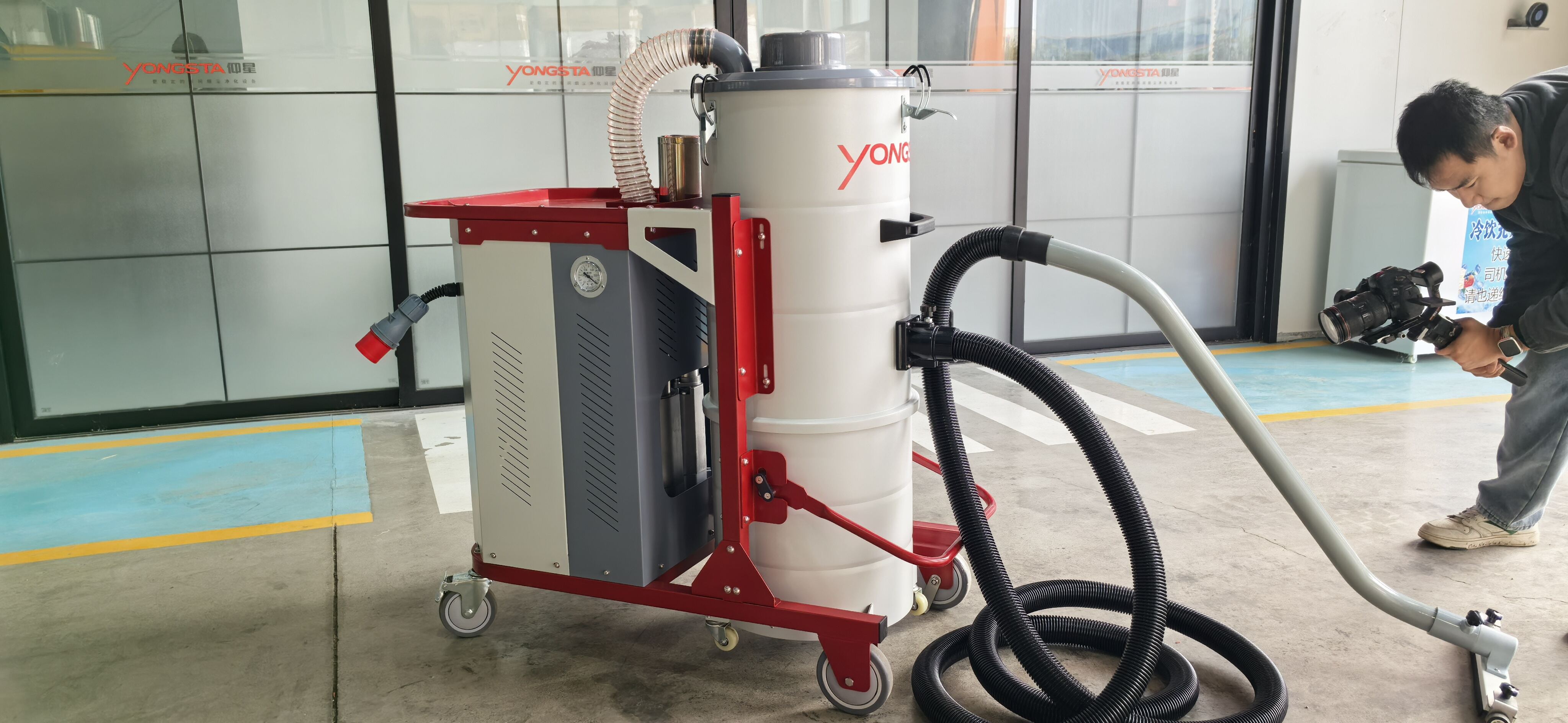
Industrial vacuum systems excel in their ability to handle an extraordinary range of materials, from fine powders to heavy debris, from dry substances to liquids, and from non-hazardous waste to dangerous materials requiring special handling. This versatility makes industrial vacuum systems invaluable across manufacturing sectors, as a single well-designed system can address multiple cleaning and material recovery challenges within a facility. The material handling capabilities of industrial vacuum systems begin with powerful suction generated by robust motors and efficient airflow designs. Unlike household vacuums that struggle with anything beyond light dust, industrial vacuum systems move substantial volumes of material through collection hoses and into containment vessels. Suction power remains consistent even when handling dense or heavy materials, ensuring efficient cleanup of metal shavings, plastic pellets, wood chips, and similar industrial byproducts. Many facilities use industrial vacuum systems not just for cleaning but for material recovery and recycling, capturing valuable materials that would otherwise become waste. Liquid handling capability distinguishes industrial vacuum systems from standard dry vacuums, with specialized models designed to safely collect water, coolants, oils, and other fluids common in manufacturing environments. Wet-dry industrial vacuum systems incorporate sealed motors and moisture-resistant components that prevent damage from liquid exposure. Separate collection tanks for liquids and solids allow efficient material segregation, simplifying disposal and recycling processes. In metalworking facilities, industrial vacuum systems collect cutting fluids and coolants for filtration and reuse, reducing fluid costs and environmental impact. The ability to handle hazardous materials safely represents another critical advantage of specialized industrial vacuum systems. Combustible dust from operations like grinding, sanding, or material handling poses explosion risks if not properly controlled. Industrial vacuum systems designed for combustible dust applications incorporate explosion-proof motors, conductive hoses that prevent static buildup, and specialized filters that safely contain dangerous particles. These systems help facilities comply with NFPA standards and protect workers from catastrophic incidents. Chemical resistance in industrial vacuum systems allows safe collection of corrosive substances, solvents, and reactive materials. Systems constructed from stainless steel, specialized plastics, or coated metals withstand chemical exposure that would quickly destroy standard equipment. This chemical resistance proves essential in pharmaceutical manufacturing, chemical processing, and laboratory environments where diverse substances require cleanup. Temperature tolerance extends the versatility of industrial vacuum systems, with some models capable of handling materials up to several hundred degrees. Hot metal chips, warm plastics from molding operations, and other elevated-temperature materials can be safely collected without waiting for cooling periods that delay production. Customization options for industrial vacuum systems ensure optimal performance for specific applications, with interchangeable tools, adjustable suction levels, and modular designs that adapt to evolving operational needs.
 ×
×



 EN
EN