Industrial Vacuum Dust Collector - Advanced Air Quality Solutions for Manufacturing Facilities

Get a Free Quote

Our representative will contact you soon.
Email
Name
Company Name
Message
0/1000

industrial vacuum dust collector

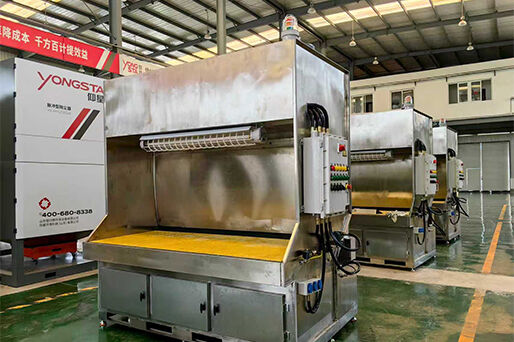
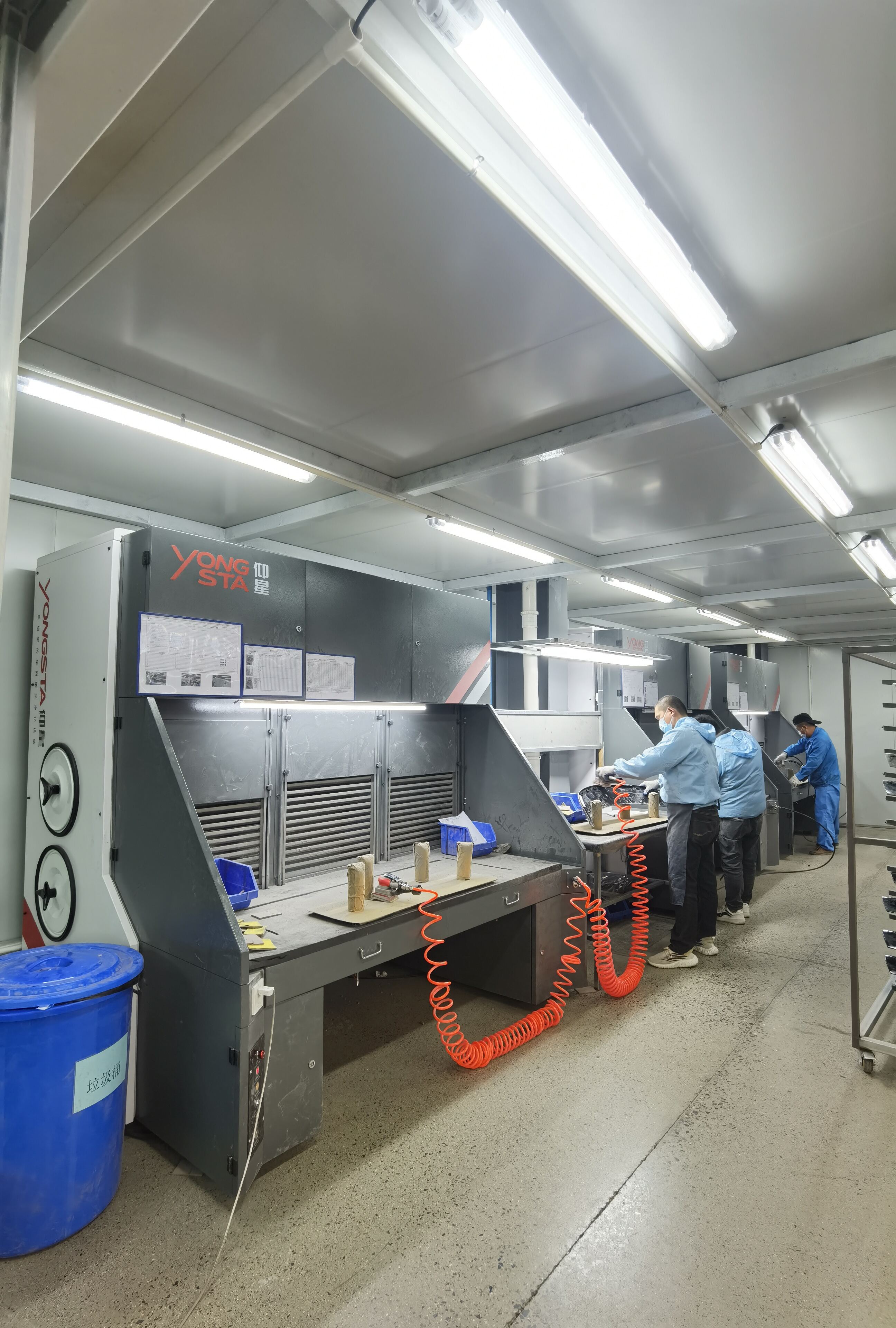
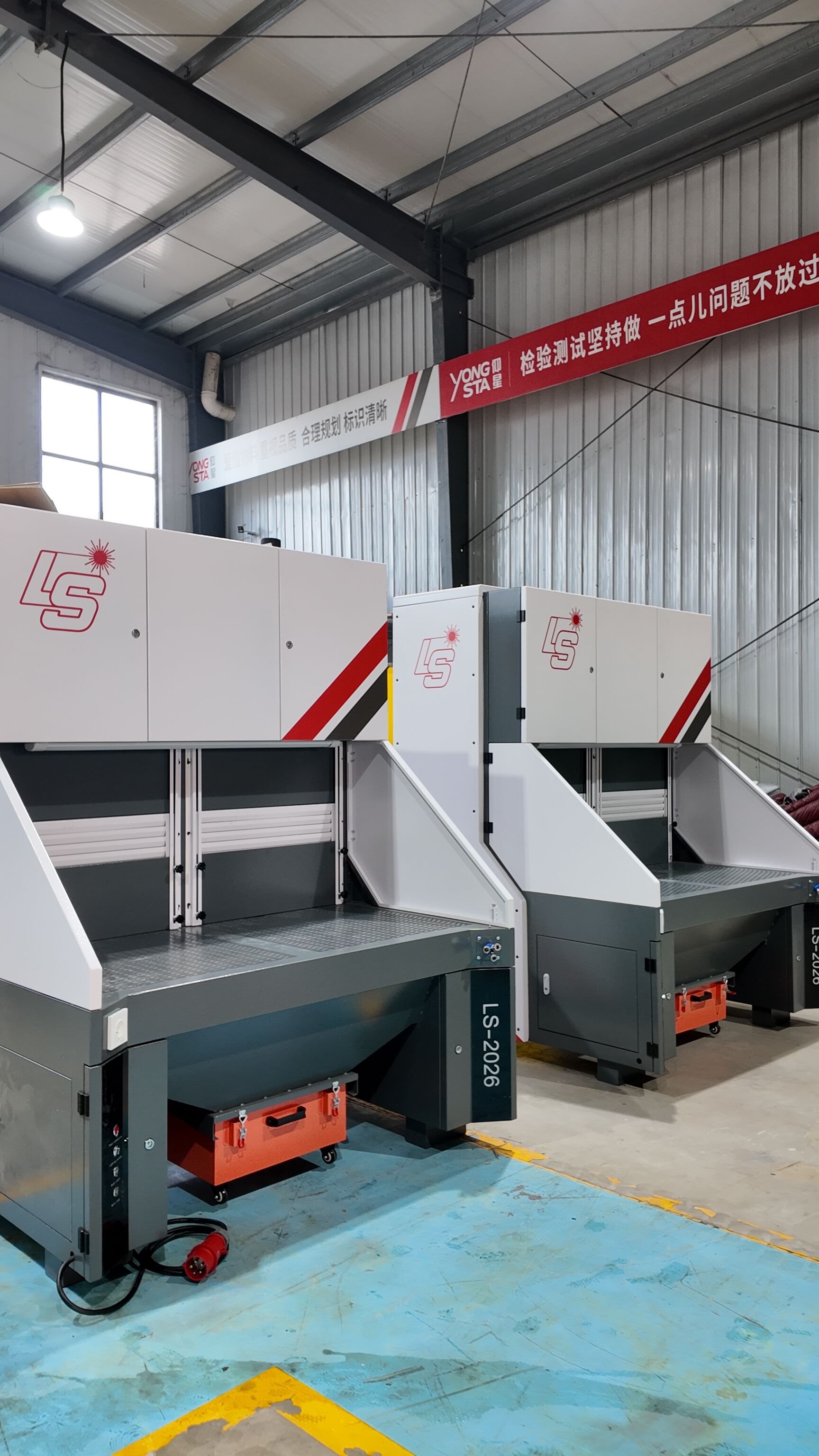
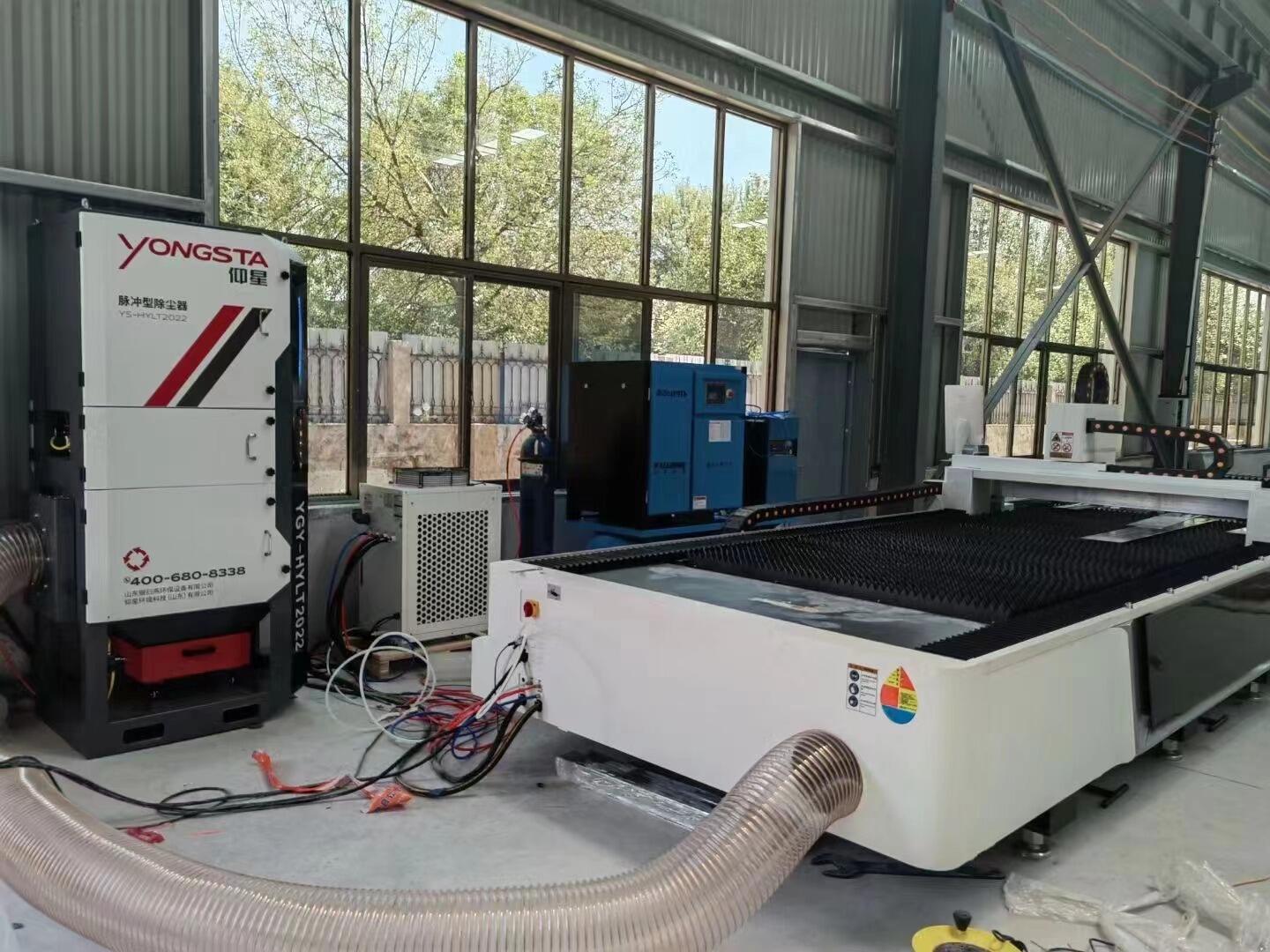
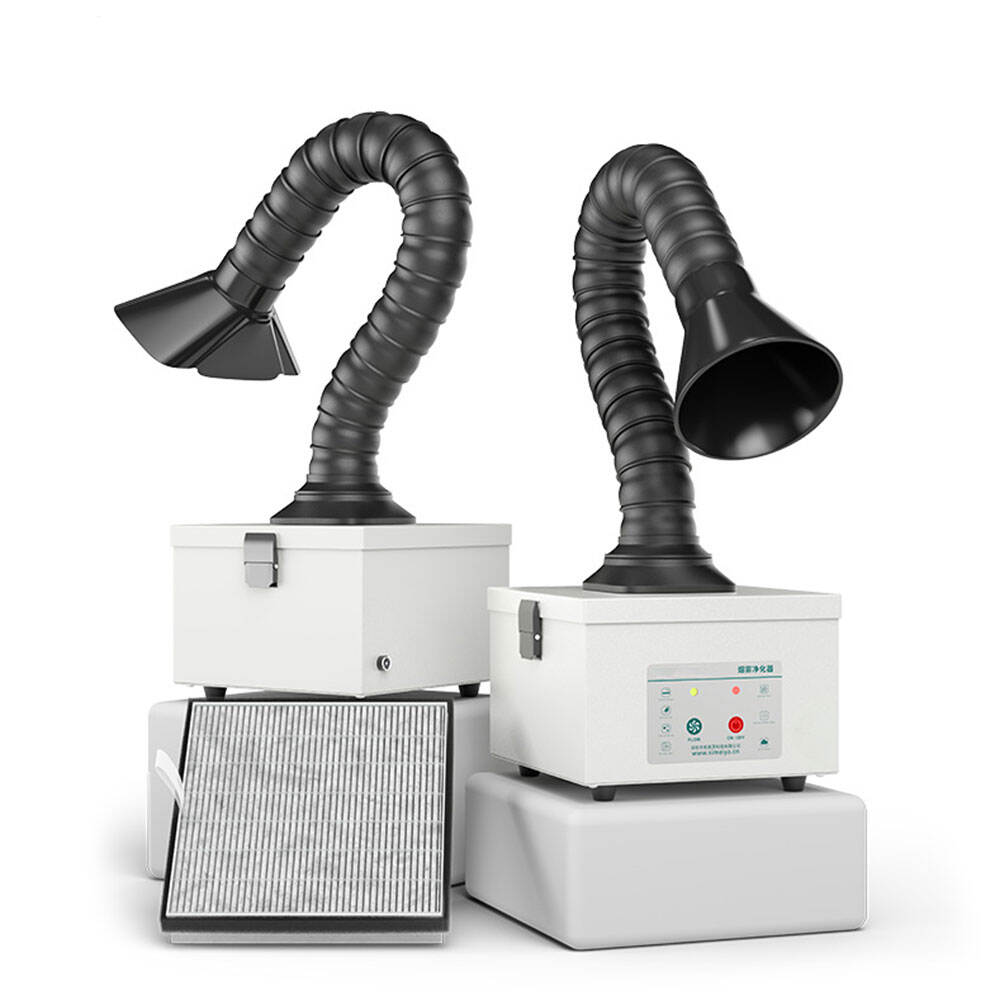
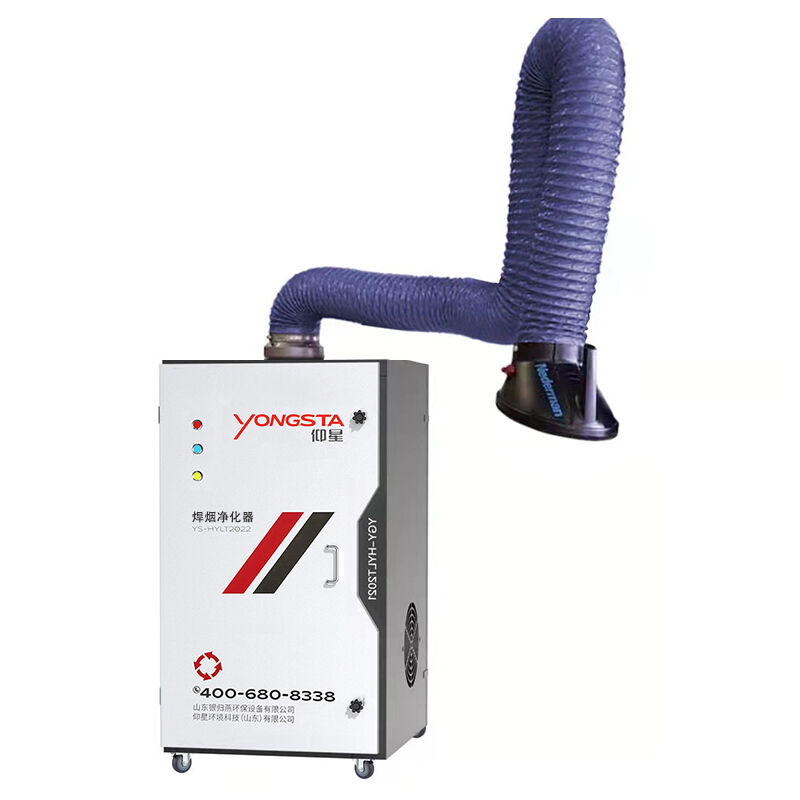
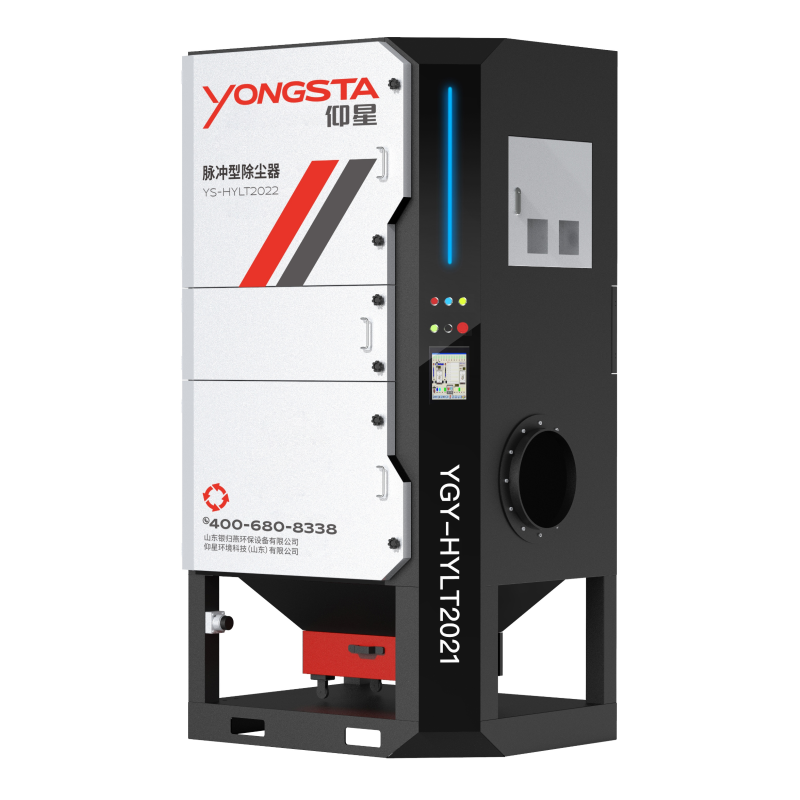
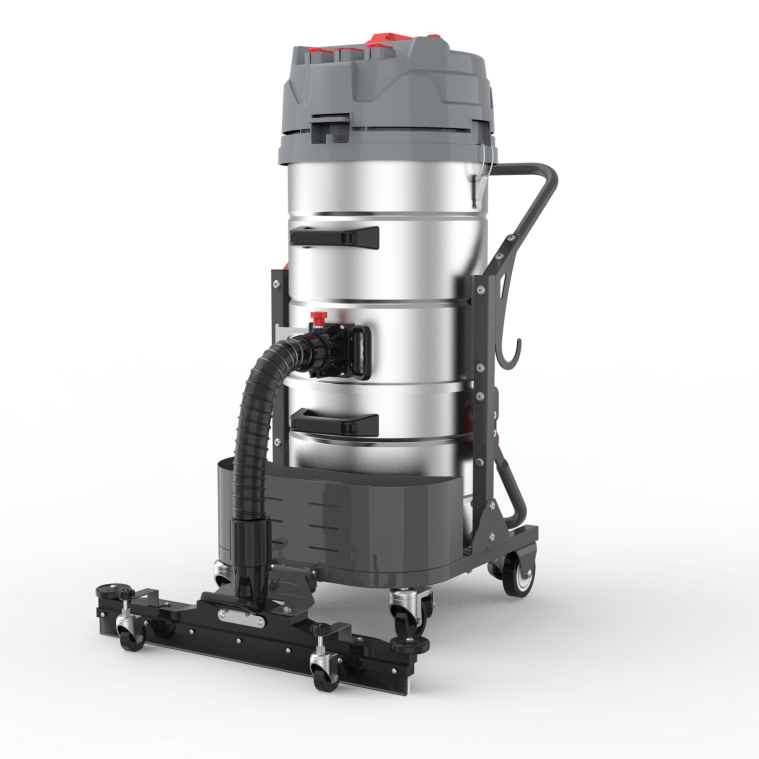
An industrial vacuum dust collector represents a critical piece of equipment designed to maintain clean and safe working environments across manufacturing facilities, workshops, and production plants. This sophisticated system operates by capturing airborne particles, debris, and contaminants generated during various industrial processes, preventing them from dispersing throughout the workspace or escaping into the atmosphere. The primary function of an industrial vacuum dust collector centers on extracting dust, fine particles, metal shavings, wood chips, and other pollutants directly from their source points, channeling them through a network of ducts and hoses into a centralized filtration system. Modern industrial vacuum dust collectors incorporate advanced cyclonic separation technology, multi-stage filtration mechanisms, and powerful suction motors that work in harmony to achieve exceptional particle capture rates. These systems typically feature robust construction using heavy-duty materials capable of withstanding continuous operation in demanding industrial settings. The technological architecture includes precision-engineered filter cartridges or bags that trap microscopic particles while allowing clean air to recirculate back into the facility, significantly reducing energy costs associated with heating or cooling replacement air. Many contemporary models integrate smart monitoring systems that track filter saturation levels, airflow rates, and operational efficiency, alerting maintenance teams when service intervals approach. The versatility of an industrial vacuum dust collector extends across numerous sectors including metalworking, woodworking, pharmaceutical manufacturing, food processing, chemical production, and textile operations. Each application benefits from customizable configurations that address specific particle sizes, material characteristics, and production volumes. The equipment plays an indispensable role in regulatory compliance, helping facilities meet stringent occupational health standards and environmental protection requirements established by governing bodies. Beyond compliance, these collectors protect expensive machinery from abrasive particle damage, extend equipment lifespan, and reduce costly downtime associated with cleaning and maintenance. The investment in a quality industrial vacuum dust collector delivers measurable returns through improved product quality, enhanced worker safety, reduced liability exposure, and optimized operational efficiency across the entire production environment.

Popular Products

Implementing an industrial vacuum dust collector transforms workplace conditions by creating cleaner, healthier, and more productive environments that benefit both employees and business operations. Workers experience immediate improvements in air quality as the system continuously removes harmful particulates that would otherwise accumulate in breathing zones, reducing respiratory irritation, allergic reactions, and long-term health complications associated with prolonged dust exposure. This health protection translates directly into reduced absenteeism, lower workers compensation claims, and improved employee morale as team members recognize their employer's commitment to safety. The equipment delivers substantial cost savings by capturing valuable materials that would otherwise become waste, allowing facilities to reclaim and reuse metal filings, wood dust, or other recyclable substances, converting disposal expenses into revenue opportunities. Energy efficiency represents another significant advantage, as modern industrial vacuum dust collector systems recirculate filtered air back into the facility rather than exhausting it outdoors, eliminating the need to condition replacement air and dramatically reducing heating and cooling costs throughout the year. Maintenance requirements decrease across the entire facility because the collector prevents dust accumulation on machinery, electrical components, lighting fixtures, and structural surfaces, reducing cleaning labor while extending the service life of expensive production equipment. Product quality improvements emerge naturally as airborne contaminants no longer settle on work surfaces, finished goods, or sensitive components during manufacturing processes, resulting in fewer defects, reduced rework, and enhanced customer satisfaction. The system provides flexible scalability, allowing businesses to start with configurations matching current needs and expand capacity as operations grow, protecting the initial investment while accommodating future requirements. Installation proves straightforward with modular designs that adapt to existing facility layouts without requiring extensive structural modifications or production shutdowns. Operational simplicity ensures that workers quickly master system controls, while automated features like pulse-jet filter cleaning and self-monitoring diagnostics minimize the technical expertise needed for daily operation. Noise reduction capabilities built into quality industrial vacuum dust collector units create quieter work environments compared to traditional dust control methods, improving communication and reducing fatigue among production teams. The equipment enhances corporate reputation by demonstrating environmental responsibility to customers, regulators, and community stakeholders, supporting sustainability initiatives and green manufacturing certifications. Fire and explosion risks diminish significantly as the collector removes combustible dust accumulations that pose serious safety hazards in many industrial settings, providing critical protection for personnel and assets. Regulatory compliance becomes manageable with systems engineered to meet or exceed air quality standards, simplifying inspections and avoiding penalties that result from violations. The return on investment typically materializes within months as operational savings, productivity gains, and risk reduction combine to offset equipment costs, making the industrial vacuum dust collector one of the most financially sound improvements a facility can implement.

Practical Tips

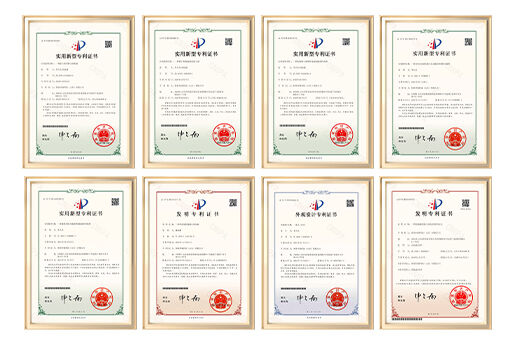
Yongsta R&D Team Wins 3 Dust Removal Technology Patents, Leading Industry Innovation

09

Apr

Yongsta R&D Team Wins 3 Dust Removal Technology Patents, Leading Industry Innovation

View More
Yongsta Cooperates with TUV for ATEX Explosion-Proof Certification, Explosion-Proof Dust Collector to Be Launched Soon

09

Apr

Yongsta Cooperates with TUV for ATEX Explosion-Proof Certification, Explosion-Proof Dust Collector to Be Launched Soon

View More
Empowering Benchmark Manufacturing! Yongsta Cartridge Dust Collector Aids Siemens Transformer China Factory's Dust Removal Renovation and Gains High Recognition

09

Apr

Empowering Benchmark Manufacturing! Yongsta Cartridge Dust Collector Aids Siemens Transformer China Factory's Dust Removal Renovation and Gains High Recognition

View More

Get a Free Quote

Our representative will contact you soon.
Email
Name
Company Name
Message
0/1000

industrial vacuum dust collector

Advanced Multi-Stage Filtration Technology Ensures Maximum Particle Capture

Advanced Multi-Stage Filtration Technology Ensures Maximum Particle Capture

The cornerstone of any effective industrial vacuum dust collector lies in its filtration system, and modern units employ sophisticated multi-stage filtration technology that achieves particle capture rates exceeding 99.9 percent for even submicron contaminants. This advanced approach begins with primary separation stages that use cyclonic action to remove larger particles through centrifugal force, dropping heavy debris into collection bins before air streams reach the main filters. This pre-separation extends filter life dramatically by preventing premature loading with coarse materials that would otherwise clog filtration media. The secondary filtration stage utilizes precision-engineered filter cartridges or bags constructed from specialized materials including polyester, cellulose, PTFE membranes, or composite blends selected based on the specific particle characteristics and operating conditions of each application. These filters feature pleated designs that maximize surface area within compact housings, providing extensive particle contact zones while maintaining manageable equipment footprints. The filtration media incorporates electrostatic properties or nanofiber coatings that attract and hold microscopic particles through mechanisms beyond simple mechanical screening, capturing contaminants that would pass through conventional filters. Automated pulse-jet cleaning systems integrated into the industrial vacuum dust collector periodically blast compressed air through the filters in reverse direction, dislodging accumulated dust cakes and dropping collected material into disposal containers while the system continues operating without interruption. This continuous cleaning capability maintains consistent airflow and suction performance throughout extended production runs, eliminating the productivity losses associated with manual filter maintenance or system shutdowns. Advanced models incorporate differential pressure sensors that monitor the resistance across filter banks, automatically adjusting cleaning cycles based on actual loading conditions rather than arbitrary time intervals, optimizing filter life while ensuring peak performance. The final polishing stage in premium systems adds HEPA or ULPA filters that capture any remaining particles, delivering air quality suitable for the most demanding applications including pharmaceutical manufacturing, electronics assembly, or food processing where contamination control proves critical. Filter replacement procedures have been engineered for simplicity, with tool-free access panels and drop-in cartridge designs that allow maintenance personnel to complete changes quickly without specialized training or equipment. The industrial vacuum dust collector filtration system protects not only workers and products but also the environment, as captured materials remain contained for proper disposal or recycling rather than escaping through facility exhaust points. Investment in superior filtration technology pays dividends through extended filter service life, reduced replacement costs, lower energy consumption due to maintained airflow efficiency, and the peace of mind that comes from knowing your facility operates at the highest standards of air quality control.
Powerful Suction Performance Handles Demanding Industrial Applications

Powerful Suction Performance Handles Demanding Industrial Applications

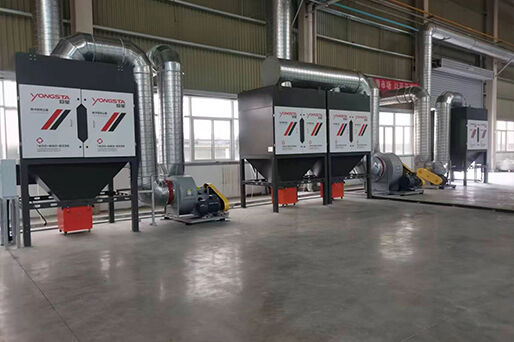
The heart of an industrial vacuum dust collector consists of high-performance motors and blower assemblies engineered to generate the substantial suction force required to capture particles at their source and transport them through extensive ductwork to central collection points. These powerhouse components deliver airflow volumes measured in thousands of cubic feet per minute while maintaining static pressure sufficient to overcome resistance from filters, ducts, and collection hoods distributed throughout large facilities. Motor specifications typically range from several horsepower for smaller installations to dozens of horsepower for comprehensive plant-wide systems, with variable frequency drives enabling precise airflow adjustment to match changing production demands and optimize energy consumption. The blower design incorporates backward-inclined or radial blade configurations that resist wear from abrasive particles while maintaining efficiency across varying load conditions, ensuring reliable performance throughout years of continuous operation. Strategic placement of the industrial vacuum dust collector blower assembly after the filtration stages protects these critical components from particle damage, extending service intervals and reducing maintenance costs compared to systems where contaminated air passes through the blower. Suction power translates directly into capture efficiency at workstations, allowing collection hoods and pickup points to be positioned at practical distances from dust generation sources without sacrificing performance, giving operators freedom of movement while maintaining effective containment. The system handles diverse materials ranging from fine powders that become airborne with minimal disturbance to heavy chips and shavings that require substantial velocity to lift and transport, demonstrating versatility across multiple production processes within a single facility. Noise dampening technologies including insulated housings, vibration isolation mounts, and aerodynamic component designs keep operational sound levels within acceptable ranges despite the powerful airflow generation, preserving comfortable working conditions. Multiple pickup points can operate simultaneously without performance degradation when the industrial vacuum dust collector is properly sized, supporting complex production layouts where dust generation occurs at numerous locations across the facility floor. Automatic dampers and blast gates integrated into advanced systems regulate airflow distribution, directing maximum suction to active workstations while reducing flow to idle positions, maximizing efficiency and minimizing energy waste. The robust construction of motor and blower assemblies ensures reliable operation in harsh industrial environments where temperature extremes, humidity, and vibration challenge lesser equipment, providing the dependability that production schedules demand. Thermal protection systems prevent motor damage from overload conditions, while sealed bearings and weather-resistant enclosures extend component life even in dusty or corrosive atmospheres. Performance monitoring capabilities track motor current, airflow rates, and operational hours, providing maintenance teams with data needed to schedule service proactively and avoid unexpected failures. The substantial suction capability of a properly specified industrial vacuum dust collector eliminates the need for supplementary cleaning equipment or manual dust removal, consolidating air quality management into a single efficient system that reduces capital costs and simplifies operations.
Flexible Configuration Options Adapt to Unique Facility Requirements

Flexible Configuration Options Adapt to Unique Facility Requirements

Every industrial facility presents unique challenges regarding layout, production processes, particle characteristics, and operational requirements, which is why leading industrial vacuum dust collector manufacturers offer extensive configuration options that allow precise customization to match specific application needs. The modular design philosophy enables facilities to select from various collector sizes, filtration capacities, and feature sets, building systems that deliver optimal performance without paying for unnecessary capabilities or accepting compromises that limit effectiveness. Portable units mounted on casters provide flexibility for job shops and facilities where dust generation locations change frequently, allowing workers to reposition collection equipment as production demands shift without requiring permanent ductwork installations. Centralized systems serve large facilities with fixed production layouts, utilizing networks of ducts that connect multiple workstations to a single high-capacity industrial vacuum dust collector, consolidating maintenance requirements and maximizing space efficiency on the production floor. Explosion-proof configurations address the critical safety requirements of facilities handling combustible dusts, incorporating spark-resistant construction, grounded components, and specialized filtration media that prevent ignition sources from reaching potentially explosive dust clouds. Wet collection systems offer alternatives for applications involving sticky materials, oily particles, or situations where dry filtration proves impractical, using water or other liquids to capture and contain contaminants while eliminating fire risks associated with dry dust accumulation. Outdoor installation options with weatherproof enclosures allow facilities to reclaim valuable interior space by positioning the industrial vacuum dust collector outside the building envelope, with insulated housings protecting components from temperature extremes while maintaining accessibility for maintenance. Control systems range from simple manual switches to sophisticated programmable logic controllers that integrate with facility automation networks, enabling remote monitoring, automated startup and shutdown sequences coordinated with production equipment, and data logging for compliance documentation. Ductwork materials and configurations adapt to the specific particles being collected, with options including galvanized steel for general applications, stainless steel for corrosive environments, plastic for chemical resistance, or specialized coatings for abrasive materials, ensuring long service life and maintaining system integrity. Collection container options include disposable bags for convenient waste handling, reusable drums for material reclamation, or direct discharge into existing waste handling systems, providing flexibility in material management strategies. Filter media selection encompasses standard efficiency options for general dust control, high-efficiency choices for fine particle capture, or specialized materials for challenging substances including sticky, hygroscopic, or chemically reactive dusts. Accessories expand functionality with options such as spark detection and suppression systems, material level sensors, remote filter shaker controls, and explosion venting panels, allowing facilities to address specific safety concerns or operational preferences. The scalability inherent in quality industrial vacuum dust collector designs protects equipment investments as businesses grow, with expansion capabilities that add collection points, increase filtration capacity, or enhance automation without replacing core system components. Professional engineering support from manufacturers helps facilities navigate configuration decisions, applying expertise to recommend optimal specifications based on particle testing, airflow calculations, and operational analysis, ensuring the selected system delivers expected performance and return on investment.

Get a Free Quote

Our representative will contact you soon.
Email
Name
Company Name
Message
0/1000
email goToTop