Professional Welding Fume Extractor Systems - Advanced Air Filtration for Safe Welding Environments

Get a Free Quote

Our representative will contact you soon.
Email
Name
Company Name
Message
0/1000

welding fume extractor

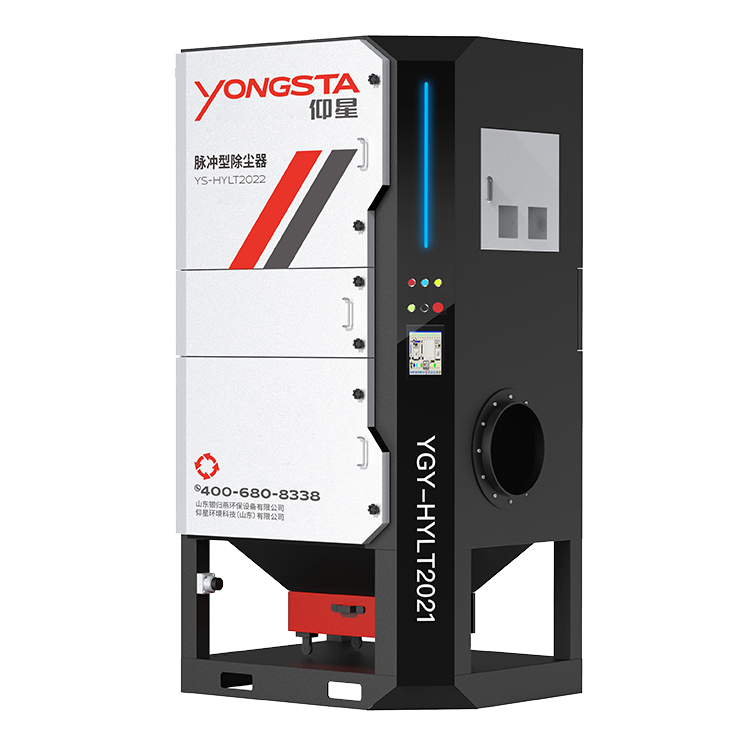
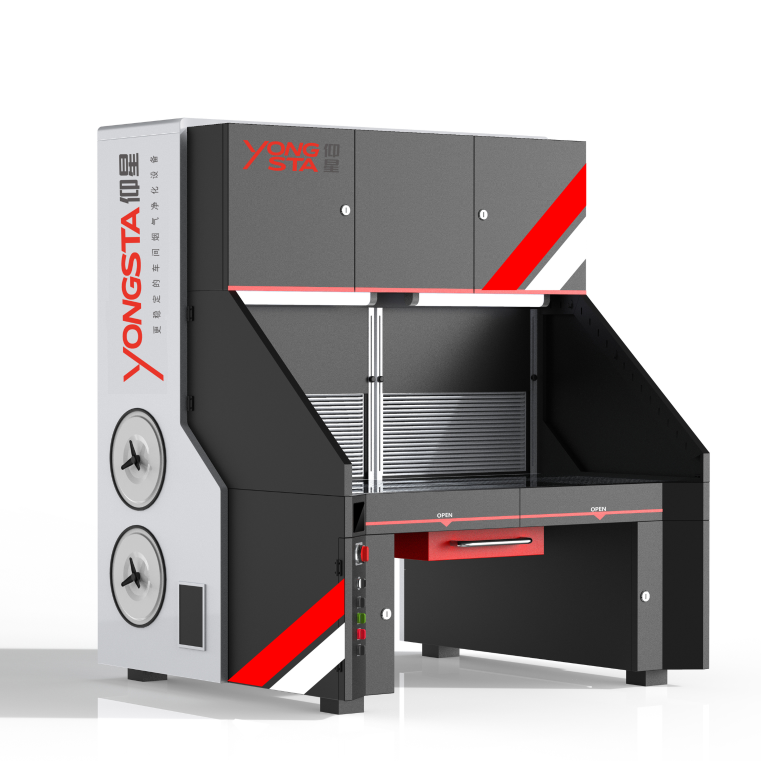
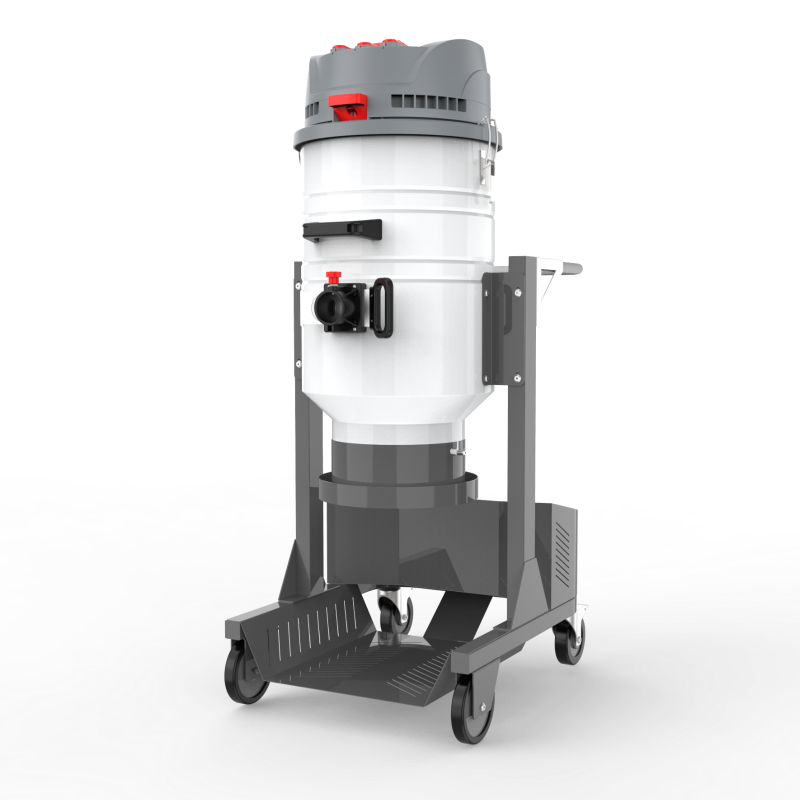
A welding fume extractor is a specialized air filtration system designed to capture and remove hazardous fumes, smoke, and particulate matter generated during welding operations. This essential equipment protects workers from inhaling toxic substances while maintaining clean air quality in industrial environments. The primary function of a welding fume extractor involves drawing contaminated air away from the welding area through powerful suction mechanisms, filtering out harmful particles, and returning purified air back into the workspace. Modern welding fume extractors incorporate advanced filtration technologies that can capture particles as small as 0.3 microns, effectively removing metal oxides, gases, and other dangerous byproducts created during various welding processes including MIG, TIG, arc welding, and plasma cutting. These systems typically feature multiple filtration stages, starting with pre-filters that capture larger particles, followed by HEPA filters or activated carbon filters that trap finer contaminants and neutralize odors. The technological features of contemporary welding fume extractors include variable speed controls that allow operators to adjust suction power based on specific welding tasks, flexible extraction arms that can be positioned precisely at the source of fume generation, and automated filter monitoring systems that alert users when maintenance is required. Many units also incorporate spark arrestors to prevent fire hazards and noise reduction technology to minimize workplace disruption. Applications for welding fume extractors span across numerous industries including automotive manufacturing, shipbuilding, construction, metal fabrication shops, maintenance facilities, and educational institutions offering welding training programs. These systems prove invaluable in both large-scale industrial operations and smaller workshop settings where welding activities occur regularly. By implementing a welding fume extractor, businesses demonstrate commitment to occupational health standards, comply with environmental regulations, and create safer working conditions that reduce employee sick days and improve overall productivity in metalworking environments.

New Product Recommendations

Installing a welding fume extractor brings immediate and measurable benefits that directly impact your bottom line and workforce wellbeing. First and foremost, these systems protect your employees from serious health risks associated with welding fume exposure. When welders breathe in metal fumes containing manganese, chromium, nickel, and other toxic substances, they face increased risks of respiratory diseases, neurological disorders, and various cancers. A welding fume extractor eliminates this danger by capturing harmful particles right at the source before workers can inhale them. This protection translates into fewer sick days, lower healthcare costs, and reduced liability for workplace-related illnesses. Your team stays healthier, more focused, and more productive throughout their careers. Beyond health protection, a welding fume extractor dramatically improves visibility in your workspace. Welding generates thick smoke that obscures vision, forcing welders to work more slowly and increasing the likelihood of errors or accidents. By continuously removing fumes, these extractors maintain clear sightlines, allowing welders to work faster and produce higher quality results with fewer mistakes. This visibility improvement alone can boost productivity by significant margins while reducing material waste from flawed welds. Compliance with safety regulations becomes straightforward when you use a welding fume extractor. Occupational safety agencies worldwide have established strict limits on permissible exposure to welding fumes. Without proper extraction equipment, your facility risks citations, fines, and potential shutdowns during inspections. A quality welding fume extractor ensures you meet or exceed these standards consistently, providing documentation of your commitment to worker safety. The financial advantages extend to reduced facility maintenance as well. Welding fumes that escape into your building settle on surfaces, equipment, and ventilation systems, causing corrosion and requiring frequent cleaning. A welding fume extractor prevents this contamination, extending the lifespan of your facility infrastructure and reducing maintenance expenses. Your lighting fixtures stay cleaner, your walls remain free from metallic residue, and your HVAC systems avoid premature failure. Employee morale and retention improve significantly when workers see their employer investing in their safety. Skilled welders increasingly seek employers who prioritize health protection, and a welding fume extractor sends a clear message that you value your team. This investment helps you attract top talent and retain experienced workers who might otherwise leave for safer working conditions elsewhere. Finally, modern welding fume extractors operate efficiently with minimal energy consumption, and their long-lasting filters reduce ongoing operational costs, making them a smart financial decision that pays dividends through improved safety, productivity, and regulatory compliance.

Latest News

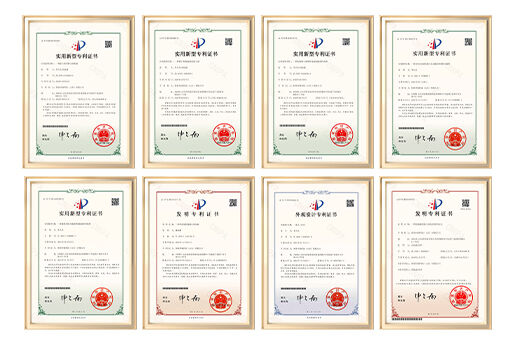
Yongsta R&D Team Wins 3 Dust Removal Technology Patents, Leading Industry Innovation

09

Apr

Yongsta R&D Team Wins 3 Dust Removal Technology Patents, Leading Industry Innovation

View More
Yongsta Cooperates with TUV for ATEX Explosion-Proof Certification, Explosion-Proof Dust Collector to Be Launched Soon

09

Apr

Yongsta Cooperates with TUV for ATEX Explosion-Proof Certification, Explosion-Proof Dust Collector to Be Launched Soon

View More
Empowering Benchmark Manufacturing! Yongsta Cartridge Dust Collector Aids Siemens Transformer China Factory's Dust Removal Renovation and Gains High Recognition

09

Apr

Empowering Benchmark Manufacturing! Yongsta Cartridge Dust Collector Aids Siemens Transformer China Factory's Dust Removal Renovation and Gains High Recognition

View More

Get a Free Quote

Our representative will contact you soon.
Email
Name
Company Name
Message
0/1000

welding fume extractor

Advanced Multi-Stage Filtration Technology Ensures Maximum Protection

Advanced Multi-Stage Filtration Technology Ensures Maximum Protection

The cornerstone of any effective welding fume extractor lies in its filtration system, and modern units employ sophisticated multi-stage filtration technology that provides comprehensive protection against the full spectrum of welding-related contaminants. This advanced approach begins with a pre-filtration stage that captures larger particles and sparks, preventing them from reaching and damaging the more delicate filters downstream. These pre-filters typically consist of flame-resistant materials that can withstand the high temperatures and occasional sparks that escape from welding operations, serving as the first line of defense in the purification process. Following pre-filtration, the air stream passes through high-efficiency particulate air filters, commonly known as HEPA filters, which represent the gold standard in particle removal technology. These filters can capture 99.97 percent of particles measuring 0.3 microns or larger, effectively trapping the metal oxide fumes, dust, and microscopic particles that pose the greatest health risks to welders. The HEPA filtration stage removes manganese fumes, hexavalent chromium, iron oxide, aluminum oxide, and countless other metallic particles that become airborne during welding processes. Many premium welding fume extractor models incorporate an additional activated carbon filtration stage that addresses gaseous contaminants and odors that HEPA filters cannot capture. Activated carbon works through adsorption, where gas molecules adhere to the carbon surface, effectively removing ozone, carbon monoxide, nitrogen oxides, and the characteristic acrid smell associated with welding operations. This comprehensive filtration approach ensures that the air returned to your workspace is not merely reduced in particle content but genuinely purified to breathable quality standards. The multi-stage design also extends filter life significantly compared to single-stage systems. By distributing the filtration workload across multiple components, each filter operates within its optimal performance range, preventing premature clogging and maintaining consistent suction power throughout extended use periods. This efficiency translates directly into lower maintenance costs and reduced downtime for filter changes. Furthermore, advanced welding fume extractor systems include intelligent filter monitoring technology that tracks filter saturation levels and alerts operators when replacement becomes necessary, eliminating guesswork and preventing situations where compromised filters fail to provide adequate protection. The filtration technology in modern welding fume extractors represents years of engineering refinement focused on balancing maximum particle capture with minimal airflow resistance, ensuring that your system delivers powerful extraction performance while maintaining energy efficiency and providing the thorough protection your welding operations demand.

Flexible Extraction Arms Provide Precise Fume Capture at the Source

Flexible Extraction Arms Provide Precise Fume Capture at the Source

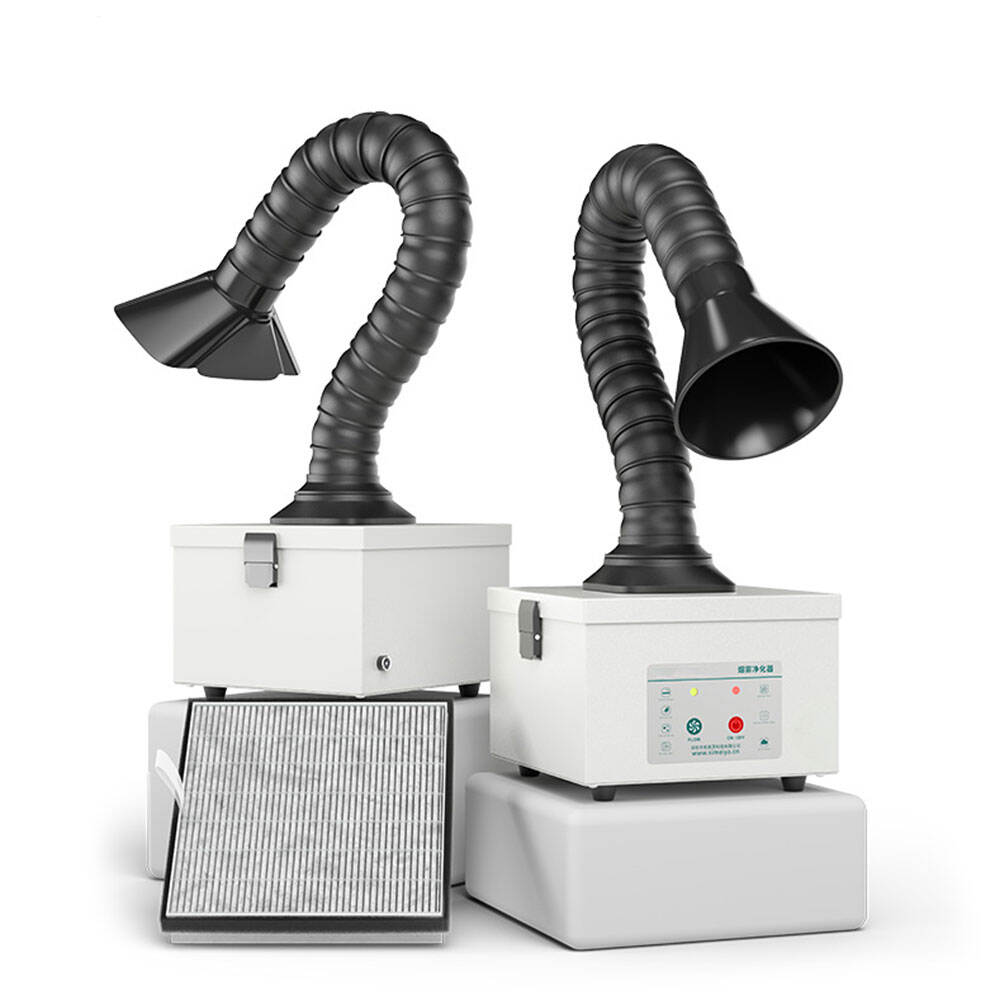
One of the most valuable features distinguishing professional-grade welding fume extractor systems is the incorporation of flexible extraction arms that can be positioned with precision directly at the point where fumes generate. These articulating arms represent a quantum leap beyond fixed extraction hoods or general ventilation systems, offering welders the ability to place the capture point within inches of their work without obstructing access or interfering with their welding technique. The engineering behind these flexible arms balances strength with maneuverability, utilizing internal support structures that hold position reliably once adjusted while still allowing smooth repositioning when needed. Quality extraction arms extend several feet from the main unit, providing reach sufficient for large workpieces while retracting compactly when working in confined spaces. The arm segments typically feature rotation points at multiple intervals, creating the flexibility to navigate around obstacles and approach the welding area from optimal angles. This positional freedom proves essential because fume capture efficiency depends critically on proximity to the source. When the extraction hood sits close to where welding occurs, it captures fumes in their concentrated state before they disperse throughout the workspace, requiring less airflow and energy to achieve complete removal. The hood attachments at the end of flexible arms come in various configurations designed for different welding scenarios. Some feature wide flanges for general fabrication work, while others incorporate narrow slots ideal for precision welding on small components. Many welding fume extractor systems offer interchangeable hoods, allowing operators to select the most appropriate capture geometry for each specific task. The interior of these hoods often includes directional vanes that optimize airflow patterns, creating a capture zone that effectively draws in fumes without generating excessive turbulence that might disrupt shielding gas in MIG or TIG welding applications. Beyond their functional benefits, flexible extraction arms contribute significantly to workplace ergonomics and welder satisfaction. Rather than forcing welders to position their work to accommodate fixed extraction points, these arms adapt to natural working positions and existing workflow patterns. Welders can adjust the arm quickly between tasks without tools or complicated procedures, maintaining productivity while ensuring continuous protection. The arms also incorporate features like integrated dampers that prevent sudden movements and balanced counterweights that reduce the physical effort required for repositioning. Some advanced welding fume extractor models include arms with extended reach capabilities exceeding ten feet, making them suitable for large fabrication projects, shipbuilding applications, or situations where the main extraction unit must remain at a distance from the welding area. The combination of reach, flexibility, and precise positioning capability makes these extraction arms an indispensable component of effective fume management, transforming the welding fume extractor from a stationary filtration device into a dynamic, responsive system that adapts to the ever-changing demands of professional welding environments.
Energy-Efficient Operation Reduces Costs While Maintaining Powerful Performance

Energy-Efficient Operation Reduces Costs While Maintaining Powerful Performance

Modern welding fume extractor systems incorporate energy-efficient technologies that deliver powerful extraction performance while minimizing operational costs, representing a significant advancement over older ventilation approaches that consumed excessive electricity without providing targeted fume removal. The efficiency gains begin with variable frequency drive motors that adjust fan speed dynamically based on actual extraction demands rather than running constantly at maximum power. When welding activity pauses or when working on tasks that generate fewer fumes, the welding fume extractor automatically reduces motor speed, cutting energy consumption proportionally while maintaining sufficient airflow to capture any residual contaminants. This intelligent speed modulation can reduce energy usage by forty to sixty percent compared to fixed-speed systems, translating into substantial savings on utility bills over the equipment's operational lifetime. The energy efficiency of contemporary welding fume extractor units extends beyond motor technology to encompass aerodynamic design principles that minimize resistance throughout the airflow path. Engineers optimize ductwork geometry, hood shapes, and internal passages to reduce turbulence and pressure drops that force motors to work harder. Smooth transitions between components, carefully calculated bend radii, and strategically placed flow straighteners ensure that air moves through the system with minimal energy loss. These design refinements allow welding fume extractor systems to achieve high capture velocities at extraction points while drawing less power than less sophisticated units. The filtration components themselves contribute to energy efficiency through their design and materials. High-quality filters maintain low pressure drops even as they accumulate particles, allowing the system to sustain strong airflow without requiring motor speed increases to compensate for filter loading. Advanced filter media featuring optimized fiber structures and electrostatic properties capture particles efficiently without creating excessive resistance, extending the interval between filter changes while keeping energy consumption stable. Some premium welding fume extractor models incorporate filter cleaning mechanisms that periodically pulse compressed air through filters to dislodge accumulated particles, further extending filter life and maintaining optimal airflow efficiency. The cumulative effect of these energy-saving features makes modern welding fume extractor systems remarkably economical to operate despite their powerful performance capabilities. Facilities running multiple extraction units can realize annual energy savings measured in thousands of dollars compared to older equipment or inadequate general ventilation systems that attempt to clear welding fumes by exchanging entire building volumes of air. Beyond direct energy costs, efficient welding fume extractor operation reduces the load on facility HVAC systems since less conditioned air escapes through exhaust vents, providing additional climate control savings. The environmental benefits parallel the financial advantages, as reduced energy consumption translates directly into lower carbon emissions and a smaller environmental footprint for your welding operations. Many manufacturers now provide detailed energy consumption data and efficiency ratings for their welding fume extractor models, allowing informed comparisons during the selection process. When evaluating options, consider not just the initial purchase price but the total cost of ownership including energy expenses over the expected equipment lifespan, typically ten to fifteen years for quality units. The investment in an energy-efficient welding fume extractor pays dividends continuously through reduced operating costs while delivering the powerful, reliable fume extraction performance that protects your workforce and maintains compliance with air quality regulations.

Get a Free Quote

Our representative will contact you soon.
Email
Name
Company Name
Message
0/1000
email goToTop