Energy-Efficient Operation Reduces Operating Costs and Environmental Impact
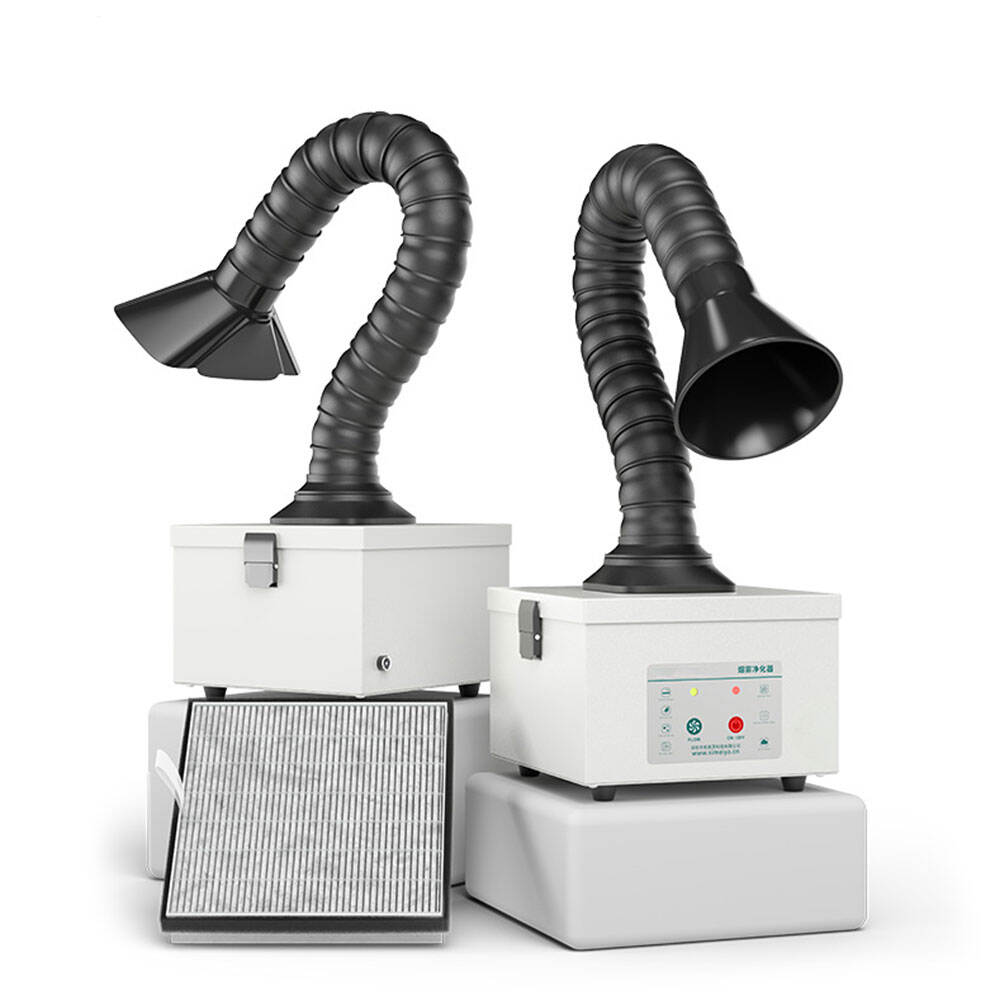
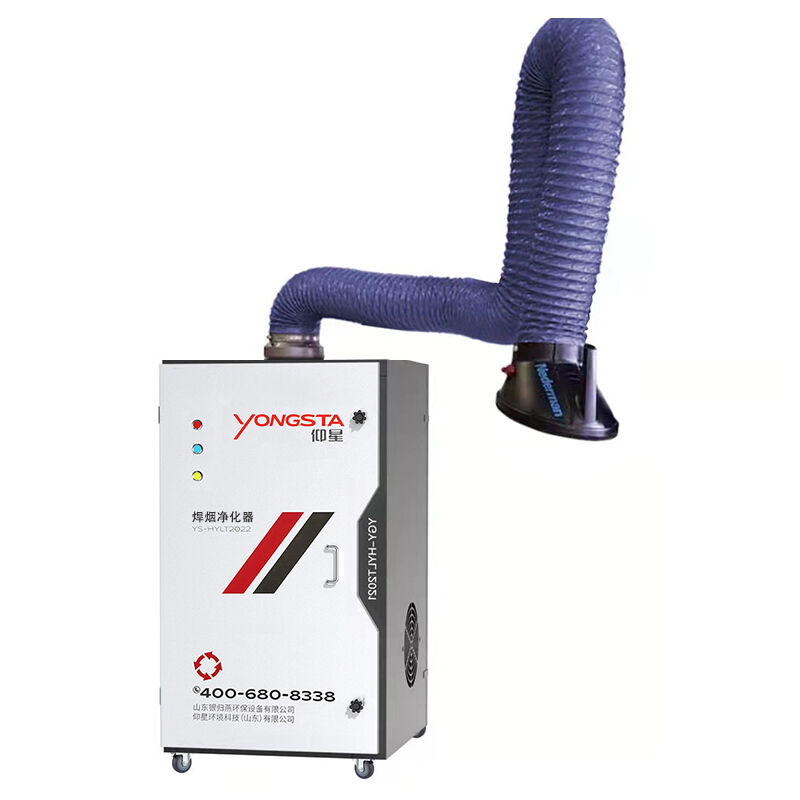
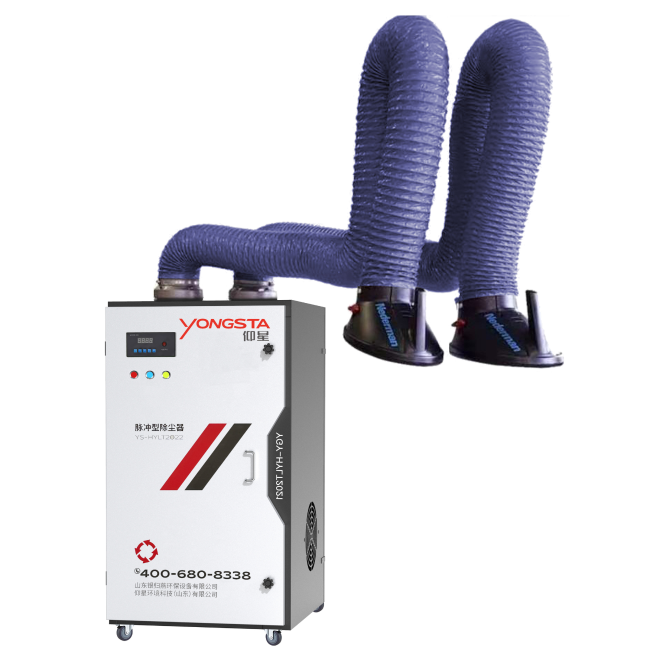
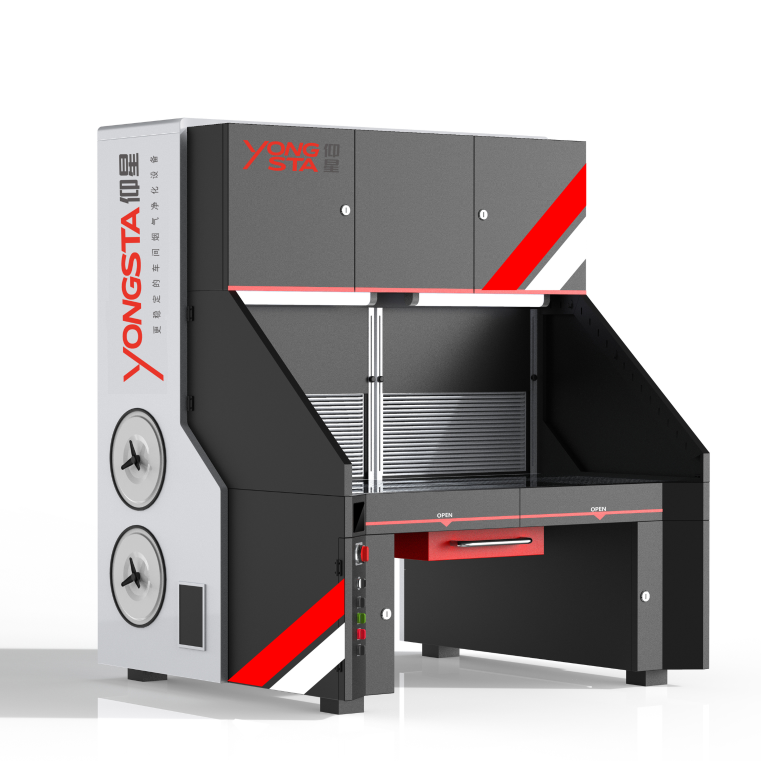
Energy efficiency has become a paramount consideration in industrial equipment selection as electricity costs rise and environmental sustainability gains importance. Small industrial dust collectors incorporate numerous technologies and design features that minimize power consumption while maintaining effective dust capture, delivering operational savings that accumulate substantially over the equipment lifespan. The energy efficiency story begins with properly sized motors and fans matched precisely to application requirements. Oversized equipment wastes energy by moving more air than necessary, while undersized systems run continuously at maximum capacity, consuming excessive power and wearing prematurely. Small industrial dust collectors allow right-sizing for specific workstations or processes, ensuring you deploy only the capacity needed. Variable frequency drives represent one of the most impactful energy-saving technologies in modern small industrial dust collectors. These electronic controls adjust motor speed dynamically based on actual dust loading and airflow requirements rather than running at full speed constantly. During periods of light dust generation or when equipment is idle, the collector automatically reduces fan speed, cutting energy consumption proportionally. Studies show variable frequency drives can reduce dust collector energy use by 30 to 50 percent compared to constant-speed operation, with payback periods often under two years. The automatic filter cleaning systems in small industrial dust collectors contribute to energy efficiency by maintaining optimal airflow resistance. As filters accumulate dust, airflow restriction increases, forcing fans to work harder and consume more energy to maintain suction. Pulse-jet cleaning removes dust buildup before significant restriction occurs, keeping the system operating in its most efficient range. Pressure differential monitoring ensures cleaning occurs only when needed rather than on arbitrary schedules, avoiding unnecessary compressed air consumption. Speaking of compressed air, efficient pulse-jet systems use minimal air volume per cleaning cycle. Optimized nozzle designs, precise timing controls, and targeted pulse delivery ensure effective filter cleaning with the smallest possible air consumption. Some advanced small industrial dust collectors incorporate energy recovery systems that capture and reuse heat generated by motors and compressed air systems, further improving overall efficiency. The compact design of small industrial dust collectors inherently supports energy efficiency through reduced ductwork requirements. Every foot of duct adds resistance that the fan must overcome, consuming additional energy. By positioning collectors close to dust sources, duct lengths shrink dramatically, reducing static pressure losses and allowing smaller, more efficient fans. Shorter ducts also minimize heat loss in applications where maintaining air temperature matters. Intelligent controls in modern small industrial dust collectors enable sophisticated energy management strategies. Occupancy sensors can automatically shut down collectors when work areas are unoccupied, eliminating energy waste during breaks, shift changes, and non-production periods. Integration with machine controls allows collectors to operate only when dust-generating equipment runs, synchronizing operation for maximum efficiency. Programmable schedules accommodate varying production patterns, ramping collection capacity up or down to match actual needs throughout the day or week. The energy efficiency of small industrial dust collectors extends beyond electricity consumption to encompass the total environmental footprint. Efficient filtration reduces the volume of dust requiring disposal, lowering waste management costs and environmental impact. Long-lasting filter media reduces replacement frequency, conserving resources and reducing landfill contributions. Some filter materials are recyclable or manufactured from recycled content, supporting circular economy principles. Energy-efficient operation also reduces the carbon footprint associated with dust collection. Lower electricity consumption means fewer greenhouse gas emissions from power generation, contributing to corporate sustainability goals and potentially qualifying for green building certifications or utility rebates. The cumulative effect of these energy-saving features makes small industrial dust collectors increasingly attractive as energy costs rise and environmental regulations tighten. The operational savings achieved through efficient design often exceed the initial equipment cost over the system lifespan, making energy efficiency not just environmentally responsible but economically compelling. Businesses that prioritize energy-efficient small industrial dust collectors position themselves competitively through lower operating costs while demonstrating environmental stewardship that resonates with customers, employees, and communities.
 ×
×



 EN
EN