Industrial Dust Collection Unit: Advanced Air Quality Solutions for Manufacturing Facilities

Get a Free Quote

Our representative will contact you soon.
Email
Name
Company Name
Message
0/1000

industrial dust collection unit

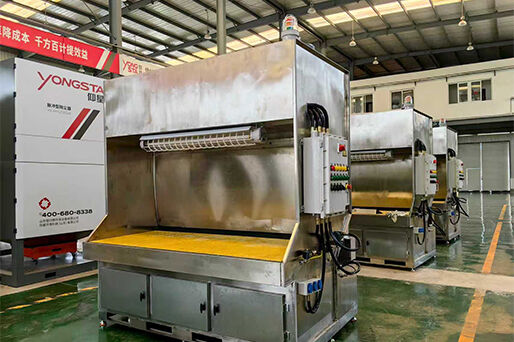
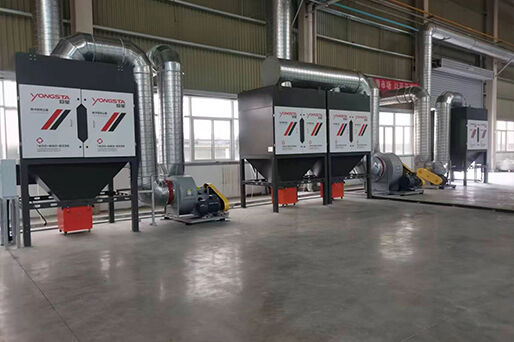
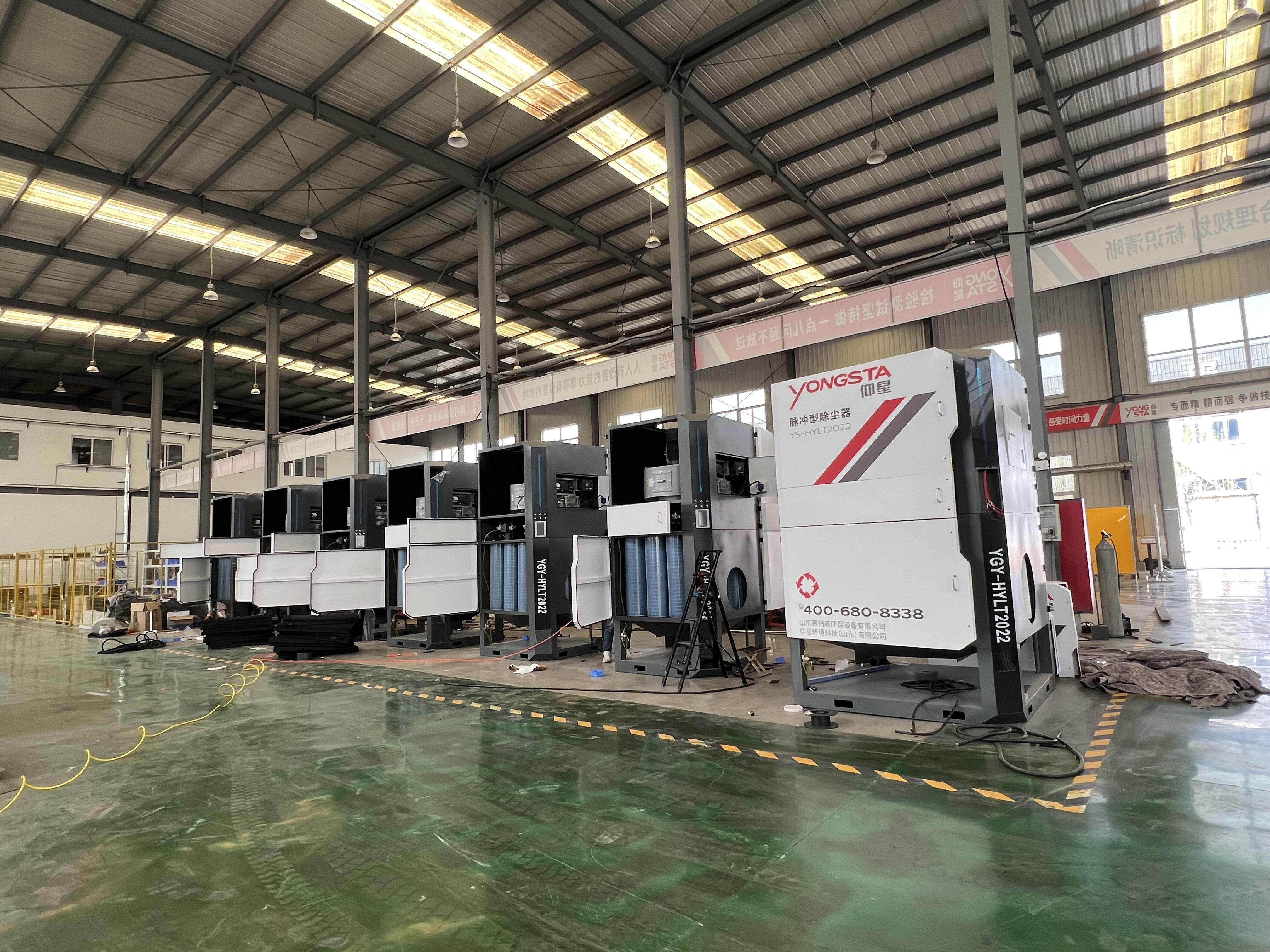
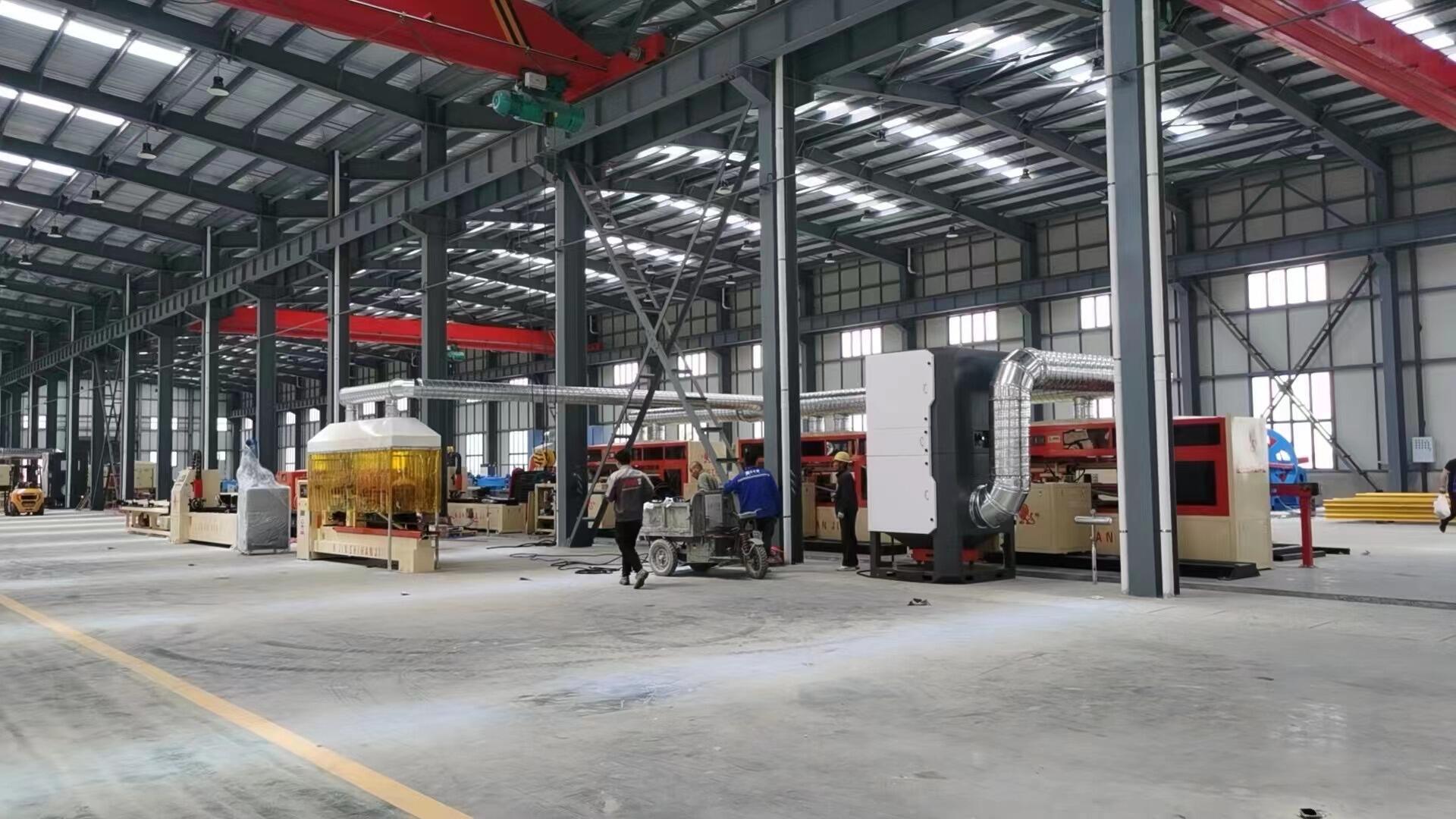
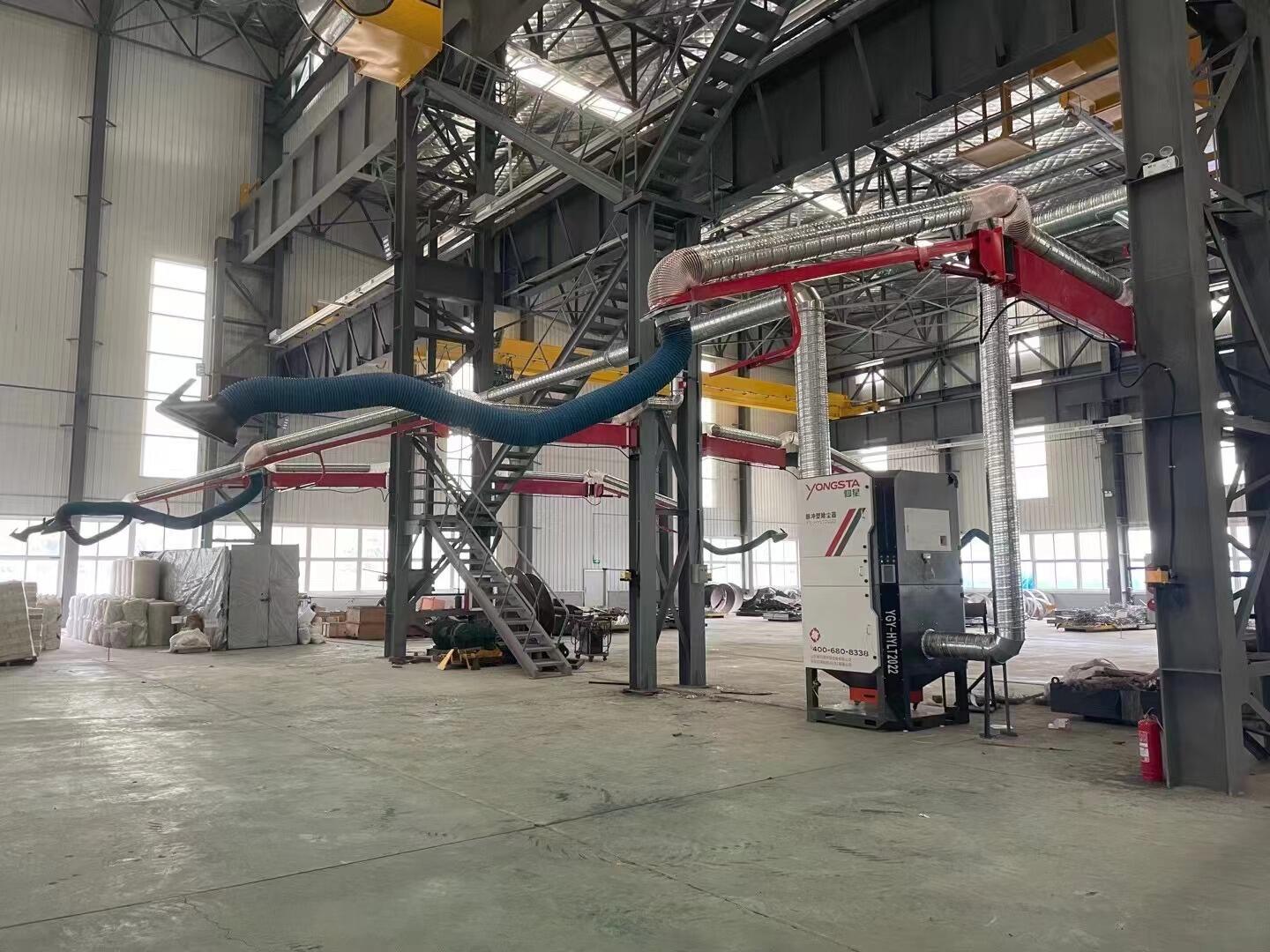
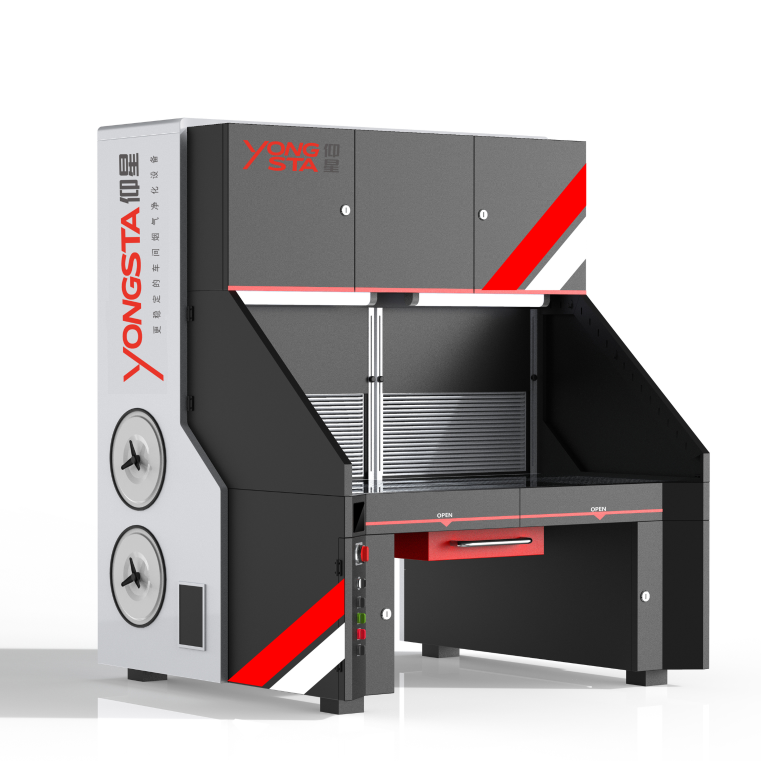
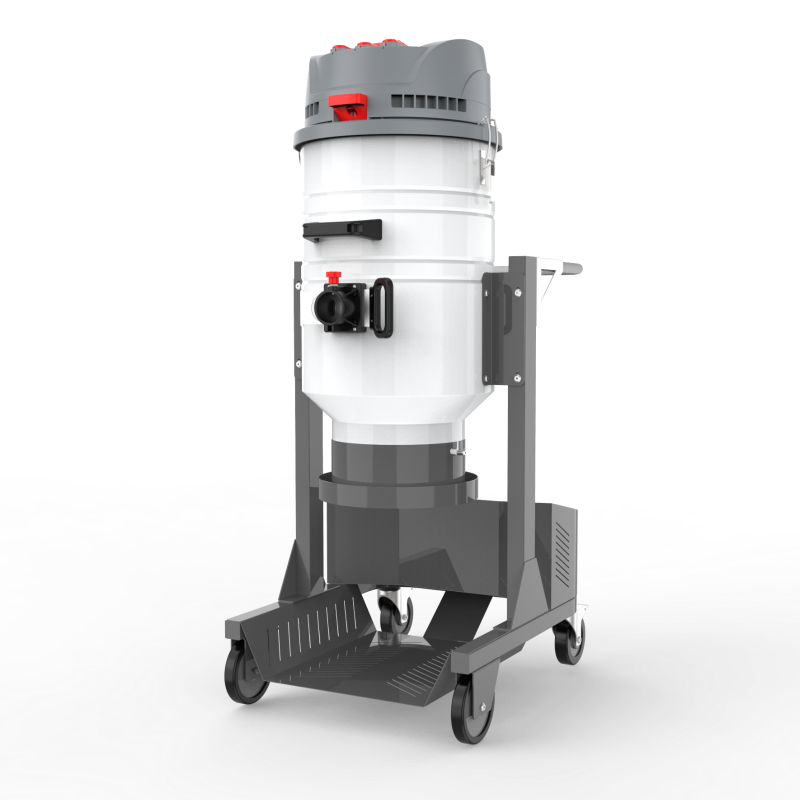
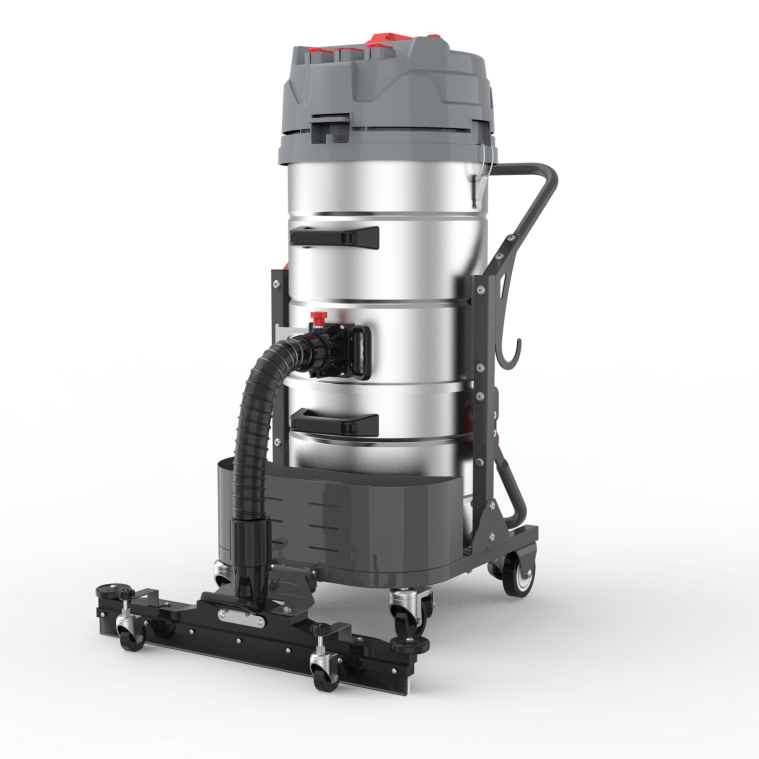
An industrial dust collection unit serves as a critical air quality management system designed to capture, filter, and remove airborne particulates generated during manufacturing and production processes. These sophisticated systems protect worker health, maintain equipment longevity, and ensure regulatory compliance across diverse industrial environments. The primary function of an industrial dust collection unit involves drawing contaminated air through strategically positioned intake points, separating harmful particles from the airstream, and returning clean air to the workspace or exhausting it safely outdoors. Modern units incorporate advanced filtration technologies including baghouse filters, cartridge collectors, cyclonic separators, and electrostatic precipitators, each engineered for specific particle sizes and industrial applications. The technological features of contemporary industrial dust collection units include variable frequency drives for energy optimization, automated filter cleaning mechanisms such as pulse-jet systems, differential pressure monitoring for performance tracking, and intelligent control systems that adjust operation based on real-time air quality data. These units handle various particle types ranging from fine combustible dusts to heavy metal shavings, with collection efficiencies exceeding 99.9 percent for submicron particles. Applications span metalworking facilities where grinding and cutting operations generate metal dust, woodworking shops producing sawdust and wood chips, pharmaceutical manufacturing requiring sterile environments, food processing plants managing organic particulates, chemical production facilities handling potentially hazardous powders, and cement plants controlling heavy dust loads. The industrial dust collection unit integrates seamlessly with existing production equipment through flexible ductwork configurations, offering centralized systems for facility-wide coverage or localized units for specific workstations. Proper sizing and selection of an industrial dust collection unit depends on factors including air volume requirements measured in cubic feet per minute, particle characteristics, regulatory standards, and spatial constraints within the facility.

New Product Recommendations

Investing in an industrial dust collection unit delivers immediate and long-term benefits that directly impact your bottom line and operational efficiency. Worker safety improves dramatically when you remove harmful airborne particles from breathing zones, reducing respiratory illnesses, allergic reactions, and long-term health complications that lead to absenteeism and workers compensation claims. Clean air environments boost employee morale and productivity as workers perform tasks without irritation from dust exposure, leading to better focus and fewer errors during production cycles. Equipment maintenance costs drop significantly because dust accumulation on machinery causes premature wear, overheating, and mechanical failures that result in expensive repairs and unplanned downtime. An industrial dust collection unit prevents particle buildup on motors, bearings, and electronic components, extending equipment lifespan by years and protecting your capital investments. Product quality sees measurable improvements when you eliminate contamination from settling dust, reducing defect rates and customer complaints while enhancing your reputation for delivering consistent, high-quality goods. Regulatory compliance becomes straightforward with properly functioning dust collection systems that meet OSHA standards, EPA requirements, and NFPA guidelines, helping you avoid costly fines, legal liabilities, and potential facility shutdowns during inspections. Fire and explosion risks decrease substantially in facilities handling combustible dusts, as industrial dust collection units with proper grounding, spark detection, and explosion venting protect against catastrophic incidents that could destroy property and endanger lives. Energy efficiency gains materialize through modern systems that recirculate conditioned air rather than exhausting it outdoors, reducing heating and cooling costs while maintaining comfortable working temperatures year-round. Housekeeping requirements diminish when airborne particles get captured at the source rather than settling on floors, walls, and surfaces, cutting cleaning labor hours and allowing staff to focus on value-adding activities. Facility appearance improves as dust-free environments present a professional image to customers, inspectors, and potential business partners during facility tours. An industrial dust collection unit also increases property value and marketability should you decide to sell or lease your facility, as prospective buyers recognize the infrastructure investment and reduced environmental liability. Noise reduction occurs with enclosed collection systems that muffle production sounds, creating a more pleasant work environment and helping you meet community noise ordinances in residential areas.

Tips And Tricks

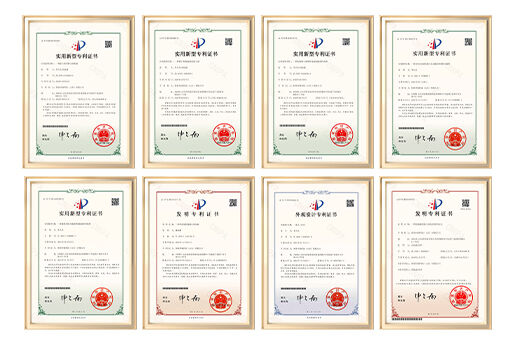
Yongsta R&D Team Wins 3 Dust Removal Technology Patents, Leading Industry Innovation

09

Apr

Yongsta R&D Team Wins 3 Dust Removal Technology Patents, Leading Industry Innovation

View More
Yongsta Cooperates with TUV for ATEX Explosion-Proof Certification, Explosion-Proof Dust Collector to Be Launched Soon

09

Apr

Yongsta Cooperates with TUV for ATEX Explosion-Proof Certification, Explosion-Proof Dust Collector to Be Launched Soon

View More
Empowering Benchmark Manufacturing! Yongsta Cartridge Dust Collector Aids Siemens Transformer China Factory's Dust Removal Renovation and Gains High Recognition

09

Apr

Empowering Benchmark Manufacturing! Yongsta Cartridge Dust Collector Aids Siemens Transformer China Factory's Dust Removal Renovation and Gains High Recognition

View More

Get a Free Quote

Our representative will contact you soon.
Email
Name
Company Name
Message
0/1000

industrial dust collection unit

Advanced Filtration Technology for Maximum Particle Capture

Advanced Filtration Technology for Maximum Particle Capture

The filtration technology within an industrial dust collection unit represents the core component determining system performance and air quality outcomes. Modern units employ multiple filtration stages engineered to capture particles across the entire size spectrum, from coarse debris measuring several millimeters down to submicron particulates invisible to the naked eye. Baghouse filtration systems utilize fabric filter bags constructed from specialized materials including polyester, polypropylene, aramid fibers, and PTFE membranes, each selected based on temperature resistance, chemical compatibility, and particle characteristics specific to your application. These filter bags create a dust cake on their surface that actually enhances filtration efficiency over time, trapping progressively smaller particles as the cake develops while maintaining acceptable pressure drop across the system. Cartridge collectors offer compact alternatives with pleated filter media providing greater surface area within smaller footprints, making them ideal for facilities with limited floor space or ceiling height constraints. The pleated design of cartridge filters in an industrial dust collection unit increases filtration area by factors of ten or more compared to flat media, extending service intervals and reducing filter replacement costs. Pulse-jet cleaning mechanisms automatically remove accumulated dust from filter surfaces using compressed air bursts, restoring airflow capacity without shutting down production or requiring manual intervention. This automated cleaning extends filter life significantly while maintaining consistent collection efficiency throughout operational cycles. Cyclonic pre-separators installed upstream of primary filters remove larger, heavier particles through centrifugal force, reducing the particulate load reaching expensive filter media and dramatically extending their service life. An industrial dust collection unit with properly designed cyclonic separation can remove 85 to 95 percent of particles by weight before air reaches final filtration stages, protecting filters from abrasive wear and premature clogging. HEPA filtration options provide final polishing for applications requiring ultra-clean air, capturing 99.97 percent of particles at 0.3 microns, the most penetrating particle size. Facilities producing pharmaceuticals, electronics, or food products benefit from HEPA-equipped industrial dust collection units that prevent product contamination and meet stringent cleanliness standards. Filter monitoring systems track differential pressure across filter banks, alerting operators when cleaning cycles should occur or when filters require replacement, preventing system performance degradation and unexpected failures during critical production runs.
Intelligent Control Systems for Optimized Performance

Intelligent Control Systems for Optimized Performance

Contemporary industrial dust collection units incorporate sophisticated control systems that transform basic particle capture into intelligent air quality management platforms. Variable frequency drives regulate fan motor speeds based on actual system demand rather than running continuously at full capacity, reducing energy consumption by 30 to 60 percent compared to constant-speed operations while extending motor life through reduced mechanical stress. These drives adjust airflow dynamically as production equipment cycles on and off, maintaining optimal capture velocities at intake points without wasting energy moving air when machines sit idle. Programmable logic controllers serve as the brain of an industrial dust collection unit, coordinating multiple system functions including filter cleaning sequences, damper positions, fan speeds, and alarm conditions through user-friendly touchscreen interfaces that simplify operation and troubleshooting. Operators monitor system performance in real-time through graphical displays showing airflow rates, pressure differentials, filter conditions, and energy consumption, enabling data-driven decisions about maintenance scheduling and system optimization. Remote monitoring capabilities allow facility managers and maintenance personnel to check industrial dust collection unit status from smartphones or computers, receiving instant alerts about abnormal conditions before they escalate into costly failures or safety hazards. Predictive maintenance algorithms analyze operational data to forecast filter replacement needs, bearing wear, and component failures weeks or months in advance, shifting maintenance from reactive emergency repairs to planned interventions during scheduled downtime. Automated filter cleaning optimization adjusts pulse-jet timing and intensity based on actual dust loading rather than fixed intervals, minimizing compressed air consumption while maintaining peak filtration performance across varying production conditions. An industrial dust collection unit with intelligent controls learns your facility's operational patterns, adapting cleaning cycles to match production schedules and reducing unnecessary filter pulsing during low-dust periods. Integration with facility management systems enables coordinated operation with production equipment, HVAC systems, and building automation platforms, creating synergies that improve overall facility efficiency. Spark detection systems protect against fire hazards by identifying incandescent particles entering ductwork, triggering automatic suppression systems or diverting sparks to safe collection areas before they reach filter media. Explosion isolation systems on industrial dust collection units handling combustible dusts deploy chemical suppressants or mechanical barriers within milliseconds of detecting pressure spikes, preventing flame propagation back into production areas and protecting workers and equipment from catastrophic events.
Flexible Configuration Options for Diverse Applications

Flexible Configuration Options for Diverse Applications

The versatility of industrial dust collection unit designs allows customization for virtually any manufacturing environment, particle type, or spatial constraint. Modular construction enables systems to scale from small single-machine applications processing hundreds of cubic feet per minute to massive centralized installations handling hundreds of thousands of CFM across entire production facilities. Centralized systems connect multiple dust-generating machines through ductwork networks to a single large industrial dust collection unit, offering economies of scale in equipment costs, maintenance requirements, and floor space utilization while providing consistent performance across all collection points. Decentralized approaches position smaller dedicated units near individual machines or work cells, eliminating long duct runs that consume energy through friction losses while providing flexibility to match collection capacity precisely to each application's requirements. Portable industrial dust collection units mounted on casters serve facilities with changing layouts or temporary operations, moving easily between workstations as production needs shift without permanent installation costs or facility modifications. Outdoor installations protect indoor floor space for revenue-generating equipment while simplifying maintenance access and reducing noise transmission into work areas, though they require weatherproof enclosures and heating systems for cold climates. Indoor configurations integrate with existing building infrastructure, utilizing conditioned air recirculation to minimize heating and cooling losses while maintaining compact footprints through vertical designs that maximize ceiling height utilization. Explosion-proof industrial dust collection units constructed with heavy-gauge steel, reinforced seams, and pressure relief venting protect facilities handling combustible dusts including metal powders, wood dust, pharmaceutical ingredients, and food products that pose deflagration risks. Corrosion-resistant materials including stainless steel, powder-coated finishes, and specialized gasket materials extend system life in harsh environments with chemical exposure, high humidity, or corrosive particulates that would rapidly degrade standard carbon steel construction. High-temperature applications such as welding fume capture, foundry operations, and thermal processing require industrial dust collection units with heat-resistant filter media, insulated ductwork, and cooling systems that protect components from thermal damage while maintaining collection efficiency. Cleanroom-compatible designs with smooth interior surfaces, sanitary connections, and validation documentation support pharmaceutical and food processing facilities requiring compliance with FDA, GMP, or other regulatory frameworks governing contamination control and equipment qualification.

Get a Free Quote

Our representative will contact you soon.
Email
Name
Company Name
Message
0/1000
email goToTop