Kostnadseffektiv drift med minimala underhållskrav
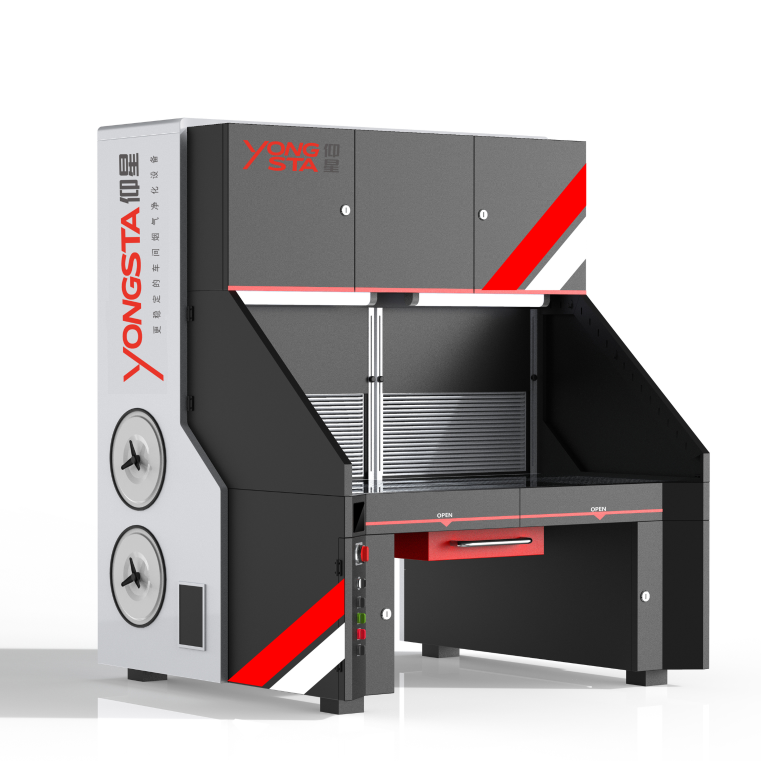
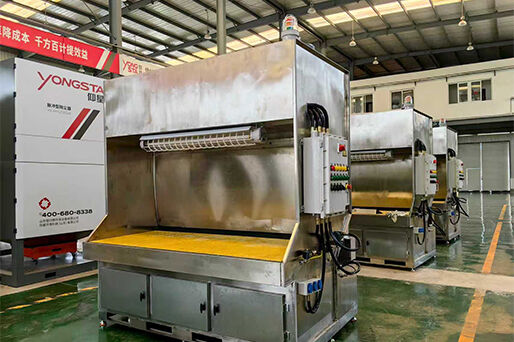
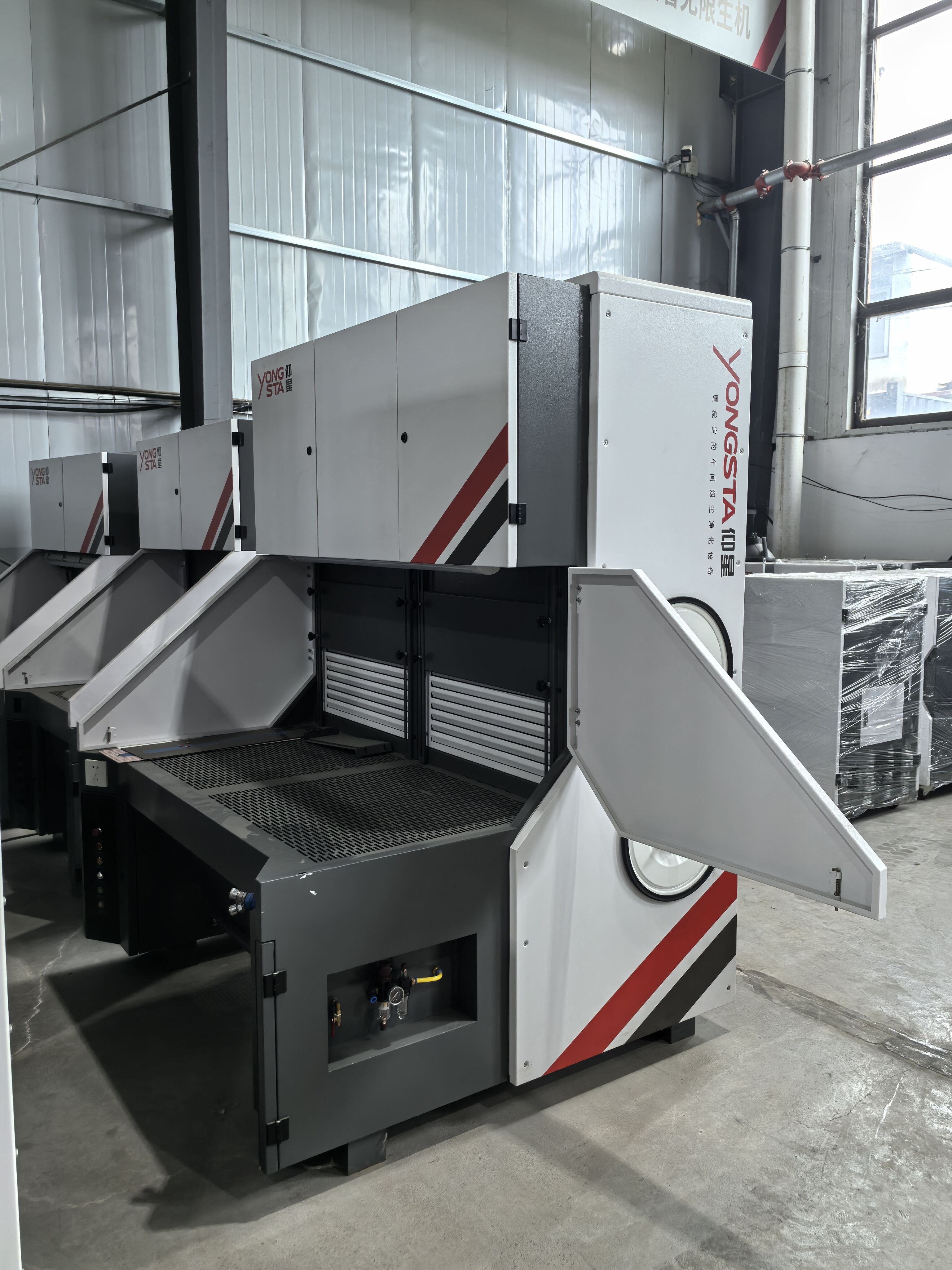
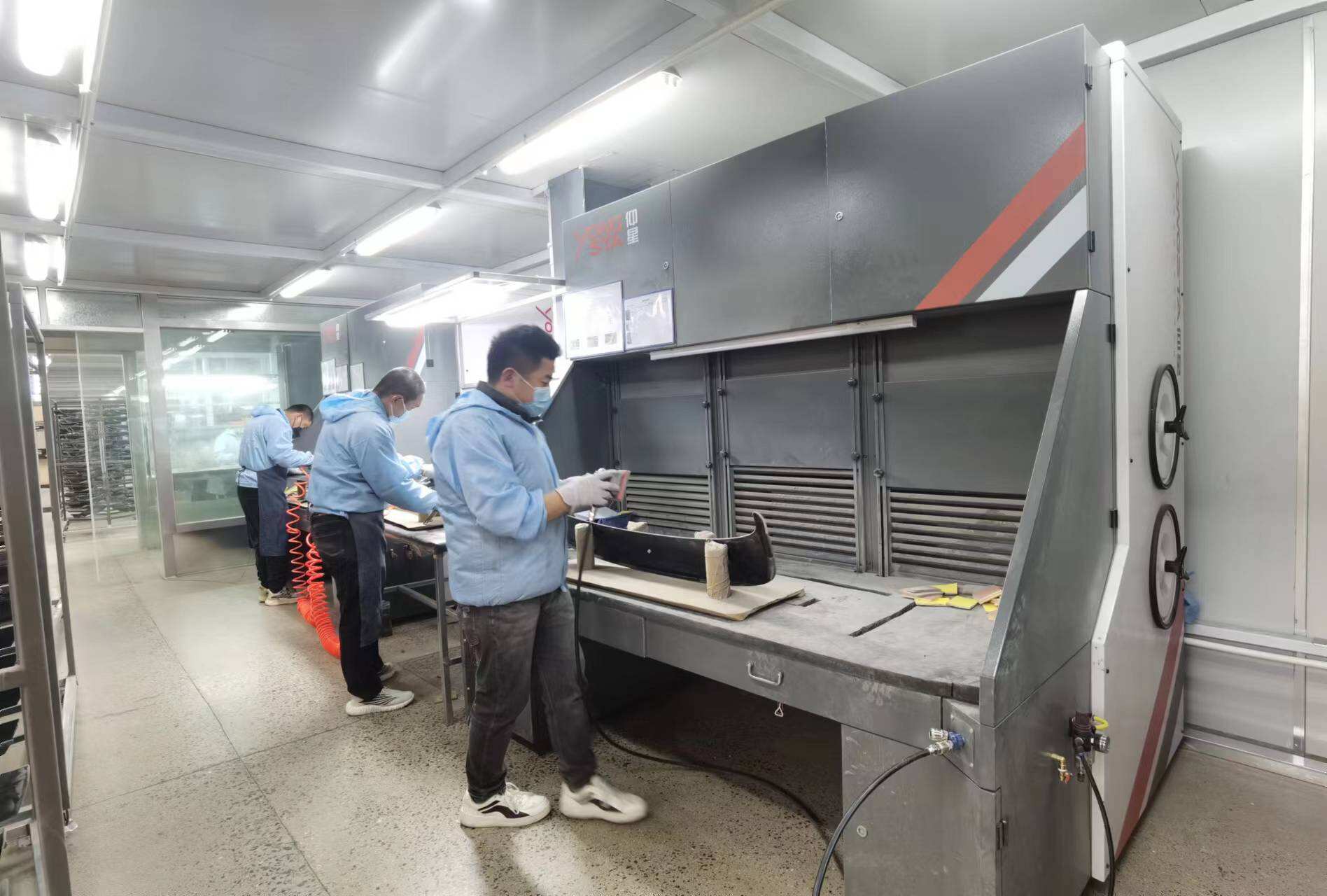
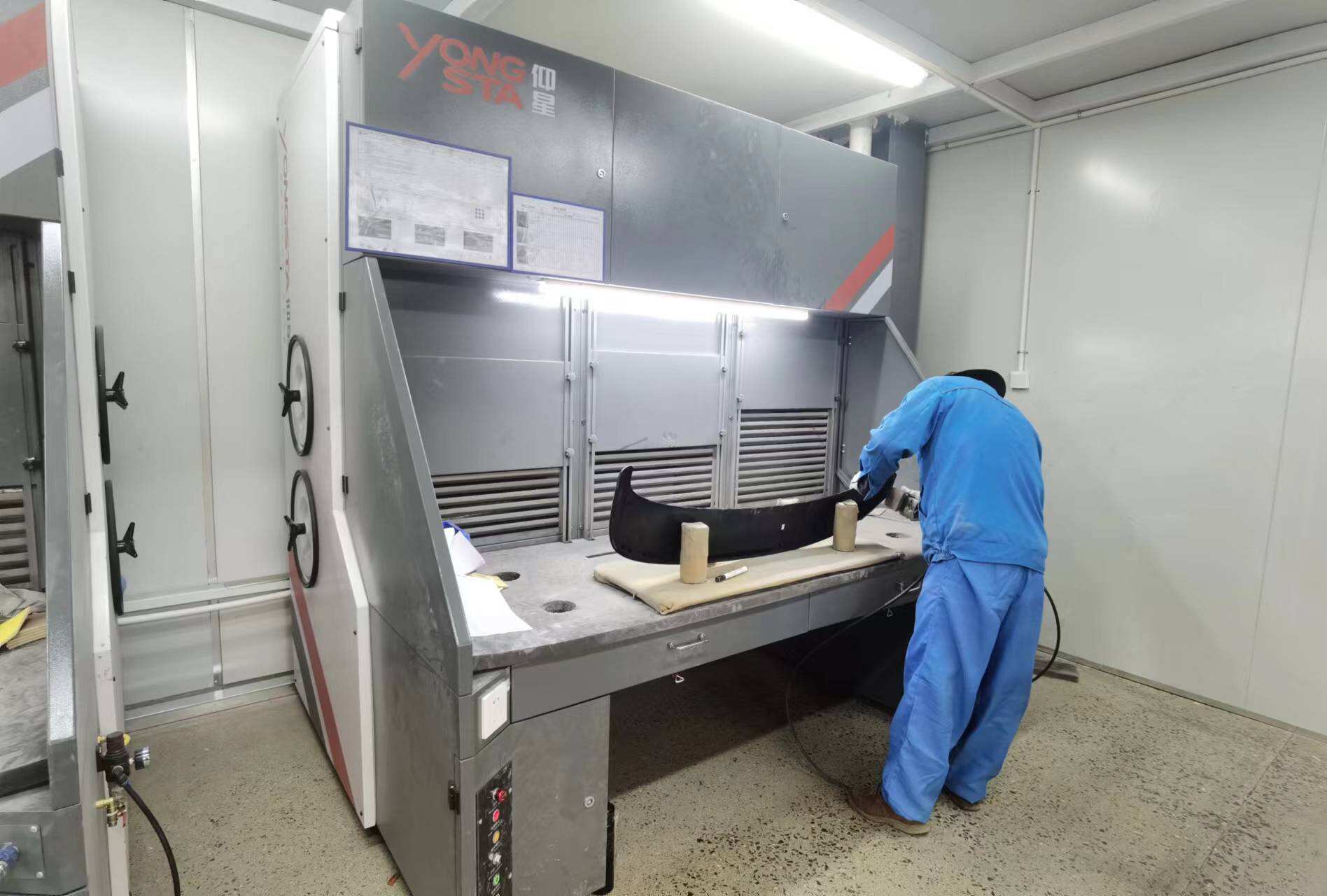
Den industriella nedåtströmmande arbetsbänken ger exceptionellt värde genom effektiv drift och enkla underhållsprocedurer som minimerar pågående kostnader och driftstopp. Till skillnad från komplexa centrala dammuppsamlningssystem som kräver omfattande kanalsystem, flera uppsamlingspunkter och avancerad styrutrustning fungerar den industriella nedåtströmmande arbetsbänken som en självständig enhet med färre komponenter som kan gå sönder eller kräva service. Filtreringssystemet använder lättillgängliga filtermedier som operatörer kan byta snabbt utan specialverktyg eller teknisk expertis, vilket minskar underhållskostnaderna för arbetskraft och eliminerar behovet av externa serviceentreprenörer för rutinmässigt underhåll. De flesta modeller av industriella nedåtströmmande arbetsbänkar är utrustade med filtersövervakningssystem som varnar operatörer när filterbyten är nödvändiga, vilket förhindrar för tidiga filterbyten som slösar bort pengar samtidigt som det säkerställer att filter aldrig blir så igensatta att de försämrar systemets prestanda. Den modulära filterkonstruktionen möjliggör delvis filterbyte, så att anläggningar endast kan byta filter för de mest intensivt använda sektionerna i stället för att byta hela filterbanken samtidigt – vilket sprider kostnaderna över tid och minskar materialspill. Energiförbrukningen förblir rimlig eftersom den industriella nedåtströmmande arbetsbänken endast transporterar luft genom det omedelbara arbetsområdet i stället för att ventileras ett helt rum eller en hel byggnad, och variabla hastighetsregleringar minskar ytterligare elanvändningen vid lättare arbetsuppgifter. Direktkopplade fläktsystem som används i moderna industriella nedåtströmmande arbetsbänkar eliminerar remmar, hjul och andra slitagekomponenter som kräver periodisk justering och byte, vilket minskar både reservdelskostnader och underhållstid. Den robusta stålkonstruktionen tål de krävande förhållandena i industriella miljöer och motstånd mot skador orsakade av fallna verktyg, stötar från arbetsstycken samt de korrosiva effekterna av metallstoft och kemisk påverkan. Den perforerade arbetsytan kan tas bort för rengöring eller byte utan att hela enheten behöver demonteras, och ersättningsytorna kostar betydligt mindre än reparation eller byte av skadade konventionella arbetsbänkar. Den industriella nedåtströmmande arbetsbänken genererar minimalt ljud jämfört med höghastighetsutsläppssystem, vilket eliminerar behovet av ljudisolering eller akustiska åtgärder som ökar kostnaderna och komplexiteten. Den kompakta golvytan maximerar den användbara golvytan, vilket gör att anläggningar kan bibehålla produktiva arbetsområden utan att ägna överdrivit mycket kvadratmeter till ventilationsutrustning. Beräkningar av avkastning på investeringen (ROI) visar konsekvent en fördel för den industriella nedåtströmmande arbetsbänken vid jämförelse av total ägarkostnad (TCO) mot alternativa dammkontrollmetoder, inklusive utrustningskostnad, installationskostnader, energiförbrukning, underhållskrav och driftslivslängd. Anläggningar rapporterar återbetalningsperioder som varierar från några månader till några år beroende på applikationsintensitet och tidigare dammkontrollmetoder, med fortsatta besparingar under hela utrustningens fleråriga livslängd.
 ×
×



 EN
EN