Industrial Downdraft Table - Professional Dust Extraction Workstation for Manufacturing

Get a Free Quote

Our representative will contact you soon.
Email
Name
Company Name
Message
0/1000

industrial downdraft table

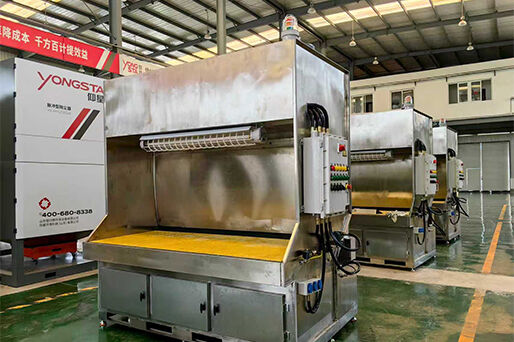
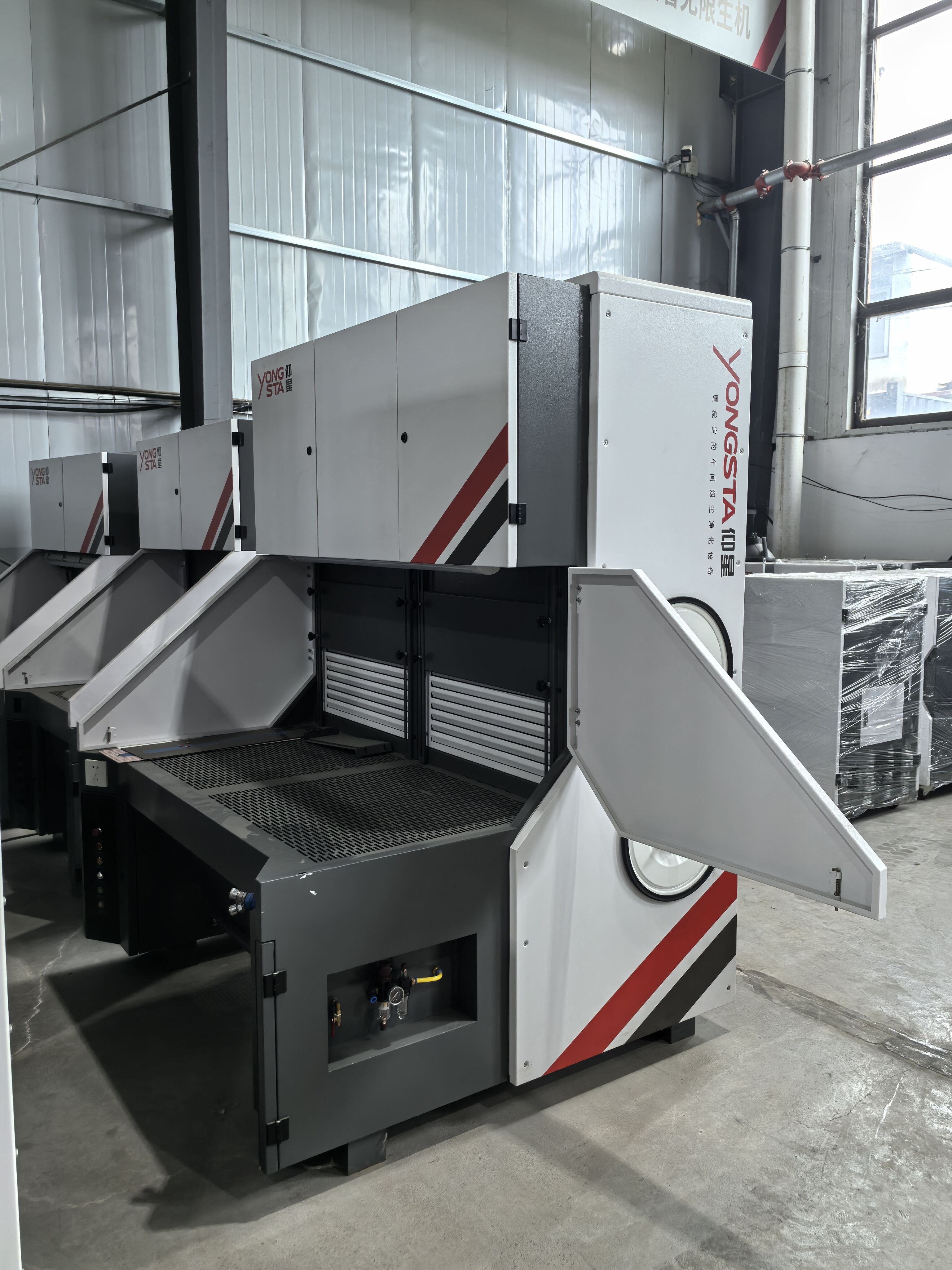
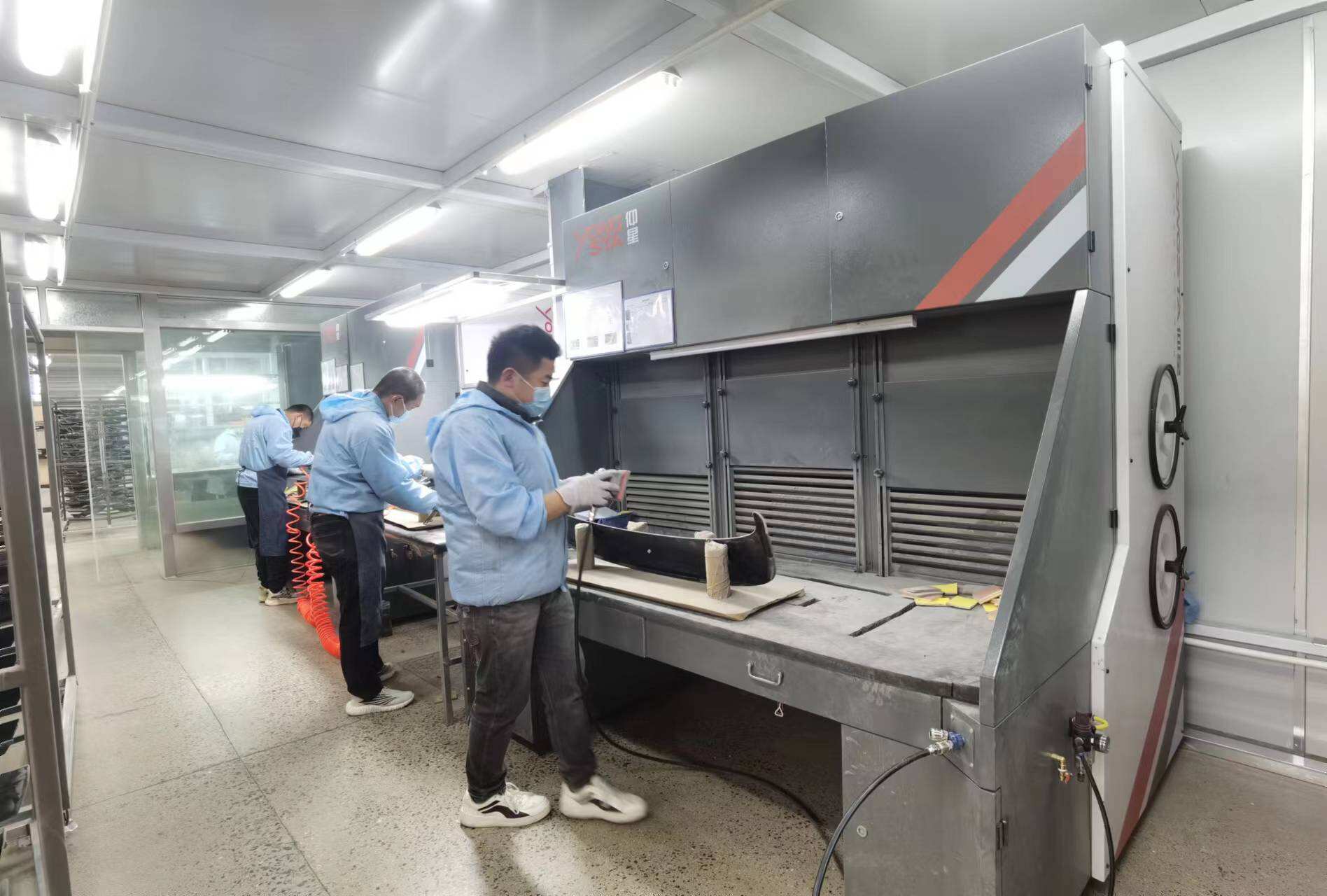
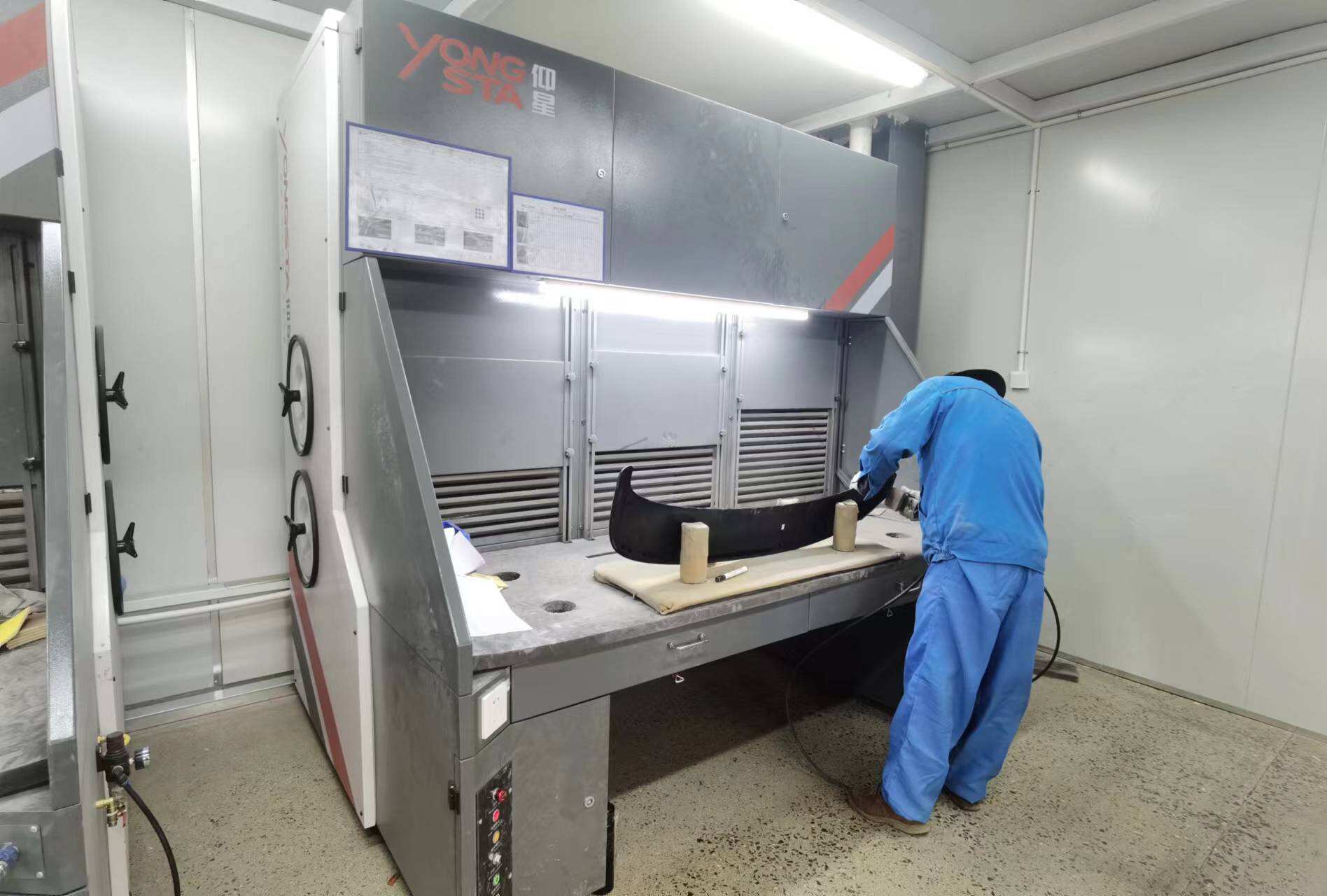
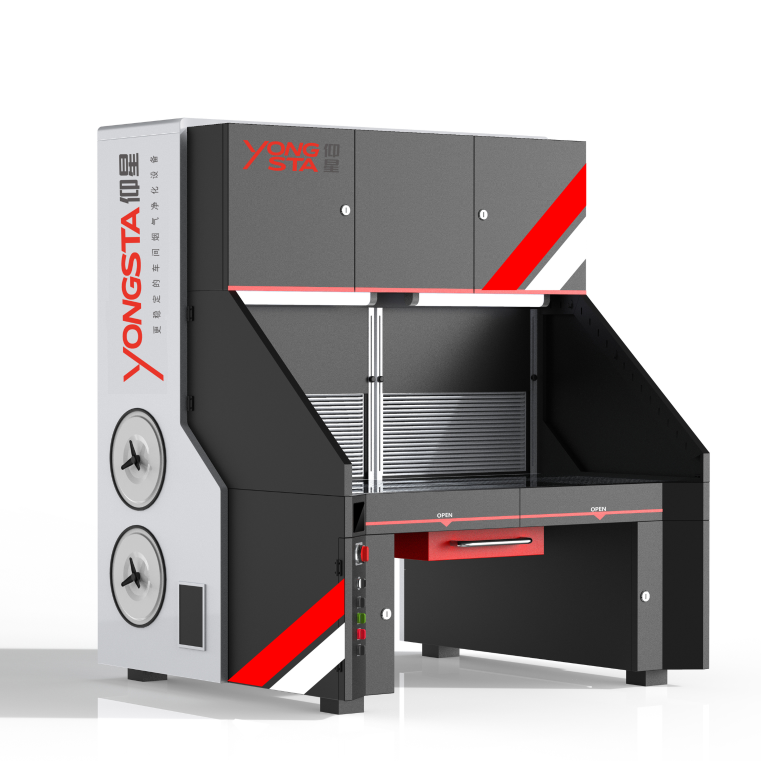
An industrial downdraft table represents a specialized ventilation system designed to capture airborne contaminants at their source during manufacturing and finishing operations. This equipment creates a controlled airflow pattern that pulls dust, fumes, and particulates downward through a perforated work surface, preventing them from dispersing into the surrounding workspace. The industrial downdraft table functions as both a workstation and an extraction system, integrating seamlessly into production environments where material processing generates hazardous or nuisance particles. The core mechanism relies on powerful fans positioned beneath the work surface that generate negative pressure, drawing contaminated air through filters before releasing clean air back into the facility or exhausting it outdoors. These tables find extensive use in metalworking shops, woodworking facilities, composite manufacturing plants, and finishing operations where grinding, sanding, welding, or coating processes occur. The industrial downdraft table typically features a robust steel construction with a perforated top surface that allows air to pass through while supporting workpieces and tools. Modern units incorporate variable speed controls, allowing operators to adjust suction power based on the specific task and contamination level. The filtration system usually employs multiple stages, beginning with pre-filters that capture larger particles and progressing to fine filters that remove microscopic contaminants. Some advanced industrial downdraft table models include spark arrestors for operations involving hot work, and explosion-proof components for environments with combustible dust. The modular design of many units permits customization in terms of size, filtration capacity, and airflow volume to match specific production requirements. Installation flexibility allows these tables to function as standalone workstations or integrate into existing production lines, making the industrial downdraft table adaptable to diverse facility layouts and operational workflows.

New Product Recommendations

The industrial downdraft table delivers immediate improvements to workplace air quality by capturing contaminants before they can spread throughout the facility. Workers experience fewer respiratory issues, reduced eye irritation, and decreased exposure to potentially harmful substances, creating a healthier environment that supports long-term employee wellbeing. This equipment eliminates the need for workers to wear cumbersome respiratory protection during many operations, improving comfort and productivity while maintaining safety standards. The downward airflow pattern proves more effective than overhead extraction systems because it works with natural particle settling tendencies rather than against them, resulting in superior capture efficiency with lower energy consumption. Facilities using an industrial downdraft table often see reduced housekeeping costs since less dust accumulates on floors, equipment, and overhead structures. The contained extraction approach prevents cross-contamination between different work areas, which becomes particularly valuable in facilities handling multiple materials or products with varying cleanliness requirements. Regulatory compliance becomes simpler with an industrial downdraft table installed, as these systems help facilities meet occupational health standards and environmental regulations governing air quality and emissions. The investment in this equipment frequently pays for itself through reduced insurance premiums, lower workers compensation claims, and decreased absenteeism related to respiratory complaints. Production quality improves because airborne particles no longer settle on freshly finished surfaces, reducing defect rates and rework requirements. The industrial downdraft table enables facilities to reclaim valuable floor space previously dedicated to large central dust collection systems and ductwork, optimizing facility layout and workflow efficiency. Maintenance requirements remain manageable, with filter changes representing the primary recurring task, and most systems providing visual or electronic indicators when service becomes necessary. Energy efficiency continues improving as manufacturers develop more sophisticated fan motors and control systems that adjust airflow based on actual demand rather than running continuously at full capacity. The noise levels generated by an industrial downdraft table typically remain lower than traditional dust collection systems, contributing to a more comfortable work environment and easier communication between team members. Flexibility represents another significant advantage, as these tables can be relocated within a facility or moved to new locations if production layouts change, unlike permanent ductwork installations that require extensive modification.

Tips And Tricks

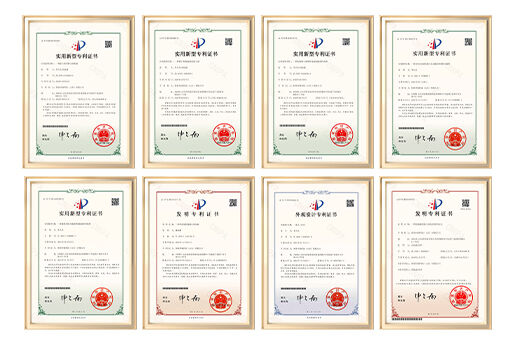
Yongsta R&D Team Wins 3 Dust Removal Technology Patents, Leading Industry Innovation

09

Apr

Yongsta R&D Team Wins 3 Dust Removal Technology Patents, Leading Industry Innovation

View More
Yongsta Cooperates with TUV for ATEX Explosion-Proof Certification, Explosion-Proof Dust Collector to Be Launched Soon

09

Apr

Yongsta Cooperates with TUV for ATEX Explosion-Proof Certification, Explosion-Proof Dust Collector to Be Launched Soon

View More
Empowering Benchmark Manufacturing! Yongsta Cartridge Dust Collector Aids Siemens Transformer China Factory's Dust Removal Renovation and Gains High Recognition

09

Apr

Empowering Benchmark Manufacturing! Yongsta Cartridge Dust Collector Aids Siemens Transformer China Factory's Dust Removal Renovation and Gains High Recognition

View More

Get a Free Quote

Our representative will contact you soon.
Email
Name
Company Name
Message
0/1000

industrial downdraft table

Superior Contaminant Capture at the Source

Superior Contaminant Capture at the Source

The industrial downdraft table excels at capturing contaminants precisely where they generate, providing unmatched efficiency compared to alternative ventilation approaches. This source capture methodology prevents particles from becoming airborne and dispersing throughout the workspace, addressing contamination before it becomes a widespread problem. The downward airflow pattern created by the industrial downdraft table works in harmony with gravity and natural particle behavior, ensuring that even fine particles get drawn into the filtration system rather than floating away from the work area. The perforated work surface distributes suction evenly across the entire table, eliminating dead zones where contaminants might escape capture. This uniform airflow pattern means operators can work anywhere on the surface with consistent protection, unlike point-source extraction that only provides effective capture within a limited radius. The industrial downdraft table generates sufficient air velocity to capture particles from grinding, sanding, and cutting operations while remaining gentle enough not to disturb lightweight workpieces or blow away small components. This balanced approach ensures effective extraction without interfering with work processes or creating additional handling challenges. The system captures not only visible dust but also submicron particles that pose the greatest health risks, as these tiny contaminants can penetrate deep into respiratory systems and cause long-term damage. By preventing these particles from becoming airborne, the industrial downdraft table protects workers from both immediate irritation and cumulative exposure effects. The contained extraction approach also prevents contamination from migrating to adjacent work areas, which becomes critical in facilities where different processes occur simultaneously. Clean assembly areas remain uncontaminated by dust from nearby grinding operations, and finishing booths stay particle-free despite sanding activities happening elsewhere in the facility. The industrial downdraft table achieves this isolation without requiring expensive room partitions or separate ventilation zones, simplifying facility design and reducing construction costs. The effectiveness of source capture translates directly into lower filter replacement costs, as the system captures contaminants before they can spread and settle throughout the facility, reducing the total volume of material that filtration systems must process.
Versatile Integration with Multiple Manufacturing Processes

Versatile Integration with Multiple Manufacturing Processes

The industrial downdraft table adapts seamlessly to diverse manufacturing operations, supporting everything from delicate hand finishing to aggressive material removal processes. This versatility makes the equipment valuable across numerous industries and applications, from aerospace component fabrication to custom furniture production. Metalworking facilities use the industrial downdraft table for grinding, deburring, and polishing operations that generate metal dust and particles, while woodworking shops rely on these tables for sanding, routing, and finishing tasks that produce wood dust and coating overspray. Composite manufacturing operations benefit from the ability to capture hazardous fibers during trimming and finishing of carbon fiber and fiberglass components, protecting workers from materials that can cause severe respiratory irritation. The industrial downdraft table proves equally effective for welding preparation and post-weld cleanup, capturing grinding dust and weld spatter that would otherwise contaminate the workspace. Facilities performing coating and finishing operations use these tables to contain overspray from spray guns, brushes, and rollers, preventing coating materials from settling on floors and equipment. The adjustable airflow capacity allows operators to increase suction for heavy dust generation during aggressive grinding, then reduce airflow for lighter tasks like hand sanding or inspection work, optimizing energy consumption while maintaining effective capture. The industrial downdraft table accommodates workpieces of varying sizes, from small components that fit entirely on the table surface to large assemblies that extend beyond the table edges while still benefiting from localized extraction at critical work points. Some facilities use multiple industrial downdraft table units in series to create extended work surfaces for processing long components like extrusions, panels, or structural members. The equipment integrates with existing quality control processes, providing a clean, well-lit work surface for inspection activities while simultaneously capturing any residual dust or particles that might interfere with defect detection. The industrial downdraft table supports both manual operations and semi-automated processes, with some facilities mounting robotic sanders or grinders above the table surface to combine automated material removal with effective dust extraction. This flexibility extends to facility layout, as the industrial downdraft table functions effectively as a standalone workstation, part of a production cell, or integrated into a continuous flow manufacturing line.
Cost-Effective Operation with Minimal Maintenance Requirements

Cost-Effective Operation with Minimal Maintenance Requirements

The industrial downdraft table delivers exceptional value through efficient operation and straightforward maintenance procedures that minimize ongoing costs and downtime. Unlike complex central dust collection systems requiring extensive ductwork, multiple collection points, and sophisticated controls, the industrial downdraft table operates as a self-contained unit with fewer components that can fail or require service. The filtration system uses readily available filter media that operators can replace quickly without specialized tools or technical expertise, reducing maintenance labor costs and eliminating the need for outside service contractors for routine upkeep. Most industrial downdraft table models incorporate filter monitoring systems that alert operators when replacement becomes necessary, preventing premature filter changes that waste money while ensuring filters never become so clogged that they compromise system performance. The modular filter design allows partial filter replacement, so facilities can change only the filters serving the most heavily used sections rather than replacing the entire filter bank simultaneously, spreading costs over time and reducing material waste. Energy consumption remains reasonable because the industrial downdraft table only moves air through the immediate work area rather than ventilating an entire room or building, and variable speed controls further reduce power usage during light-duty operations. The direct drive fan systems used in modern industrial downdraft table designs eliminate belts, pulleys, and other wear components that require periodic adjustment and replacement, reducing both parts costs and maintenance time. The robust steel construction withstands the demanding conditions of industrial environments, resisting damage from dropped tools, workpiece impacts, and the corrosive effects of metal dust and chemical exposure. The perforated work surface can be removed for cleaning or replacement without disassembling the entire unit, and replacement surfaces cost significantly less than repairing or replacing damaged conventional workbenches. The industrial downdraft table generates minimal noise compared to high-velocity extraction systems, eliminating the need for sound enclosures or acoustic treatments that add cost and complexity. The compact footprint maximizes usable floor space, allowing facilities to maintain productive work areas without dedicating excessive square footage to ventilation equipment. Return on investment calculations consistently favor the industrial downdraft table when comparing total cost of ownership against alternative dust control methods, factoring in equipment cost, installation expenses, energy consumption, maintenance requirements, and operational lifespan. Facilities report payback periods ranging from months to a few years depending on application intensity and previous dust control methods, with ongoing savings continuing throughout the equipment's multi-decade service life.

Get a Free Quote

Our representative will contact you soon.
Email
Name
Company Name
Message
0/1000
email goToTop