Plasma Fume Extractor Systems - Industrial Air Filtration for Metal Cutting Safety

Get a Free Quote

Our representative will contact you soon.
Email
Name
Company Name
Message
0/1000

plasma fume extractor

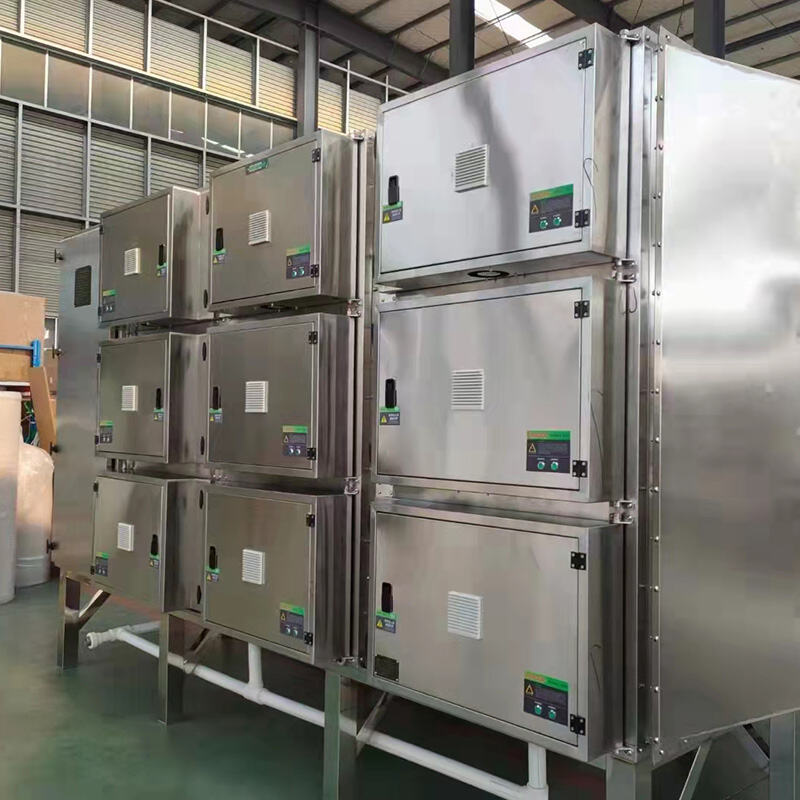
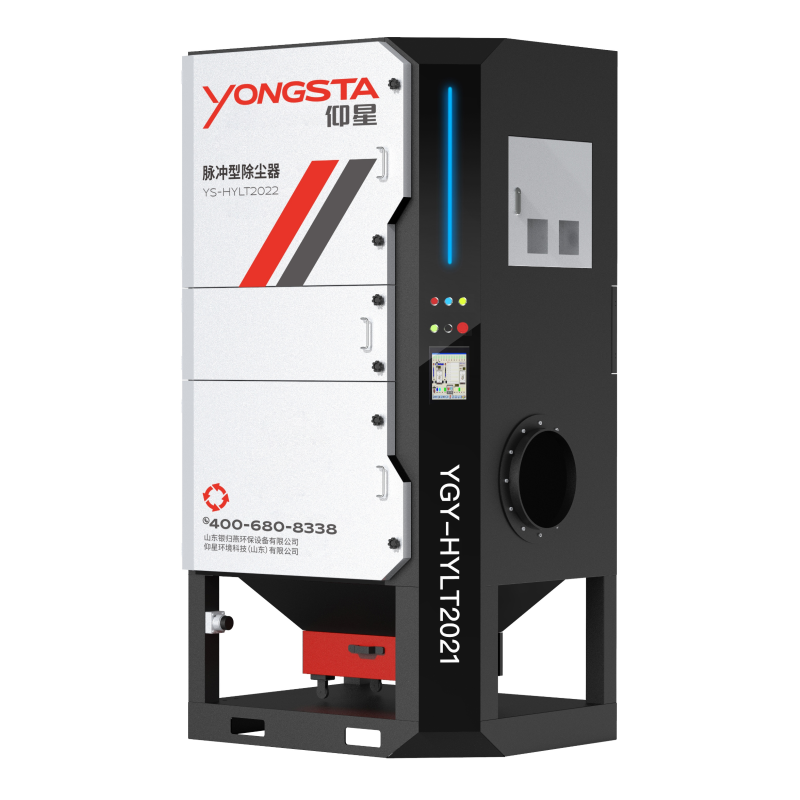
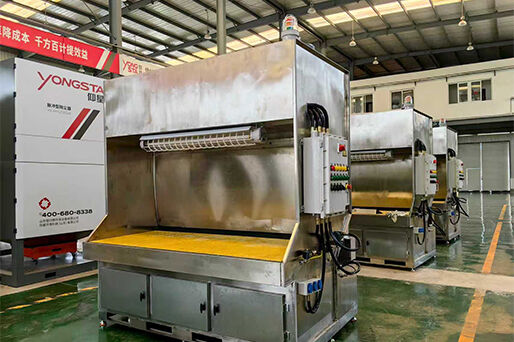
A plasma fume extractor represents an essential industrial air filtration system designed specifically to capture and remove hazardous fumes, smoke, and particulate matter generated during plasma cutting operations. This specialized equipment addresses the critical need for maintaining clean air quality in metalworking facilities where plasma cutting processes produce substantial amounts of toxic emissions. The primary function of a plasma fume extractor centers on protecting workers from harmful airborne contaminants while simultaneously ensuring compliance with occupational health and safety regulations. These systems employ advanced filtration technology to trap microscopic particles and noxious gases before they disperse throughout the workspace. Modern plasma fume extractors integrate powerful suction mechanisms with multi-stage filtration arrays, capturing contaminants at the source point before they can spread. The technology features high-efficiency particulate air filters combined with activated carbon stages to address both solid particles and gaseous pollutants. Industrial applications span automotive manufacturing, shipbuilding, metal fabrication shops, construction sites, and aerospace component production facilities. The equipment proves particularly valuable in enclosed workshop environments where ventilation limitations make natural air circulation insufficient. Plasma fume extractors operate through strategically positioned extraction arms or downdraft tables that position collection points near the cutting zone. This proximity ensures maximum capture efficiency while minimizing energy consumption. The systems accommodate various plasma cutting intensities, from light-duty operations to heavy industrial applications requiring continuous high-volume extraction. Installation flexibility allows integration with existing workshop layouts without requiring extensive facility modifications. Maintenance requirements remain manageable through accessible filter replacement systems and straightforward cleaning procedures. The equipment contributes to creating healthier work environments by reducing respiratory hazards, improving visibility during operations, and decreasing surface contamination from settled particulates. Investment in a plasma fume extractor delivers long-term value through reduced health insurance costs, lower absenteeism rates, enhanced productivity, and avoidance of regulatory penalties associated with inadequate air quality management.

New Product Releases

Implementing a plasma fume extractor in your metalworking facility delivers immediate and measurable improvements to workplace safety and operational efficiency. The most significant advantage lies in protecting employee health by removing dangerous metal fumes and toxic gases that plasma cutting generates. Workers exposed to these contaminants face serious respiratory conditions, metal fume fever, and long-term health complications that affect both quality of life and work performance. By capturing these hazards at the source, the extractor creates a safer breathing environment that reduces sick days and improves overall workforce wellbeing. The equipment also enhances visibility during cutting operations, as dense smoke clouds no longer obscure the work area. Operators can see their cutting lines clearly, resulting in more precise work, fewer errors, and reduced material waste. This improved accuracy translates directly into cost savings and higher quality finished products. Another practical benefit involves maintaining cleaner facilities overall. Without proper extraction, fine metallic particles settle on machinery, floors, and surfaces throughout the workshop, creating housekeeping challenges and potential equipment damage. The extractor prevents this widespread contamination by containing particles within its filtration system. This containment reduces cleaning time and extends the lifespan of other workshop equipment by preventing abrasive particle accumulation in moving parts. Regulatory compliance represents another crucial advantage, as occupational safety authorities enforce strict air quality standards in industrial settings. A plasma fume extractor helps facilities meet these requirements, avoiding costly fines and potential shutdown orders. The system also demonstrates corporate responsibility, which enhances company reputation among employees, clients, and community stakeholders. Energy efficiency features in modern extractors minimize operational costs while maintaining powerful suction capabilities. Variable speed controls allow operators to adjust extraction power based on current cutting intensity, preventing unnecessary energy consumption during lighter work periods. The modular design of contemporary systems enables scalability, allowing businesses to expand extraction capacity as operations grow without replacing entire systems. Noise reduction technology ensures the equipment operates quietly, preventing additional workplace stress and communication difficulties. Filter longevity and easy replacement procedures minimize maintenance downtime and associated labor costs. The return on investment becomes apparent quickly through reduced health claims, improved productivity, lower material waste, and avoided regulatory penalties. Beyond financial considerations, the extractor contributes to employee satisfaction and retention by demonstrating management commitment to providing safe working conditions. This investment signals that worker health matters, fostering loyalty and reducing turnover costs associated with recruiting and training replacement staff.

Practical Tips

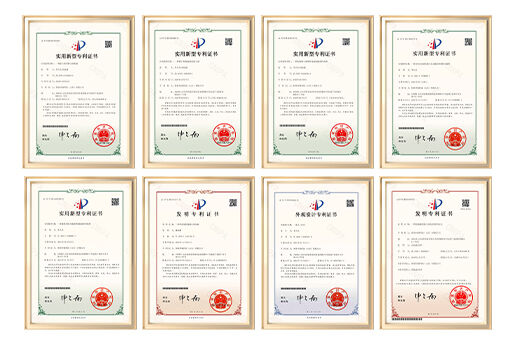
Yongsta R&D Team Wins 3 Dust Removal Technology Patents, Leading Industry Innovation

09

Apr

Yongsta R&D Team Wins 3 Dust Removal Technology Patents, Leading Industry Innovation

View More
Yongsta Cooperates with TUV for ATEX Explosion-Proof Certification, Explosion-Proof Dust Collector to Be Launched Soon

09

Apr

Yongsta Cooperates with TUV for ATEX Explosion-Proof Certification, Explosion-Proof Dust Collector to Be Launched Soon

View More
Empowering Benchmark Manufacturing! Yongsta Cartridge Dust Collector Aids Siemens Transformer China Factory's Dust Removal Renovation and Gains High Recognition

09

Apr

Empowering Benchmark Manufacturing! Yongsta Cartridge Dust Collector Aids Siemens Transformer China Factory's Dust Removal Renovation and Gains High Recognition

View More

Get a Free Quote

Our representative will contact you soon.
Email
Name
Company Name
Message
0/1000

plasma fume extractor

Advanced Multi-Stage Filtration Technology Ensures Maximum Contaminant Capture

Advanced Multi-Stage Filtration Technology Ensures Maximum Contaminant Capture

The cornerstone of any effective plasma fume extractor lies in its filtration system, and modern units employ sophisticated multi-stage approaches that address the complex mixture of contaminants produced during plasma cutting. The first stage typically consists of a pre-filter or spark arrestor that captures larger particles and prevents hot sparks from reaching sensitive filter media downstream. This initial barrier protects the more delicate filtration stages while handling the bulk of coarse particulate matter. The second stage introduces high-efficiency particulate air filtration capable of trapping particles as small as 0.3 microns with efficiency ratings exceeding 99.97 percent. This level of filtration proves essential because plasma cutting generates ultrafine metallic particles that easily penetrate standard filters and pose the greatest health risks when inhaled deep into lung tissue. These microscopic particles include heavy metals like chromium, nickel, manganese, and other toxic elements depending on the materials being cut. The third filtration stage incorporates activated carbon or chemical filters designed specifically to adsorb gaseous pollutants and odors that particulate filters cannot capture. Plasma cutting produces nitrogen oxides, ozone, carbon monoxide, and various volatile organic compounds that require chemical adsorption rather than mechanical filtration. The activated carbon provides a massive surface area where these gas molecules bond chemically, preventing their release back into the workspace. Some advanced systems include additional specialty filters for specific applications, such as oil mist separators for operations involving lubricated materials or HEPA afterfilters for ultra-clean environments. The sequential arrangement of these filtration stages creates a comprehensive barrier against all contaminant types while optimizing filter lifespan. Coarse particles captured early prevent premature clogging of expensive fine filters, extending replacement intervals and reducing operational costs. Filter monitoring systems provide real-time feedback on filter condition, alerting operators when replacement becomes necessary rather than relying on arbitrary time schedules. This condition-based maintenance approach prevents both premature filter disposal and continued operation with saturated filters that compromise extraction efficiency. The modular filter design allows quick replacement without specialized tools or extensive downtime, minimizing disruption to production schedules. Investment in superior filtration technology pays dividends through thorough contaminant removal, extended filter service life, and reliable protection for workers and equipment alike.
Flexible Extraction Configurations Adapt to Diverse Workshop Layouts and Applications

Flexible Extraction Configurations Adapt to Diverse Workshop Layouts and Applications

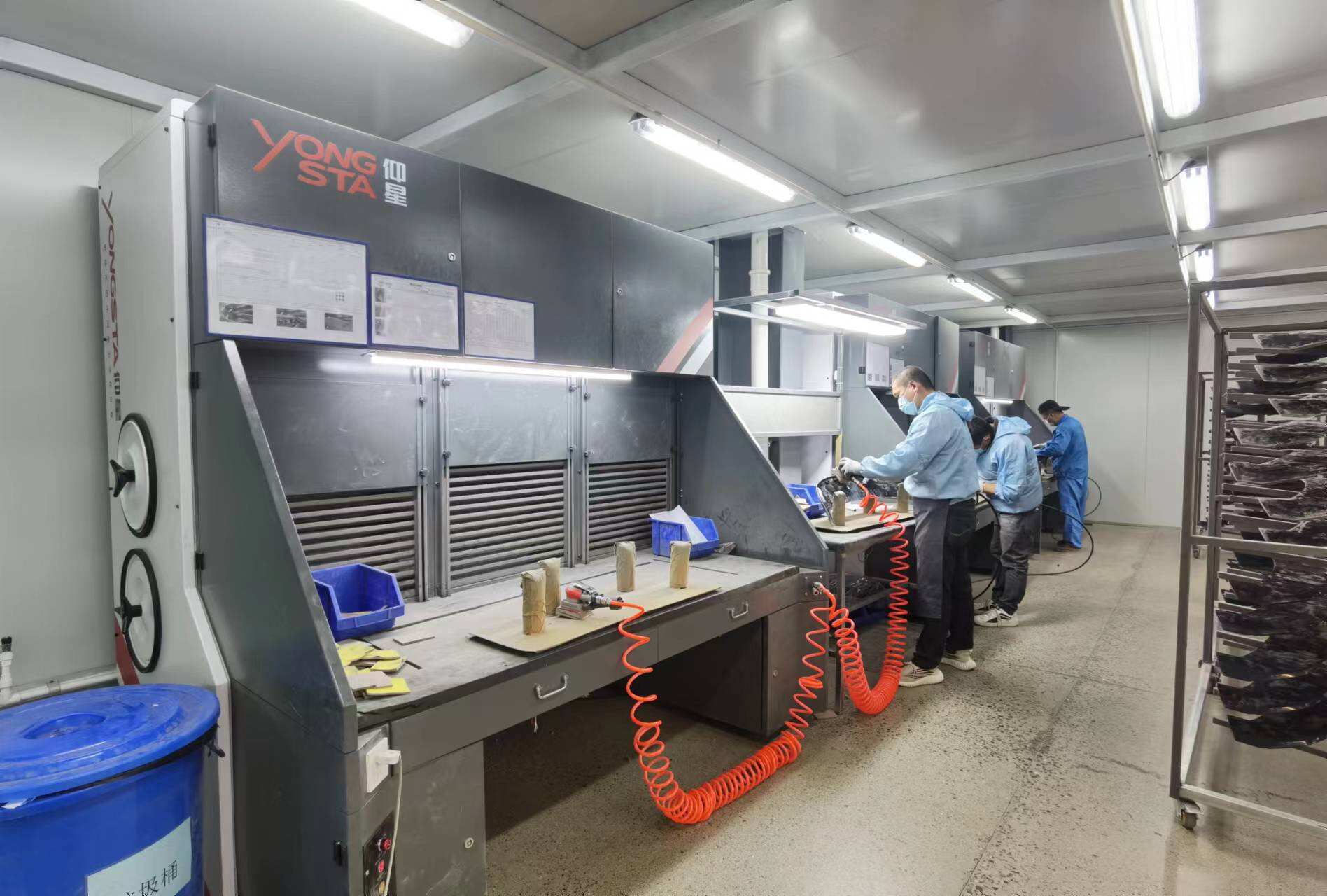
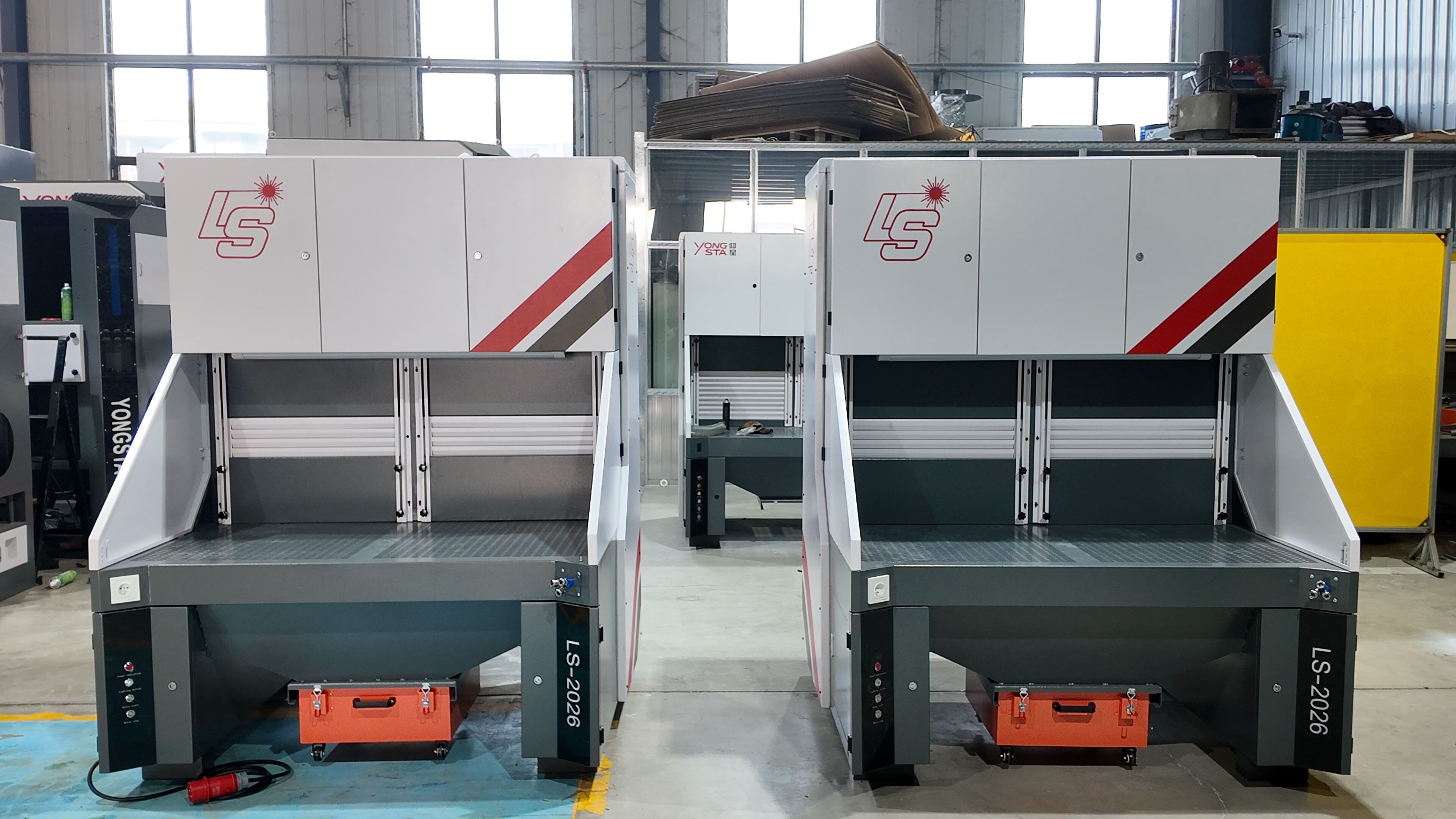
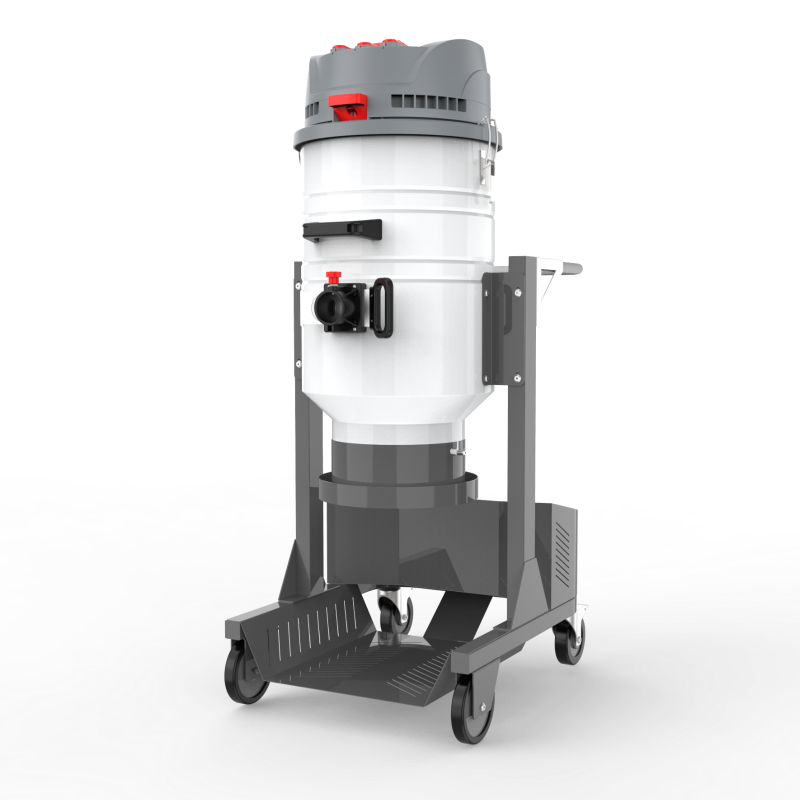
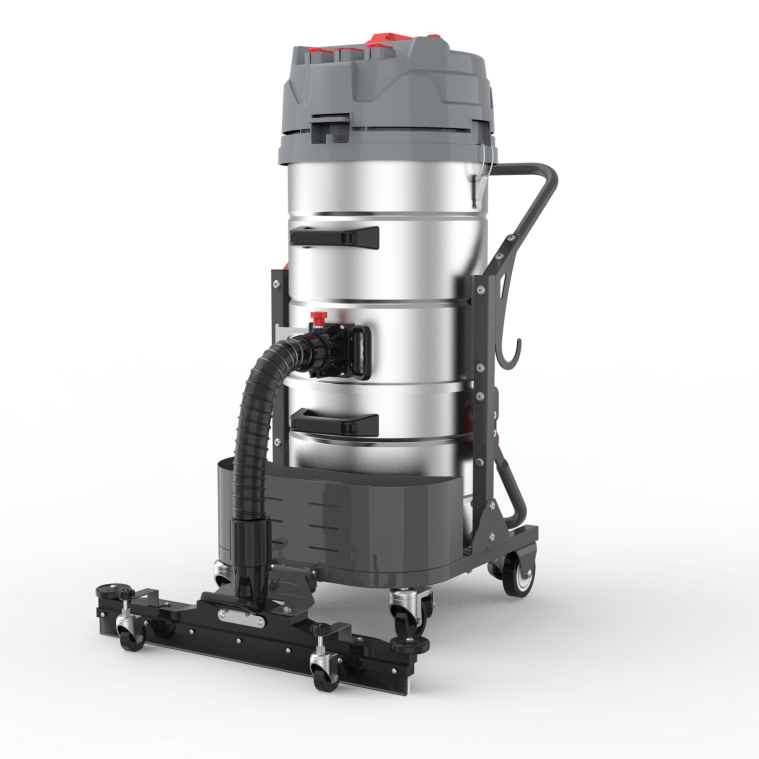
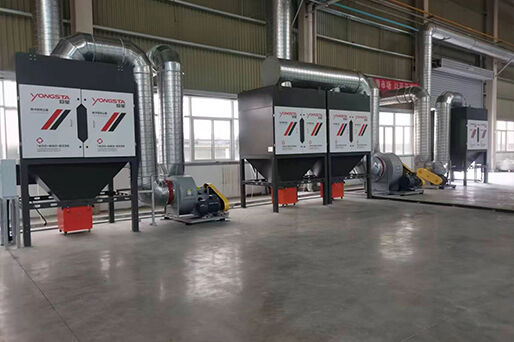
Recognizing that no two metalworking facilities operate identically, plasma fume extractor manufacturers have developed versatile extraction configurations that accommodate various spatial constraints, production volumes, and operational requirements. The most common configuration features articulating extraction arms that position collection hoods directly above or beside the cutting area. These arms incorporate multiple joints and friction locks that allow operators to position the hood precisely where fumes generate, then hold that position throughout the cutting process. The arms extend several feet from the main unit, providing reach to multiple workstations from a single extractor location. This flexibility proves particularly valuable in shops with limited floor space or frequently changing work arrangements. For facilities performing high-volume production cutting, downdraft table systems offer superior extraction by pulling fumes downward through a perforated work surface. This configuration captures contaminants immediately as they form, before they can rise and disperse throughout the workspace. Downdraft tables integrate seamlessly with CNC plasma cutting systems, providing consistent extraction without requiring operator adjustment between cuts. The tables accommodate various sizes, from compact benchtop units for small parts to large industrial tables handling full sheet metal processing. Portable extraction units mounted on casters enable movement between different work areas, supporting flexible manufacturing environments where cutting locations vary daily. These mobile systems prove ideal for maintenance operations, construction sites, or facilities with multiple small cutting stations that do not justify dedicated extraction at each location. Centralized extraction systems represent another configuration option for large facilities with numerous cutting stations. These systems connect multiple collection points to a single high-capacity filtration unit through ductwork, providing economical extraction for extensive operations while centralizing filter maintenance. The centralized approach reduces equipment redundancy and simplifies compliance monitoring by consolidating air quality management at one location. Hybrid configurations combine elements from different approaches, such as articulating arms for manual cutting stations connected to the same filtration unit serving a downdraft table for automated cutting. This integration maximizes equipment utilization while addressing diverse extraction needs within a single facility. Control systems range from simple on-off switches to sophisticated automated systems that activate extraction when cutting begins and adjust suction power based on real-time air quality monitoring. Advanced units integrate with facility management systems, providing data logging for compliance documentation and predictive maintenance scheduling. The ability to customize extraction configuration ensures that facilities invest in solutions precisely matched to their operational requirements rather than compromising with one-size-fits-all approaches that either underperform or waste capacity.
Robust Construction and Reliable Performance Minimize Downtime and Maintenance Costs

Robust Construction and Reliable Performance Minimize Downtime and Maintenance Costs

Industrial environments demand equipment that withstands harsh conditions while delivering consistent performance, and plasma fume extractors built for longevity incorporate design features that ensure reliable operation even under demanding circumstances. The housing construction typically employs heavy-gauge steel with powder-coated finishes that resist corrosion from exposure to metal dust and chemical contaminants. This robust exterior protects internal components while providing structural integrity that prevents warping or damage from incidental impacts common in busy workshops. The fan assembly represents the heart of the extraction system, and quality units feature industrial-grade motors with sealed bearings that exclude contaminants and require minimal lubrication. These motors deliver consistent airflow across extended operating periods without performance degradation, maintaining extraction efficiency throughout the workday. Backward-curved impeller designs optimize airflow while minimizing noise generation and energy consumption compared to older straight-blade designs. The impeller materials resist erosion from abrasive particles, preventing the performance loss that occurs when particle impacts gradually wear away blade surfaces. Electrical components receive protection through sealed enclosures that prevent dust infiltration, a critical consideration given that conductive metal particles can cause short circuits in exposed electronics. Thermal protection systems monitor motor temperature and prevent damage from overheating during extended high-demand operation. Variable frequency drives in advanced models provide soft-start capabilities that reduce mechanical stress during startup while enabling precise airflow adjustment for different cutting intensities. The filter housing design facilitates tool-free access for inspection and replacement, recognizing that complicated maintenance procedures lead to deferred service and compromised performance. Clear filter condition indicators provide visual confirmation of filter status without requiring disassembly, enabling proactive replacement before saturation affects extraction efficiency. Some systems incorporate differential pressure sensors that measure airflow resistance across filters, providing objective data on filter condition rather than relying on visual assessment alone. This monitoring capability supports predictive maintenance programs that schedule filter replacement based on actual condition rather than arbitrary time intervals. The ductwork and connection fittings employ secure fastening systems that prevent air leaks which would compromise suction power and allow contaminants to escape. Flexible duct sections incorporate wire reinforcement that prevents collapse under suction while maintaining flexibility for positioning adjustments. Static-dissipative materials in duct construction prevent static electricity buildup that could ignite flammable dust accumulations. Caster wheels on mobile units feature locking mechanisms and robust construction that support the equipment weight while enabling easy repositioning. The overall design philosophy prioritizes reliability and maintainability, recognizing that equipment downtime directly impacts production capacity and worker safety. Manufacturers back quality construction with comprehensive warranties and readily available replacement parts, ensuring that facilities can maintain their extraction systems throughout extended service lives. This commitment to durability and serviceability makes the plasma fume extractor a dependable long-term investment rather than a disposable commodity requiring frequent replacement.

Get a Free Quote

Our representative will contact you soon.
Email
Name
Company Name
Message
0/1000
email goToTop