Aplicaciones versátiles en múltiples industrias
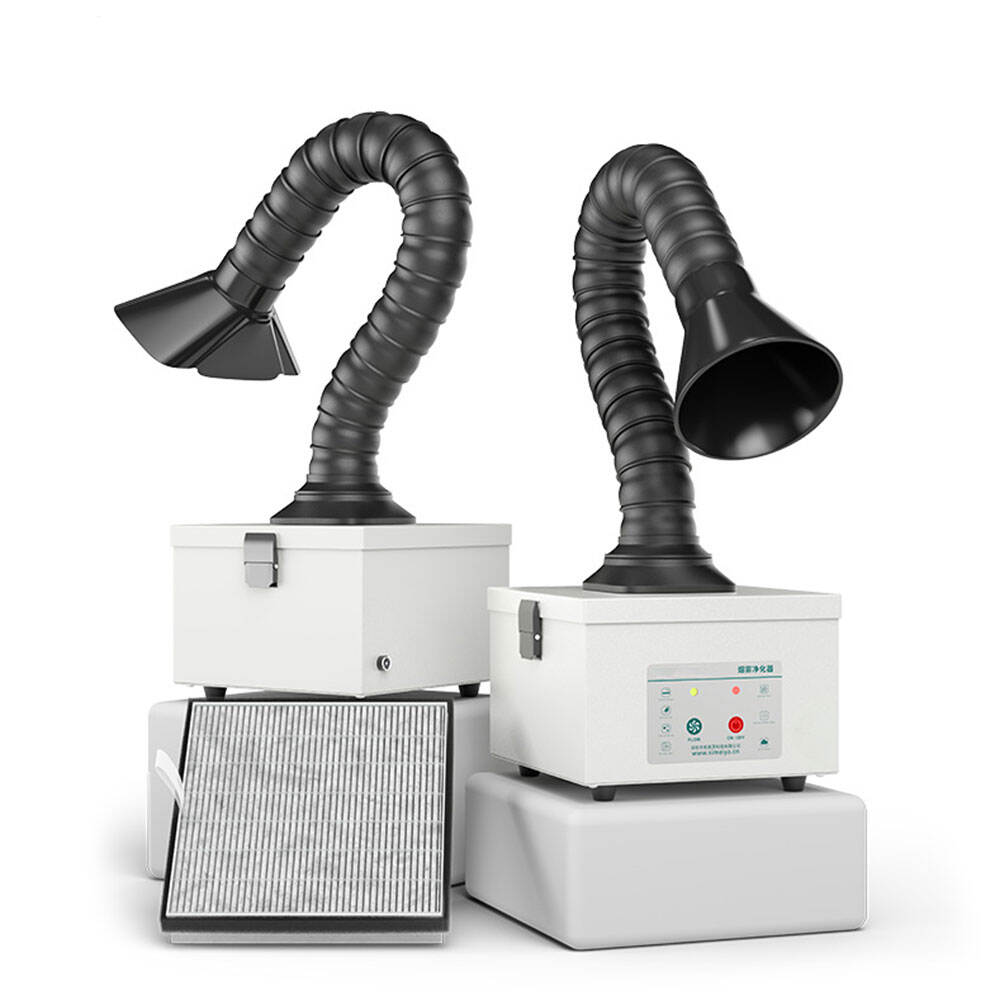
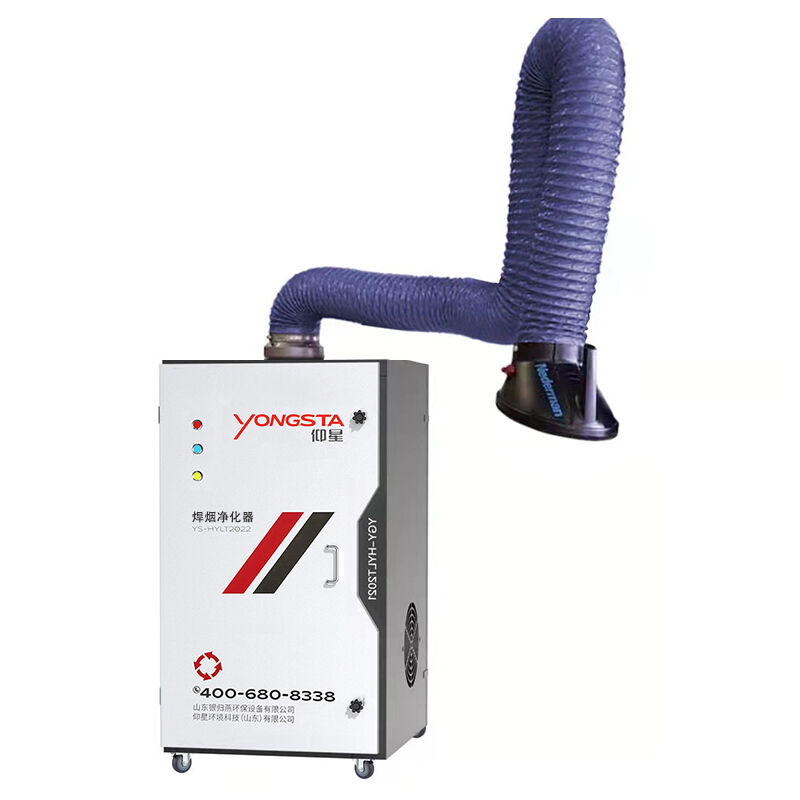
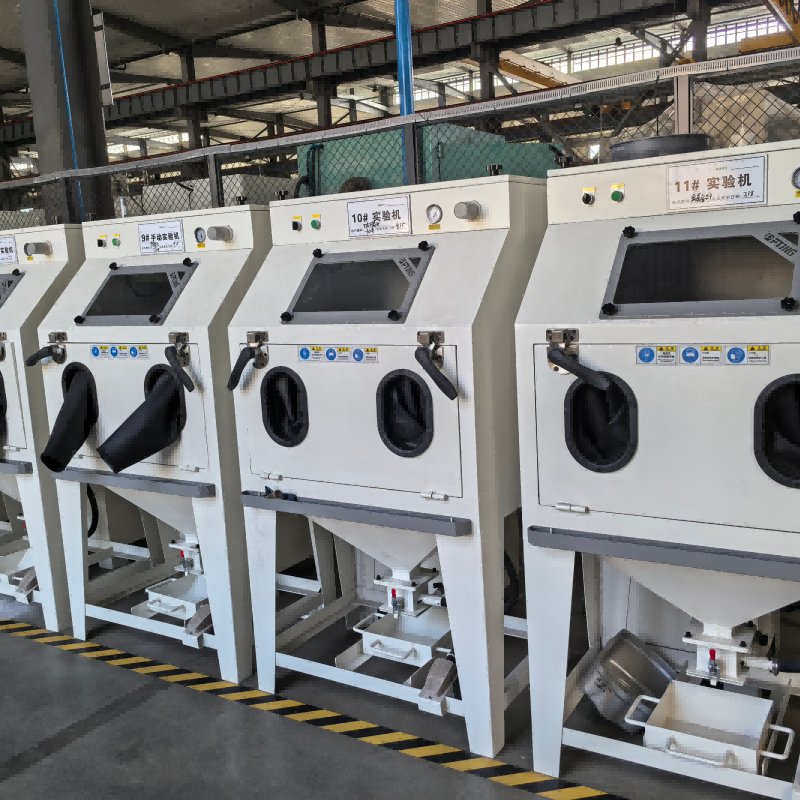
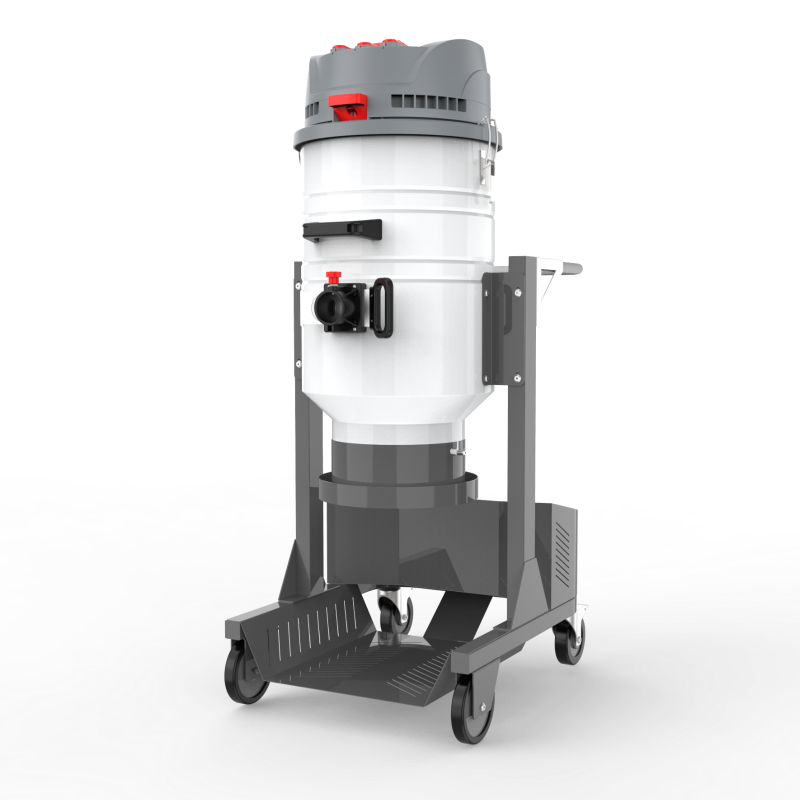
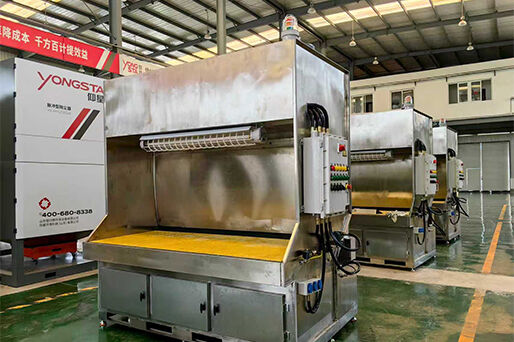
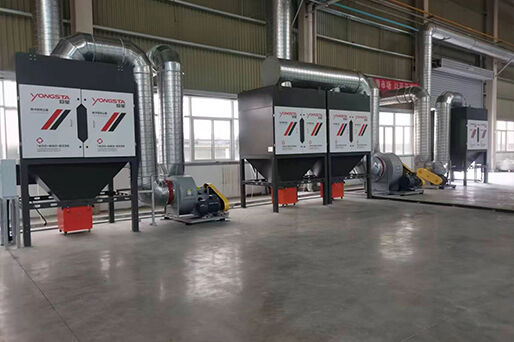
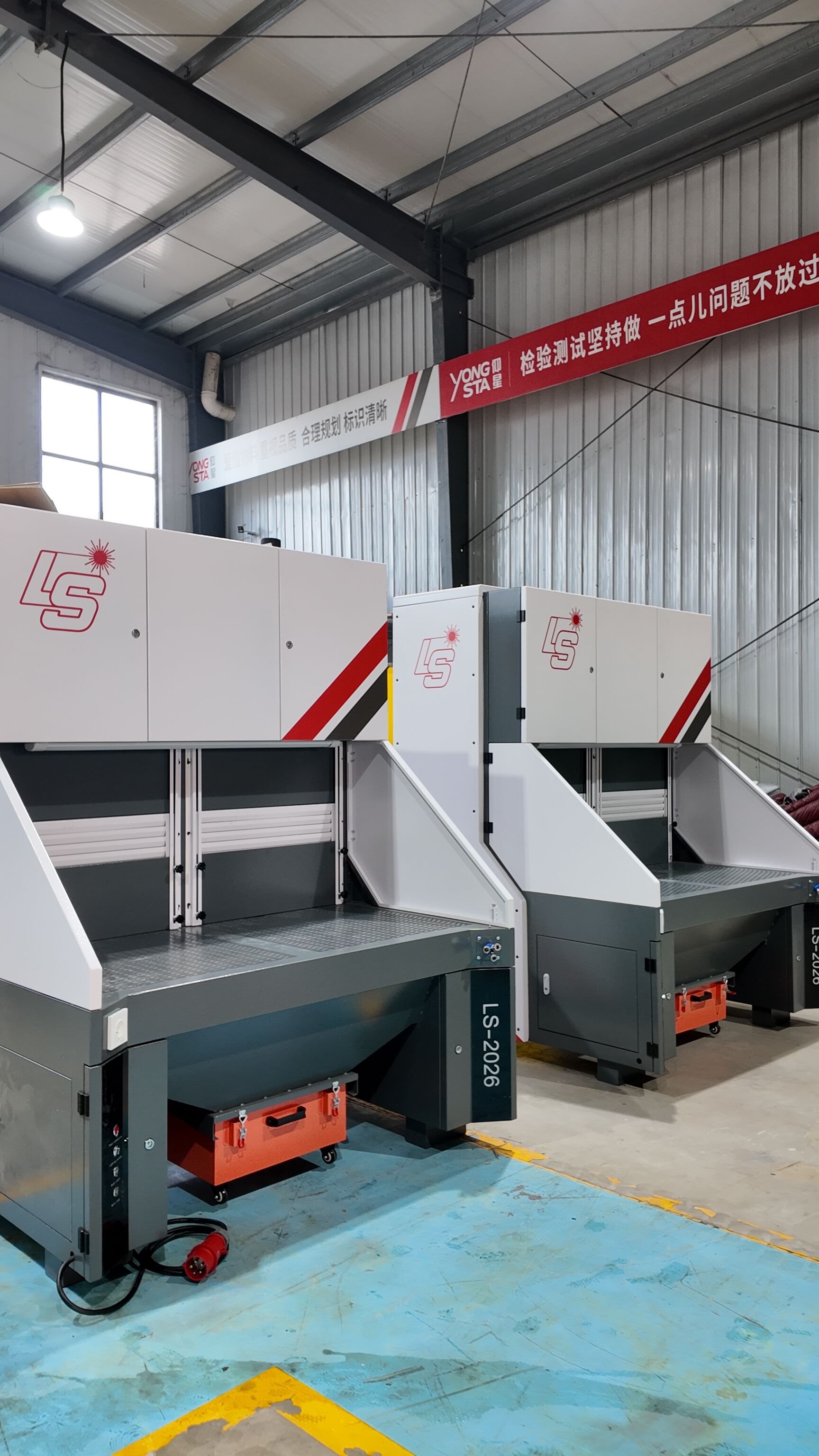
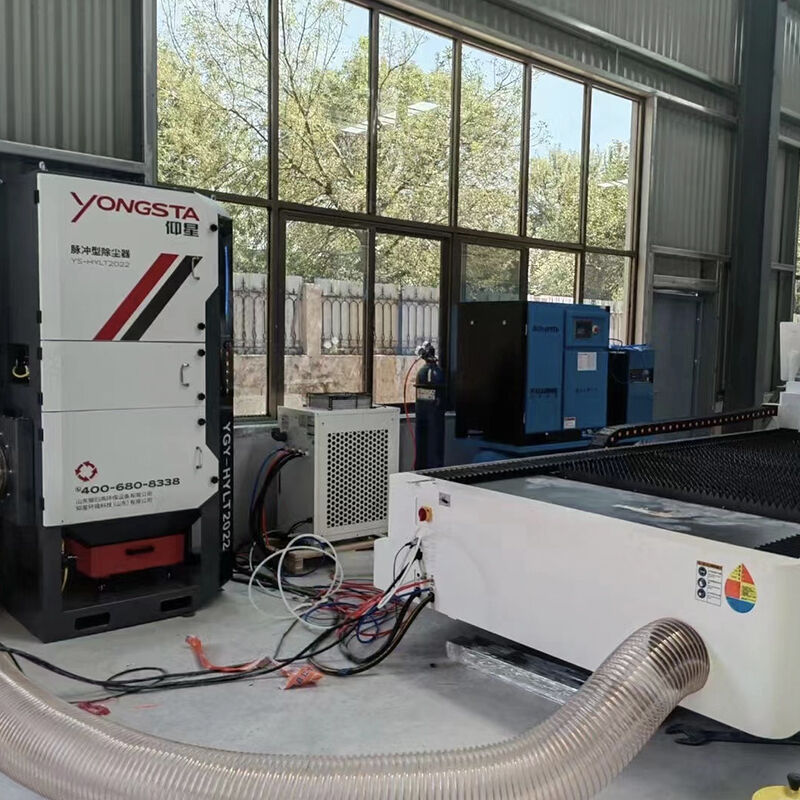
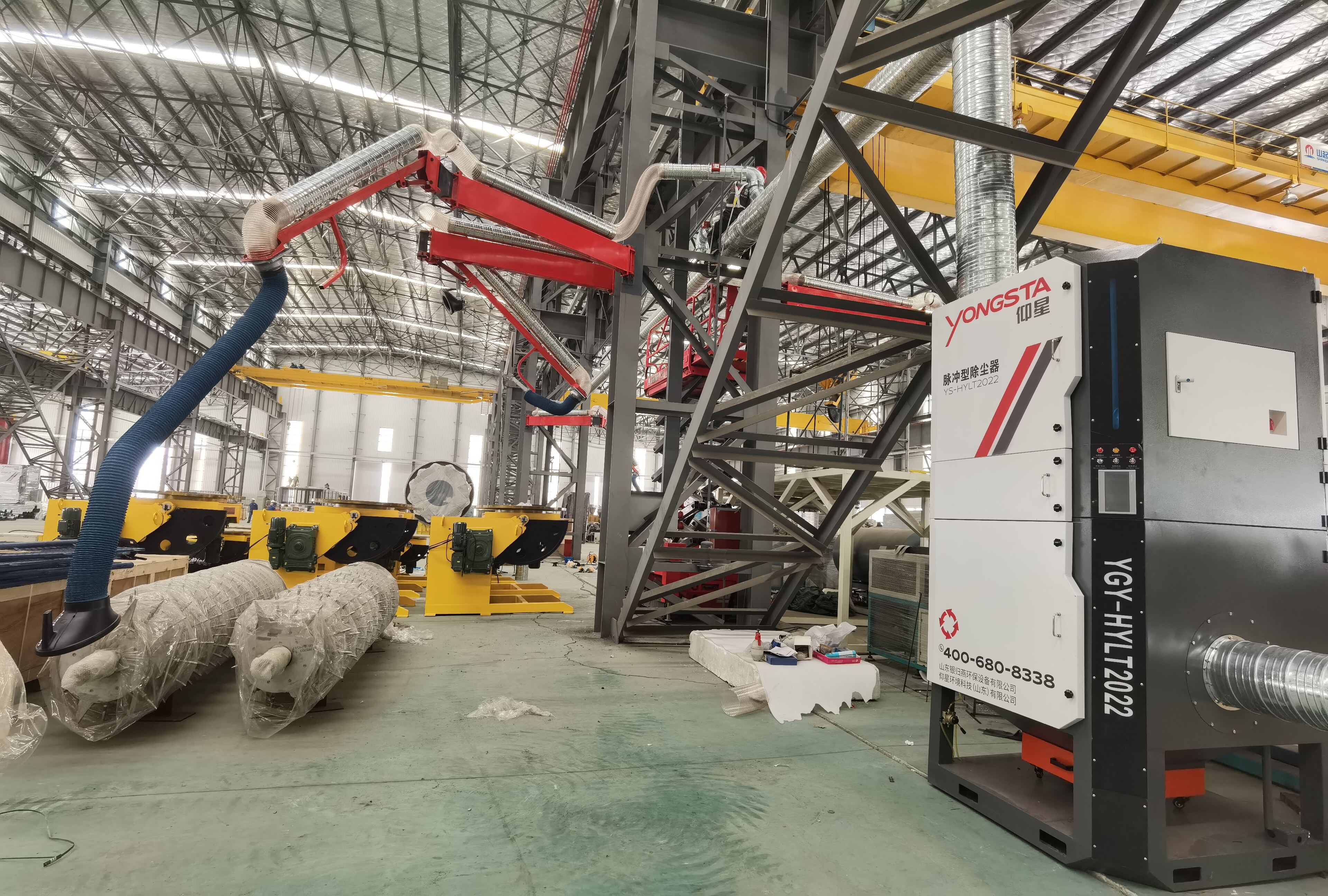
La adaptabilidad de la tecnología de extractores de humos y polvo permite su implementación en sectores industriales extraordinariamente diversos, cada uno beneficiándose de soluciones de extracción personalizadas, diseñadas específicamente para afrontar los retos particulares de contaminación y los requisitos operativos. En entornos metalúrgicos, los extractores capturan humos de soldadura que contienen óxidos metálicos peligrosos, polvo de esmerilado procedente de operaciones de acabado y humo de corte generado durante procesos con plasma o láser, protegiendo así a los trabajadores frente a riesgos respiratorios y evitando que partículas metálicas contaminen maquinaria de precisión o sistemas electrónicos de control. Las instalaciones de fabricación electrónica dependen de sistemas de extracción para eliminar humos de soldadura que contienen plomo y vapores de fundente, previniendo la contaminación de componentes y protegiendo a los técnicos de ensamblaje frente a una exposición crónica a sustancias tóxicas que se acumulan progresivamente en los tejidos corporales. Los talleres de carpintería utilizan extractores de polvo para gestionar serrín, partículas generadas al lijar y vapores de acabado, reduciendo los riesgos de incendio asociados a la acumulación de polvo de madera combustible y manteniendo superficies limpias, esenciales para la producción de muebles de calidad y trabajos de carpintería de precisión. Los laboratorios farmacéuticos confían en extractores de humos para contener vapores químicos durante los procesos de formulación, protegiendo a los investigadores frente a la exposición a principios activos farmacéuticos y evitando la contaminación cruzada entre distintas formulaciones medicamentosas. Las instalaciones de reparación automotriz emplean sistemas de extracción en estaciones de soldadura, cabinas de pintura y zonas de esmerilado, capturando partículas metálicas, sobrespray de pintura y polvo de masilla que, de lo contrario, se depositarían sobre las superficies de los vehículos o penetrarían en los sistemas respiratorios de los técnicos. Las instituciones educativas —incluidas escuelas profesionales, laboratorios universitarios y espacios de creación (maker spaces)— instalan extractores para proteger a los estudiantes que aprenden soldadura, soldadura de estaño, impresión 3D y otros procesos que generan contaminantes aerotransportados, demostrando así un compromiso con la educación en seguridad, al mismo tiempo que fomentan el desarrollo de competencias técnicas. Las operaciones de fabricación de joyería utilizan extractores especializados para capturar polvo de metales preciosos y compuestos de pulido, recuperando materiales valiosos y protegiendo a los artesanos frente a la exposición a partículas metálicas y agentes químicos de pulido. Los laboratorios dentales se benefician de sistemas de extracción que eliminan polvo de acrílico, partículas de yeso y residuos metálicos generados durante la fabricación de prótesis, manteniendo entornos de trabajo limpios, indispensables para la producción precisa de aparatos dentales. La industria de dispositivos médicos implementa soluciones de extracción para controlar la contaminación durante los procesos de fabricación que requieren condiciones de sala limpia, garantizando que los productos cumplan con rigurosos estándares regulatorios en cuanto a esterilidad y conteo de partículas. Las instalaciones de fabricación aditiva abordan los desafíos únicos planteados por las tecnologías de impresión 3D, extrayendo partículas ultrafinas y compuestos orgánicos volátiles liberados durante los procesos de fusión y curado de polímeros. Esta notable versatilidad demuestra cómo la tecnología de extractores de humos y polvo se adapta prácticamente a cualquier aplicación que implique contaminación aerotransportada, ofreciendo soluciones escalables, desde pequeños talleres de aficionados hasta grandes instalaciones industriales de producción, y garantizando sistemáticamente la protección de la salud, la mejora de la calidad y el cumplimiento normativo en todos los contextos operativos.
 ×
×



 EN
EN