fume exhaust system
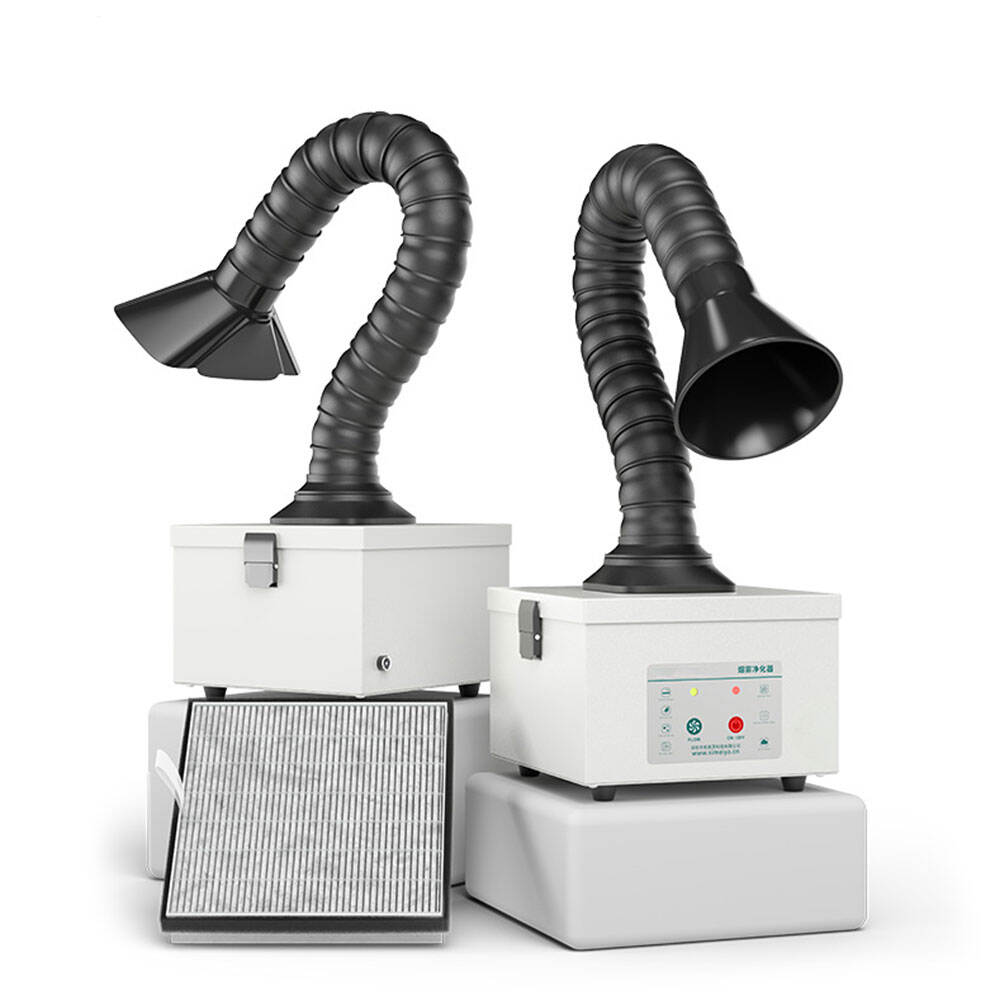
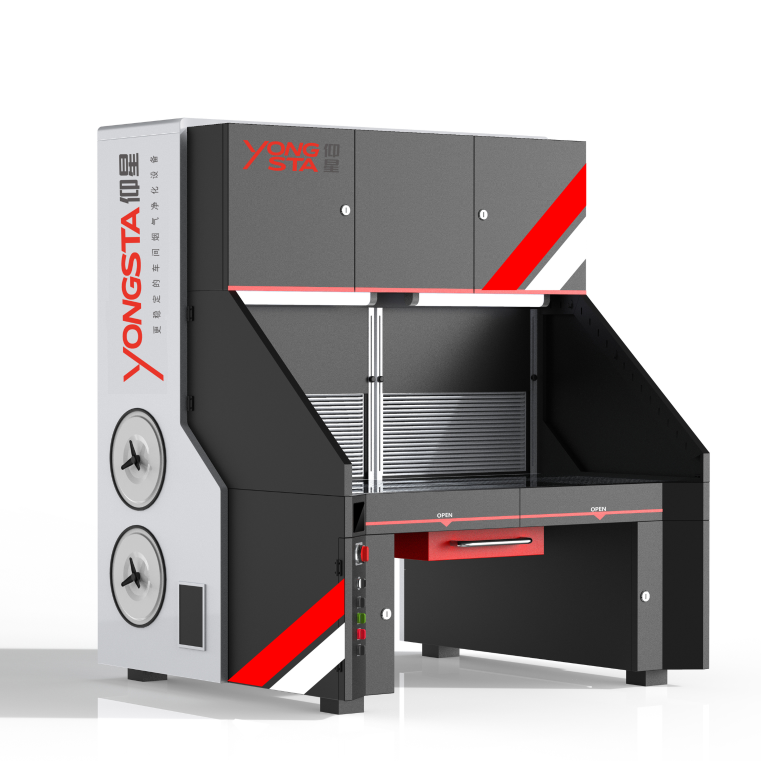
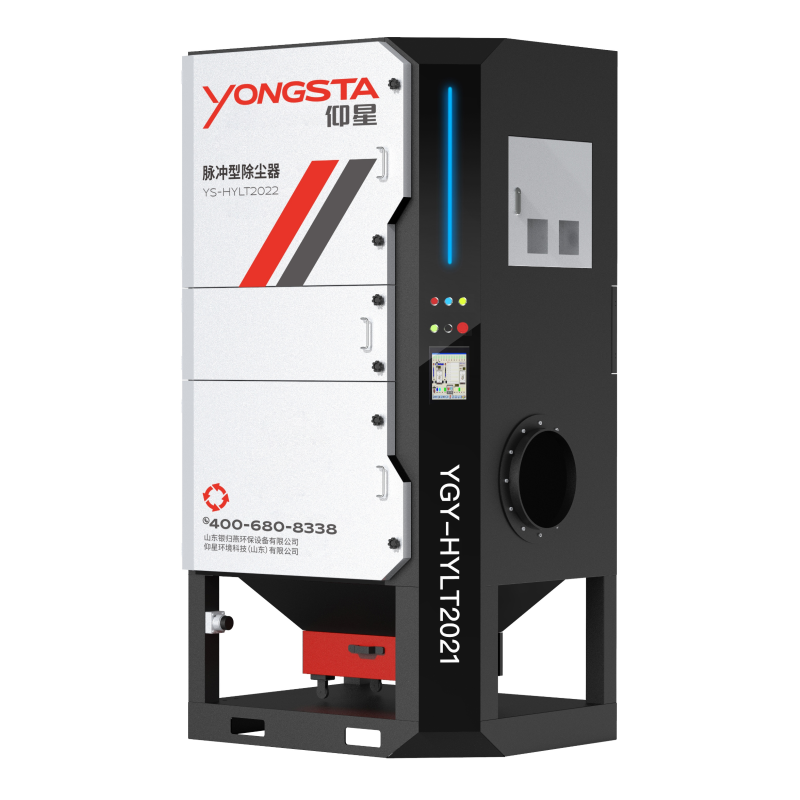
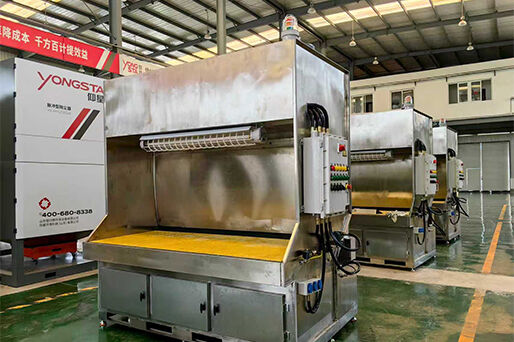
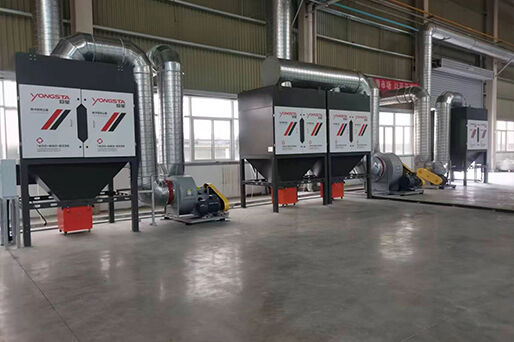
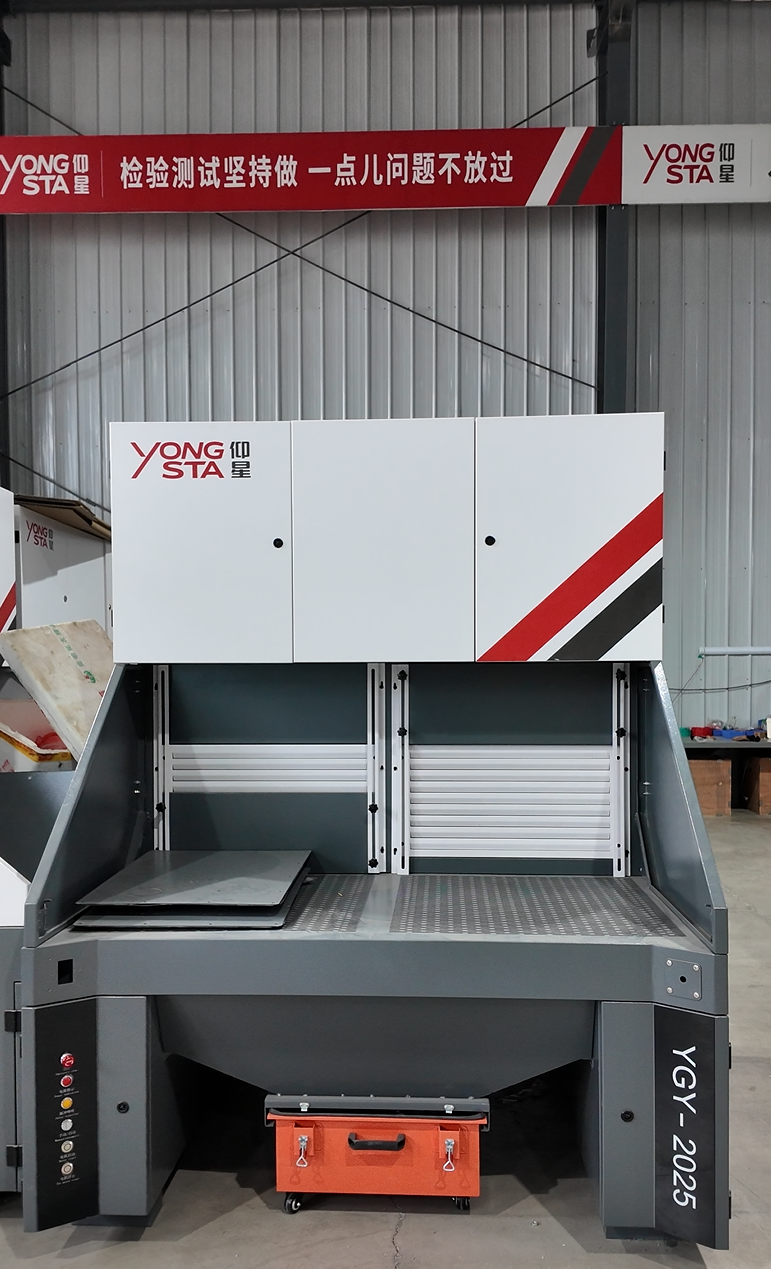
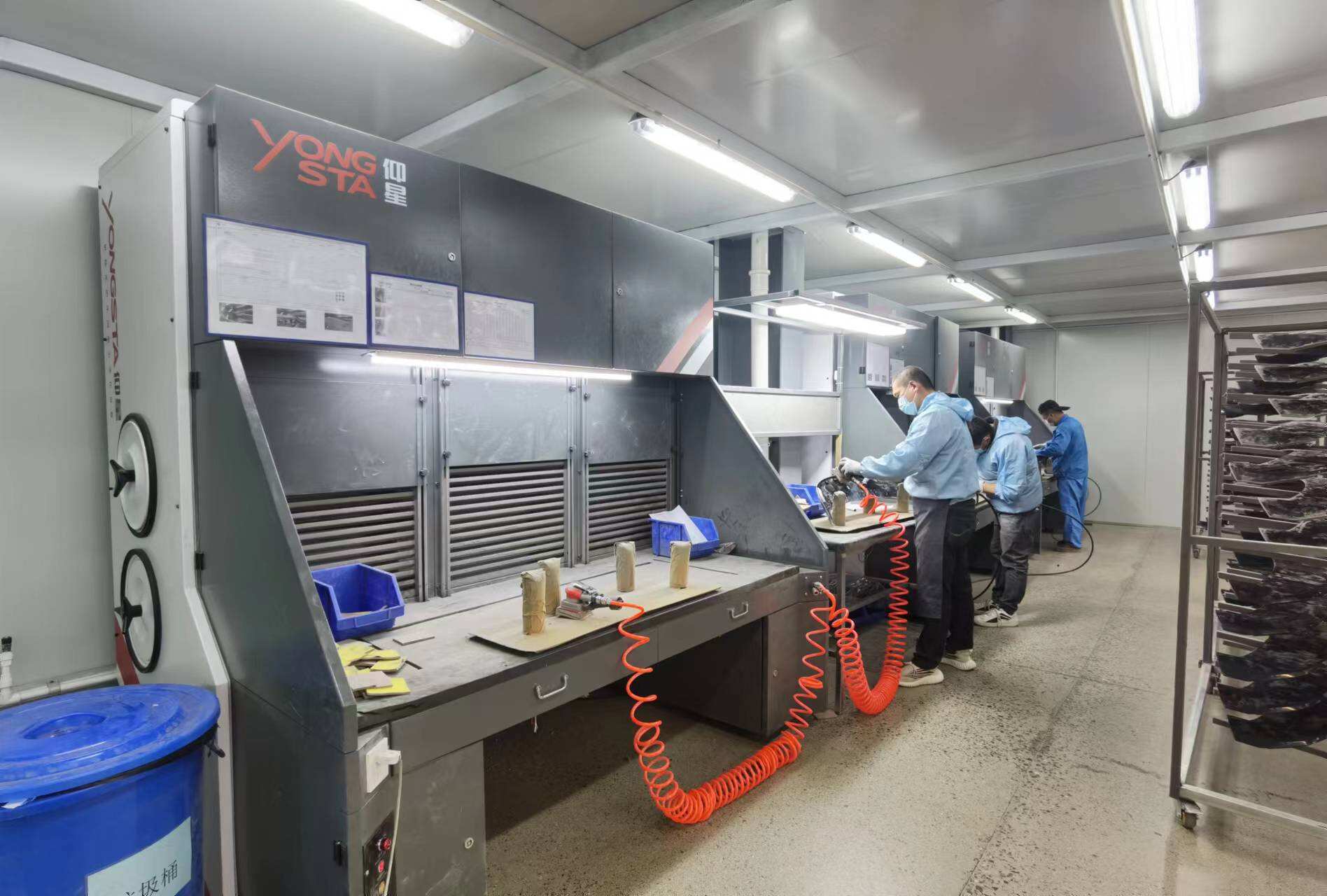
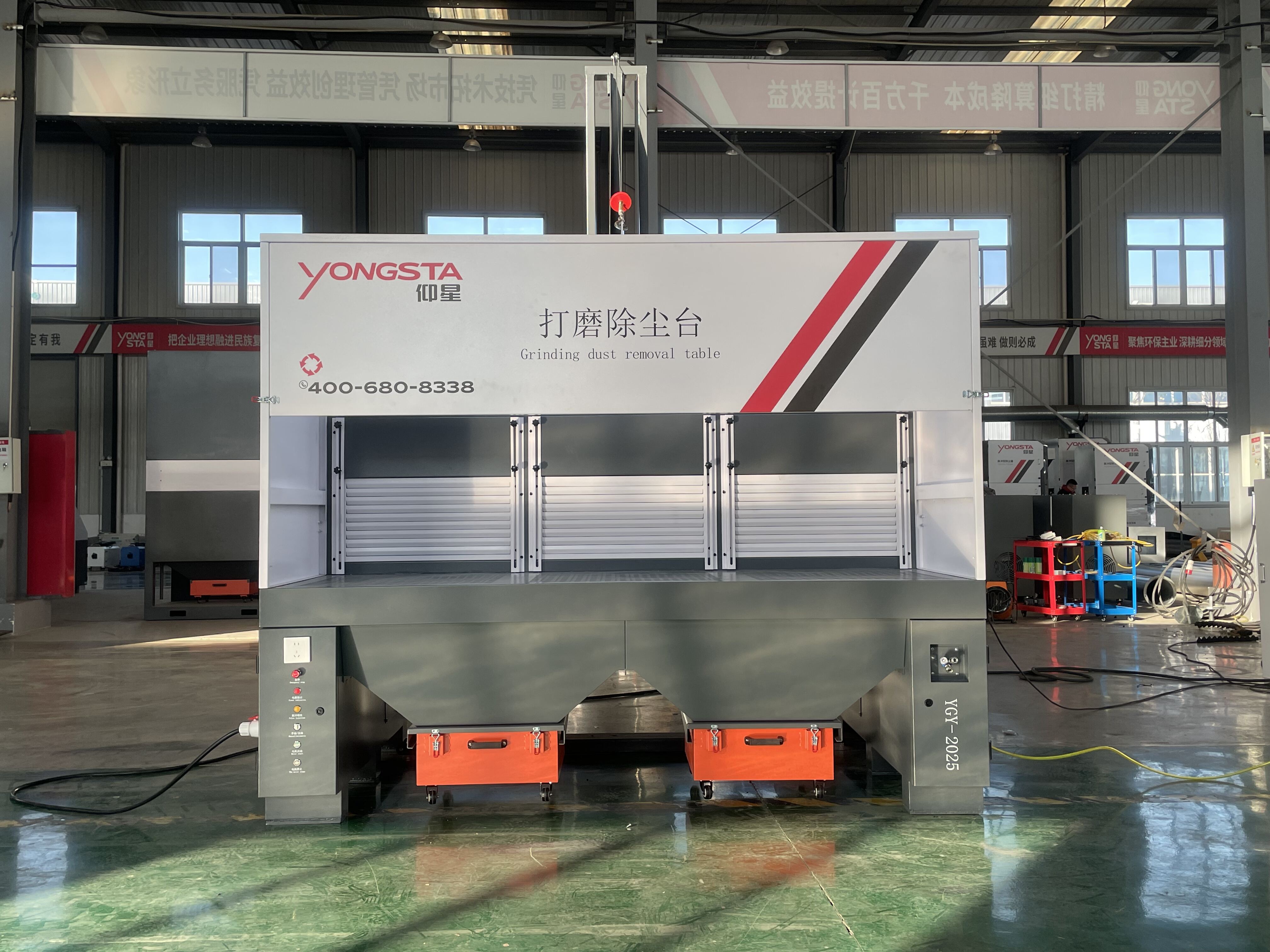
A fume exhaust system represents a critical component in modern industrial and commercial facilities, designed to capture, filter, and remove harmful airborne contaminants from work environments. This sophisticated ventilation solution addresses the growing need for workplace safety and environmental compliance across manufacturing plants, laboratories, welding shops, chemical processing facilities, and food production operations. The primary function of a fume exhaust system involves extracting hazardous fumes, smoke, dust particles, chemical vapors, and other airborne pollutants directly at their source before they can disperse throughout the workspace. By implementing localized extraction points strategically positioned near emission sources, these systems prevent worker exposure to toxic substances while maintaining optimal air quality standards. The technological framework of a fume exhaust system typically incorporates powerful extraction fans, specialized ductwork networks, advanced filtration mechanisms, and intelligent control systems that work in harmony to achieve maximum efficiency. Modern fume exhaust system installations feature variable speed drives that adjust airflow based on real-time demand, reducing energy consumption while maintaining effective capture velocities. The filtration components may include HEPA filters for fine particulate matter, activated carbon filters for chemical vapors, or electrostatic precipitators for oil mist and smoke removal. Applications for fume exhaust system technology span numerous industries where air quality management is paramount. Metalworking facilities rely on these systems to remove welding fumes and grinding dust, pharmaceutical laboratories use them to contain chemical vapors during research and production, automotive paint shops depend on them to extract solvent fumes and overspray, and electronics manufacturing plants employ them to capture solder smoke and flux residues. The versatility of fume exhaust system designs allows customization to meet specific operational requirements, whether handling corrosive chemicals, high-temperature emissions, or explosive dust concentrations. Regulatory compliance drives much of the adoption, as occupational health and safety standards mandate proper ventilation in workplaces where hazardous substances are present.
 ×
×



 EN
EN