pulse jet industrial dust collector
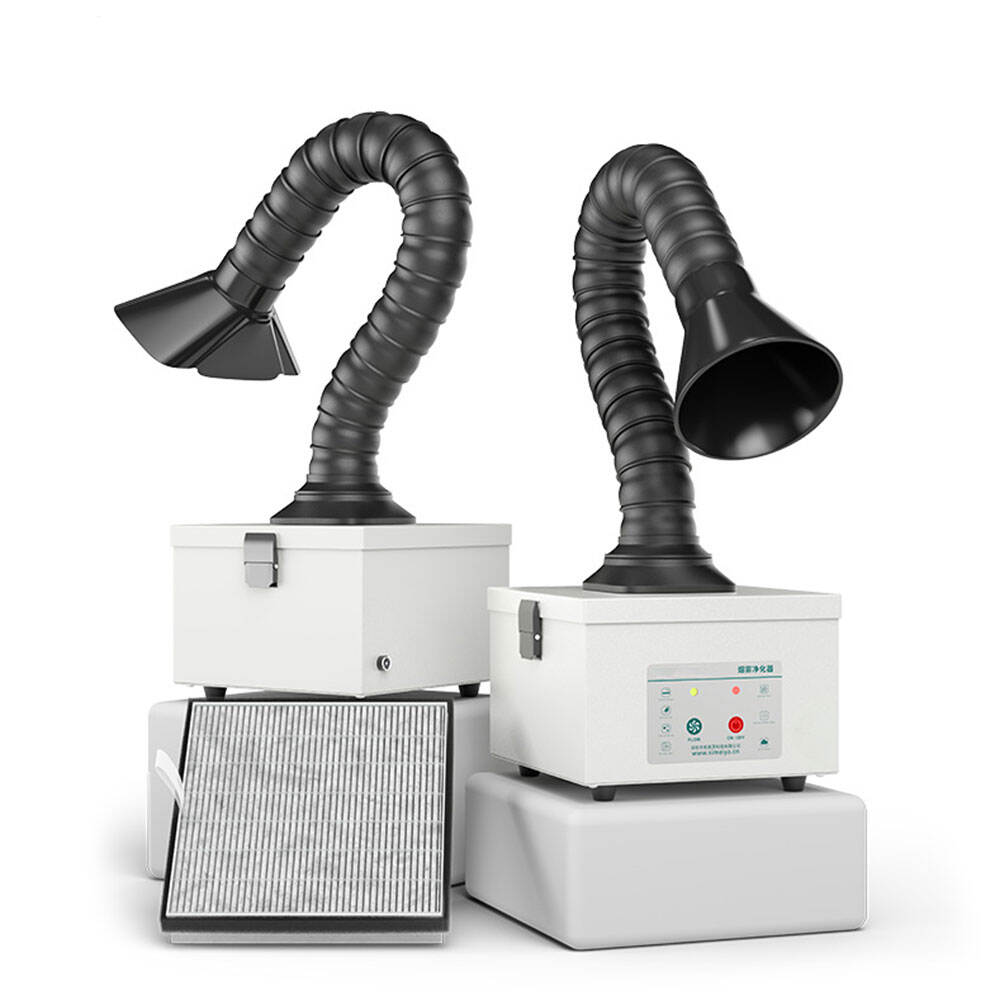
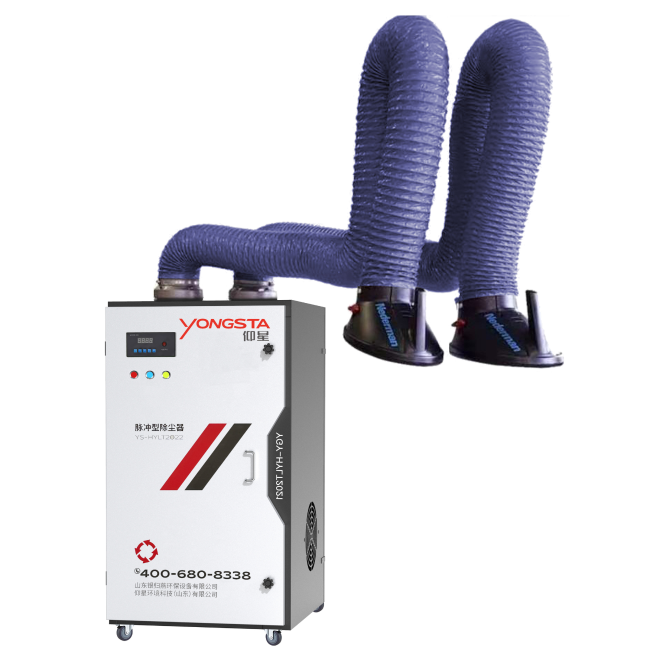
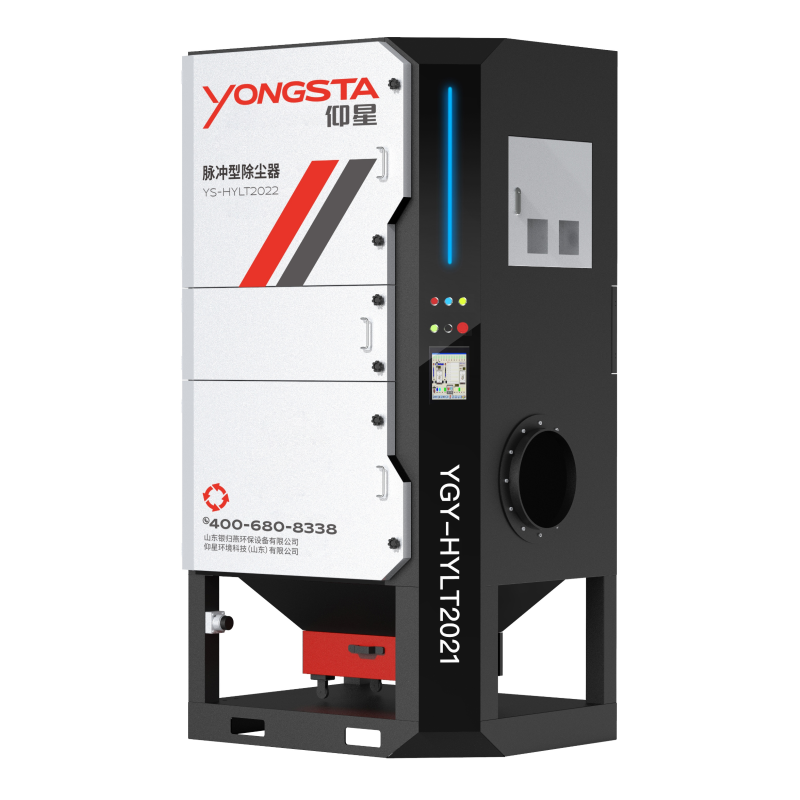
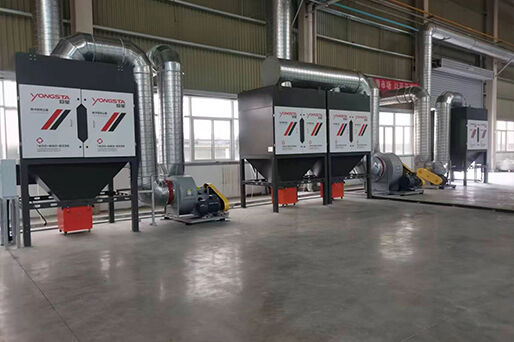
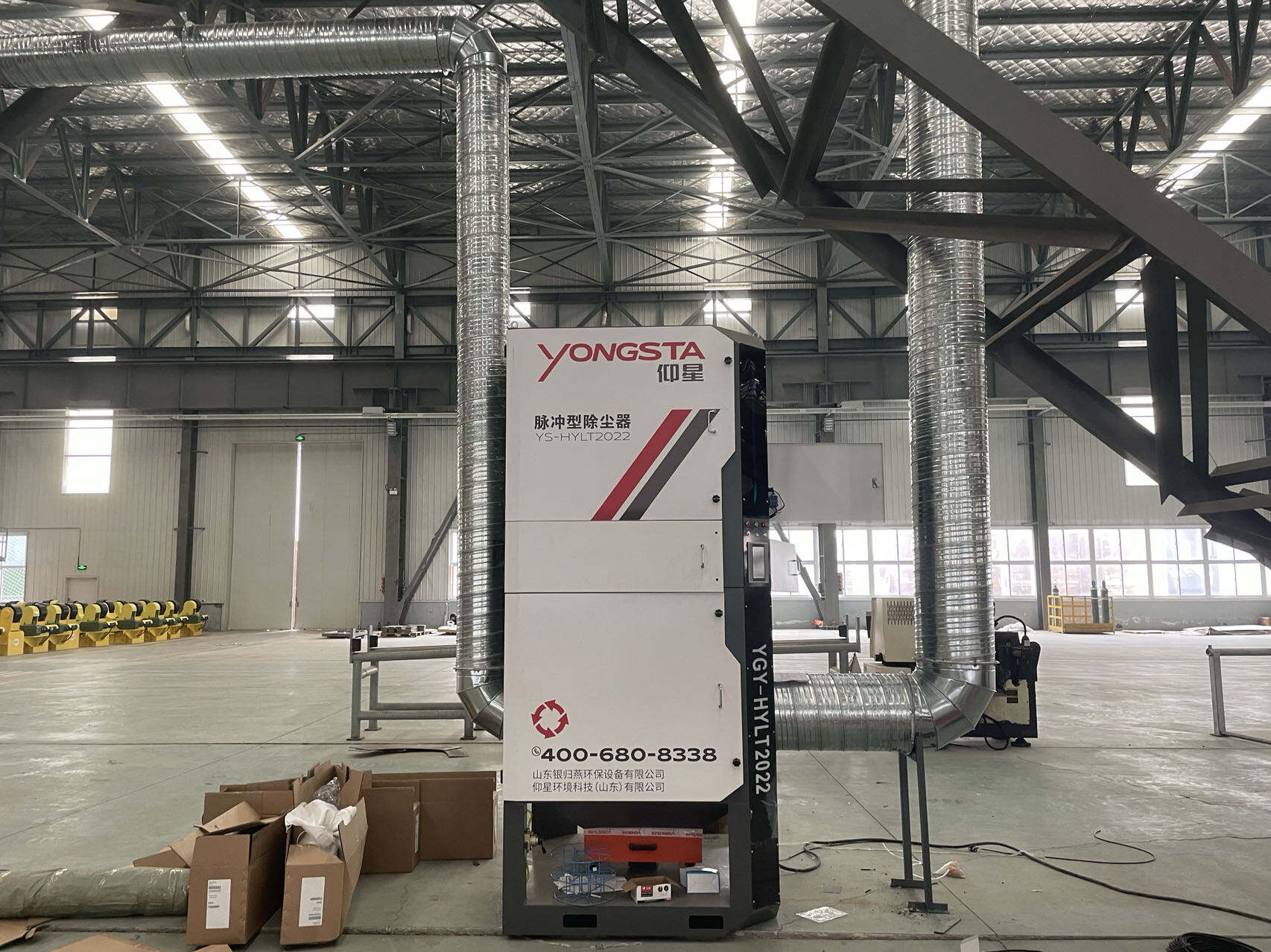
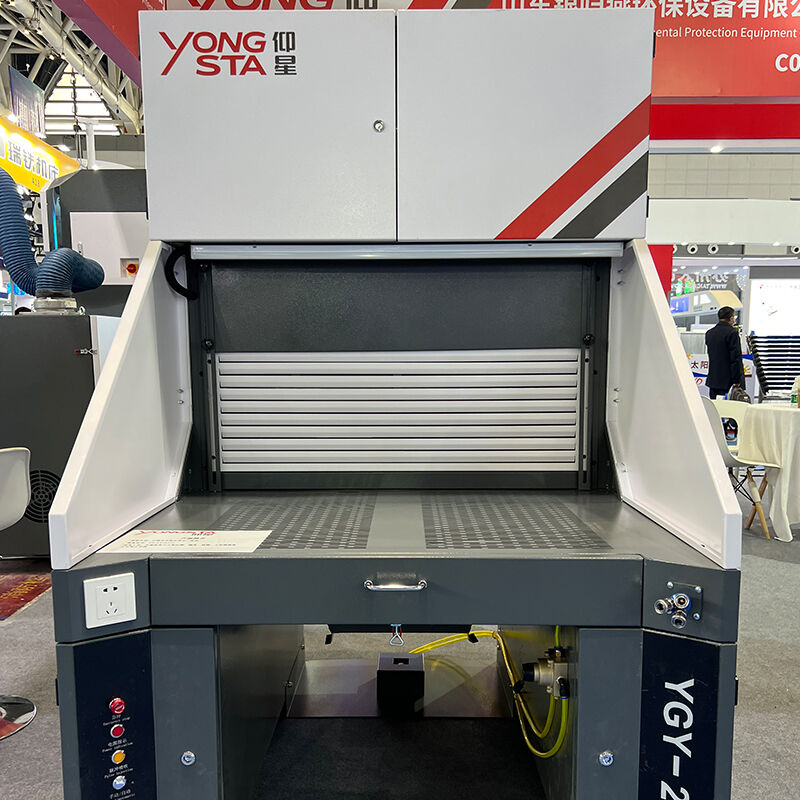
The pulse jet industrial dust collector represents a sophisticated air filtration system designed to capture and remove airborne particulates from manufacturing and processing environments. This equipment operates through a systematic process where contaminated air enters the collection chamber, passes through filter media, and releases clean air back into the atmosphere or workspace. The primary function centers on maintaining air quality standards while protecting workers from harmful dust exposure and preventing equipment damage caused by particle accumulation. The pulse jet industrial dust collector utilizes compressed air bursts to clean filter elements, distinguishing it from other filtration methods. These short, high-pressure air pulses reverse the airflow momentarily, dislodging accumulated dust from filter surfaces and allowing it to fall into collection hoppers below. This self-cleaning mechanism ensures continuous operation without manual intervention or production shutdowns. The technological framework incorporates multiple filter cartridges or bags arranged in a housing unit, with each element capable of trapping particles as small as 0.3 microns. The system includes an inlet manifold that distributes incoming dusty air evenly across all filters, a clean air plenum that collects filtered air, and a discharge system for removing collected material. Advanced models feature programmable controllers that optimize cleaning cycles based on differential pressure readings, ensuring filters remain clean without excessive compressed air consumption. Applications span numerous industries including metalworking facilities, woodworking shops, pharmaceutical manufacturing, food processing plants, chemical production, cement manufacturing, and mining operations. The pulse jet industrial dust collector proves particularly valuable in environments generating fine particulates, combustible dusts, or materials requiring containment for regulatory compliance. Its versatility allows customization for specific particle types, air volumes, and space constraints, making it adaptable to diverse operational requirements across manufacturing sectors.
 ×
×



 EN
EN