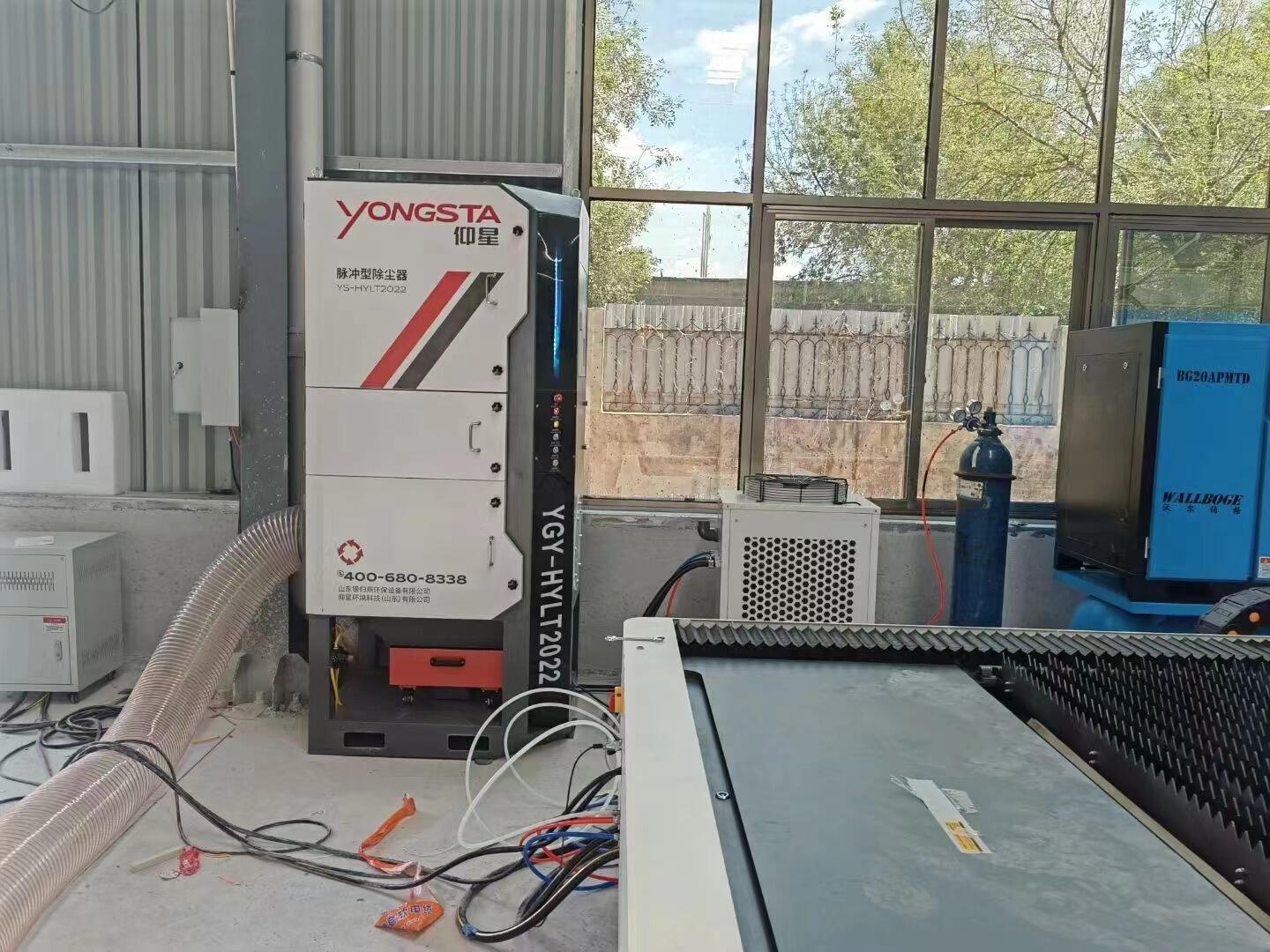
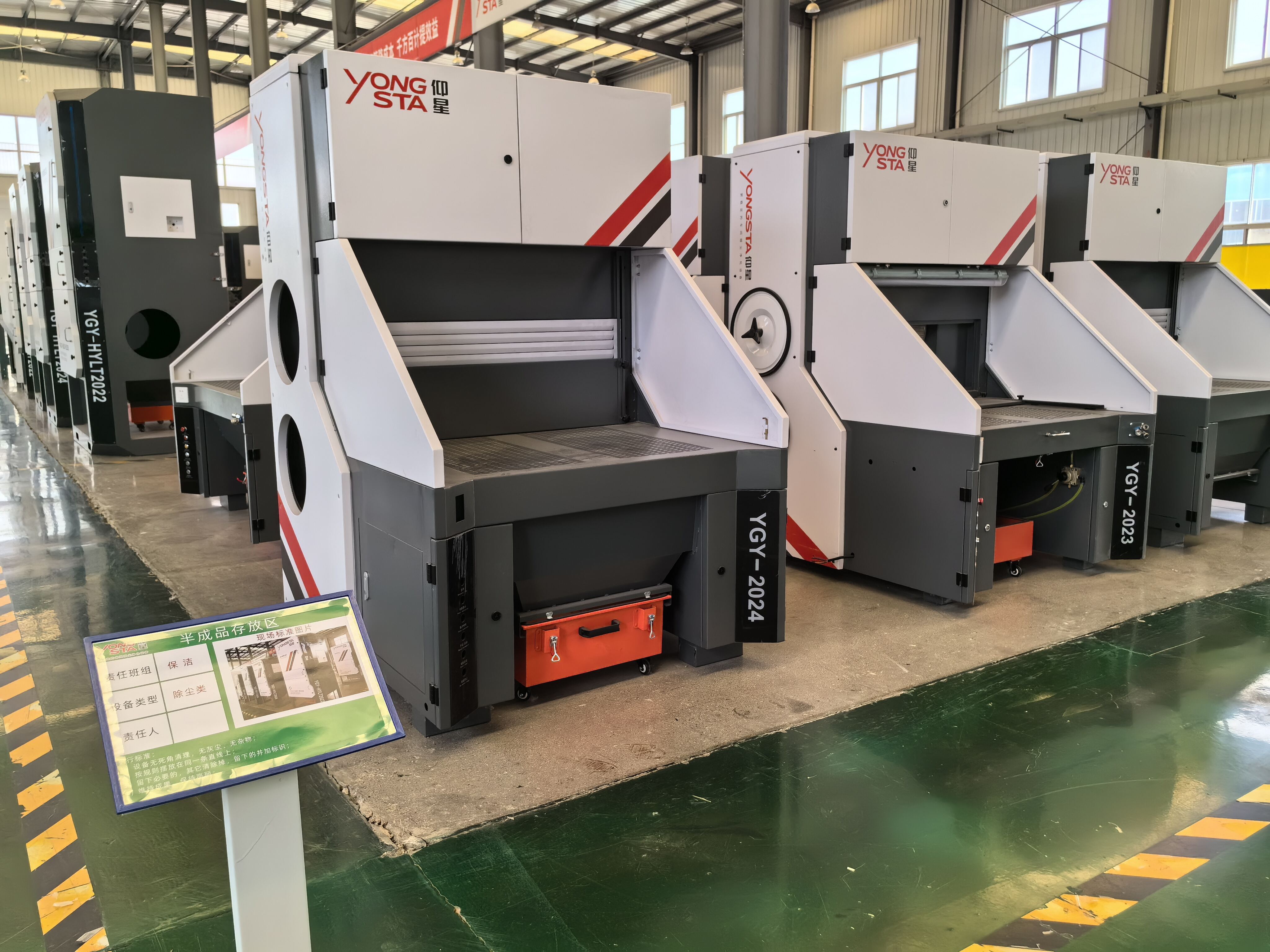
pulse jet dust collector
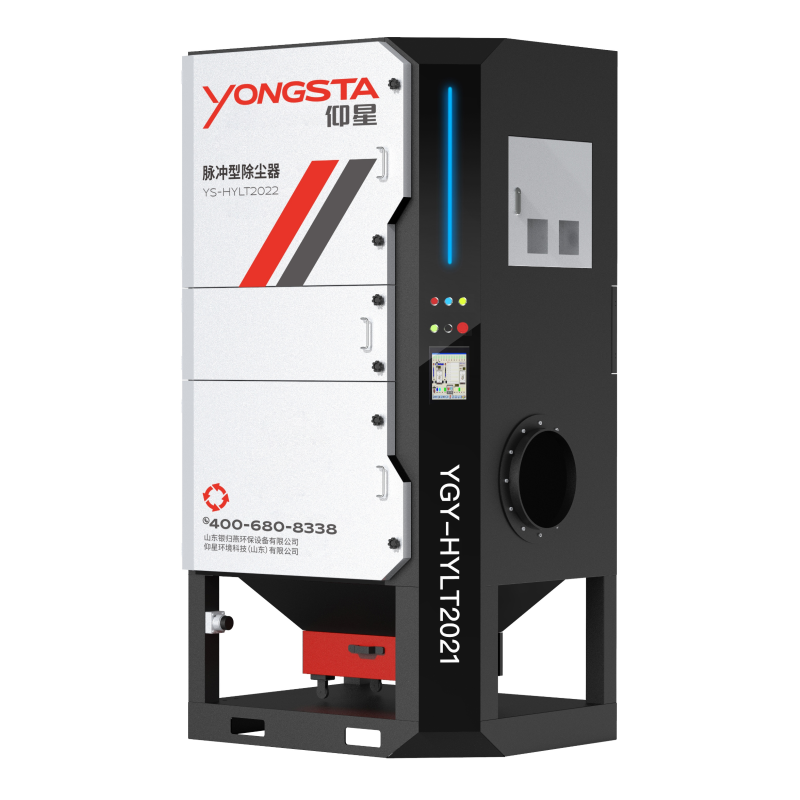
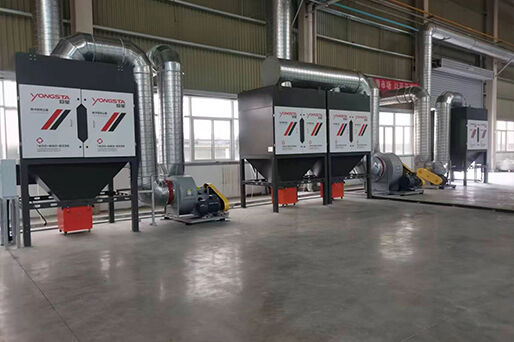
The pulse jet dust collector represents a sophisticated air filtration system designed to capture and remove particulate matter from industrial exhaust streams. This equipment operates through a systematic process where contaminated air enters a chamber containing multiple filter bags or cartridges. As dirty air passes through these filtration media, dust particles accumulate on the surface while clean air exits through the outlet. The defining characteristic of this technology involves its cleaning mechanism, which uses compressed air pulses to dislodge accumulated dust from the filters. These short, high-pressure bursts of air travel through the filtration elements in reverse direction, causing the filter media to flex and release captured particles into a collection hopper below. The pulse jet dust collector functions continuously without requiring shutdown for maintenance, making it ideal for operations that demand uninterrupted production. The system incorporates several key components including the housing structure, filter elements, compressed air reservoir, pulse valves, control system, and dust discharge mechanism. Modern units feature programmable controllers that optimize cleaning cycles based on differential pressure readings across the filters. This intelligent operation ensures filters remain clean enough to maintain adequate airflow while minimizing compressed air consumption. The technology finds widespread application across manufacturing facilities, processing plants, and industrial operations where airborne particulates pose concerns for equipment performance, product quality, worker health, or environmental compliance. Industries utilizing this equipment range from cement production and metalworking to pharmaceutical manufacturing and food processing. The pulse jet dust collector handles various particle types including fine dusts, metal shavings, wood particles, chemical powders, and combustible dusts. Its versatility stems from the ability to customize filter media, housing materials, and operational parameters to match specific application requirements. The equipment effectively manages high dust concentrations while maintaining consistent performance over extended operational periods.
 ×
×



 EN
EN