Pulse Jet Dust Extraction System: Advanced Industrial Air Filtration Solutions

Get a Free Quote

Our representative will contact you soon.
Email
Name
Company Name
Message
0/1000

pulse jet dust extraction system

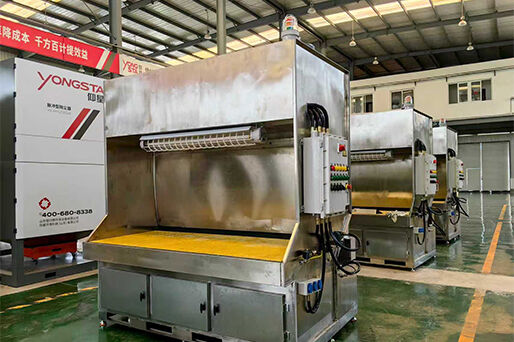
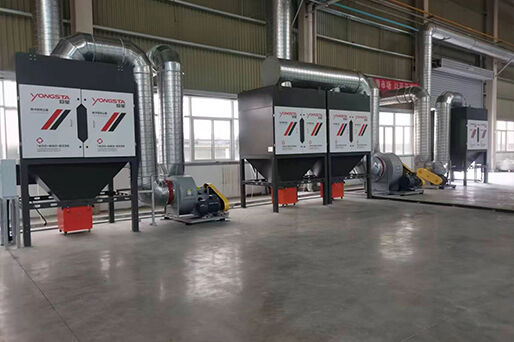
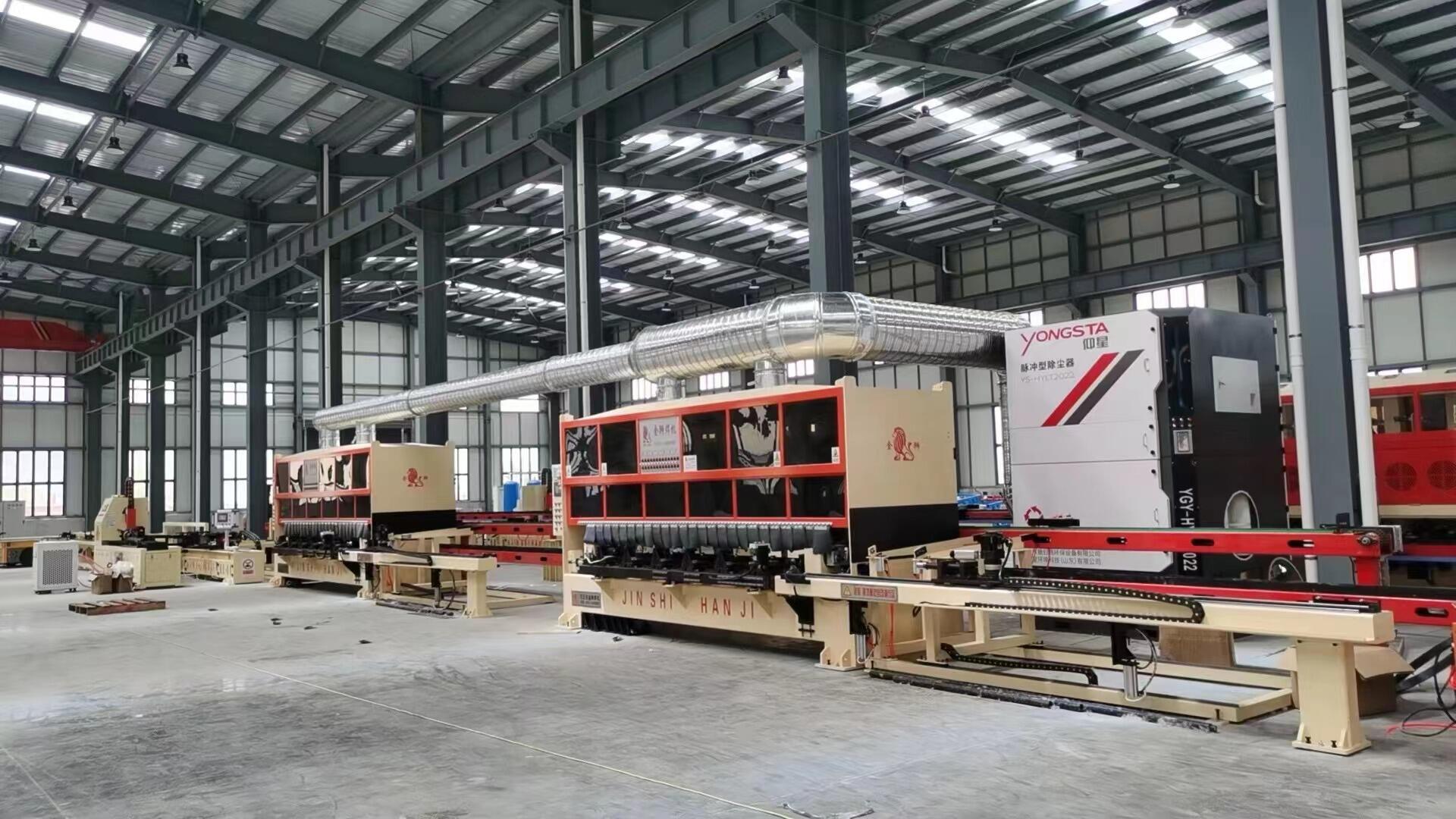
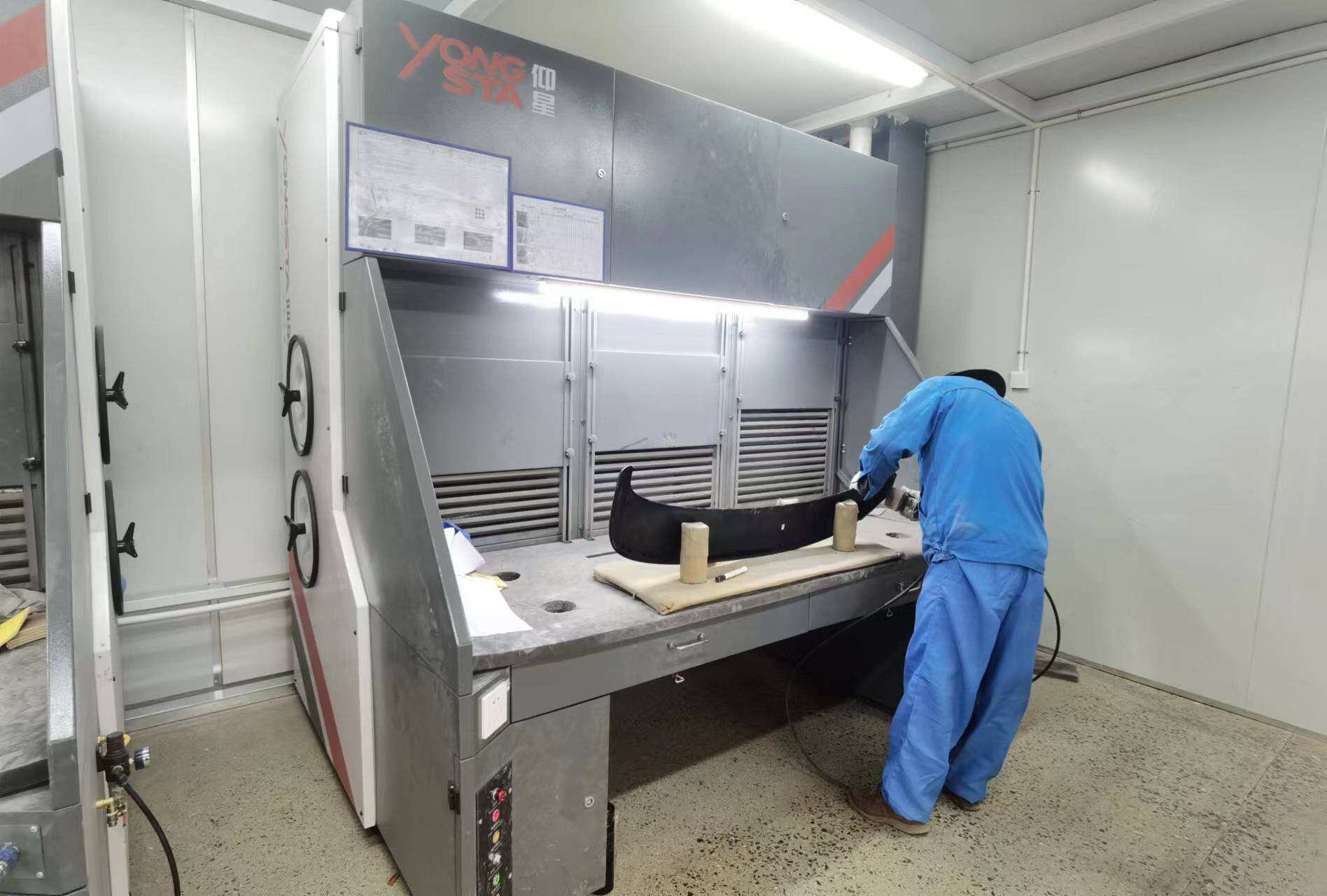
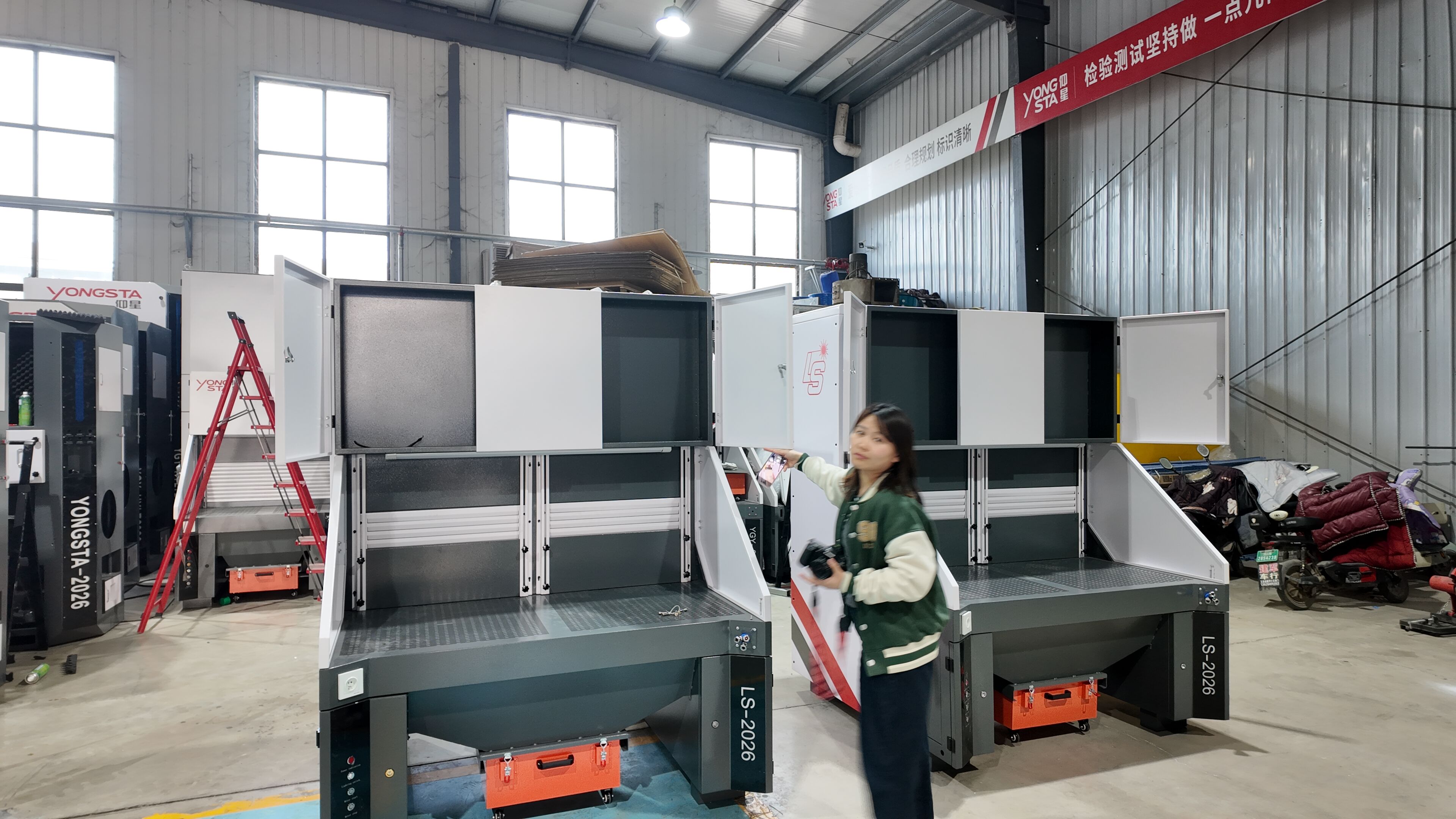
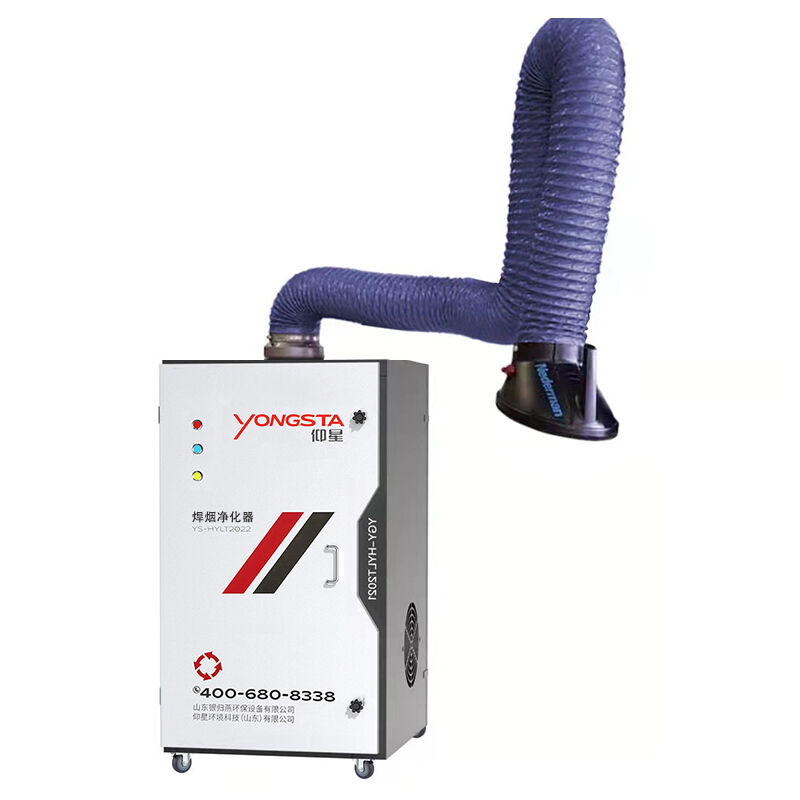
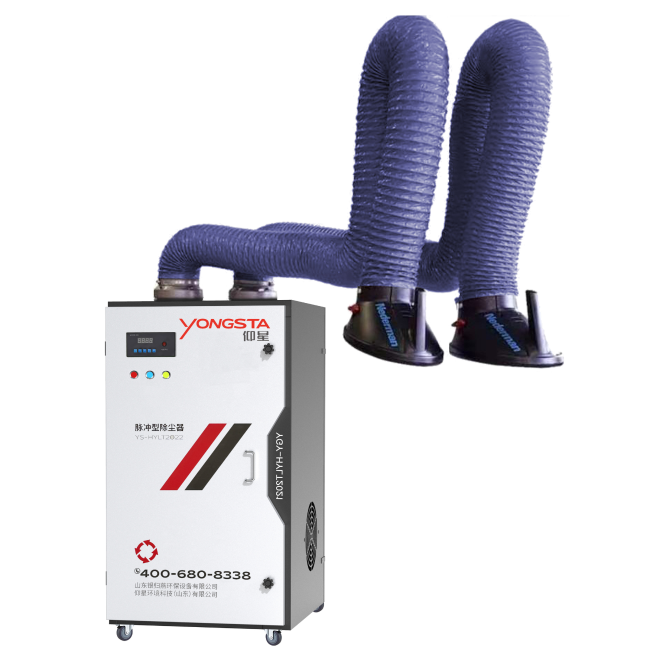
The pulse jet dust extraction system represents a sophisticated air filtration solution designed to capture and remove airborne particulates from industrial environments. This advanced cleaning technology operates through a systematic process where contaminated air enters a collection chamber containing specialized filter media, typically pleated cartridges or fabric bags. As dusty air passes through these filters, particles become trapped on the surface while clean air exits through an exhaust outlet. What distinguishes this system from conventional dust collectors is its automated cleaning mechanism that uses compressed air pulses to dislodge accumulated dust from filter surfaces. These short, high-pressure bursts of air are delivered in controlled sequences, creating a shockwave effect that releases captured particles into a collection hopper below. The pulse jet dust extraction system maintains consistent airflow and suction power by preventing filter clogging, which would otherwise reduce system efficiency. Modern installations incorporate programmable controllers that manage cleaning cycles based on differential pressure readings across the filters, ensuring optimal performance without manual intervention. The system's modular design allows for scalability, accommodating various production volumes and space constraints. Industrial facilities benefit from this technology's ability to handle diverse particle types, from fine metallic dust generated during grinding operations to fibrous materials produced in woodworking shops. The pulse jet dust extraction system integrates seamlessly with existing production equipment, connecting directly to machinery through ductwork that channels contaminated air away from work areas. This centralized approach to air quality management protects both workers and equipment from harmful dust exposure while maintaining compliance with environmental regulations. The technology has evolved significantly since its introduction, with contemporary systems featuring energy-efficient fans, advanced filter materials with greater surface area, and intelligent monitoring capabilities that provide real-time performance data. These improvements have made the pulse jet dust extraction system an essential component in manufacturing facilities, processing plants, and workshops where dust generation is an unavoidable byproduct of production activities.

New Products

Investing in a pulse jet dust extraction system delivers measurable improvements to your facility's operations and bottom line. The self-cleaning capability eliminates the need for frequent manual filter maintenance, reducing labor costs and minimizing production interruptions. Workers no longer need to shut down equipment to clean or replace filters as often, which translates directly into increased uptime and productivity. The automated pulse cleaning extends filter life significantly compared to systems requiring manual intervention, lowering replacement costs and reducing waste. Energy efficiency stands out as another practical benefit, as the system maintains consistent airflow without the performance degradation that occurs when filters become clogged. This steady operation means your exhaust fans don't have to work harder to compensate for restricted airflow, resulting in lower electricity consumption throughout the day. The pulse jet dust extraction system adapts to changing conditions in your workspace, with sensors detecting when filters need cleaning and triggering pulse cycles only when necessary rather than running continuously. This intelligent operation conserves compressed air, which is expensive to generate, while still keeping filters clean and functional. Your facility gains improved air quality that creates a healthier environment for employees, reducing respiratory issues and sick days while boosting morale and productivity. Cleaner air also means less dust settling on equipment, products, and surfaces, which decreases cleaning requirements and prevents contamination of finished goods. The system's compact footprint makes efficient use of valuable floor space, with vertical designs that maximize filtration capacity within a small area. Installation flexibility allows positioning near dust sources for more effective capture, or in centralized locations serving multiple workstations through connected ductwork. The pulse jet dust extraction system handles high dust loads without performance loss, making it suitable for demanding applications where other filtration methods would quickly become overwhelmed. Regulatory compliance becomes straightforward, as the system consistently meets air quality standards and emission limits without requiring constant adjustments or monitoring. The enclosed design contains dust within the collection system, preventing it from escaping back into the workspace or being released outdoors where it could create environmental concerns or neighbor complaints. Maintenance becomes predictable and manageable, with clear indicators showing when hoppers need emptying and filters eventually require replacement after extended service. The robust construction withstands harsh industrial conditions, providing reliable performance year after year with minimal downtime. Return on investment materializes quickly through reduced filter costs, lower energy bills, decreased maintenance labor, and improved production efficiency, making the pulse jet dust extraction system a financially sound choice for facilities serious about air quality management.

Latest News

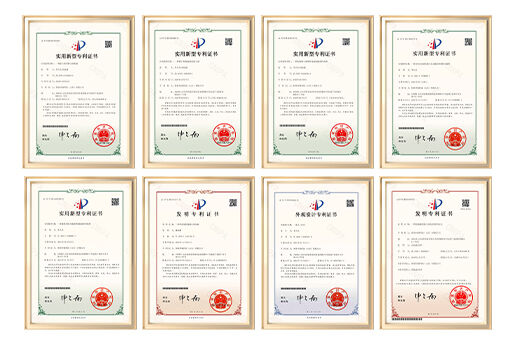
Yongsta R&D Team Wins 3 Dust Removal Technology Patents, Leading Industry Innovation

09

Apr

Yongsta R&D Team Wins 3 Dust Removal Technology Patents, Leading Industry Innovation

View More
Yongsta Cooperates with TUV for ATEX Explosion-Proof Certification, Explosion-Proof Dust Collector to Be Launched Soon

09

Apr

Yongsta Cooperates with TUV for ATEX Explosion-Proof Certification, Explosion-Proof Dust Collector to Be Launched Soon

View More
Empowering Benchmark Manufacturing! Yongsta Cartridge Dust Collector Aids Siemens Transformer China Factory's Dust Removal Renovation and Gains High Recognition

09

Apr

Empowering Benchmark Manufacturing! Yongsta Cartridge Dust Collector Aids Siemens Transformer China Factory's Dust Removal Renovation and Gains High Recognition

View More

Get a Free Quote

Our representative will contact you soon.
Email
Name
Company Name
Message
0/1000

pulse jet dust extraction system

Automated Pulse Cleaning Technology Maximizes Operational Efficiency

Automated Pulse Cleaning Technology Maximizes Operational Efficiency

The automated pulse cleaning mechanism represents the core innovation that sets this filtration system apart from traditional dust collection methods. This technology employs precisely timed bursts of compressed air directed at filter elements to remove accumulated dust without stopping production or requiring manual intervention. The cleaning process occurs while the system continues operating, maintaining uninterrupted airflow and suction throughout your facility. Each pulse lasts only a fraction of a second but generates sufficient force to flex the filter material and dislodge particles that have built up on the surface. The pulse jet dust extraction system typically cleans filters in a sequential pattern, addressing one filter or row of filters at a time to avoid disrupting overall system performance. This staged approach ensures that most filters remain actively collecting dust while a small portion undergoes cleaning, preserving the system's total filtration capacity. The compressed air delivery system includes a manifold with individual solenoid valves controlling air release to specific filters, along with a reservoir tank that stores pressurized air for immediate availability when cleaning cycles initiate. Modern controllers allow customization of pulse duration, pressure, and frequency to match specific dust characteristics and operational requirements. Fine powders may require more frequent but gentler pulses, while heavier particles might need stronger, less frequent cleaning cycles. The pulse jet dust extraction system's ability to adapt cleaning parameters ensures optimal performance across diverse applications, from pharmaceutical manufacturing requiring gentle handling of sensitive materials to metal fabrication generating abrasive particles that could damage filters if not removed promptly. The automation eliminates the inconsistency inherent in manual cleaning methods, where filter maintenance depends on worker availability and attention. Sensors monitoring differential pressure across filters provide objective data triggering cleaning cycles based on actual conditions rather than arbitrary schedules. This responsive approach prevents both under-cleaning, which would allow excessive dust buildup reducing airflow, and over-cleaning, which wastes compressed air and may prematurely wear filter media. The result is a self-regulating system that maintains peak efficiency with minimal oversight, freeing maintenance personnel to focus on other critical tasks while the pulse jet dust extraction system manages its own performance optimization.
Superior Filtration Performance Protects Health and Equipment

Superior Filtration Performance Protects Health and Equipment

The filtration capabilities of a pulse jet dust extraction system deliver comprehensive protection for both human health and valuable production equipment. High-efficiency filter media captures particles across a wide size range, from visible dust down to microscopic particulates that pose the greatest health risks because they penetrate deep into respiratory systems. The pleated or bag-style filters provide extensive surface area within a compact space, maximizing dust-holding capacity while maintaining low resistance to airflow. This design allows the system to process large volumes of contaminated air quickly, creating strong suction at collection points that captures dust at its source before it disperses throughout the workspace. The pulse jet dust extraction system's effectiveness in removing airborne contaminants directly impacts worker wellbeing by reducing exposure to substances that cause respiratory irritation, allergic reactions, and long-term health conditions. Employees working in cleaner air experience fewer symptoms like coughing, eye irritation, and breathing difficulties, leading to improved comfort and productivity. The system also protects against combustible dust hazards in facilities processing materials like wood, metal, or grain, where accumulated particles can create explosion risks if ignited. By continuously removing dust from the air and containing it within a sealed collection system, the pulse jet dust extraction system minimizes the potential for dangerous dust clouds to form. Equipment protection represents another critical benefit, as airborne particles that settle on machinery can cause premature wear, jamming, and malfunction. Precision equipment with tight tolerances is particularly vulnerable to dust contamination, which can interfere with moving parts, clog cooling systems, and degrade electronic components. The pulse jet dust extraction system prevents these issues by maintaining clean air around sensitive equipment, extending service life and reducing maintenance requirements. Product quality improves as well, since dust contamination of work-in-progress or finished goods leads to defects, rework, and customer complaints. Industries like food processing, electronics manufacturing, and pharmaceutical production have strict cleanliness standards that the pulse jet dust extraction system helps facilities meet consistently. The enclosed filtration process ensures captured dust remains contained rather than being redistributed, preventing cross-contamination between different production areas or materials. This containment also simplifies disposal, as collected dust accumulates in hoppers or drums that can be emptied systematically, often allowing valuable materials to be recovered and recycled rather than wasted.
Flexible Design Adapts to Diverse Industrial Applications

Flexible Design Adapts to Diverse Industrial Applications

The versatility of pulse jet dust extraction system design enables effective deployment across an impressive range of industrial settings and applications. Manufacturers offer systems in various sizes and configurations, from compact units serving individual machines to large centralized installations handling dust from entire production facilities. This scalability ensures that businesses of any size can implement appropriate filtration solutions matching their specific needs and budgets. The modular construction of many pulse jet dust extraction system models allows for future expansion, with the ability to add filter modules as production capacity grows or new dust-generating equipment is installed. Mounting options include floor-standing units, wall-mounted configurations, and outdoor installations with weatherproof enclosures, providing flexibility to work within existing facility layouts and space constraints. The system connects to dust sources through flexible ductwork that can be routed around obstacles and configured to serve multiple collection points from a single unit. This centralized approach often proves more economical and space-efficient than installing separate collectors at each machine. The pulse jet dust extraction system accommodates different filter media types suited to specific particle characteristics and operating conditions. Polyester felt filters handle general dust applications economically, while specialized materials like PTFE-coated media resist moisture and chemicals in challenging environments. Pleated cartridge filters offer high surface area in compact spaces, ideal for facilities with limited room, while traditional bag-style filters provide proven performance in heavy-duty applications. The system's ability to handle varying dust loads makes it suitable for operations with fluctuating production schedules, maintaining effective filtration during both peak activity and slower periods. Temperature tolerance varies by model, with standard systems handling ambient conditions and specialized versions managing hot air from processes like welding or thermal cutting. The pulse jet dust extraction system integrates with facility automation systems through standard communication protocols, enabling remote monitoring and control alongside other production equipment. This connectivity allows maintenance teams to track performance metrics, receive alerts about potential issues, and schedule service based on actual operating data rather than guesswork. The system's proven reliability across industries from woodworking and metalworking to pharmaceuticals and food processing demonstrates its fundamental effectiveness at solving dust collection challenges regardless of specific application details. This track record gives facility managers confidence that a pulse jet dust extraction system will deliver expected performance improvements and return on investment.

Get a Free Quote

Our representative will contact you soon.
Email
Name
Company Name
Message
0/1000
email goToTop