Pulse Jet Cartridge Dust Collector - High-Efficiency Industrial Air Filtration Systems

Get a Free Quote

Our representative will contact you soon.
Email
Name
Company Name
Message
0/1000

pulse jet cartridge dust collector

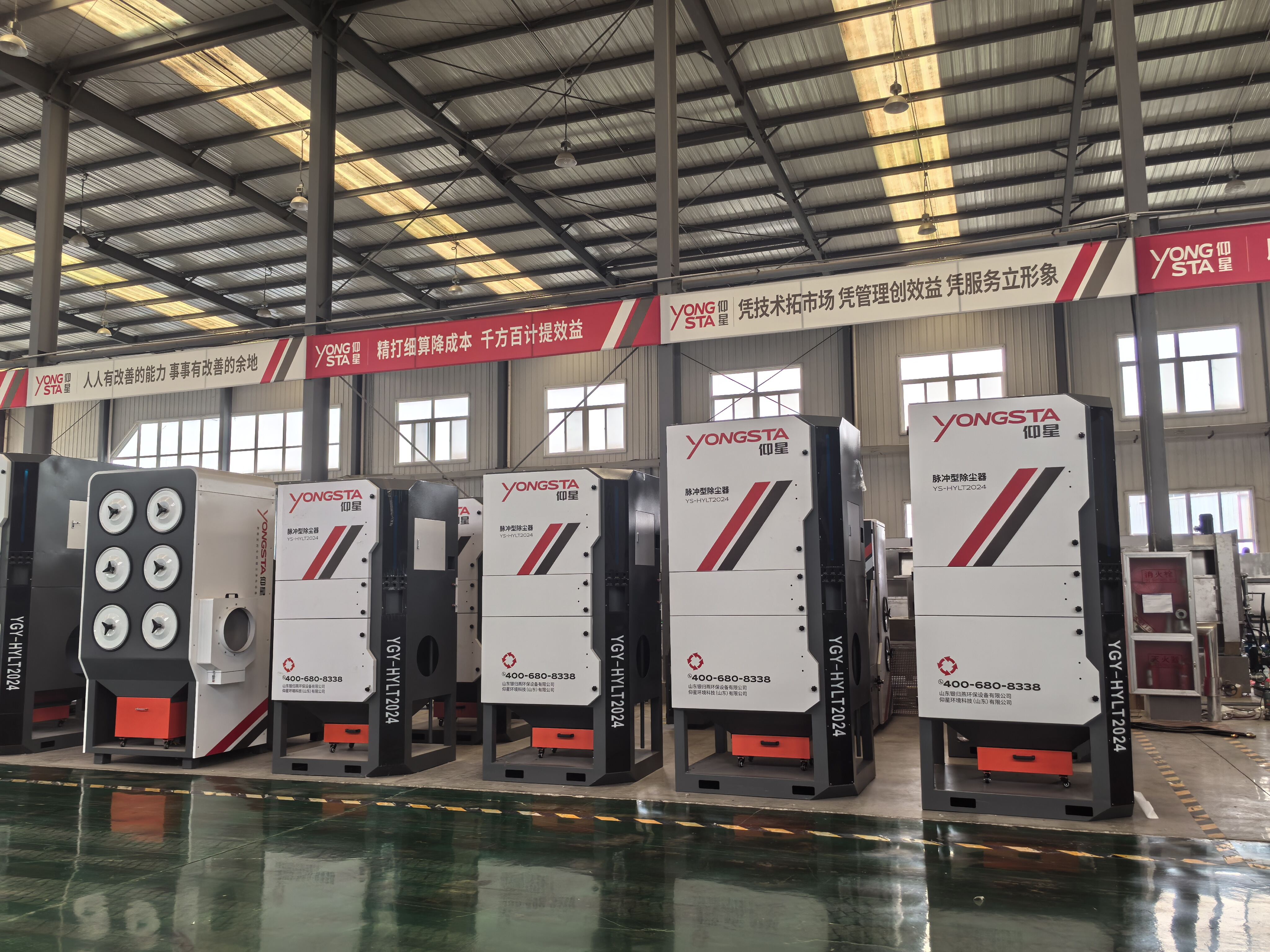
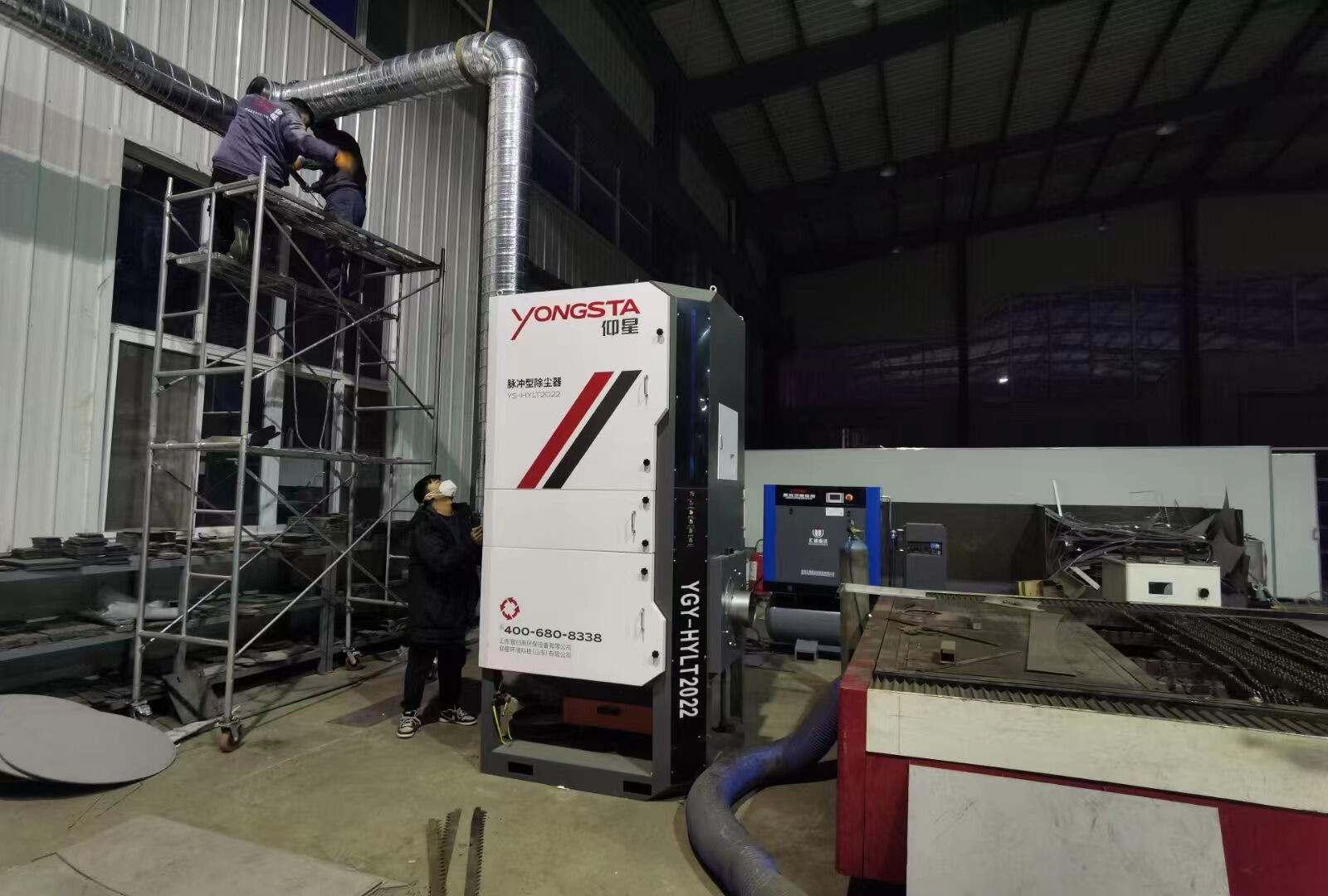
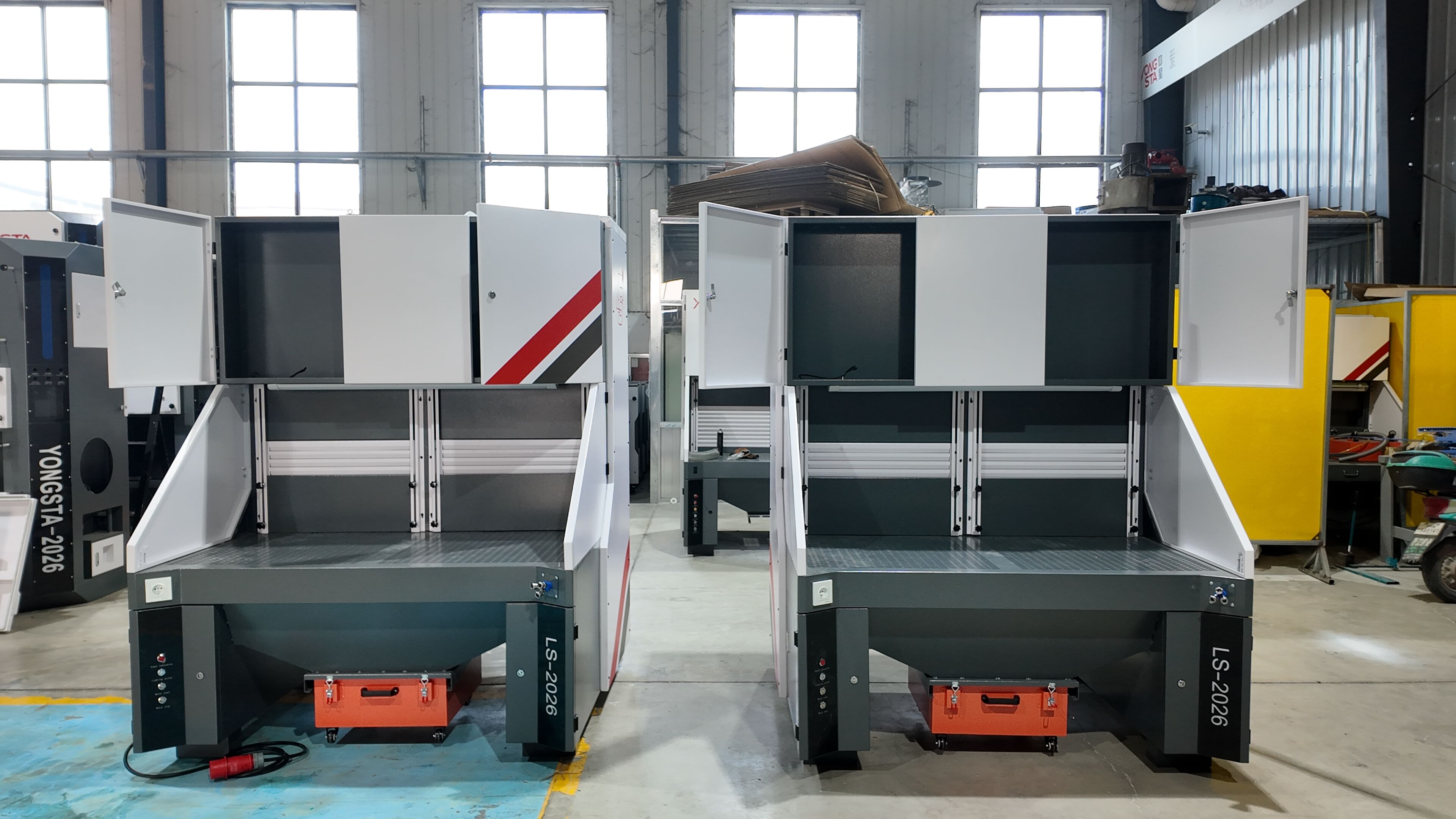
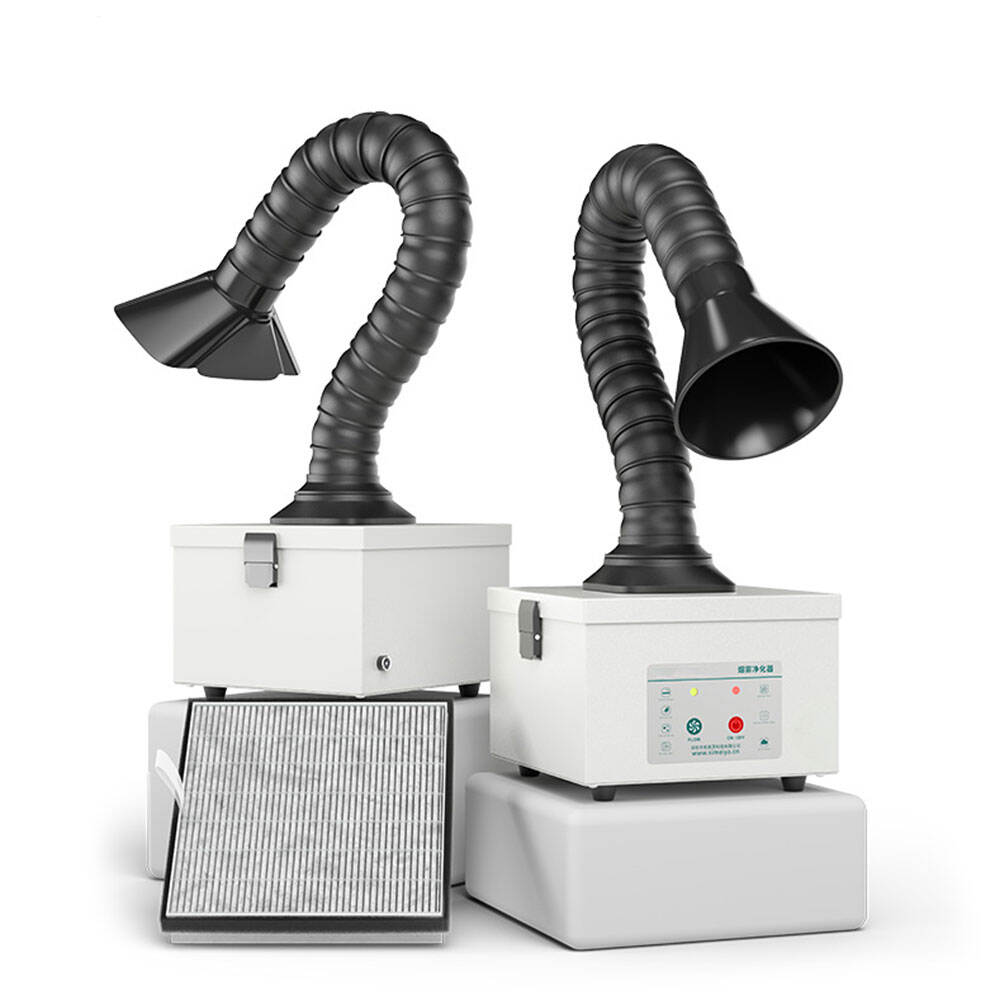
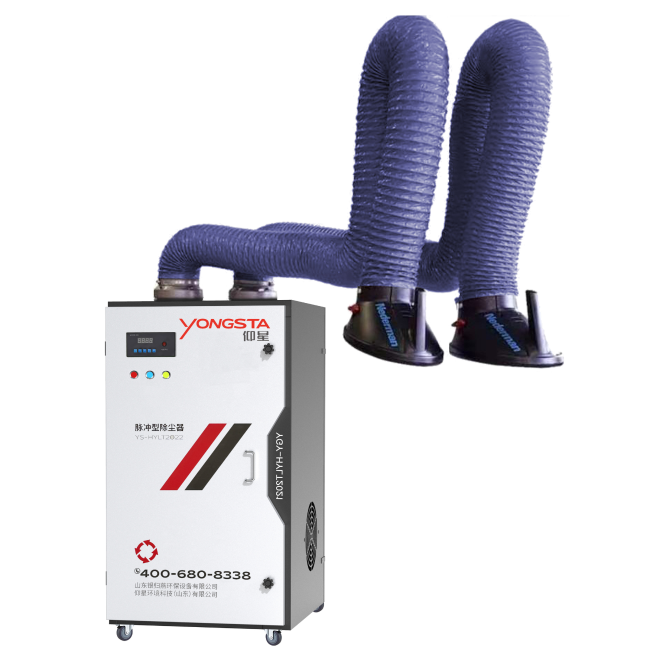
The pulse jet cartridge dust collector represents a sophisticated air filtration system designed to capture and remove airborne particulates from industrial environments. This equipment operates through a combination of filtration media and compressed air cleaning mechanisms, making it an essential component in manufacturing facilities, processing plants, and workshops where dust generation is a concern. The primary function of this dust collector centers on drawing contaminated air through specialized cartridge filters that trap particles while allowing clean air to pass through. These cartridge filters feature pleated designs that maximize surface area within a compact footprint, enabling efficient particle capture across a wide range of sizes. The pulse jet cleaning mechanism distinguishes this system from conventional dust collectors by using short bursts of compressed air to dislodge accumulated dust from the filter surfaces. This automated cleaning process occurs while the system continues operating, eliminating the need for manual intervention or production shutdowns. The technological framework incorporates a programmable controller that manages cleaning cycles based on pressure differential readings across the filters. When dust accumulation increases resistance to airflow, the system automatically triggers cleaning pulses to restore optimal performance. Applications for the pulse jet cartridge dust collector span numerous industries including metalworking, woodworking, pharmaceutical manufacturing, food processing, chemical production, and cement operations. In metalworking facilities, these collectors capture grinding dust, welding fumes, and metal particulates. Woodworking operations rely on them to manage sawdust and wood chips. Pharmaceutical and food processing environments benefit from their ability to maintain clean production areas while meeting strict regulatory standards. The modular design allows for scalability, accommodating operations of varying sizes from small workshops to large industrial complexes. Installation flexibility enables both indoor and outdoor placement, with weather-resistant housings available for exterior applications. The pulse jet cartridge dust collector delivers consistent performance in demanding conditions, handling high dust loads while maintaining energy efficiency through optimized airflow management and intelligent cleaning sequences.

New Product Releases

Choosing a pulse jet cartridge dust collector brings multiple practical benefits that directly impact your operation's efficiency and bottom line. The automated cleaning system means your equipment maintains consistent performance without requiring workers to stop production for manual filter maintenance. This continuous operation translates to higher productivity and fewer disruptions to your workflow. The compressed air pulses clean filters in seconds, and the system determines when cleaning is needed based on actual conditions rather than arbitrary schedules. This smart approach prevents unnecessary cleaning cycles that waste compressed air and energy. The cartridge filter design offers significantly more filtration surface area compared to traditional bag filters of similar size. This increased surface area means the system can handle higher air volumes while occupying less floor space in your facility. For operations where space comes at a premium, this compact footprint delivers substantial value. The pleated cartridge construction also provides superior dust cake release during cleaning cycles, ensuring filters return to near-original efficiency after each pulse. This characteristic extends filter life and reduces replacement frequency, lowering your ongoing operational costs. Energy consumption remains moderate because the system only activates cleaning pulses when necessary, and the efficient filter design requires less fan power to move air through the collector. Lower energy usage directly reduces utility expenses while supporting environmental sustainability goals. The enclosed design contains dust effectively, preventing it from escaping back into the workspace. This containment protects worker health by reducing airborne particle exposure and helps maintain cleaner facilities that require less housekeeping effort. Many operations find that improved air quality leads to better employee morale and reduced absenteeism related to respiratory issues. Installation and setup proceed quickly due to the modular construction and pre-assembled components. Most systems arrive ready for connection to ductwork and power sources, minimizing installation time and associated labor costs. The straightforward design also simplifies troubleshooting and maintenance when service is required. Technicians can access key components easily, and replacement parts are standardized across many models. The pulse jet cartridge dust collector adapts to changing production demands through adjustable settings and expandable configurations. As your operation grows, you can add additional filter cartridges or modules rather than replacing the entire system. This scalability protects your initial investment while accommodating future expansion. The system handles various dust types effectively, from fine powders to coarser particles, making it versatile across different applications. Temperature resistance in the filter media allows operation in environments with elevated heat levels, expanding the range of suitable applications. The reliable performance and reduced maintenance requirements mean less downtime and more consistent production output, directly contributing to improved operational efficiency and profitability.

Practical Tips

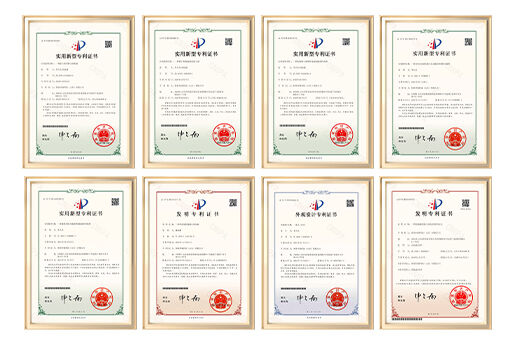
Yongsta R&D Team Wins 3 Dust Removal Technology Patents, Leading Industry Innovation

09

Apr

Yongsta R&D Team Wins 3 Dust Removal Technology Patents, Leading Industry Innovation

View More
Yongsta Cooperates with TUV for ATEX Explosion-Proof Certification, Explosion-Proof Dust Collector to Be Launched Soon

09

Apr

Yongsta Cooperates with TUV for ATEX Explosion-Proof Certification, Explosion-Proof Dust Collector to Be Launched Soon

View More
Empowering Benchmark Manufacturing! Yongsta Cartridge Dust Collector Aids Siemens Transformer China Factory's Dust Removal Renovation and Gains High Recognition

09

Apr

Empowering Benchmark Manufacturing! Yongsta Cartridge Dust Collector Aids Siemens Transformer China Factory's Dust Removal Renovation and Gains High Recognition

View More

Get a Free Quote

Our representative will contact you soon.
Email
Name
Company Name
Message
0/1000

pulse jet cartridge dust collector

Advanced Automated Cleaning Technology Maximizes Uptime

Advanced Automated Cleaning Technology Maximizes Uptime

The pulse jet cleaning mechanism represents the cornerstone technology that sets this dust collector apart from conventional filtration systems. This automated process uses precisely timed bursts of compressed air directed at individual filter cartridges to remove accumulated dust without interrupting the collection process. The cleaning sequence operates on a programmed schedule or responds to pressure differential sensors that monitor filter loading in real time. When sensors detect increased resistance indicating dust buildup, the controller activates solenoid valves that release compressed air through venturi nozzles positioned above each cartridge. The sudden blast of air travels down through the cartridge interior, creating a reverse flow that flexes the filter media outward. This flexing action breaks the dust cake loose from the filter surface, causing particles to fall into the collection hopper below. The entire cleaning cycle for a single cartridge completes in milliseconds, and the system sequences through all cartridges systematically to maintain uniform cleaning across the entire filter bank. This row-by-row or cartridge-by-cartridge cleaning approach ensures that most filters remain in service while a small portion undergoes cleaning at any given moment. The result is uninterrupted airflow and consistent collection efficiency throughout the workday. The automated nature eliminates the need for operators to remember maintenance schedules or manually shake filters, reducing labor requirements and human error. The system's intelligence extends to adaptive cleaning algorithms that adjust pulse frequency based on dust loading rates. During periods of heavy production with high dust generation, cleaning cycles increase automatically to prevent excessive buildup. Conversely, during lighter production periods, the system reduces cleaning frequency to conserve compressed air and minimize wear on filter media. This responsive behavior optimizes both performance and operational costs. The compressed air consumption remains economical because each pulse uses only a small volume of air for a fraction of a second. Modern systems incorporate pressure regulators and timers that fine-tune pulse intensity and duration for different dust types and operating conditions. Facilities can adjust these parameters to match their specific applications, ensuring effective cleaning without over-stressing filter materials. The automated cleaning technology directly translates to extended filter service life because cartridges maintain better permeability between replacements. Filters that receive regular, effective cleaning resist the permanent blinding that occurs when dust becomes embedded in media fibers. This preservation of filter integrity means longer intervals between cartridge replacements, reducing both material costs and the labor associated with changeouts. The continuous operation capability proves especially valuable in high-volume production environments where stopping equipment for maintenance creates costly bottlenecks. The pulse jet cartridge dust collector keeps working while cleaning itself, supporting lean manufacturing principles and maximizing return on equipment investment.
High-Efficiency Cartridge Filtration Delivers Superior Air Quality

High-Efficiency Cartridge Filtration Delivers Superior Air Quality

The cartridge filter technology employed in pulse jet dust collectors provides exceptional particle capture efficiency while maintaining optimal airflow characteristics. These cylindrical filters feature deeply pleated media that creates extensive surface area within a compact form factor. A single cartridge typically offers three to five times more filtration area than a comparable bag filter, allowing the system to process larger air volumes without increasing the collector's physical footprint. The pleated construction uses specialized filter media engineered for specific applications, with options including cellulose, synthetic fibers, and blended materials that balance efficiency, durability, and cost. The media selection depends on factors such as particle size distribution, dust characteristics, temperature conditions, and required filtration efficiency. For fine dust applications demanding high efficiency, membrane-coated media provides surface filtration that captures submicron particles while facilitating easy dust release during cleaning. The smooth membrane surface prevents particles from penetrating into the media depth, keeping dust on the surface where cleaning pulses can remove it effectively. This surface loading characteristic maintains lower pressure drop across the filter compared to depth-loading media where particles embed within the fiber matrix. The cartridge design incorporates rigid support structures that prevent media collapse under negative pressure while allowing the controlled flexing necessary for effective pulse cleaning. End caps seal the cartridge perimeter, ensuring all air passes through the filter media rather than bypassing around edges. The vertical orientation of cartridges in most collectors takes advantage of gravity to assist dust removal during cleaning, with dislodged particles falling directly into collection hoppers. This orientation also promotes even dust distribution across the filter surface, preventing localized overloading that can occur with horizontal filter arrangements. The high filtration efficiency achievable with cartridge collectors makes them suitable for applications with strict air quality requirements. Many systems achieve efficiency ratings exceeding 99.9 percent for particles larger than one micron, effectively removing the vast majority of airborne contaminants. This performance level protects both worker health and sensitive equipment from dust damage while helping facilities meet environmental regulations governing particulate emissions. The superior air quality extends beyond the immediate work area, as cleaner exhaust air can often be recirculated within the facility rather than vented outdoors. This recirculation capability provides significant energy savings in climate-controlled environments by retaining heated or cooled air that would otherwise be lost. The cartridge configuration simplifies maintenance procedures compared to bag-style collectors. Individual cartridges install and remove quickly without requiring workers to enter the collector housing. The standardized sizing and connection methods mean replacement cartridges from various manufacturers often interchange, providing procurement flexibility and competitive pricing options. The vertical cartridge arrangement also allows for efficient use of vertical space in facilities with limited floor area but adequate ceiling height. Multiple cartridge rows can stack within a relatively small footprint, providing substantial filtration capacity without consuming valuable production floor space. This space efficiency becomes particularly important in crowded facilities where every square foot carries significant value.
Robust Construction and Intelligent Controls Ensure Long-Term Reliability

Robust Construction and Intelligent Controls Ensure Long-Term Reliability

The structural design and control systems of pulse jet cartridge dust collectors emphasize durability and dependable operation across years of continuous service. The collector housing typically consists of heavy-gauge steel construction with reinforced panels that withstand the negative pressure created by the exhaust fan. Welded seams and gasketed access doors prevent air leakage that would compromise collection efficiency and waste fan energy. The powder-coated or painted exterior finish resists corrosion in industrial environments where moisture, chemicals, or temperature extremes might otherwise degrade the equipment. For particularly harsh conditions, stainless steel construction provides enhanced corrosion resistance and extended service life. The hopper section features steep angles that promote complete dust discharge, preventing bridging or accumulation that could interfere with operation. Rotary airlock valves or other discharge devices at the hopper outlet allow continuous dust removal while maintaining the negative pressure seal necessary for proper collector function. These discharge mechanisms handle various dust consistencies from free-flowing powders to sticky or cohesive materials. The fan assembly represents a critical component engineered for reliable performance under dusty conditions. Backward-inclined or radial blade designs resist buildup and maintain efficiency even when handling dust-laden air. Variable frequency drives on many modern systems allow fan speed adjustment to match changing production demands, optimizing energy consumption while maintaining adequate capture velocity at dust sources. The intelligent control system serves as the operational brain, monitoring multiple parameters and making real-time adjustments to maintain peak performance. Differential pressure sensors continuously measure the resistance across the filter bank, providing data that triggers cleaning cycles when thresholds are reached. This condition-based cleaning approach ensures filters receive attention when needed rather than on arbitrary time schedules that might clean too frequently or not often enough. The programmable logic controller stores operating parameters, logs performance data, and provides diagnostic information that simplifies troubleshooting. Many systems offer remote monitoring capabilities that allow maintenance personnel to check collector status from central control rooms or even off-site locations. Alert notifications warn of conditions requiring attention, such as excessive pressure drop indicating filter problems or low hopper levels suggesting discharge system issues. This proactive monitoring prevents minor issues from escalating into costly failures or production interruptions. The electrical components reside in protected enclosures that shield them from dust and moisture, ensuring reliable operation in industrial settings. Safety interlocks prevent operation with access doors open and shut down the system if critical faults occur. Emergency stop controls provide immediate shutdown capability when necessary. The modular design philosophy extends to the control system, allowing upgrades or modifications without replacing the entire collector. As technology advances or operational requirements change, facilities can update controllers, add sensors, or integrate new features while retaining the basic collector structure. This upgradeability protects the initial capital investment and extends the useful life of the equipment. The combination of rugged construction and sophisticated controls creates a dust collection system that operates reliably with minimal supervision, reducing the total cost of ownership through lower maintenance requirements and extended service intervals between major component replacements.

Get a Free Quote

Our representative will contact you soon.
Email
Name
Company Name
Message
0/1000
email goToTop